

Hair loss is a common concern that can affect anyone, regardless of age or gender, and it often has a significant impact on self-esteem and confidence. While there are many temporary fixes and miracle products on the market, a hair transplant stands out as a reliable and long-lasting solution. This surgical procedure has evolved significantly over the years, and with the right approach, it can deliver natural-looking and permanent results.
Understanding the Hair Transplant Process
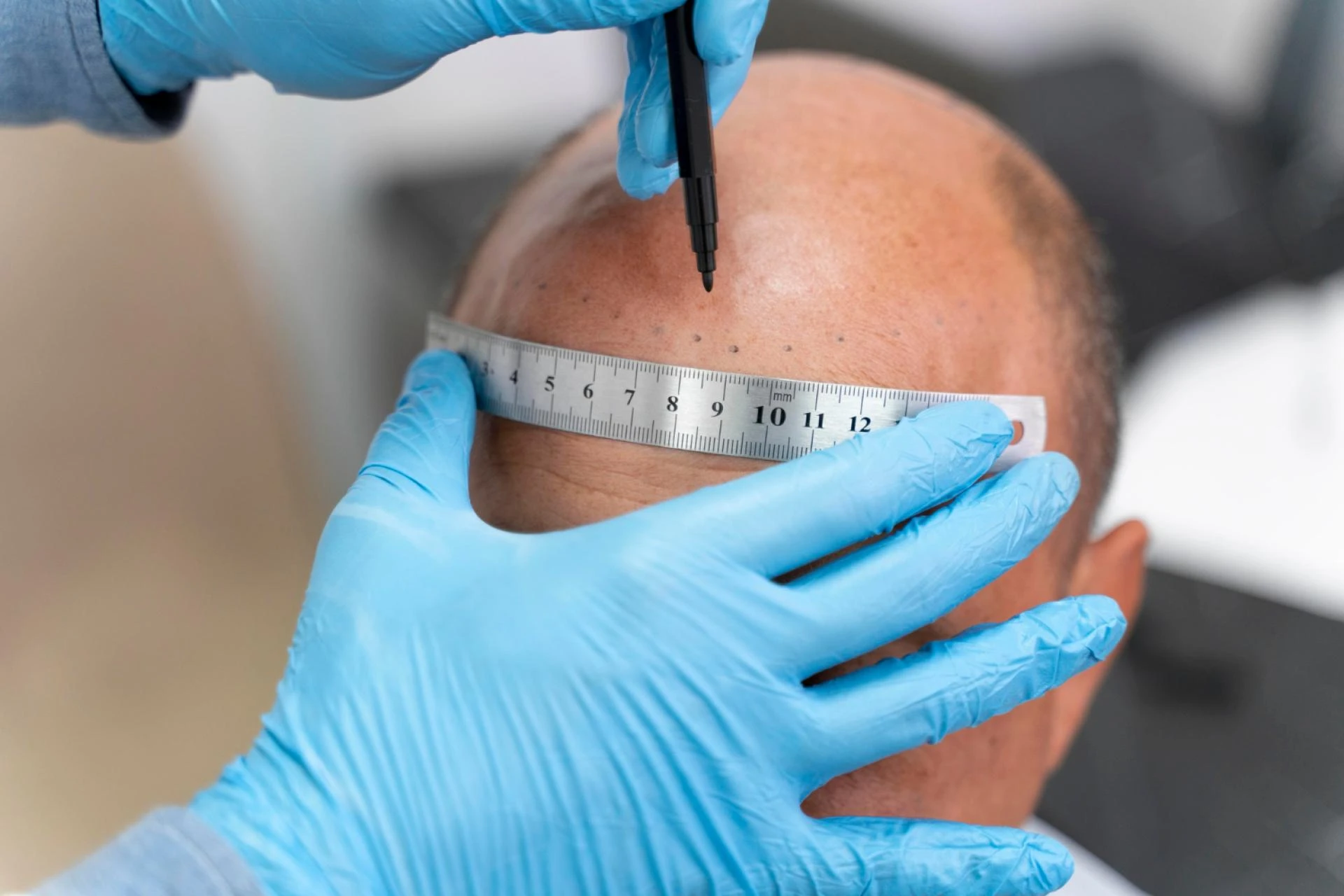
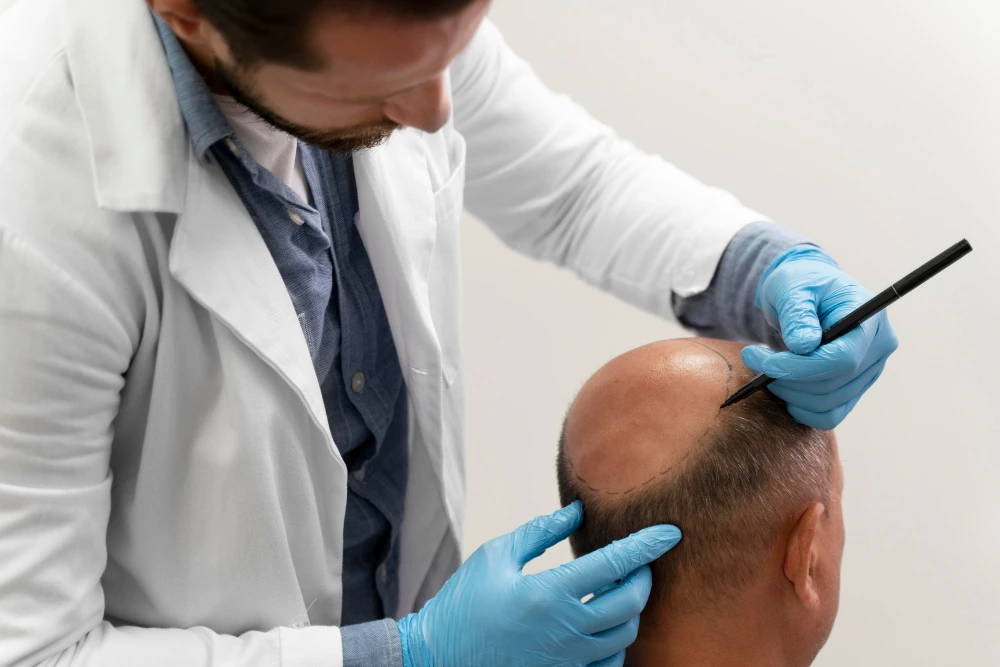
A hair transplant is a procedure that involves relocating healthy hair follicles from one part of the scalp (the "donor area") to the areas where hair is thinning or balding (the "recipient area"). The hair in the donor area, typically the back and sides of the head, is genetically resistant to hair loss, ensuring that the transplanted hair will continue to grow for a lifetime.
Today, there are two primary techniques for hair transplantation:
- Follicular Unit Extraction (FUE): This is a minimally invasive procedure where individual hair follicles are extracted one by one from the donor area using a micro-punch tool. These follicles are then meticulously implanted into the recipient area. FUE is popular because it leaves behind tiny, dot-like scars that are virtually undetectable, making it an excellent choice for those who prefer to wear their hair short.
- Follicular Unit Transplantation (FUT): Also known as "strip surgery," this older technique involves surgically removing a small strip of hair-bearing skin from the donor area. The strip is then dissected into individual follicular units under a microscope, which are then transplanted. While effective, FUT leaves a linear scar that can be a concern for some patients.
Both methods have a high success rate, with graft survival rates often exceeding 90% at reputable clinics.
The Benefits: Beyond Just Hair
The advantages of a hair transplant extend far beyond the cosmetic.
- Permanent Results: Unlike other treatments, a hair transplant provides a permanent solution to hair loss. The transplanted follicles are resistant to balding and will continue to grow naturally.
- Natural Appearance: When performed by a skilled and experienced surgeon, the results are incredibly natural. The surgeon's artistic vision in designing the hairline and placing the grafts at the correct angle and density is crucial for an undetectable result.
- Improved Confidence: A hair transplant can significantly boost self-esteem and confidence, helping you feel more comfortable in social and professional settings.
Choosing the Right Clinic and Surgeon
The success of your Hair Transplant depends heavily on the expertise of the surgeon and the quality of the clinic. When making your choice, consider these critical factors:
- Surgeon’s Credentials: Ensure the surgeon is a board-certified professional with specialized training in hair restoration. A surgeon’s experience and track record are the most important factors for a successful outcome.
- Technology and Techniques: A top-tier clinic should use advanced technology and offer a variety of techniques, allowing them to tailor the procedure to your specific needs.
- Patient Reviews and Portfolio: Look for clinics with positive patient reviews and a portfolio of before-and-after photos. This will give you a realistic idea of the quality of their work.
- Transparent Consultation: A reputable clinic will provide a thorough consultation, assessing your hair loss, discussing realistic expectations, and providing a transparent breakdown of costs.
A hair transplant is a life-changing procedure that can help you reclaim a full, natural head of hair. By understanding the process and choosing a qualified professional, you can ensure a safe and successful journey to renewed confidence.





























Sign in to leave a comment.