In the fast-paced world of modern manufacturing and material handling, every minute of downtime can translate into significant losses in productivity and revenue. Conveyor systems are the backbone of countless industries, from food processing and packaging to logistics, textiles, and automotive manufacturing. However, one of the most persistent challenges faced by maintenance teams is the time-consuming and labor-intensive process of conveyor belt replacement. Traditional belts often require lengthy shutdowns, specialized tools, and skilled labor to install or repair, leading to costly interruptions in production.
Enter the ZipLink Conveyor Belt—a groundbreaking innovation that is transforming the way industries approach conveyor belt maintenance and replacement. At Shanghai Puteken Transmission System Co., Ltd., we are proud to offer the ZipLink Conveyor Belt as part of our commitment to delivering advanced, efficient, and user-friendly solutions for our customers. This unique belt design enables quick and easy installation, repair, and replacement, dramatically reducing downtime and maintenance costs.
The Challenge of Traditional Conveyor Belt Replacement
Before the advent of the ZipLink Conveyor Belt, replacing or repairing a conveyor belt was often a complex and time-consuming task. Traditional belts typically require:
- Complete System Shutdown: Production must halt to allow for belt removal and installation.
- Specialized Tools and Skills: Splicing, vulcanizing, or lacing belts often demands skilled technicians and specialized equipment.
- Extended Downtime: The process can take several hours or even an entire shift, depending on the complexity of the system.
- Safety Risks: Manual handling and the use of hot vulcanizing equipment can pose safety hazards to maintenance personnel.
These challenges not only increase maintenance costs but also disrupt production schedules and reduce overall operational efficiency.
What is a ZipLink Conveyor Belt?
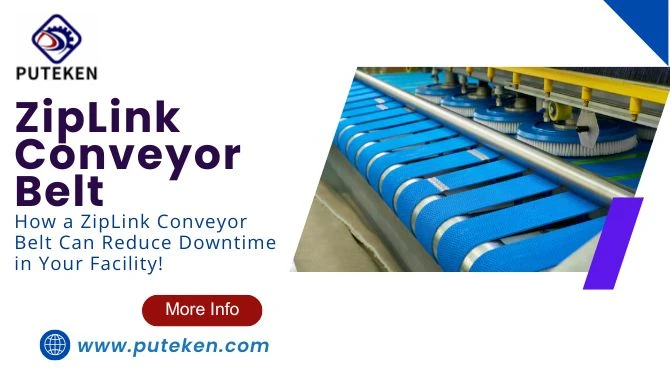
The ZipLink Conveyor Belt is an innovative solution designed to address the limitations of traditional conveyor belts. It features a unique construction that allows for fast, tool-free installation and repair, without the need for splicing or vulcanizing.
Key Features of ZipLink Conveyor Belts
- Zipper-Like Connection: The belt is constructed with interlocking loops or “zippers” that can be easily joined or separated by hand, enabling quick assembly and disassembly.
- No Special Tools Required: Installation and repairs can be performed using basic hand tools or even by hand, eliminating the need for specialized equipment.
- Minimal Downtime: Belt replacement or repair can be completed in a fraction of the time required for traditional belts, often in less than 30 minutes.
- Versatile Construction: Available in a variety of materials, surface textures, and configurations to suit different applications and industries.
- Durable and Reliable: Engineered for strength, flexibility, and long service life, even in demanding environments.
How ZipLink Conveyor Belts Work?
The secret behind the ZipLink Conveyor Belt lies in its modular, interlocking design. Each end of the belt is equipped with a series of loops or “links” that mesh together like a zipper. To install or repair the belt:
- Align the Ends: Position the two ends of the belt so that the loops are interlocked.
- Insert the Pin: Slide a connecting pin or rod through the aligned loops to secure the connection.
- Tension the Belt: Adjust the tension as needed, and the belt is ready for operation.
This simple process eliminates the need for time-consuming splicing, adhesives, or vulcanizing, making belt replacement quick, easy, and safe.
Advantages of ZipLink Conveyor Belts
1. Rapid Installation and Replacement
The primary advantage of the ZipLink Conveyor Belt is its ability to be installed or replaced in minutes, not hours. This rapid turnaround minimizes production downtime and keeps your operations running smoothly.
2. Reduced Maintenance Costs
By eliminating the need for specialized tools and skilled labor, ZipLink belts significantly reduce maintenance expenses. In-house staff can perform replacements or repairs quickly and efficiently.
3. Enhanced Safety
The tool-free, cold-joining process reduces the risk of burns, cuts, or other injuries associated with traditional belt splicing methods.
4. Versatility Across Industries
ZipLink Conveyor Belts are suitable for a wide range of applications, including food processing, packaging, textiles, logistics, and more. Their modular design allows for customization to meet specific operational needs.
5. Improved Belt Life
The flexible, interlocking construction of ZipLink belts helps absorb shock and vibration, reducing wear and extending the life of the belt.
6. Easy On-Site Repairs
If a section of the belt becomes damaged, it can be quickly removed and replaced without taking the entire system offline.
Applications of ZipLink Conveyor Belts
The versatility and efficiency of the ZipLink Conveyor Belt make it ideal for a variety of industries and applications, such as:
- Food Processing: Quick belt changes reduce contamination risks and support stringent hygiene standards.
- Packaging: Fast repairs keep high-speed packaging lines running with minimal interruption.
- Textiles: Easy installation and removal are perfect for frequent product changeovers.
- Logistics and Distribution: Minimize downtime in busy warehouses and distribution centers.
- Automotive Manufacturing: Support just-in-time production with rapid belt maintenance.
Selecting the Right ZipLink Conveyor Belt
When choosing a ZipLink Conveyor Belt for your application, consider the following factors:
1. Material and Surface Texture
Select a belt material that matches your operational environment—options include polyurethane, PVC, rubber, and more. Surface textures can be smooth, rough, or patterned to suit different products and processes.
2. Load and Speed Requirements
Ensure the belt is rated for the weight and speed of your conveyor system. Consult with Shanghai Puteken Transmission System Co., Ltd. for guidance on selecting the appropriate belt.
3. Environmental Conditions
Consider factors such as temperature, humidity, and exposure to chemicals or oils. ZipLink belts are available in variants designed for high-temperature or corrosive environments.
4. Compliance and Certification
For food or pharmaceutical applications, ensure the belt meets relevant FDA or EU regulations for safety and hygiene.
Installation and Maintenance Tips for ZipLink Conveyor Belts
To maximize the performance and lifespan of your ZipLink Conveyor Belt, follow these best practices:
1. Proper Installation
- Align the Belt: Ensure the belt is properly aligned with pulleys and rollers to prevent tracking issues.
- Set Correct Tension: Adjust the tension according to manufacturer recommendations to avoid slippage or excessive stretching.
- Secure the Pin: Make sure the connecting pin is fully inserted and locked in place.
2. Routine Inspection
- Check for Wear: Regularly inspect the belt for signs of wear, fraying, or damage.
- Monitor Tracking: Ensure the belt runs straight and does not drift to one side.
- Inspect Connections: Check the integrity of the zipper connection and replace the pin if it shows signs of wear.
3. Cleaning and Care
- Clean Regularly: Remove debris and buildup to prevent premature wear.
- Use Appropriate Cleaners: Avoid harsh chemicals that could degrade the belt material.
4. Timely Repairs
- Replace Damaged Sections: If a section of the belt is damaged, remove and replace it promptly to avoid further issues.
- Keep Spare Pins and Sections: Maintain an inventory of spare pins and belt sections for quick repairs.
Why Choose Shanghai Puteken Transmission System Co., Ltd. for ZipLink Conveyor Belts?
At Shanghai Puteken Transmission System Co., Ltd., we are dedicated to providing innovative, high-quality conveyor solutions tailored to your needs. Our advantages include:
- Premium Materials: We use only the best materials for strength, flexibility, and durability.
- Customization: Our ZipLink Conveyor Belts are available in a wide range of sizes, materials, and surface textures.
- Technical Support: Our experienced engineers offer expert advice on selection, installation, and troubleshooting.
- Quality Assurance: Rigorous testing ensures every belt meets strict standards for performance and safety.
- Global Delivery: We serve customers worldwide with reliable logistics and responsive service.
Real-World Example: ZipLink Conveyor Belt Success Story
A major food processing plant struggled with frequent belt failures and lengthy changeovers, leading to lost production time and increased labor costs. After switching to ZipLink Conveyor Belts from Shanghai Puteken Transmission System Co., Ltd., the plant reduced belt replacement time from several hours to under 30 minutes. This improvement resulted in a 25% increase in production uptime and significant cost savings on maintenance.
The ZipLink Conveyor Belt is revolutionizing the way industries approach conveyor belt maintenance and replacement. With its quick, tool-free installation, modular design, and robust performance, ZipLink is the smart choice for any operation seeking to minimize downtime and maximize efficiency.
Frequently Asked Questions (FAQ)
1. How long does it take to replace a ZipLink Conveyor Belt?
Most replacements can be completed in less than 30 minutes, depending on the system and belt length.
2. Do I need special tools to install a ZipLink Conveyor Belt?
No, installation and repairs can be performed using basic hand tools or even by hand—no specialized equipment is required.
3. Can ZipLink Conveyor Belts handle heavy loads?
Yes, ZipLink belts are available in various strengths and materials to accommodate different load and speed requirements.
4. Are ZipLink Conveyor Belts suitable for food processing?
Absolutely. We offer food-grade ZipLink belts that meet FDA and EU standards for safety and hygiene.
5. How do I clean a ZipLink Conveyor Belt?
Use a soft brush or cloth with mild detergent. Avoid harsh chemicals that could damage the belt material.
6. Can I replace just a section of the belt if it’s damaged?
Yes, the modular design allows you to remove and replace only the damaged section, saving time and cost.
7. What should I do if the connecting pin wears out?
Simply replace the pin with a new one—spare pins are easy to keep in stock for quick repairs.
8. Are ZipLink Conveyor Belts available in custom sizes?
Yes, Shanghai Puteken Transmission System Co., Ltd. offers a wide range of customization options to fit your specific conveyor system.
9. How do I ensure proper tension and alignment?
Follow the manufacturer’s guidelines for tensioning and use alignment tools to ensure the belt runs straight.
10. Where can I get technical support for my ZipLink Conveyor Belt?
Contact Shanghai Puteken Transmission System Co., Ltd. for expert advice, troubleshooting, and product recommendations.
























Sign in to leave a comment.