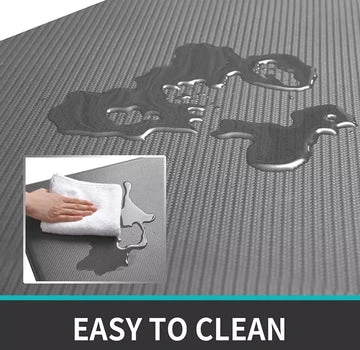

Anti fatigue mats are a must-have in commercial kitchens, industrial workspaces, retail counters, garages, and even home offices. These heavy-duty mats are designed to relieve pressure on your feet, knees, and lower back during long hours of standing. But to keep them in top condition and extend their life, regular cleaning and proper maintenance are essential.
If you’re in the UK and using anti fatigue mats in busy environments, this guide will help you understand how to clean them properly—without damaging the structure or reducing their comfort benefits.
🧽 Why Cleaning Your Anti Fatigue Mat Matters
Anti fatigue mats are constantly exposed to dirt, grease, chemicals, and foot traffic. Over time, buildup can degrade the mat’s surface, reduce its slip resistance, and harbor bacteria. Regular cleaning:
- Enhances hygiene in the workspace
- Prevents wear and tear
- Maintains grip and cushioning
- Extends the mat’s durability
- Improves the overall appearance of your work area
Whether it’s a heavy-duty anti fatigue mat for a garage or a kitchen-safe mat in a busy restaurant, proper care can protect your investment for years.
🛠️ Step-by-Step Cleaning Guide
1. Shake or Vacuum Off Loose Debris
Start by removing dust, metal shavings, dirt, or food particles by either shaking the mat outdoors or using a vacuum with a brush attachment. This step prevents particles from embedding deeper during the wash.
2. Use Mild Detergent & Warm Water
Avoid harsh cleaners that may damage the rubber or foam material. Mix a gentle detergent with warm water in a bucket. Use a mop, cloth, or soft-bristle brush to scrub the surface thoroughly, paying attention to corners and textured areas.
✅ Pro Tip: Avoid bleach or acidic cleaners, especially for rubber anti fatigue mats used in commercial kitchens or garages.
3. Rinse Thoroughly
Use clean water to rinse off all soap residue. Soap buildup can make the surface slippery and attract more dirt. You can rinse using a hose or a wet mop with clean water.
4. Dry the Mat Properly
Always allow your anti fatigue mat to air-dry completely before placing it back. Standing water can lead to mould or mildew, especially in damp environments like warehouses or workshops.
📌 Never put your mat in a tumble dryer or expose it to direct heat sources.
5. Sanitise Weekly (If Needed)
In high-traffic areas like hospitals, food prep zones, or salons, a sanitising routine may be necessary. Use an anti-bacterial spray or a vinegar-water solution weekly to eliminate germs.
🔧 Maintenance Tips to Extend Mat Life
Proper cleaning is just one part of maintaining your mat. Follow these tips to avoid damage and get the most out of your anti fatigue mat investment:
🔄 Rotate the Mat Regularly
Especially in workplaces where people stand in one spot for long hours, rotating the mat can help distribute wear evenly and prevent compression in one area.
🛑 Don’t Fold or Bend
Anti fatigue mats are designed to stay flat. Folding or bending them can cause permanent creases or cracking. Store them flat or rolled up loosely when not in use.
🚫 Avoid Dragging Heavy Equipment
Dragging trolleys or machinery across the mat can gouge or tear the surface. Always lift heavy items over the mat instead.
🧪 Protect Against Harsh Chemicals
In automotive or industrial settings, keep mats away from petroleum, oils, and solvents that can degrade the mat’s surface.
🧍♂️ Use on Clean, Dry Surfaces
Placing your mat on a dusty or wet floor reduces grip and may lead to slipping or curling at the edges.
🏢 Cleaning Based on Environment Type
🏠 Home Office or Kitchen
- Vacuum regularly
- Wipe with soapy water once a week
- Air-dry thoroughly
🛠️ Garages & Workshops
- Hose down every few days
- Scrub with detergent and degreaser if needed
- Avoid leaving the mat in oil puddles
👷 Industrial & Commercial Spaces
- Schedule daily or weekly cleaning routines
- Sanitise high-touch areas
- Assign cleaning duties to staff for accountability
🧼 What to Avoid When Cleaning Anti Fatigue Mats
Knowing what not to do is just as important:
- No high-pressure washers (unless specified by manufacturer)
- No abrasive brushes on foam or gel-based mats
- No strong acids or alkalis
- Don’t leave mats soaking in water for extended periods
Ignoring these precautions can reduce the mat's lifespan and affect its anti fatigue performance.
💬 Final Thoughts
Cleaning and maintaining your anti fatigue mat isn’t complicated—it just requires a consistent routine and a few smart choices. Whether you're running a busy garage in the UK or managing a food service operation, these mats offer comfort, safety, and productivity. Taking good care of them means they’ll continue to take care of your team.
Investing in the best anti fatigue mats is only half the job. The other half is making sure they last. Regular cleaning, proper storage, and preventive 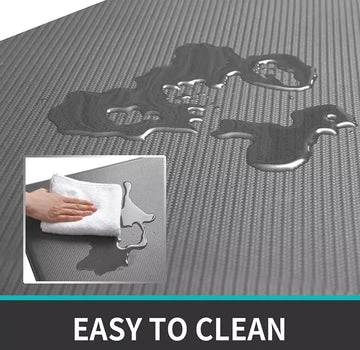 maintenance will go a long way in protecting your flooring investment—and your health.
explore rubberfitfloors's anti fatigue mats collection.
❓ 5 Short FAQs About Anti Fatigue Mat Cleaning
1. How often should I clean my anti fatigue mat?
Ideally, mats should be cleaned weekly or more frequently in high-traffic areas to maintain hygiene and performance.
2. Can I use bleach or disinfectant sprays?
Avoid bleach. Use a mild anti-bacterial spray or vinegar solution to sanitise without damaging the mat.
3. Can I power wash anti fatigue mats?
Only if the manufacturer specifically states it’s safe. Otherwise, stick to low-pressure rinsing.
4. Are anti fatigue mats machine washable?
Most are not. Always follow the care instructions. Hand washing is the safest method.
5. What’s the best way to dry the mat?
Let it air dry completely in a shaded area. Avoid direct heat or dryers which can warp or crack the material.





























Sign in to leave a comment.