
One of the core pillars of object-oriented programming, polymorphism, is what makes Java both flexible and powerful. The word literally means “many forms,” and in programming, it allows a single interface or method to behave differently based on the object it’s acting on. For students learning through Kaashiv Infotech Java, mastering polymorphism is a turning point — it’s where code stops being just functional and starts becoming elegant.
Polymorphism in Java – Kaashiv Infotech Java
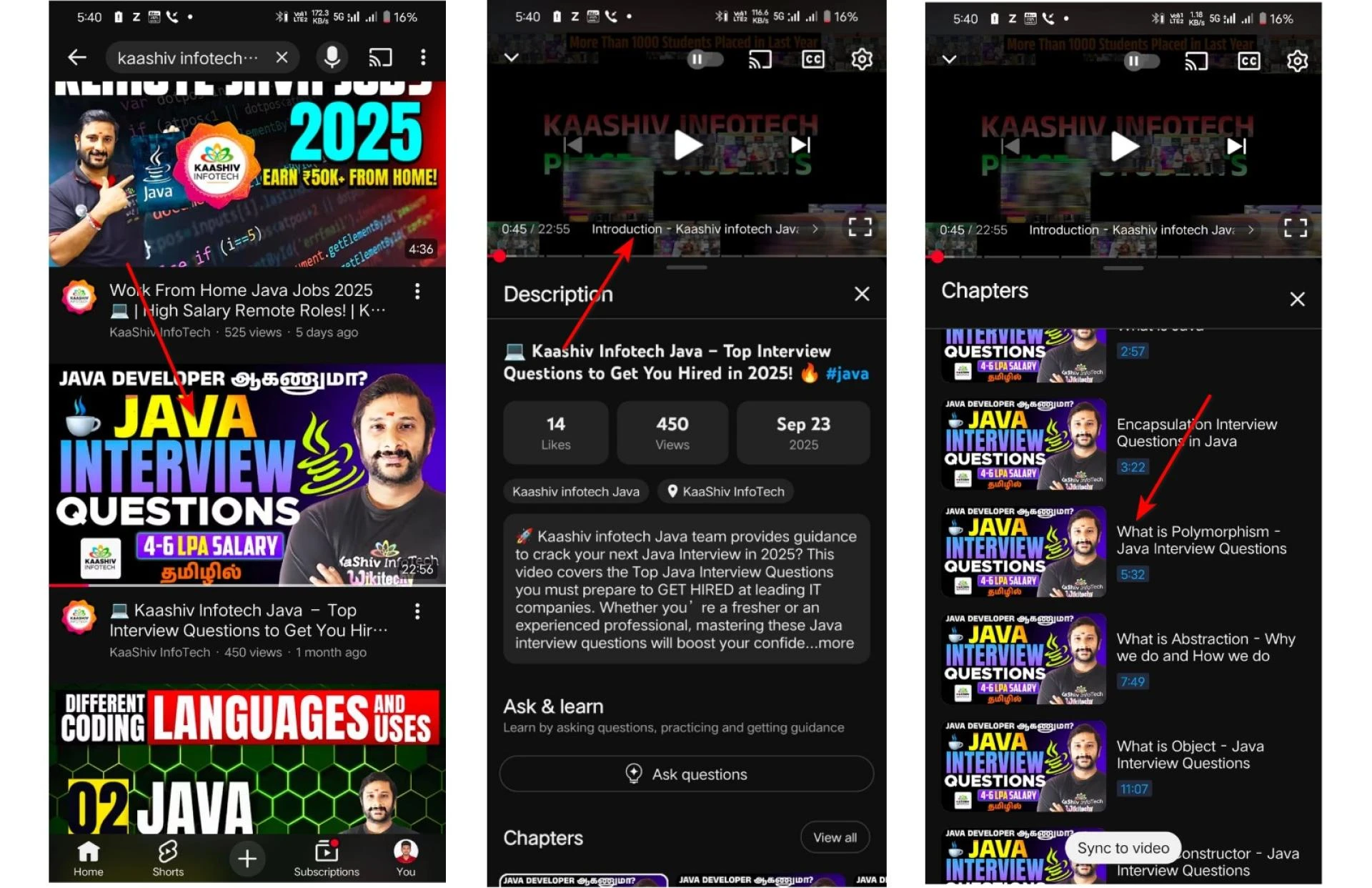
Steps For PC:
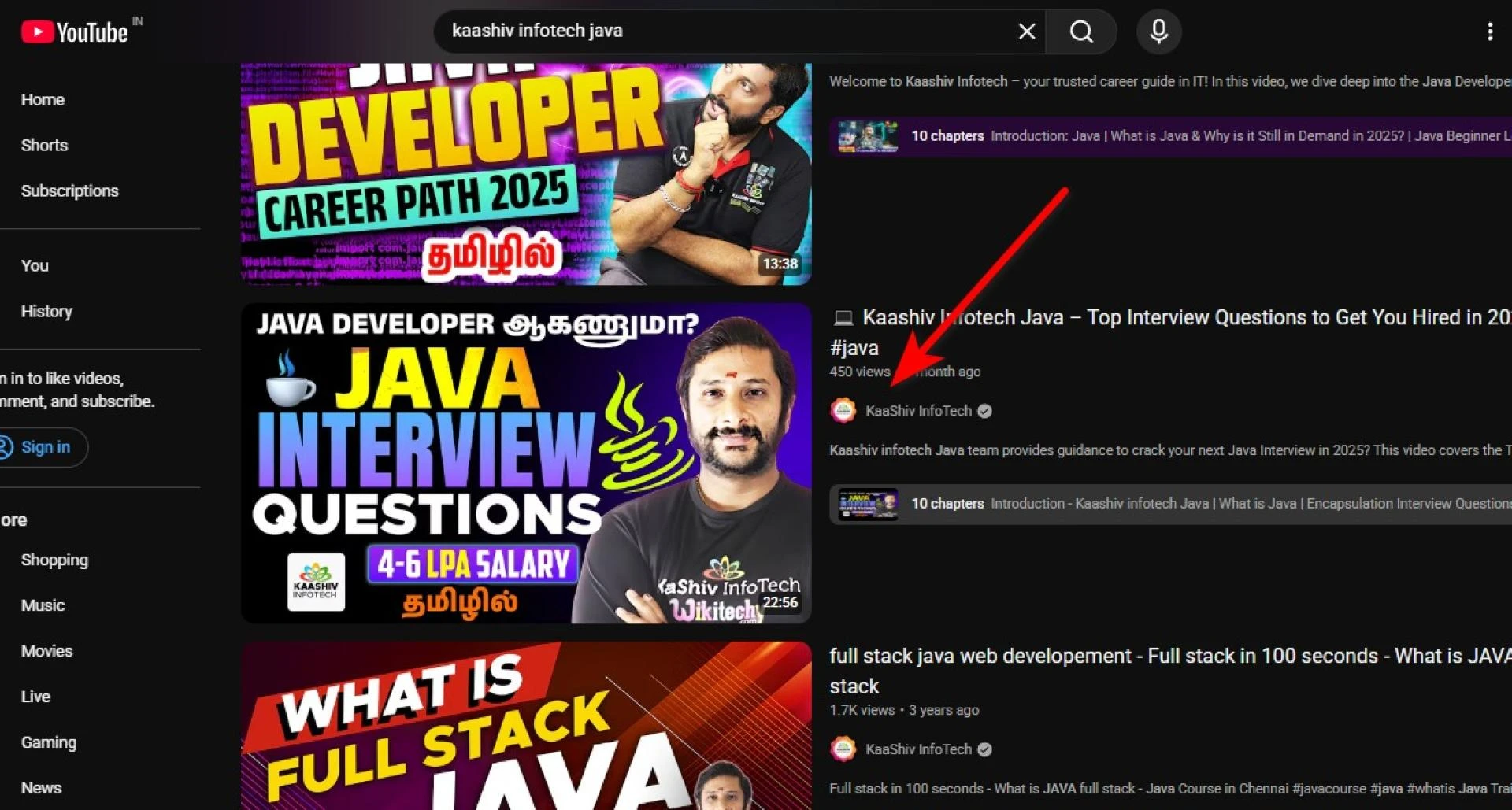


Steps For Mobile:
🔍 What Is Polymorphism in Java?
At its heart, polymorphism lets you perform a single action in multiple ways. Think of it as giving the same command but getting different results based on who’s listening.
For example, consider this:
class Animal {
    void sound() {
        System.out.println("Some sound");
    }
}

class Dog extends Animal {
    void sound() {
        System.out.println("Bark");
    }
}

class Cat extends Animal {
    void sound() {
        System.out.println("Meow");
    }
}

public class Main {
    public static void main(String[] args) {
        Animal a;
        a = new Dog();
        a.sound();  // Output: Bark
        a = new Cat();
        a.sound();  // Output: Meow
    }
}
Here, the same method sound() behaves differently depending on the object type — that’s runtime polymorphism in action.
⚙️ Types of Polymorphism in Java
In the Kaashiv Infotech Java curriculum, students explore two main types:
- Compile-time Polymorphism (Static Binding)
- Achieved through method overloading, where multiple methods share the same name but differ in parameters.
- Example:
int add(int a, int b);
double add(double a, double b);
- Runtime Polymorphism (Dynamic Binding)
- Achieved through method overriding, as shown in the previous example.
- The method that gets called is determined at runtime, not during compilation.
💡 Why Is Polymorphism Important?
Polymorphism allows for code reusability, scalability, and flexibility. You can write general code that works with multiple object types without rewriting logic every time.
For example, in real-world software like e-commerce systems or banking apps, polymorphism allows different payment types or user roles to share a common interface while executing unique behavior.
It’s one of those features that makes Java extremely maintainable — you can expand and modify applications with fewer changes to existing code.
🚀 Want to Learn Java Like a Pro?
If this topic excites you, dive deeper with the Kaashiv Infotech Java course in Chennai, where concepts like polymorphism, inheritance, encapsulation, and abstraction come alive through real-time projects. You’ll build mini-applications, understand how these OOP principles fit together, and gain the skills needed to write professional-grade Java code.
Start from basics — master classes, objects, and methods — and gradually level up to enterprise-grade programming, joining programs like Java Internship in Chennai to get started.
✨ Final Thoughts
Polymorphism may seem like a technical concept, but once you understand it, you’ll see it everywhere in your Java journey. It’s what makes frameworks like Spring, Hibernate, and Android development so seamless.
So, experiment with it. Try creating your own examples, override methods, and see how Java decides which version to run. The deeper you explore, the more natural it will feel — and soon, you’ll be coding with the true mindset of an object-oriented developer.
kaashiv infotech java, polymorphism in java, java method overriding, java method overloading, java oops concepts, java beginners tutorial, kaashiv infotech java course, java runtime polymorphism, java static polymorphism, object oriented programming java, java inheritance, java training online, learn java step by step, kaashiv infotech java programming, java examples, java classes and objects, java basics tutorial, polymorphism example java, java development training, java projects kaashiv infotech
























Sign in to leave a comment.