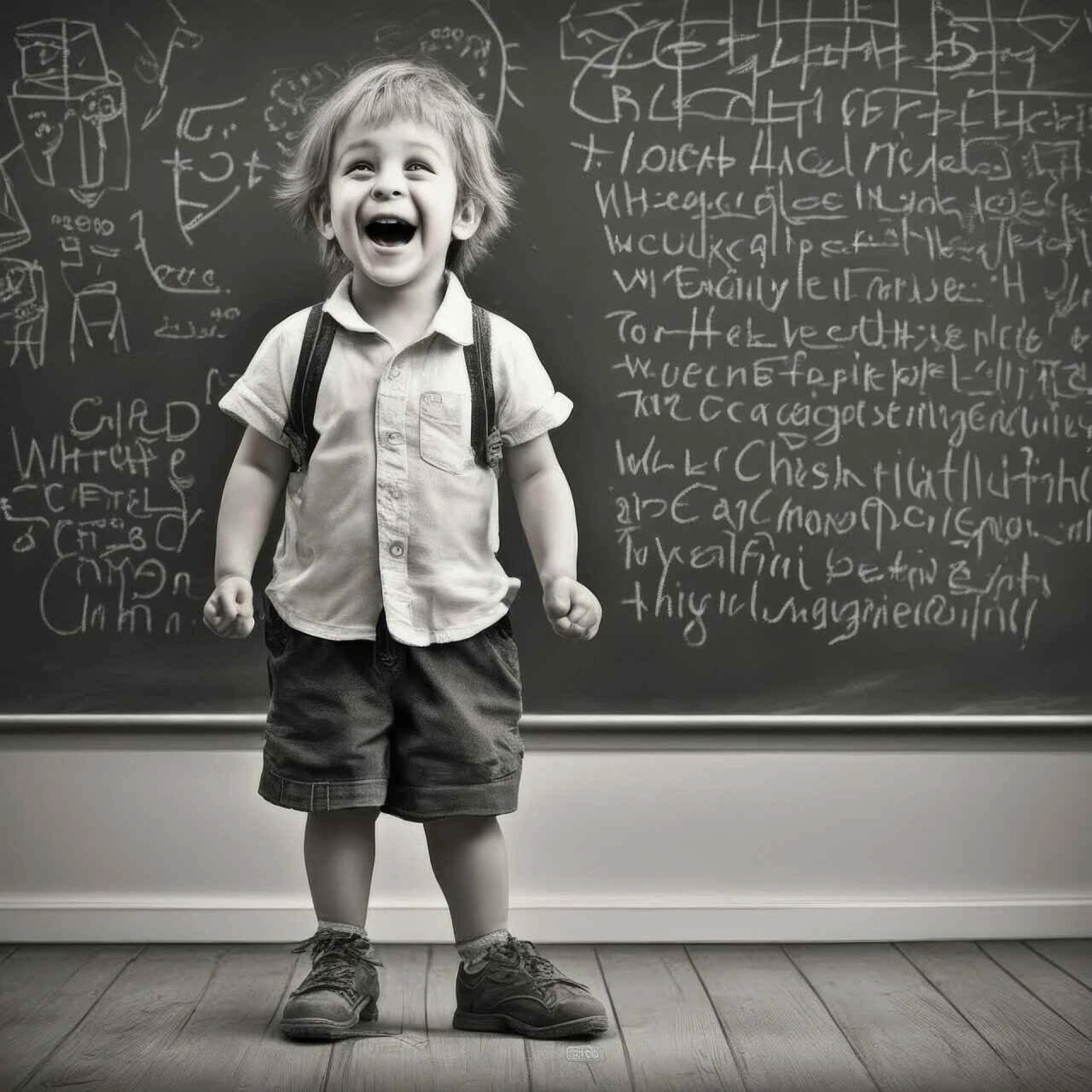

The learning environment plays a crucial role in shaping children's educational experiences and outcomes, especially those with special needs.
At schools like KARUNA, dedicated to providing specialized education for children with autism and other developmental disorders, creating a conducive learning environment is paramount. In this guest post, we will delve into the effects of learning environments on special needs children, highlighting the importance of specialized programs and inclusive approaches.
Physical Environment
The physical environment of a learning space can significantly impact a child's experience. Ensuring a sensory-friendly environment is essential for special needs children. Soft lighting, comfortable seating, and designated quiet areas help reduce sensory overload and create a calming atmosphere conducive to learning.
Emotional Well-being
A supportive and nurturing learning environment fosters emotional well-being in special needs children. Teachers and staff at specialized schools provide individualized attention, emotional support, and positive reinforcement to help children feel safe, valued, and confident in their abilities.
Social Interaction
Learning environments that promote social interaction are vital for special needs children's social development. At KARUNA, inclusive activities, peer group sessions, and collaborative projects provide opportunities for children to practice social skills, build friendships, and develop a sense of belonging.
Individualized Instruction
Special education programs prioritize individualized instruction tailored to each child's unique needs and abilities. Small class sizes, differentiated instruction, and personalized learning plans ensure that every child receives the support and attention they require to succeed academically and socially.
Structured Routine
Consistency and predictability are essential for special needs children, many of whom thrive in structured environments. Schools like KARUNA follow structured daily routines, visual schedules, and clear expectations to help children feel secure, reduce anxiety, and improve focus and engagement in learning activities.
Multisensory Learning
Special needs children often benefit from multisensory learning approaches that engage multiple senses simultaneously. Autism and ADHD school educators use a variety of sensory-rich materials, hands-on activities, and interactive technologies to accommodate different learning styles and preferences.
Positive Reinforcement
Positive reinforcement strategies, such as praise, rewards, and encouragement, play a vital role in motivating special needs children and reinforcing desired behaviors. Teachers and therapists at special education centers use positive reinforcement techniques to celebrate achievements, build self-esteem, and foster a growth mindset.
Inclusive Practices
Inclusive learning environments that celebrate diversity and embrace differences are essential for special needs children's overall development. Schools like KARUNA promote inclusive practices by fostering acceptance, empathy, and respect among students, staff, and the broader community.
Parental Involvement
Parental involvement and collaboration are integral components of a supportive learning environment for special needs children. Parents and teachers must encourage active participation from parents through regular communication, parent workshops, and involvement in Individualized Education Program (IEP) meetings.
Transition Support
Transitioning between learning environments or life stages can be challenging for special needs children. Special education centers must provide comprehensive transition support services, including transition planning, social stories, and peer mentoring, to help children navigate changes successfully and adapt to new environments.
Elements of an Inclusive Classroom for Special Needs Children
Creating an inclusive classroom environment is essential for supporting the diverse needs of special needs children and fostering their academic, social, and emotional development.
KARUNA specializes in catering to children with autism and other developmental disorders; classrooms are designed to accommodate the unique requirements of every student. Here are some key elements that classrooms for special needs children should incorporate:
Flexible Seating Arrangements
Flexible seating options, such as adjustable desks, bean bags, and floor cushions, accommodate the varied sensory needs and physical comfort of special needs children. Providing choices in seating allows children to find a setup that best suits their preferences and enhances their focus and engagement in learning activities.
Sensory-Friendly Environment
Classrooms should be designed to minimize sensory overload and provide a sensory-friendly environment for special needs children. This includes controlling lighting, noise levels, and visual distractions, as well as incorporating sensory materials, such as fidget toys, weighted blankets, and sensory bins, to help children regulate their sensory experiences and stay calm and focused.
Visual Supports
Visual supports, such as visual schedules, picture cues, and labeled storage bins, are essential for helping special needs children understand routines, follow instructions, and navigate their environment independently. Visual supports provide structure and predictability, reducing anxiety and promoting organization and self-regulation.
Ready to provide your child with a supportive and inclusive learning environment tailored to their unique needs? Enroll them at KARUNA, the leading special education center in Hyderabad, dedicated to empowering children with autism and other developmental disorders. Call them now.
Author Bio
This post’s author is a passionate advocate for inclusive education and specializes in supporting children with special needs. With a background in special education and years of experience working with diverse learners, she is committed to creating empowering and supportive learning environments where every child can succeed. As a guest blogger, she aims to share insights and strategies to promote the holistic development of special needs children and inspire positive change in educational practices.
























Sign in to leave a comment.