
The steel rolling mill industry plays a crucial role in shaping raw steel into finished products that power infrastructure, construction, automotive, and manufacturing sectors. Behind this transformation lies a combination of advanced machinery working in perfect coordination. Efficiency in a modern steel rolling mill is not just about speed—it’s about precision, consistency, energy optimization, and minimal downtime.
In this blog, we explore the 10 key machines that ensure seamless and efficient operations in modern steel rolling mills.
1. Reheating Furnace
The rolling process begins with the reheating furnace. This machine heats steel billets, blooms, or slabs to the required rolling temperature, typically between 1100°C and 1250°C. Uniform heating is essential to avoid defects and ensure smooth deformation during rolling.
Modern reheating furnaces are designed for energy efficiency, featuring advanced combustion systems and temperature control technologies that reduce fuel consumption and emissions.
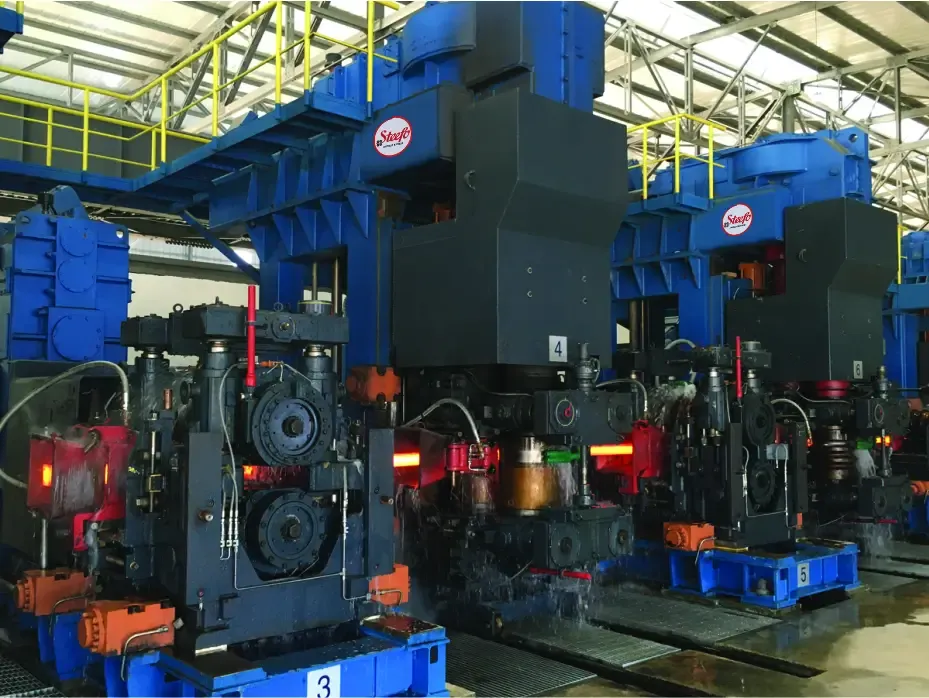
2. Rolling Mill Stands
Rolling mill stands are the core of the entire operation. These machines apply pressure to heated steel to reduce thickness and shape it into desired forms such as bars, rods, or sheets.
There are different types of stands, including roughing stands, intermediate stands, and finishing stands. Each stage progressively refines the material, ensuring dimensional accuracy and surface quality.
3. Descaling System
Before the steel enters the rolling stands, it passes through a descaling system. This equipment removes scale (oxide layer) formed during heating by using high-pressure water jets.
Effective descaling improves surface finish and prevents damage to rolling rolls, ultimately enhancing product quality and extending equipment life.
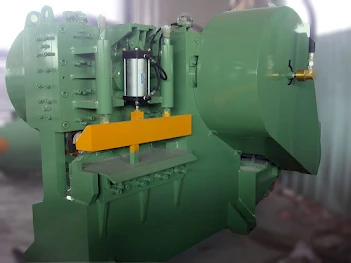
4. Shearing Machine
Shearing machines are used to cut steel into required lengths at different stages of the rolling process. These machines ensure precise cutting of billets before rolling and finished products afterward.
High-speed shearing systems help maintain production flow without interruptions, making them essential for continuous operations.
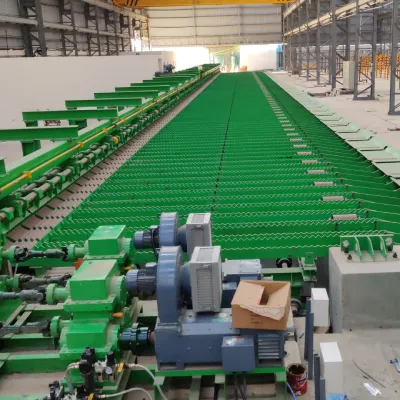
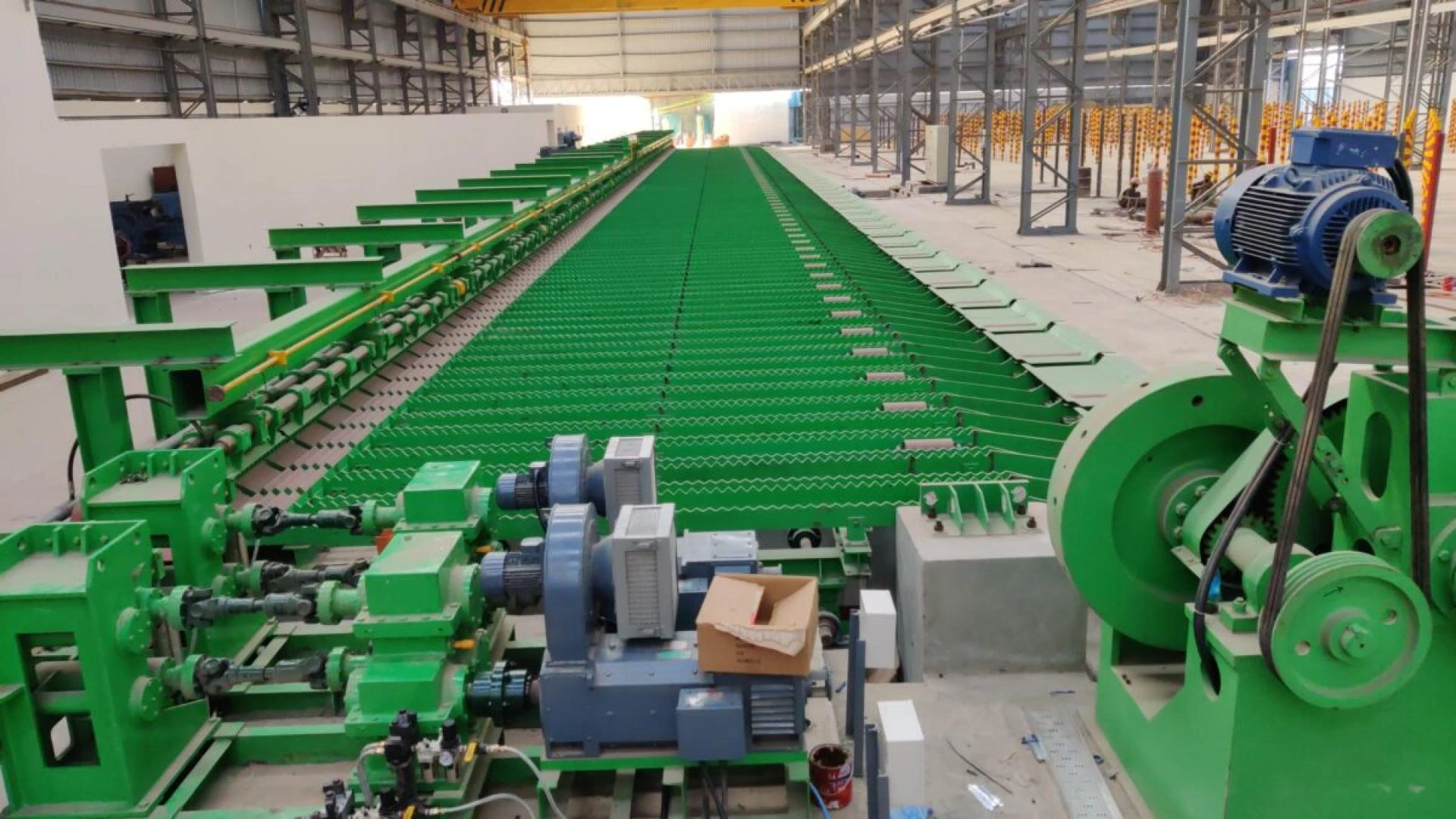
5. Cooling Bed
After rolling, the hot steel products are transferred to a cooling bed. This machine allows the material to cool gradually under controlled conditions, preventing internal stresses and distortions.
Modern cooling beds are automated and designed to handle high volumes while maintaining uniform cooling for consistent product quality.
6. Conveyor Systems
Conveyor systems are responsible for moving materials from one stage to another throughout the rolling mill. From feeding raw materials into the furnace to transporting finished products, conveyors ensure smooth workflow.
Efficient conveyor systems reduce manual handling, improve safety, and enhance overall plant productivity.
7. Loopers
Loopers are used between rolling stands to maintain tension and control the flow of steel. They help regulate the speed difference between stands and prevent material breakage or deformation.
By ensuring proper tension control, loopers contribute significantly to dimensional accuracy and process stability.
8. Pinch Rolls
Pinch rolls are used to guide and control the movement of steel through the rolling mill. They ensure proper feeding into the stands and maintain alignment throughout the process.
These machines play a critical role in preventing misfeeds and ensuring consistent rolling speed, which directly impacts product quality.
9. Straightening Machine
Once the rolling process is complete, the steel products may have slight bends or distortions. Straightening machines correct these imperfections by applying controlled pressure.
This step ensures that the final product meets strict quality standards and is ready for downstream applications.
10. Automatic Control Systems
No modern steel rolling mill is complete without advanced automation and control systems. These systems monitor and control every aspect of the operation, including temperature, speed, pressure, and alignment.
Automation enhances precision, reduces human error, and allows real-time adjustments, leading to higher efficiency and reduced operational costs.
The Role of Integration in Efficiency
While each machine plays a specific role, the true efficiency of a steel rolling mill lies in the seamless integration of all systems. A well-coordinated setup ensures minimal downtime, optimal energy usage, and consistent output quality.
Leading manufacturers like The Steefp Group focus on delivering integrated rolling mill solutions that combine advanced machinery with intelligent automation, helping steel producers achieve higher productivity and profitability.
Conclusion
Modern steel rolling mills rely on a combination of robust machinery and advanced technology to deliver high-quality products efficiently. From reheating furnaces to automation systems, each machine contributes to the overall performance of the plant.
Understanding these 10 key machines not only highlights the complexity of steel rolling operations but also emphasizes the importance of investing in the right equipment. As the demand for high-quality steel continues to grow, adopting modern, efficient machinery will remain essential for staying competitive in the industry.
























Sign in to leave a comment.