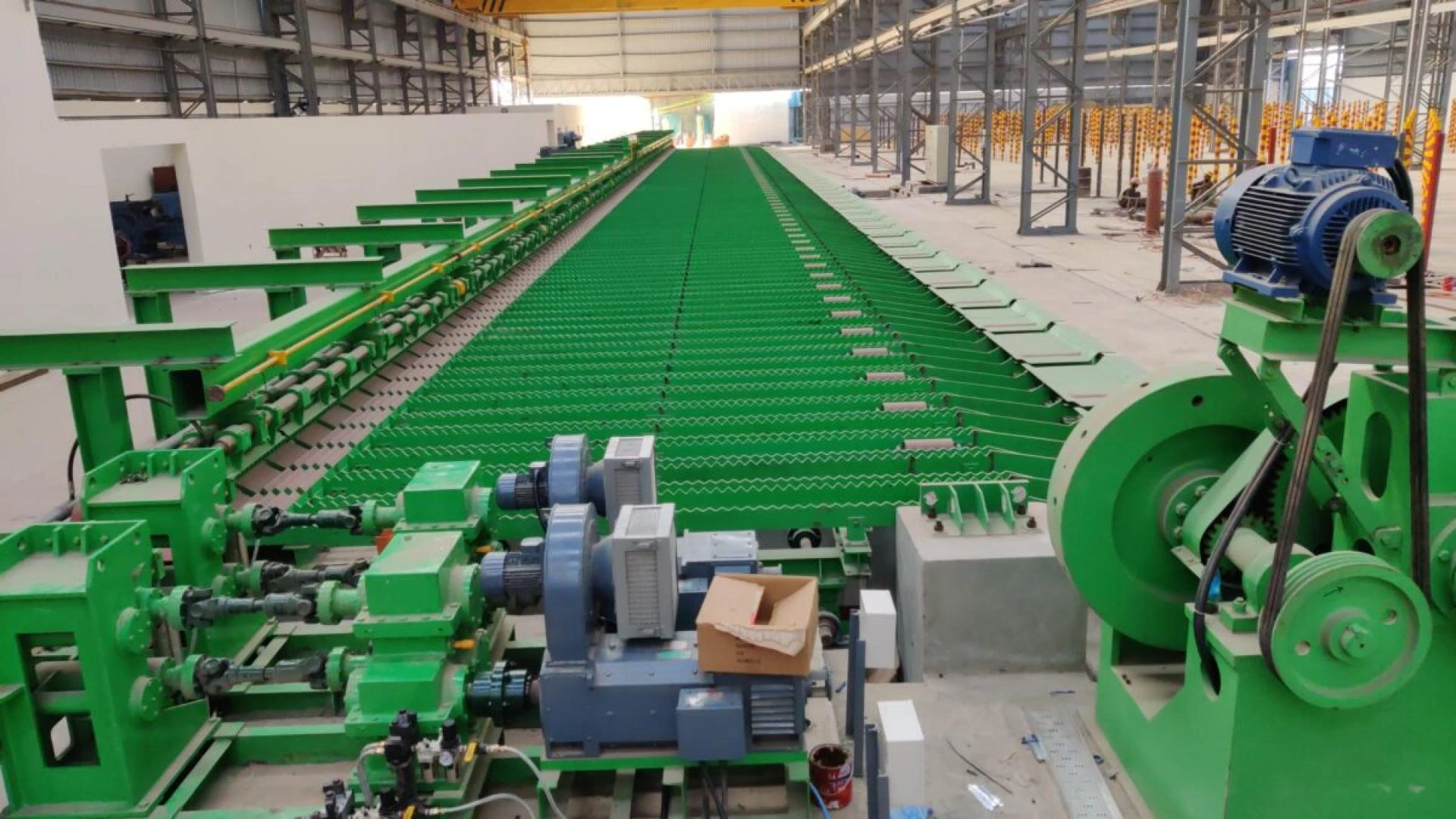

The steel industry is continuously evolving to meet the rising demand for high-quality steel products across sectors such as construction, infrastructure, automotive, and manufacturing. As competition increases and technology advances, steel manufacturers are looking for more efficient ways to set up and operate rolling mills. One solution that has gained significant popularity in recent years is the turnkey project model.
Turnkey solutions are transforming the rolling mill industry by simplifying project execution, reducing risks, improving efficiency, and ensuring faster plant commissioning. Instead of dealing with multiple suppliers, contractors, and consultants, manufacturers can rely on a single expert partner to handle the entire project—from planning and design to installation and production.
This approach has become a game-changer for steel plant owners who want to streamline operations and focus on growing their business.
Understanding Turnkey Solutions in Rolling Mill Projects
A turnkey rolling mill project refers to a complete solution where a single company takes responsibility for designing, manufacturing, supplying, installing, and commissioning the entire rolling mill plant. The term “turnkey” means that the plant is delivered ready to operate—once the project is completed, the owner simply needs to “turn the key” to start production.
In a turnkey project, the provider manages every aspect of the process, including:
- Plant design and engineering
- Equipment manufacturing and supply
- Civil construction planning
- Installation and commissioning
- Automation systems integration
- Testing and performance optimization
By handling all these components under one contract, turnkey solutions eliminate many of the complexities traditionally associated with setting up steel rolling mills.
Simplifying Project Management
One of the biggest challenges in traditional rolling mill projects is coordinating multiple vendors and contractors. Different companies may handle machinery supply, installation, automation, and infrastructure, which often leads to communication gaps, delays, and cost overruns.
Turnkey solutions simplify project management by providing a single point of responsibility. The turnkey provider manages every stage of the project, ensuring seamless coordination between engineering teams, equipment suppliers, and installation experts.
This integrated approach improves efficiency and ensures that the project stays on schedule and within budget.
Faster Project Completion
Time is a critical factor in the steel manufacturing industry. Delays in plant setup can lead to lost opportunities, increased costs, and delayed market entry.
Turnkey rolling mill solutions significantly reduce project timelines because all stages of the project are carefully planned and executed by one experienced team. From equipment design to commissioning, every step follows a streamlined process.
As a result, manufacturers can start production sooner and begin generating revenue much faster than with traditional project management approaches.
Cost Efficiency and Budget Control
Budget management is another area where turnkey solutions offer major advantages. When a rolling mill project involves multiple contractors, unexpected costs often arise due to coordination issues, design changes, or delays.
In a turnkey model, the project scope and cost are defined in advance. The provider takes responsibility for managing resources, equipment supply, and project timelines. This reduces financial risks and ensures better cost control throughout the project.
Steel manufacturers benefit from predictable investment planning and improved financial management.
Access to Advanced Technology
Modern rolling mills rely heavily on advanced technologies such as automation systems, high-speed rolling equipment, energy-efficient furnaces, and digital monitoring tools. Integrating these technologies effectively requires deep industry expertise.
Turnkey solution providers bring extensive technical knowledge and experience to the project. They design plants that incorporate the latest innovations in rolling mill technology, helping manufacturers achieve higher productivity, better product quality, and improved operational efficiency.
Automation systems, for example, allow real-time monitoring and process optimization, which reduces human error and improves consistency in steel production.
Improved Quality and Reliability
When multiple suppliers are involved in a project, maintaining consistent quality standards across all components can be challenging. Differences in design specifications or manufacturing quality can lead to operational inefficiencies later.
Turnkey solutions address this issue by ensuring that all equipment and systems are designed to work together seamlessly. The provider oversees quality control throughout the project—from engineering and manufacturing to installation and testing.
This integrated approach improves plant reliability, reduces downtime, and ensures smoother operations once production begins.
Reduced Risk for Steel Manufacturers
Setting up a rolling mill is a significant investment that involves technical, operational, and financial risks. Poor planning or coordination can lead to costly mistakes and operational challenges.
Turnkey solutions minimize these risks by placing the responsibility for project execution on an experienced provider. With clear accountability and structured project management, manufacturers can avoid many common problems associated with plant setup.
Additionally, turnkey providers often offer training, technical support, and after-sales services, helping plant operators run the facility efficiently from day one.
Customization for Different Production Needs
Every steel manufacturer has unique production requirements depending on the type of steel products they plan to produce. Whether it is TMT bars, wire rods, structural steel, or specialty products, the rolling mill design must align with specific production goals.
Turnkey solutions allow manufacturers to customize plant layouts, equipment configurations, and automation systems according to their needs. This flexibility ensures optimal productivity and product quality while maximizing the return on investment.
Supporting Industry Growth
As global infrastructure development continues to accelerate, the demand for high-quality steel products is increasing rapidly. Rolling mill operators must adopt modern solutions to stay competitive in this evolving market.
Turnkey projects are helping the industry move toward more efficient, technologically advanced, and sustainable steel production systems. By simplifying plant setup and integrating advanced technologies, turnkey solutions enable manufacturers to scale their operations and meet growing market demands.
Companies like The Steefo Group are playing an important role in delivering comprehensive rolling mill solutions that support the development of modern steel plants around the world.
Conclusion
Turnkey solutions are reshaping the rolling mill industry by offering a faster, more efficient, and less risky approach to steel plant development. From engineering and equipment supply to installation and commissioning, turnkey projects provide an end-to-end solution that simplifies complex industrial processes.
For steel manufacturers, this model offers numerous benefits, including streamlined project management, reduced costs, improved technology integration, and faster production startup. As the steel industry continues to evolve, turnkey rolling mill solutions will play an increasingly important role in helping companies build modern, high-performance manufacturing facilities.
By adopting turnkey approaches, rolling mill operators can focus on what matters most—producing high-quality steel products and expanding their presence in the global market.


























Sign in to leave a comment.