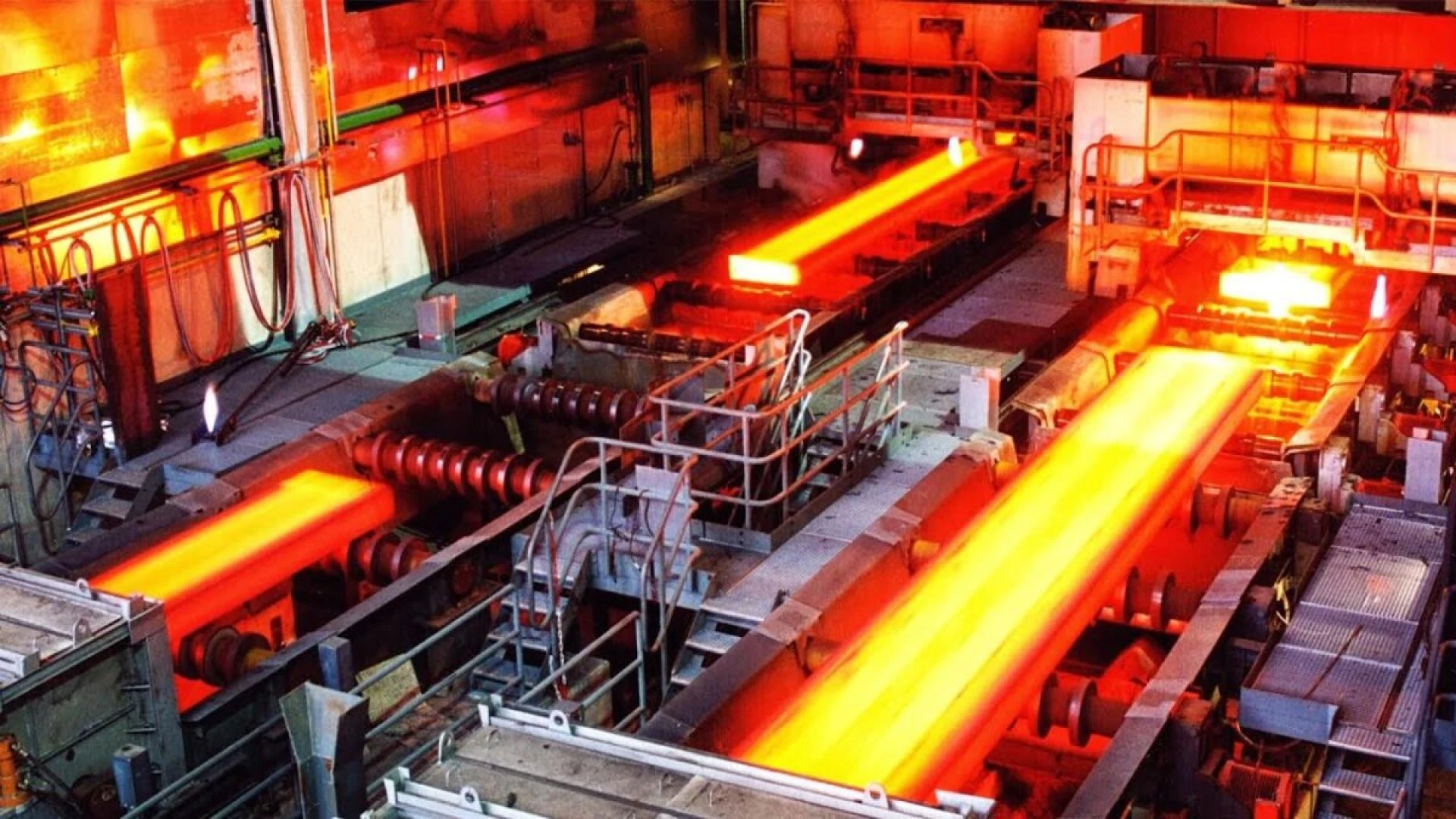

Hot rolling is one of the most widely used industrial metalworking processes, transforming raw metal into precise shapes and sizes. By heating metal above its recrystallization temperature, manufacturers can produce sheets, plates, bars, and structural components that meet strict performance standards. This guide explores the fundamentals of the hot rolling process, its advantages, and why partnering with an experienced manufacturer makes all the difference.
Understanding the Hot Rolling Mill Process
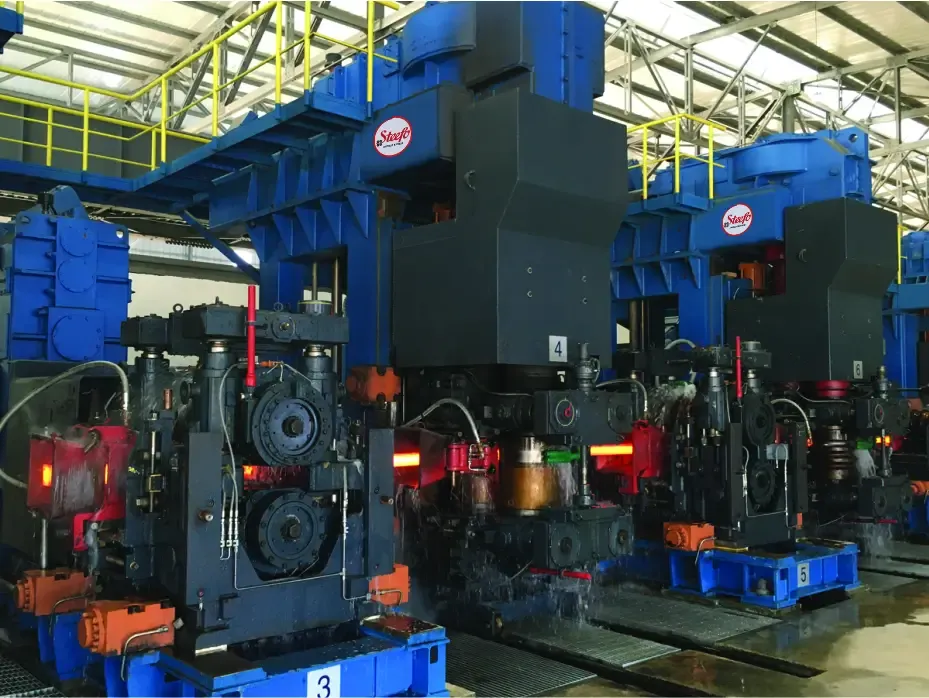
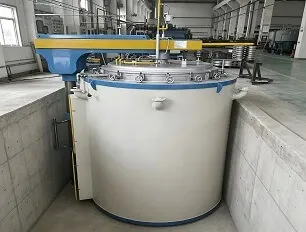
The hot rolling mill process begins with large billets or slabs of metal, which are heated in a furnace until they reach a temperature where their crystalline structure can change without cracking—typically between 900°C and 1,200°C depending on the material. Once the metal reaches this critical temperature, it is passed through a series of rolling stands equipped with heavy-duty rollers.
Each pass reduces the thickness and refines the shape, while the continuous rolling action ensures the material retains uniform strength and dimensional accuracy. The final product is cooled in a controlled environment to maintain the desired properties and minimize internal stresses.
Key Reasons Hot Rolling Is a Preferred Method
Manufacturers prefer hot rolling because it allows them to efficiently shape metals into a wide variety of forms while enhancing structural integrity. Unlike cold rolling, which requires greater force and may introduce residual stresses, hot rolling keeps the metal ductile during processing. This makes it easier to create large sections or intricate profiles with less energy expenditure and fewer production challenges.
Major Benefits of Hot Rolling
Enhanced Mechanical Properties
Heating metal above its recrystallization temperature allows the grains to reform into a more uniform structure. This improves the metal’s toughness, ductility, and overall workability, ensuring the finished product can withstand demanding applications such as construction beams, railway tracks, and automotive components.
Improved Grain Structure
The hot rolling process breaks down coarse, uneven grains into finer, more consistent ones. This refined grain structure contributes to better strength-to-weight ratios and superior mechanical performance, which is vital for load-bearing or high-stress environments.
Reduced Porosity
When the metal is heated and compressed during hot rolling, voids and air pockets within the material are minimized. Lower porosity leads to stronger, more durable products with a uniform density, reducing the likelihood of defects or failures in critical applications.
Better Distribution of Impurities
Impurities that might otherwise concentrate in specific areas are spread more evenly throughout the metal. This uniform distribution prevents weak spots and enhances the overall integrity and lifespan of the finished product.
Lower Pressure Requirements
Because the material is hot and more pliable, the process requires less pressure to achieve the desired shape compared to cold rolling. This not only conserves energy but also minimizes wear on the rolling equipment, which can extend the life of the machinery and lower operating costs.
Applications of Hot Rolled Products
Hot rolled steel is used across numerous industries due to its strength and versatility. Structural beams for bridges and buildings, rails for transportation networks, and plates for heavy machinery are just a few examples. The process is equally important for producing pipelines, shipbuilding materials, and large-diameter tubing.
Why Choose The Steefo Group for Hot Rolling Mills
Selecting a trusted partner is crucial for achieving consistent quality and operational efficiency. The Steefo Group brings decades of expertise in designing and manufacturing state-of-the-art hot rolling mills tailored to meet varied industrial needs. Their commitment to innovation, robust engineering practices, and end-to-end support ensures that clients receive equipment capable of delivering superior output, energy efficiency, and long-term reliability.
Conclusion
The hot rolling mill process is integral to modern manufacturing, offering a combination of strength, flexibility, and cost efficiency that few other methods can match. From enhanced mechanical properties to a refined grain structure, the benefits make hot rolling indispensable across industries. By working with an experienced partner, businesses can harness these advantages to produce high-quality metal products that meet the demands of today’s competitive markets.
























Sign in to leave a comment.