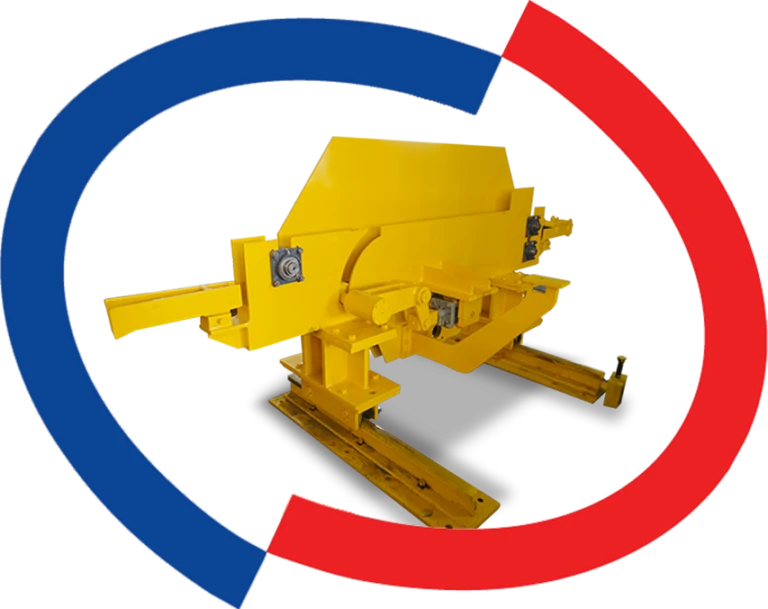

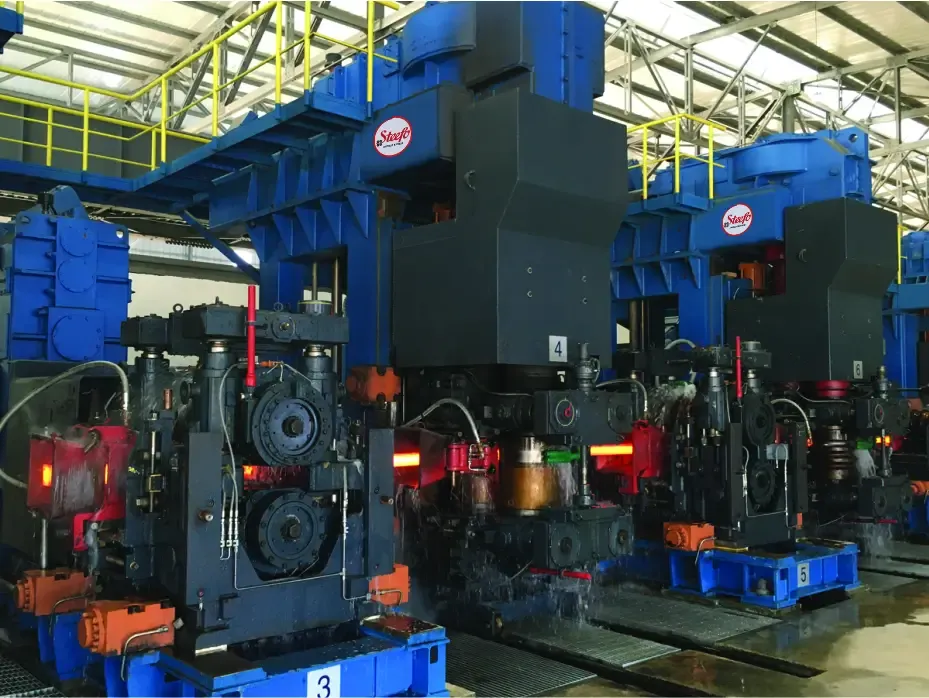
In the world of steel rolling mills, efficiency is everything. Every piece of equipment plays a crucial role in ensuring smooth operations, reduced wastage, and higher output. Among these, loopers are vital components that help maintain tension and regulate the speed of rolled products. Choosing the right looper system—vertical or horizontal—can significantly impact the productivity and performance of your rolling mill.
What Are Loopers in Rolling Mills?
Loopers are mechanical devices installed in rolling mills to control the tension of steel strips or bars as they pass through different stands. They create a “loop” of material, allowing better regulation of speed between two consecutive mill stands. This not only prevents material breakage but also enhances rolling precision, reduces downtime, and improves product quality.
In simple terms, loopers act as a buffer that balances speed variations during the rolling process. Without them, maintaining synchronization between stands would be extremely difficult.
Vertical Loopers in Rolling Mills
Vertical loopers are positioned upright and are commonly used in high-speed rolling mills. They lift the material vertically to create a loop.
Advantages of Vertical Loopers:
- Suitable for high-speed rolling operations.
- Effective tension control for thin or delicate materials.
- Ideal for long product rolling mills.
- Less space required compared to some horizontal systems.
Challenges with Vertical Loopers:
- More complex installation and maintenance.
- Requires precise alignment for consistent results.
- May not be suitable for all mill layouts.
Horizontal Loopers in Rolling Mills
Horizontal loopers, as the name suggests, create a loop on a horizontal plane. These are widely used in various rolling mills where material thickness and rolling speed differ.
Advantages of Horizontal Loopers:
- Easier installation and maintenance compared to vertical loopers.
- Effective for handling thicker materials.
- Provides stable control in mills with varied rolling speeds.
- Generally more robust and durable.
Challenges with Horizontal Loopers:
- Requires more floor space.
- May not be as efficient for extremely high-speed rolling operations.
Key Factors to Consider When Choosing a Looper
When deciding between vertical and horizontal loopers, rolling mill operators should evaluate:
- Type of Material – Thin strips may benefit from vertical loopers, while thicker bars often suit horizontal loopers.
- Rolling Speed – High-speed operations demand precise control, making vertical loopers a better fit.
- Mill Layout and Space Availability – Horizontal loopers need more space, while vertical ones are more compact.
- Maintenance and Operating Costs – Consider the ease of installation, upkeep, and long-term operational costs.
- Production Goals – If precision and speed are top priorities, vertical may be better. For heavy-duty, high-strength rolling, horizontal may be ideal.
Common Mistakes to Avoid When Selecting a Looper
- Ignoring mill layout: Not accounting for space constraints can lead to installation issues.
- Overlooking material specifications: Choosing a looper not suited for the product type reduces efficiency.
- Focusing only on cost: Cheaper equipment may increase long-term operational expenses.
- Neglecting maintenance requirements: Loopers need regular checks; ignoring this can cause frequent breakdowns.
Conclusion
Both vertical and horizontal loopers have their unique advantages and challenges. The right choice depends on your rolling mill’s layout, the type of products being processed, and your long-term efficiency goals. By carefully analyzing these factors, operators can ensure maximum productivity, minimal downtime, and higher quality output. Looking for expert guidance on choosing the right looper for your rolling mill in Ahmedabad? Contact our specialists today to ensure your mill runs at peak efficiency.

























Sign in to leave a comment.