
In today’s fast-paced digital economy, businesses are increasingly turning to remote asset management to streamline operations, safeguard investments, and maximize returns. Whether managing a fleet of vehicles, heavy machinery, IT infrastructure, or high-value equipment across global locations, the ability to monitor and control assets remotely has transformed how organizations operate. Below, we reveal the 10 must-know facts about remote asset management that every business leader, operations manager, and IT professional should understand.
1. Remote Asset Management Enhances Operational Efficiency
One of the biggest advantages of remote asset management systems is the ability to improve overall operational efficiency. By utilizing IoT sensors, GPS trackers, and cloud-based platforms, businesses can monitor asset performance in real time. This means reduced downtime, faster problem detection, and proactive maintenance scheduling. As a result, companies minimize costly disruptions and increase productivity.
2. Real-Time Monitoring Prevents Asset Loss and Theft
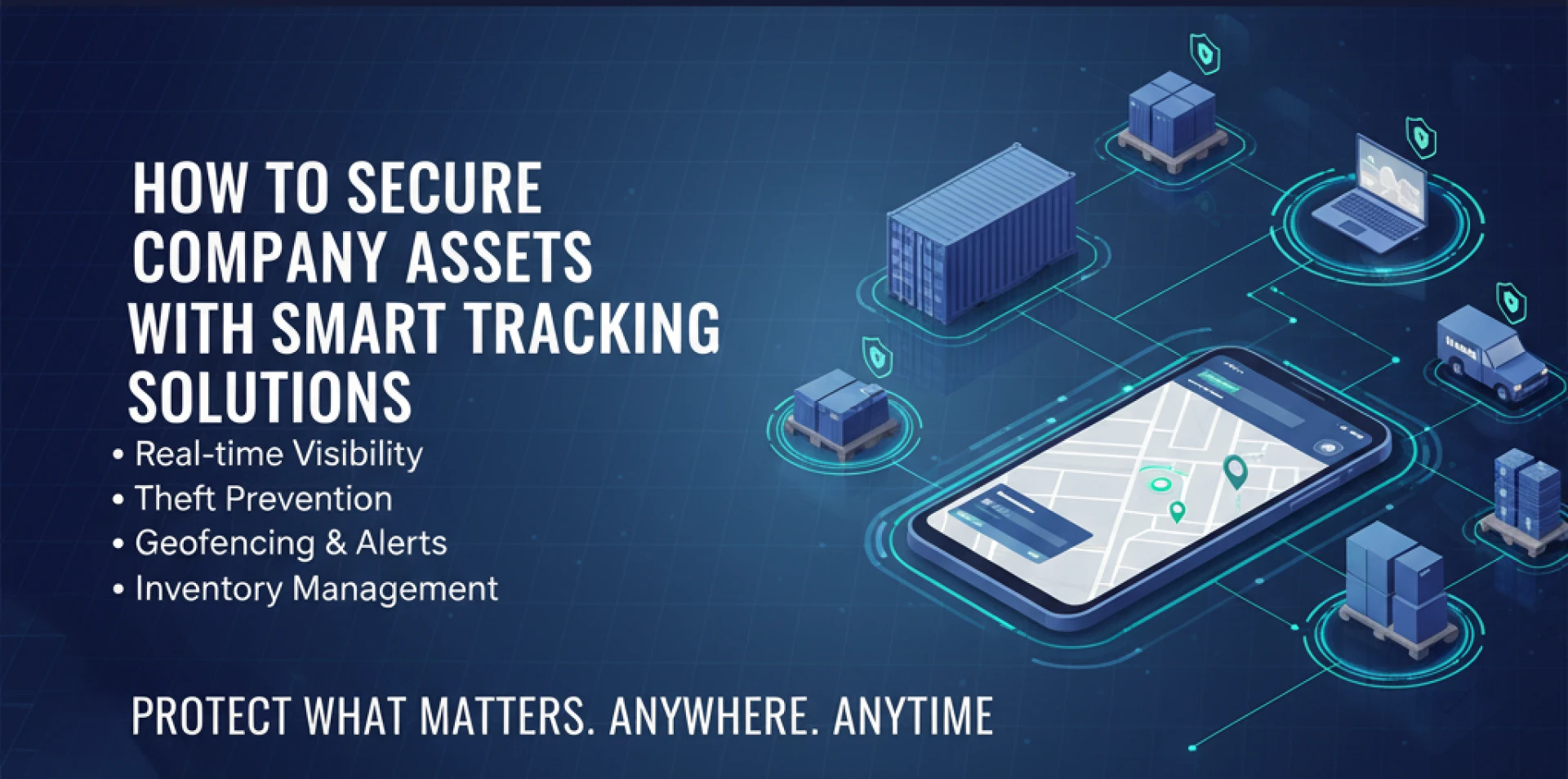
Organizations lose billions annually due to asset theft and misplacement. With advanced asset tracking solutions, businesses can track the exact location of their assets 24/7. Geo-fencing alerts, GPS monitoring, and remote locking features allow companies to prevent theft, misuse, and unauthorized access. This provides peace of mind while reducing insurance premiums and financial losses.
3. Predictive Maintenance Reduces Repair Costs
Instead of relying on manual checks or waiting for equipment to fail, predictive maintenance powered by remote asset management ensures that potential problems are identified early. IoT-enabled sensors track metrics such as temperature, vibration, and energy consumption. These insights enable teams to perform maintenance before a breakdown occurs, ultimately extending asset lifespan and reducing repair expenses.

4. Cloud-Based Asset Management Provides Scalability
Modern cloud-based remote asset management platforms allow businesses to scale their operations seamlessly. Unlike traditional systems that require heavy infrastructure, cloud platforms offer flexibility, remote accessibility, and cost-efficiency. Organizations with multiple locations benefit the most, as they can consolidate data across all sites into one unified dashboard, providing greater visibility and control.
5. Data-Driven Insights Improve Decision Making
Remote asset management goes beyond tracking—it delivers valuable analytics. By capturing and analyzing performance data, businesses can identify usage trends, optimize resource allocation, and forecast future demands. Decision-makers can also measure ROI on assets, helping them determine when to repair, replace, or upgrade equipment. These insights foster smarter financial planning and long-term sustainability.
6. IoT and AI Integration Power Remote Asset Management
The integration of Internet of Things (IoT) and Artificial Intelligence (AI) has revolutionized asset management. IoT sensors continuously collect real-time data, while AI algorithms analyze the information to detect anomalies, predict failures, and recommend improvements. AI-driven automation ensures faster responses, reduced human error, and more effective resource utilization.
7. Enhanced Compliance and Regulatory Management
Industries such as healthcare, construction, and transportation must comply with strict regulatory requirements. Remote asset management systems streamline compliance by automatically recording performance, maintenance, and safety data. This creates reliable audit trails, ensures adherence to legal standards, and reduces the risk of penalties. By digitizing compliance management, businesses save time and avoid costly mistakes.
8. Remote Access Improves Workforce Productivity
Remote asset management empowers teams to work efficiently, regardless of location. Field workers can access real-time asset data from mobile devices, reducing the need for manual reporting and unnecessary site visits. This remote accessibility not only increases workforce productivity but also lowers travel costs and accelerates problem resolution.
9. Sustainability and Environmental Impact Reduction
By optimizing energy use, reducing fuel consumption, and minimizing waste, remote asset management contributes to sustainability goals. Predictive maintenance prevents unnecessary part replacements, while monitoring systems ensure assets operate at maximum efficiency. Companies adopting these solutions not only cut operational costs but also demonstrate corporate responsibility toward environmental conservation.
10. Remote Asset Management is Future-Ready
As technology evolves, remote asset management solutions continue to adapt. Emerging technologies such as blockchain, 5G connectivity, and digital twins are expanding the possibilities of asset tracking and monitoring. Businesses investing in remote asset management today are preparing for a future-proof digital transformation, ensuring long-term competitiveness in an increasingly connected world.
Conclusion
Remote asset management is no longer a luxury—it is a necessity for businesses seeking efficiency, security, and sustainability. From real-time monitoring and predictive maintenance to cloud-based scalability and AI integration, these systems provide a strategic advantage that helps organizations stay competitive in a dynamic market. By adopting remote asset management solutions, companies can safeguard their investments, enhance compliance, and future-proof their operations.
























Sign in to leave a comment.