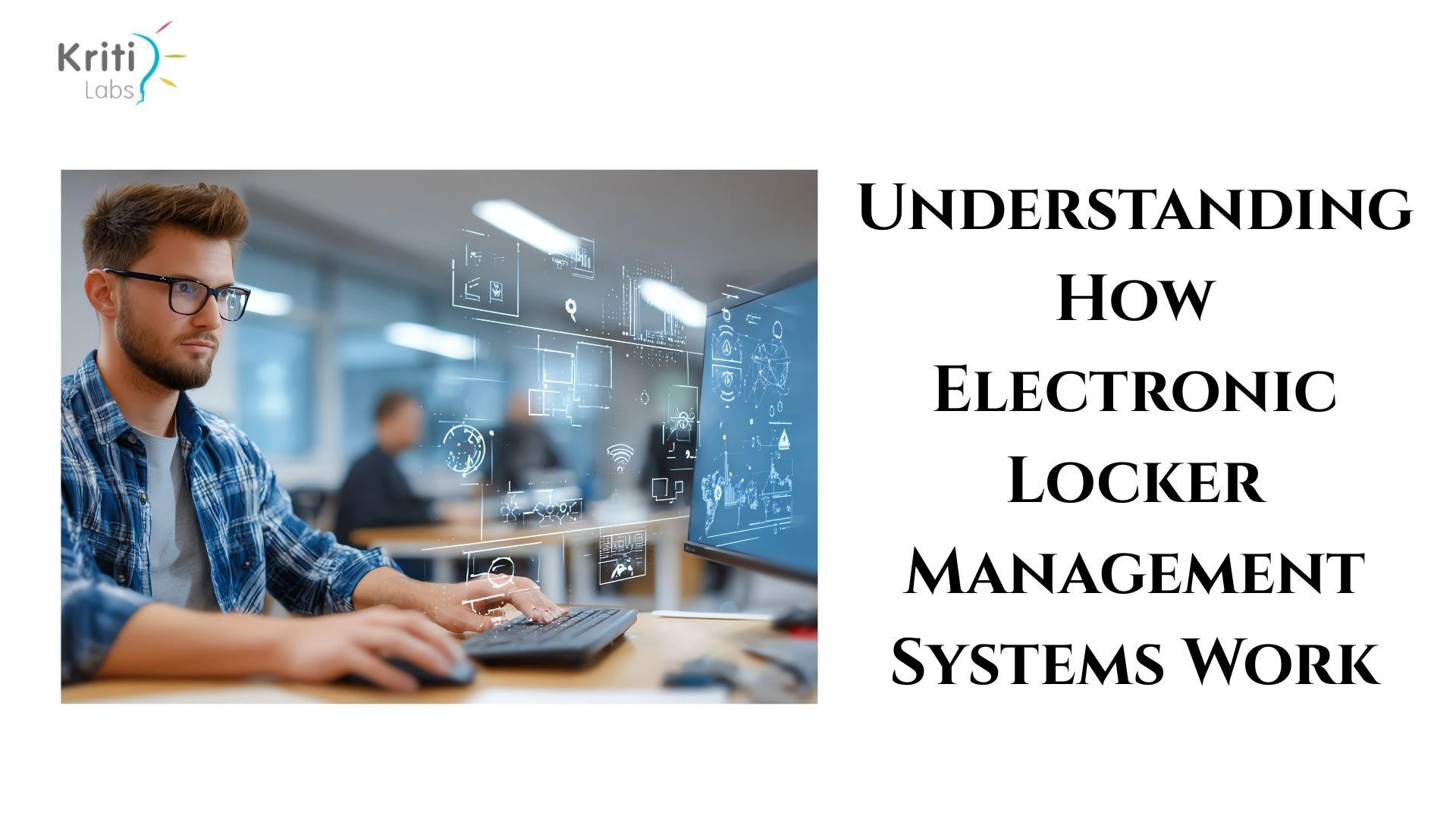

In today’s fast-paced world, the demand for secure, efficient, and technology-driven storage solutions is higher than ever. Whether in corporate offices, educational institutions, gyms, or logistics hubs, the electronic locker management system has become a transformative solution that streamlines operations, enhances security, and improves user experience. By integrating advanced software and hardware, these systems redefine the way we access, monitor, and control personal or organizational storage.
What Is an Electronic Locker Management System?
An electronic locker management system is an automated solution that leverages digital technology to manage lockers through centralized software and electronic locks. Unlike traditional lockers that rely on mechanical keys, these systems use RFID cards, PIN codes, biometrics, or mobile apps to grant access. This eliminates the risks of lost keys and unauthorized entry while providing real-time visibility into locker usage.
Key features typically include:
- Centralized software platform for monitoring locker usage.
- Smart authentication methods such as PIN, RFID, QR code, or biometrics.
- Customizable access rights based on user roles.
- Audit trails and reports for tracking locker activity.
- Integration with existing enterprise systems such as HR software or facility management platforms.
How Do Electronic Locker Management Systems Work?
At the heart of every system lies a combination of intelligent hardware and advanced software. The process is simple yet highly secure:
1. User Authentication
A user is assigned a locker through a digital credential—be it a smart card, biometric scan, or mobile app login. This ensures only authorized individuals can access the locker.
2. System Validation
The central software validates the credential against stored data. Access permissions can be time-bound, role-specific, or dynamically assigned.
3. Locker Access
Once authenticated, the electronic lock disengages, allowing the user to open the locker. Many modern systems even allow touchless access via smartphone apps or QR codes.
4. Usage Monitoring
Every activity is recorded in the system, providing an audit trail that administrators can access in real time. This enables higher accountability and reduces theft or misuse.
5. Remote Management
Facility managers can assign, revoke, or reconfigure lockers remotely, cutting down on manual intervention and improving efficiency.
Core Components of an Electronic Locker Management System
1. Electronic Locks
These are the backbone of the system, designed for durability and security. They come in variations such as RFID-enabled locks, digital keypad locks, and biometric locks.
2. User Interface Devices
Depending on the system, users may interact via touchscreen kiosks, mobile apps, or contactless readers. This ensures convenience and accessibility.
3. Central Management Software
The software enables administrators to manage lockers in bulk. With features like real-time alerts, remote configuration, and reporting dashboards, it provides complete control.
4. Connectivity and Integration Tools
Modern locker systems often integrate with enterprise IT infrastructure, access control systems, and IoT platforms. Connectivity options include Wi-Fi, Bluetooth, or wired networks.
Benefits of Using an Electronic Locker Management System
Enhanced Security
Traditional keys can be copied, lost, or stolen. Electronic systems, however, provide multi-layered authentication methods that drastically minimize risks.
Operational Efficiency
Organizations save time and resources by automating locker assignment, reducing manual supervision, and allowing users to self-serve.
Flexibility and Scalability
Lockers can be configured for short-term, long-term, or shared use, depending on the organization’s needs. The system scales easily as operations expand.
Data-Driven Insights
Every transaction is logged, offering administrators valuable data on usage trends, peak times, and locker turnover. This supports better planning and optimization.
Contactless Convenience
In the era of hygiene-conscious environments, contactless access using mobile phones or QR codes enhances safety and user satisfaction.
Applications Across Industries
Corporate Offices
Employees can use lockers for personal storage, with access linked directly to their employee ID or company app. This reduces administrative overhead and ensures security.
Educational Institutions
Schools and universities benefit from automated locker assignments, eliminating disputes and enabling efficient locker rotation schedules.
Healthcare Facilities
Medical staff can store personal belongings or equipment securely, while administrators track usage for compliance and accountability.
Logistics and E-commerce
Parcel delivery lockers powered by electronic management systems ensure 24/7 pickup and drop-off services, reducing last-mile delivery challenges.
Gyms and Fitness Centers
Members can access lockers using membership credentials, ensuring seamless and secure storage of valuables during workouts.
Future Trends in Electronic Locker Management Systems
The evolution of locker management is far from over. Several emerging trends are shaping the future:
- IoT-Enabled Lockers: Integration with IoT devices allows predictive maintenance and real-time monitoring.
- AI and Machine Learning: Systems will soon adapt locker allocation based on user behavior and demand patterns.
- Blockchain for Security: Immutable records of access and usage may soon be stored on blockchain for enhanced transparency.
- Green Energy Solutions: Solar-powered lockers and energy-efficient hardware are on the rise.
- Cloud-Based Platforms: Remote, cloud-driven locker management enhances scalability and cross-location control.
Choosing the Right Electronic Locker Management System
When selecting a system, organizations must consider factors such as:
- Authentication options (RFID, biometrics, mobile apps).
- Integration capabilities with HR, security, or IT systems.
- Ease of use for both administrators and end-users.
- Scalability to support organizational growth.
- Vendor reliability and support services.
A thorough needs analysis will ensure that the chosen system aligns with both current requirements and future scalability.
Conclusion
An electronic locker management system is more than just a storage solution; it’s a powerful tool that combines technology, security, and efficiency to transform how organizations manage personal and operational storage. With applications spanning industries and innovations continuing to emerge, these systems are set to become a standard feature in modern infrastructure. By adopting such a system, businesses not only enhance security but also pave the way for smarter, data-driven operations.
























Sign in to leave a comment.