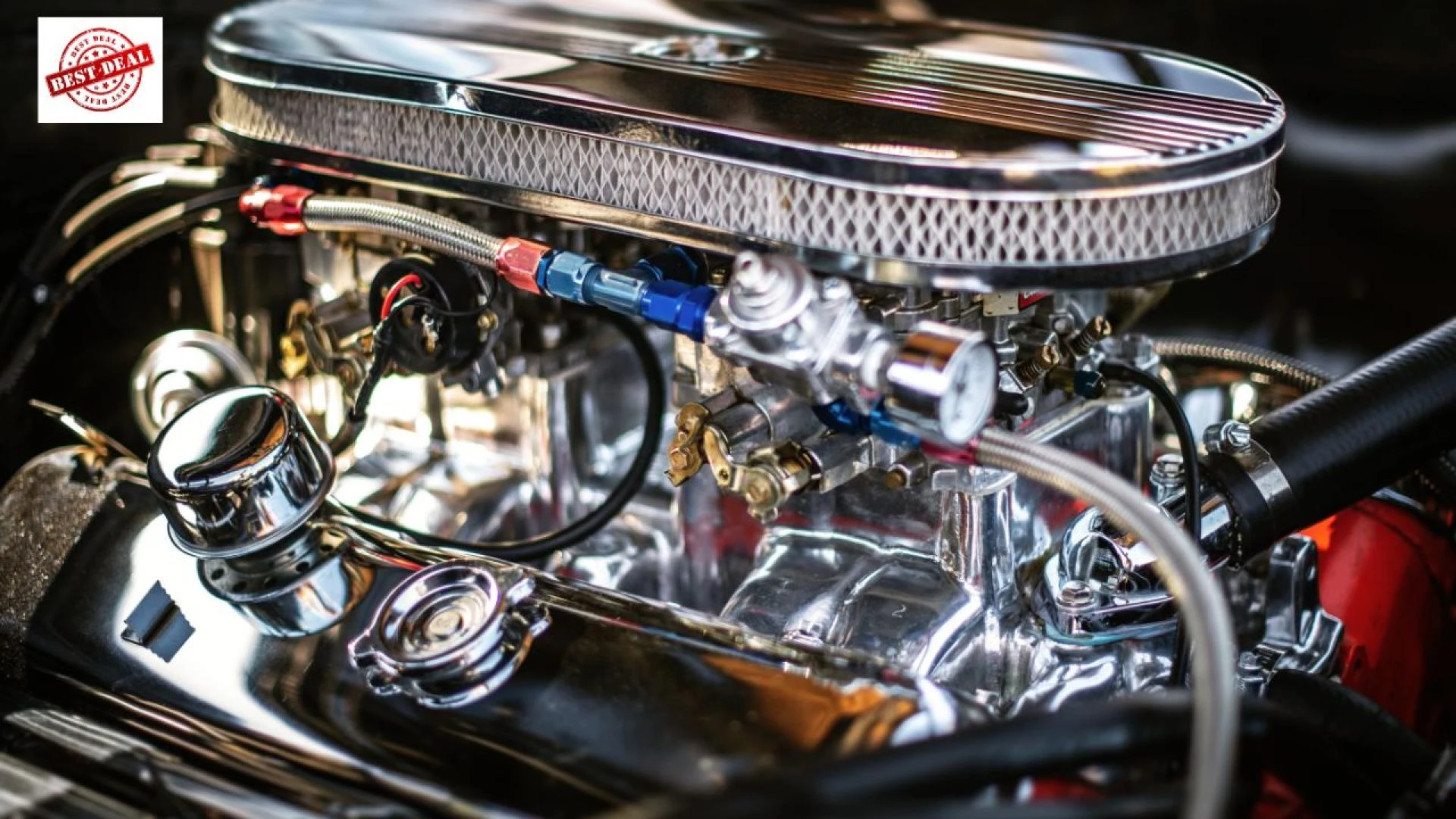

Your car’s engine is the heart of your vehicle, a powerful system that keeps everything running smoothly. But just like any hardworking machine, it collects dirt, grime, and oil residue over time. These layers of buildup don’t just look bad; they can trap heat, cause corrosion, and reduce your engine’s efficiency. That’s where a quality Engine Degreaser comes in, a simple yet highly effective solution that restores your engine’s cleanliness and performance.
At Nasa Autocare, we believe that professional maintenance begins with proper cleaning. In this article, we’ll explain what an engine degreaser is, why it’s so important, and how it forms a key part of our auto care services to keep your vehicle in peak condition.
What Is an Engine Degreaser?
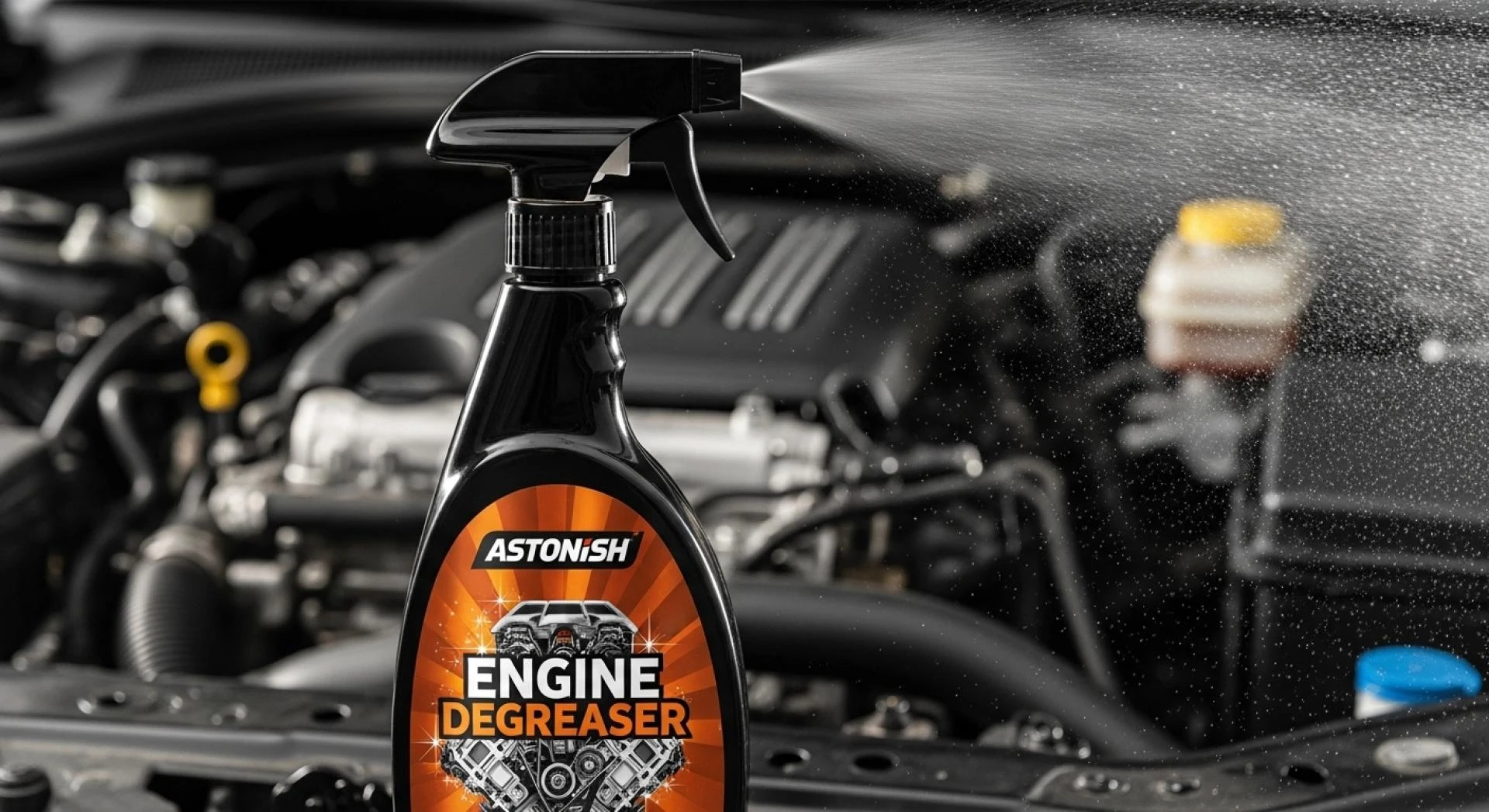
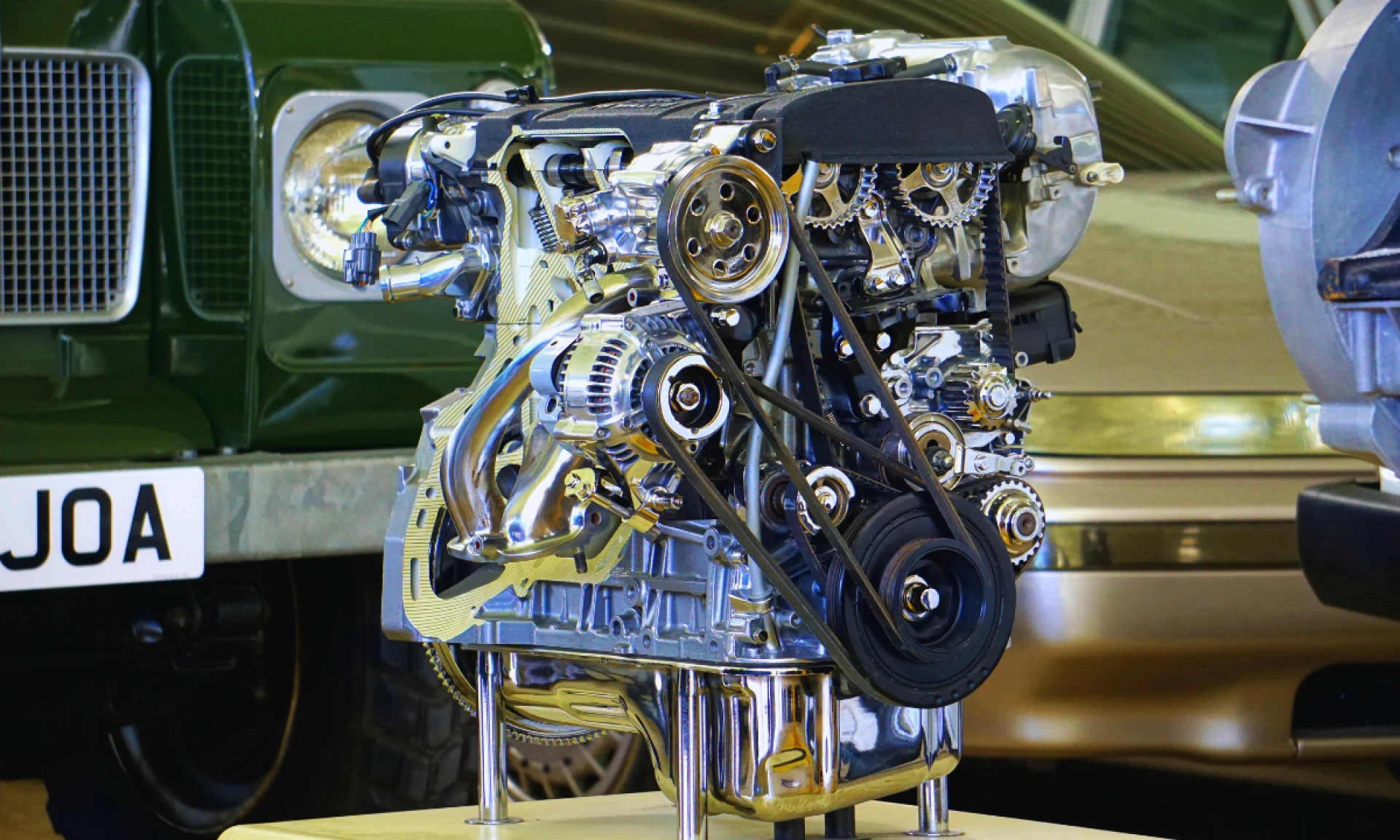
An Engine Degreaser is a powerful cleaning solution designed to remove oil, grease, dirt, and grime from your engine and its components. Over time, dust and leaked oil combine to create a sticky layer that can affect your engine’s cooling efficiency and overall appearance. Degreasers break down these tough residues, making them easy to wipe or rinse away.
They come in different formulations, solvent-based, water-based, or foam-type sprays. Each type is created to target specific levels of buildup and different materials under the hood. Regular cleaning with a safe engine degreaser helps maintain your car’s efficiency, improves performance, and extends the life of various parts.
Why Cleaning Your Engine Matters
Many car owners focus on exterior washing and polishing, but few realize how important engine cleaning is. Your engine operates in a high-temperature environment where oil leaks, dirt, and dust naturally collect. Ignoring this can lead to:
- Reduced engine cooling efficiency.
- Shortened lifespan of rubber and plastic components.
- Increased risk of fire due to oil-soaked surfaces.
- Poor performance caused by heat retention and grime buildup.
A clean engine not only performs better but also makes it easier for technicians to spot leaks or worn parts during maintenance.
10 Powerful Benefits of Using Engine Degreaser
1. Improves Engine Cooling
Grease and dirt act as insulators that trap heat. Removing them allows your engine to dissipate heat efficiently, preventing overheating.
2. Prevents Corrosion
Degreasers clean away oil and road grime that can cause rust and corrosion on metal surfaces, especially around bolts and brackets.
3. Enhances Engine Performance
A clean engine runs smoother and more efficiently because its components can move freely without obstruction or grime buildup.
4. Makes Leak Detection Easier
With a clean surface, it’s easy to spot fresh oil leaks or coolant drips. This helps in identifying small issues before they turn into major repairs.
5. Reduces Fire Hazards
Oil and grease are flammable. Cleaning them off reduces the risk of fire under the hood, especially in high-heat environments.
6. Extends Component Lifespan
Degreasing protects belts, hoses, and seals from early wear caused by contact with engine oil and debris.
7. Improves Overall Vehicle Appearance
A clean engine bay looks professional and adds to your car’s resale value, showing potential buyers that it’s well-maintained.
8. Boosts Fuel Efficiency
When your engine runs cooler and cleaner, it operates more efficiently, which can lead to improved fuel economy.
9. Helps with Professional Maintenance
Auto technicians prefer working on clean engines, as it makes servicing easier and more accurate.
10. Provides Long-Term Cost Savings
Regular engine degreasing prevents buildup-related damage, saving you from costly engine repairs in the future.
How Engine Degreasers Work
Engine degreasers contain active cleaning agents that break down hydrocarbons — the main compounds found in oils and grease. Once sprayed, the chemicals lift dirt and grime from metal and plastic surfaces. After a short dwell time, you can rinse or wipe away the loosened buildup, leaving behind a spotless engine bay.
Water-based degreasers are generally safer for modern engines and are eco-friendly, while solvent-based degreasers are stronger and better suited for heavily soiled engines. Choosing the right type depends on your vehicle’s condition and the level of cleaning required.
How to Use an Engine Degreaser (Step-by-Step Guide)
Cleaning your engine can be simple if you follow the proper steps. Here’s how you can do it safely:
- Cool the Engine – Never spray degreaser on a hot engine. Allow it to cool down completely.
- Cover Sensitive Parts – Use plastic or waterproof covers to protect electrical components, air filters, and sensors.
- Apply the Degreaser – Spray the engine evenly, focusing on areas with heavy oil buildup.
- Let It Sit – Allow the degreaser to work for 5–10 minutes so it can dissolve grease effectively.
- Scrub If Needed – Use a soft brush to gently scrub stubborn areas.
- Rinse Carefully – Use low-pressure water to rinse off the degreaser and loosened grime.
- Dry the Engine – Wipe with a clean cloth or let the engine air dry before starting the car.
Signs That Your Engine Needs Degreasing
Your car may be telling you it’s time for an engine cleaning. Look out for these signs:
- Persistent burning smell after driving.
- Visible oil stains or buildup on engine parts.
- Overheating despite proper coolant levels.
- Frequent smoke from the engine bay.
- Reduced overall performance or fuel efficiency.
If any of these symptoms appear, a professional engine degreasing service is recommended.
Professional Auto Care Services for Engine Degreasing
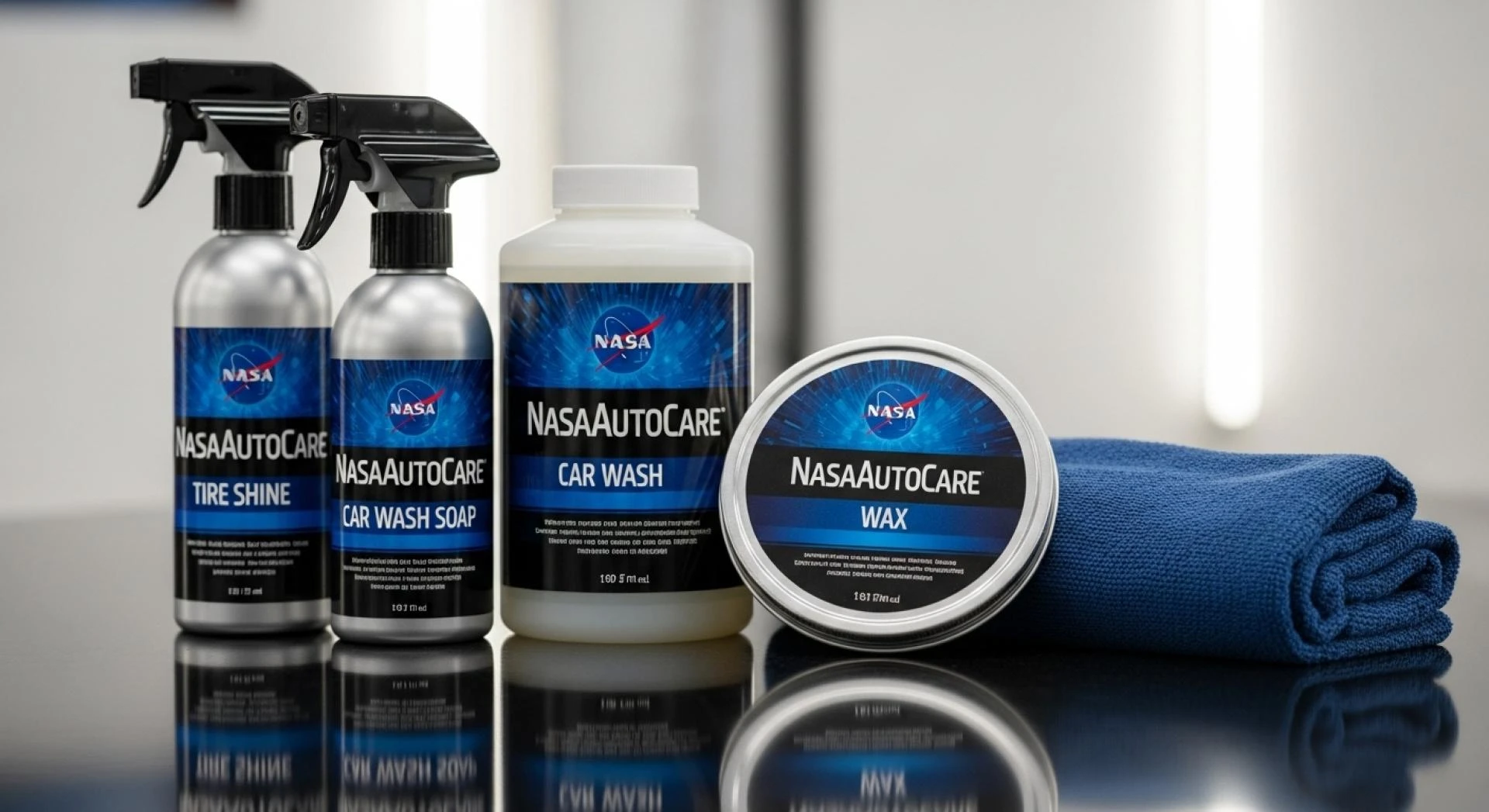
At Nasa Autocare, our auto care experts specialize in thorough engine cleaning and degreasing services using safe, high-performance products. We ensure that every part of your engine bay is cleaned without causing damage to electrical components or seals.
Our Auto Care Services include:
- Comprehensive engine inspection before cleaning.
- Safe degreasing process using eco-friendly and non-corrosive products.
- Engine detailing to give your vehicle a professional finish.
- Leak and component check post-cleaning to ensure optimal engine health.
We prioritize both performance and safety, ensuring your engine not only looks clean but also functions flawlessly after each service.
How Often Should You Degrease Your Engine?
For most vehicles, a professional degreasing every 6 to 12 months is ideal. However, if you drive in dusty, muddy, or oily conditions—or experience frequent oil leaks—more frequent cleaning may be necessary.
Maintaining a clean engine bay helps your car perform better and makes it easier to identify potential issues during inspections.
Choosing the Right Engine Degreaser
When selecting an engine degreaser, consider these factors:
- Formulation: Water-based degreasers are safer and eco-friendly, while solvent-based ones offer deep cleaning for tough buildup.
- Surface compatibility: Ensure the degreaser is safe for aluminum, rubber, and plastic parts.
- Ease of use: Spray bottles or foam-based products provide better coverage.
- Residue-free cleaning: Choose one that doesn’t leave an oily film behind.
If you’re unsure which product suits your vehicle best, professional guidance from Nasa Autocare can help.
Eco-Friendly Degreasing Solutions
Modern automotive care is moving toward eco-friendly cleaning solutions. Many top-quality degreasers today are biodegradable and non-toxic, offering powerful cleaning performance without harming the environment.
At Nasa Autocare, we use environmentally responsible products that deliver superior cleaning results while ensuring your safety and the planet’s well-being.
Mistakes to Avoid When Using Engine Degreaser
Even though engine degreasing is straightforward, a few common mistakes can cause problems if not handled carefully:
- Spraying degreaser on a hot engine.
- Using household cleaners instead of automotive products.
- Forgetting to cover sensitive electrical components.
- Leaving degreaser on too long, which can damage finishes.
- Using high-pressure water that may force moisture into electronics.
Following the right techniques ensures safe and effective cleaning every time.
Final Thoughts
Keeping your engine clean with a reliable Engine Degreaser is an essential part of proper vehicle care. It enhances your car’s performance, improves cooling, and prevents long-term damage from grime and corrosion. Whether you’re maintaining your own vehicle or want a professional touch, regular engine cleaning is a must for anyone who values their car’s performance and longevity.
At Nasa Autocare, we take pride in offering top-tier engine cleaning and maintenance services that go beyond the surface, ensuring your engine stays powerful, clean, and efficient.
FAQs
Q1. How often should I use an engine degreaser?
It’s recommended to clean your engine every 6–12 months, or more often if you drive in dirty or oily environments.
Q2. Can I use any household cleaner as a degreaser?
No, household cleaners aren’t formulated for engine use and can damage components. Always use an automotive-grade degreaser.
Q3. Is it safe to wash my engine with water?
Yes, but only after covering electrical parts and using low-pressure water. High pressure can damage sensors and wiring.
Q4. Does degreasing affect engine performance?
Yes, cleaning helps your engine run cooler and more efficiently by removing buildup that traps heat and hinders performance.
Q5. Should I get my engine professionally degreased?
Absolutely. Professional services ensure safe cleaning, thorough inspection, and long-lasting results without any risk to your engine.





















Sign in to leave a comment.