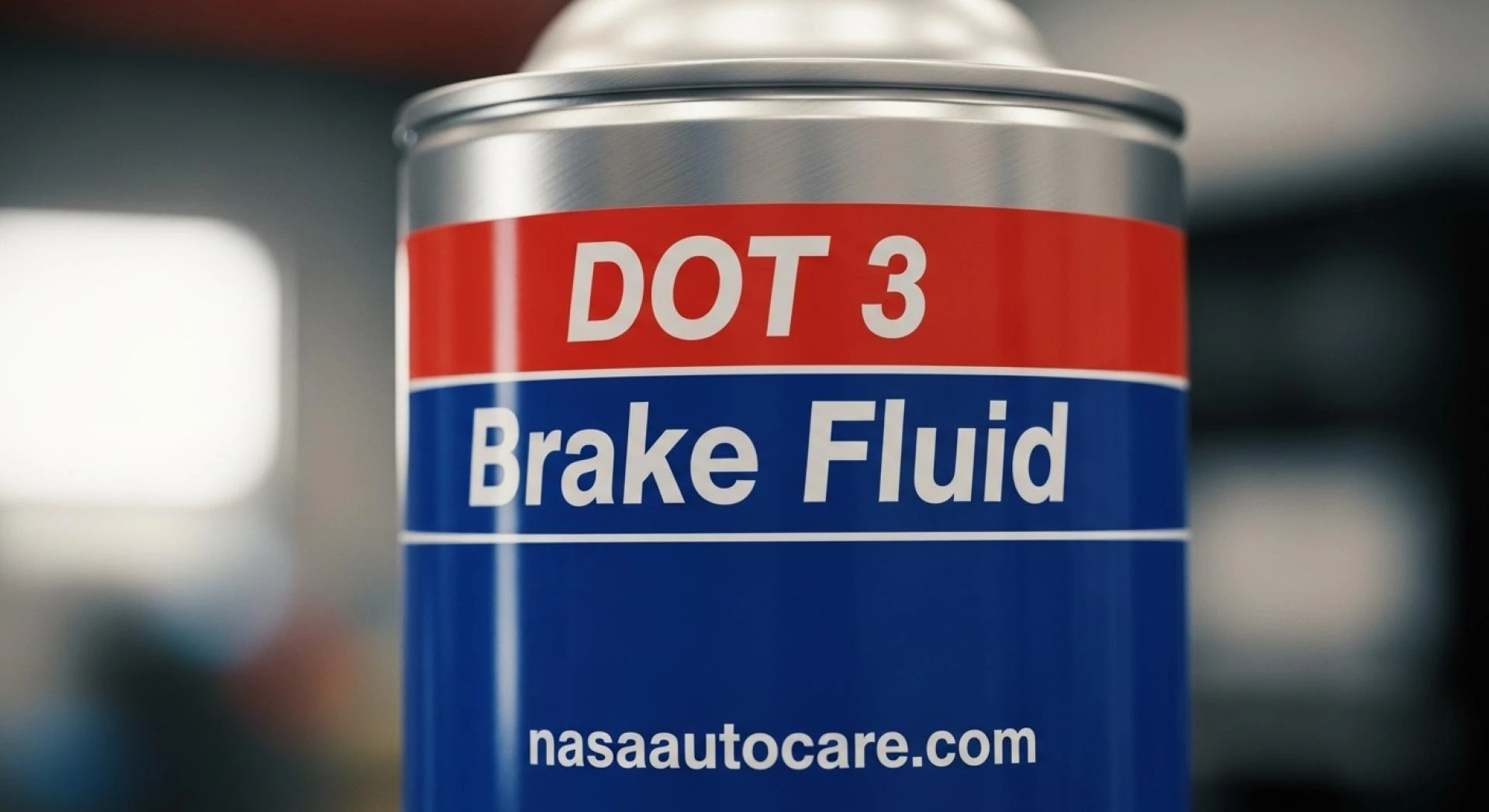

When it comes to your vehicle’s safety, nothing is more vital than an efficient braking system. Whether you’re driving a car, riding a bike, or operating a bus, DOT 3 brake fluid plays a crucial role in maintaining reliable stopping power. It ensures smooth hydraulic pressure transfer from the brake pedal to the wheel brakes, giving you precise control and immediate response.
At Nasa Autocare, we’ve seen how the right brake fluid not only enhances performance but also extends the life of your braking system. Understanding what makes DOT 3 special helps drivers choose wisely and ensure maximum safety on every road.
What Is DOT 3 Brake Fluid?
DOT 3 brake fluid is a glycol-based hydraulic fluid used in most vehicles’ braking systems. It’s designed to operate effectively under high temperatures and pressures, ensuring consistent braking performance. The term “DOT” stands for the U.S. Department of Transportation, which regulates brake fluid standards.
This fluid transfers the force you apply on the brake pedal into actual braking power by pushing against the brake components. Its high boiling point makes it reliable for both everyday driving and heavy-duty vehicle applications.
Why DOT 3 Brake Fluid Matters for Safety
Brake fluid is the lifeblood of your braking system. Without it, the brakes cannot function properly. When you press the brake pedal, DOT 3 brake fluid transmits hydraulic pressure to the calipers or wheel cylinders, applying force to the brake pads or shoes.
Because of its unique formulation, DOT 3 maintains performance across different temperatures. This makes it ideal for all types of vehicles, from motorcycles and cars to heavy buses. It prevents brake fade, ensures smooth braking, and minimizes the risk of failure during emergencies.
Properties of High-Quality DOT 3 Brake Fluid
1. High Boiling Point
The boiling point determines how well a brake fluid performs under heat. DOT 3 brake fluid has a dry boiling point of around 205°C and a wet boiling point of approximately 140°C. These high temperatures ensure consistent performance even under stressful driving conditions.
2. Compatibility
DOT 3 is compatible with most brake systems, making it a versatile choice. It works well in vehicles equipped with disc or drum brakes, which are commonly found in bikes, cars, and buses.
3. Corrosion Resistance
One of the major functions of DOT 3 brake fluid is to protect internal brake components from corrosion. Quality fluids contain inhibitors that prevent rust, ensuring the brake lines and cylinders remain clean and functional.
4. Smooth Operation
DOT 3 ensures smooth hydraulic movement without causing lag or inconsistency in brake pedal feel. This guarantees immediate braking response, an essential factor in safe driving.
Difference Between DOT 3, DOT 4, and DOT 5 Fluids
While DOT 3 is the most commonly used, it’s often compared to other brake fluid types:
- DOT 4 Brake Fluid: Has a higher boiling point and offers slightly better moisture resistance, but is more expensive and may require frequent changes in some climates.
- DOT 5 Brake Fluid: Silicone-based and not compatible with DOT 3 or DOT 4 systems. It’s mainly used in military or classic vehicles due to its non-hygroscopic nature.
For most cars, bikes, and buses in Pakistan, DOT 3 brake fluid provides the perfect balance between affordability, reliability, and performance.
How DOT 3 Brake Fluid Works in Auto, Bike, and Bus Systems
1. In Cars
In automotive systems, DOT 3 ensures the brakes engage smoothly and safely, regardless of road conditions. It maintains consistent braking during city traffic and long-distance drives.
2. In Bikes
Motorcycle braking systems require fast response and lightweight performance. DOT 3 fluid ensures quick pressure transfer for smooth and controlled stopping, which is vital for riders’ safety.
3. In Buses and Heavy Vehicles
Buses and heavy-duty vehicles face extreme braking conditions due to their weight and frequent stops. DOT 3 provides steady hydraulic pressure and prevents vapor lock, ensuring brakes don’t fail during long drives.
When Should You Replace DOT 3 Brake Fluid?
Over time, DOT 3 brake fluid absorbs moisture from the air, reducing its boiling point and performance. This process, known as hygroscopic absorption, can lead to brake fade or system failure if ignored.
Signs You Need to Change Brake Fluid:
- The brake pedal feels soft or spongy.
- Braking response takes longer.
- Brake warning light appears.
- The fluid looks dark or murky in the reservoir.
Experts recommend changing DOT 3 brake fluid every 2 years or every 40,000 km, depending on driving conditions.
The Importance of Regular Brake Fluid Maintenance
Regular maintenance ensures that your braking system remains efficient and safe. Neglecting brake fluid replacement can cause corrosion, air buildup, or even total brake failure.
At Nasa Autocare, our professionals inspect and replace brake fluids using advanced methods to ensure your vehicle performs safely under all conditions. We use only certified DOT fluids that meet or exceed manufacturer standards.
How to Check Your Brake Fluid Level
Checking your brake fluid is simple and can be done at home:
- Open the car’s hood and locate the brake fluid reservoir (usually near the back of the engine).
- Observe the fluid level; it should be between the “MIN” and “MAX” marks.
- Inspect the color; clean fluid is clear to light amber, while old fluid looks dark.
- Never mix DOT 3 with other types unless specified in your vehicle manual.
If levels are low or the color is dark, it’s time for a professional check at Nasa Autocare.
Benefits of Using DOT 3 Brake Fluid
1. Enhanced Safety
DOT 3 ensures smooth and reliable braking even during emergencies, reducing the chances of accidents.
2. Temperature Stability
It maintains viscosity under both hot and cold conditions, making it suitable for Pakistan’s varying climate.
3. Reduced Maintenance Costs
Using high-quality DOT 3 brake fluid helps avoid costly repairs caused by corrosion or fluid contamination.
4. Better Control and Comfort
Smooth pedal operation provides better handling and comfort, especially in stop-and-go traffic.
5. Long-Lasting Components
The anti-corrosion additives protect brake parts, ensuring longer component life.
Environmental Considerations
Proper disposal of used brake fluid is crucial for environmental protection. DOT 3 is a glycol-based fluid and should never be poured into drains or soil. Instead, it should be taken to an authorized recycling or disposal center, something Nasa Autocare can assist you with during service.
How NASA Autocare Helps with Brake System Maintenance
At Nasa Autocare, we don’t just replace fluids; we perform a complete brake system inspection. Our team ensures that your master cylinder, brake pads, lines, and calipers are in excellent condition. Using the correct DOT 3 brake fluid, we ensure your vehicle operates smoothly and safely on every journey.
Whether it’s a bike, car, or bus, we handle every service with precision and care. We focus on high-quality fluids that meet the strictest performance standards to ensure long-term reliability and safety.
Tips for Maintaining Brake System Health
- Always use the recommended type of brake fluid.
- Avoid overfilling the reservoir.
- Replace fluid regularly to prevent moisture buildup.
- Inspect the brake system during every oil change.
- Get professional servicing to detect leaks early.
A well-maintained braking system can save lives and keep your vehicle running efficiently for years.
Frequently Asked Questions (FAQ)
1. What is DOT 3 brake fluid used for?
DOT 3 is used in hydraulic brake and clutch systems for cars, bikes, and buses. It ensures smooth and responsive braking.
2. Can I mix DOT 3 and DOT 4 brake fluid?
Although it’s possible, it’s not recommended as their compositions differ. Mixing may affect performance.
3. How often should I change DOT 3 brake fluid?
Every 2 years or after 40,000 km, depending on usage and driving conditions.
4. What happens if brake fluid levels drop too low?
Low brake fluid can cause brake failure, reduced stopping power, and air in the brake lines.
5. Is DOT 3 suitable for all vehicles?
Yes, most cars, bikes, and buses are designed for DOT 3 or DOT 4 fluids, but always check the manufacturer’s manual.
6. Can old brake fluid damage my system?
Yes. Old or contaminated fluid can corrode parts, leading to costly repairs and unsafe driving.
7. Where can I get DOT 3 brake fluid service?
You can visit Nasa Autocare, where experts use top-quality DOT 3 fluid and ensure your braking system performs perfectly.
Conclusion
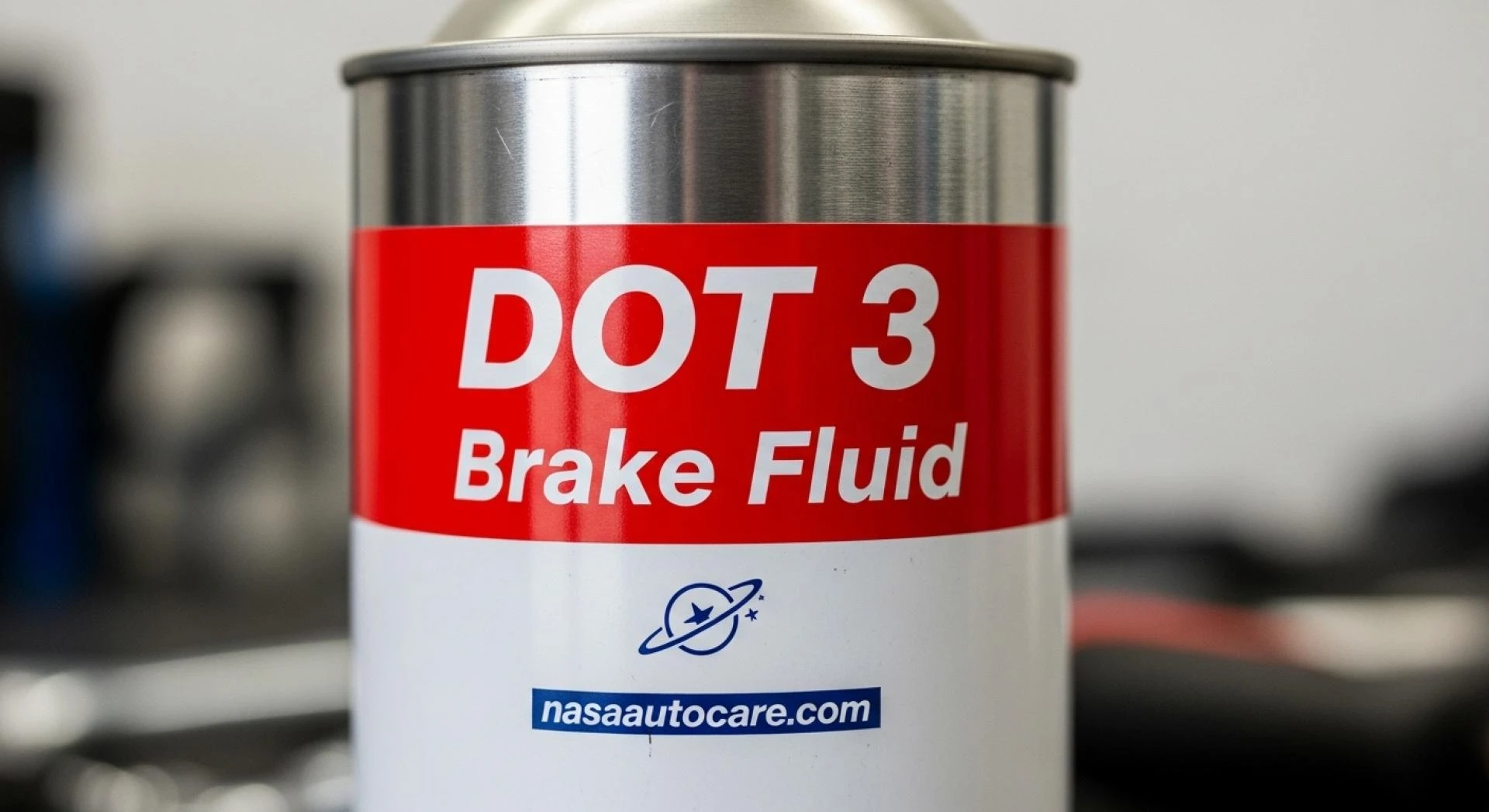
Your braking system is the heart of your vehicle’s safety, and DOT 3 brake fluid keeps that heart beating strong. It provides the reliability, performance, and consistency needed for safe driving in all conditions.
By choosing high-quality DOT 3 fluid and maintaining regular service intervals, you ensure smoother braking, longer component life, and peace of mind on the road.
At Nasa Autocare, we believe that good maintenance equals great performance. Whether it’s a bike, car, or bus, trust our professionals to deliver superior service and keep your brakes ready for any challenge.























Sign in to leave a comment.