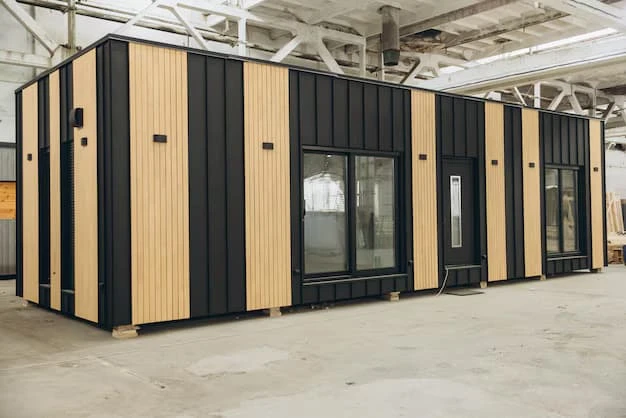

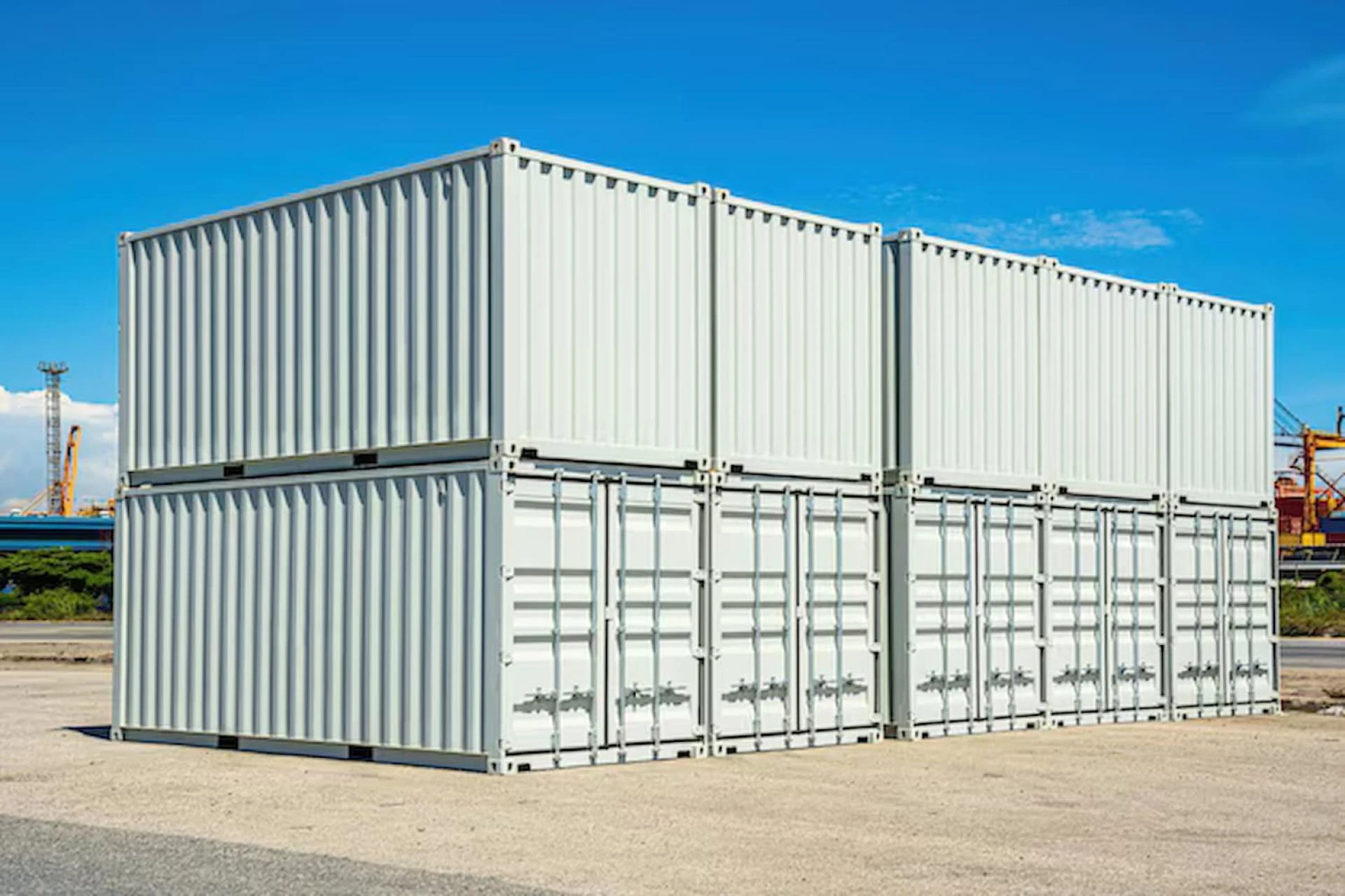
The concept of containerised workspace has rapidly evolved from a simple solution for temporary office needs to a versatile and innovative approach to space management across various sectors. These adaptable units are not just a trend; they represent a significant shift in how businesses and organizations approach workspace design and functionality. By strategically utilizing repurposed shipping containers, industries can enhance operational efficiency, foster collaboration, and address the growing demand for flexible work environments. Below, we explore ten unique applications of containerised workspaces, illustrating their impact across different fields.
1. Construction Sites: Enhancing Efficiency and Safety
In the construction industry, time is of the essence. Containerised workspaces offer a practical solution by serving as on-site offices, break rooms, and storage units. These portable structures can be easily transported to various locations, providing essential amenities for workers without the need for permanent construction. They create a dedicated space for project managers to oversee operations, ensuring that tasks are completed efficiently and safely. Furthermore, having a designated area for meetings and administrative work minimizes distractions, allowing teams to focus on their objectives and meet tight deadlines.
2. Educational Institutions: Innovative Learning Environments
Educational institutions are increasingly finding value in containerised workspaces, particularly as the demand for flexible learning environments grows. Schools and universities can utilize these units as classrooms, laboratories, or creative spaces for extracurricular activities. The modular nature of containerised workspaces allows for easy customization to suit various subjects, accommodating everything from science experiments to art classes. Additionally, they can be deployed as temporary facilities during refurbishments or expansions, ensuring that educational activities continue without interruption.
3. Healthcare Facilities: Expanding Patient Care Options
In the healthcare sector, containerised workspaces are proving invaluable in addressing space constraints and enhancing patient care. These structures can be transformed into mobile clinics, vaccination centers, or even temporary hospitals during public health emergencies. By providing essential medical services in a familiar and accessible environment, containerised workspaces can help alleviate the burden on traditional healthcare facilities. Moreover, their mobility allows for rapid deployment in areas affected by natural disasters, ensuring that medical assistance reaches those in need promptly.
4. Remote Work Solutions: Flexibility in the Digital Age
The rise of remote work has prompted businesses to reconsider their office setups. Containerised workspaces provide a unique solution for companies seeking to maintain a physical presence while accommodating a dispersed workforce. These units can serve as remote offices, allowing employees to work in a comfortable and distraction-free environment. Equipped with modern technology and amenities, containerised workspaces foster productivity and collaboration, making them an ideal choice for organizations navigating the challenges of remote work.
5. Retail Pop-Up Shops: Experimenting with New Markets
The retail landscape is constantly evolving, and businesses are exploring innovative ways to engage customers. Containerised workspaces have emerged as a popular choice for pop-up shops, offering a flexible and eye-catching way to showcase products. Retailers can easily set up these units in high-traffic areas, allowing them to test new markets or launch limited-time offers without the commitment of a permanent storefront. The distinctive aesthetic of containerised spaces also attracts attention, making them an excellent marketing tool for brands looking to stand out in a competitive market.
6. Event Spaces: Versatile Venues for Every Occasion
Containerised workspaces can be transformed into unique event venues, catering to a wide range of occasions from corporate gatherings to weddings. Their adaptability allows organizers to create customized environments that align with the event's theme and objectives. With the ability to add amenities such as heating, cooling, and lighting, containerised spaces can provide a comfortable atmosphere for guests. Furthermore, their mobility allows for easy relocation, making them an ideal choice for outdoor festivals or temporary exhibitions.
7. Agricultural Innovations: Supporting Sustainable Farming
The agricultural industry is beginning to embrace containerised workspaces as a means to promote sustainable farming practices. These structures can be used to create controlled environments for growing crops, such as hydroponic or vertical farming systems. By utilizing containerised workspaces, farmers can maximize limited land while reducing the need for pesticides and fertilizers. Additionally, these units can serve as storage facilities for equipment and supplies, streamlining operations and enhancing productivity in agricultural settings.
8. Emergency Response: Rapid Deployment in Crisis Situations
In times of crisis, rapid response is crucial. Containerised workspaces are increasingly being utilized by emergency response teams as command centers or operational bases during natural disasters or humanitarian efforts. Their portability allows for swift deployment to affected areas, providing essential support services such as coordination, logistics, and communication. Equipped with necessary resources, these units ensure that first responders have a centralized location to strategize and execute relief efforts effectively.
9. Research and Development: Fostering Innovation
Research and development teams across various industries are finding containerised workspaces to be a valuable asset. These units can be transformed into laboratories or creative studios, providing a dedicated space for experimentation and innovation. The flexibility of containerised workspaces allows organizations to adapt their environments based on specific project needs, encouraging collaboration and brainstorming. Furthermore, the ability to relocate these spaces means that R&D teams can conduct experiments in different locations, potentially uncovering new insights and breakthroughs.
10. Community Initiatives: Building Social Connections
Containerised workspaces are also making a significant impact in community development initiatives. Local governments and non-profit organizations are leveraging these structures to create community centers, workshops, and gathering spaces. By providing a venue for social programs, educational workshops, and recreational activities, containerised workspaces foster community engagement and social connections. These units can be easily customized to meet the needs of various demographics, ensuring that they serve as inclusive spaces for all community members.
Conclusion
The versatility of containerised workspaces is evident across various industries, showcasing their potential to revolutionize traditional work environments. From construction sites to community initiatives, these adaptable units offer innovative solutions that enhance efficiency, promote collaboration, and address the evolving needs of businesses and organizations. As industries continue to embrace this trend, it is clear that containerised workspaces are not merely a temporary fix but a sustainable approach to modern workspace design. Businesses looking to harness the benefits of containerised solutions should explore the myriad possibilities they offer, unlocking new avenues for growth and success.


























Sign in to leave a comment.