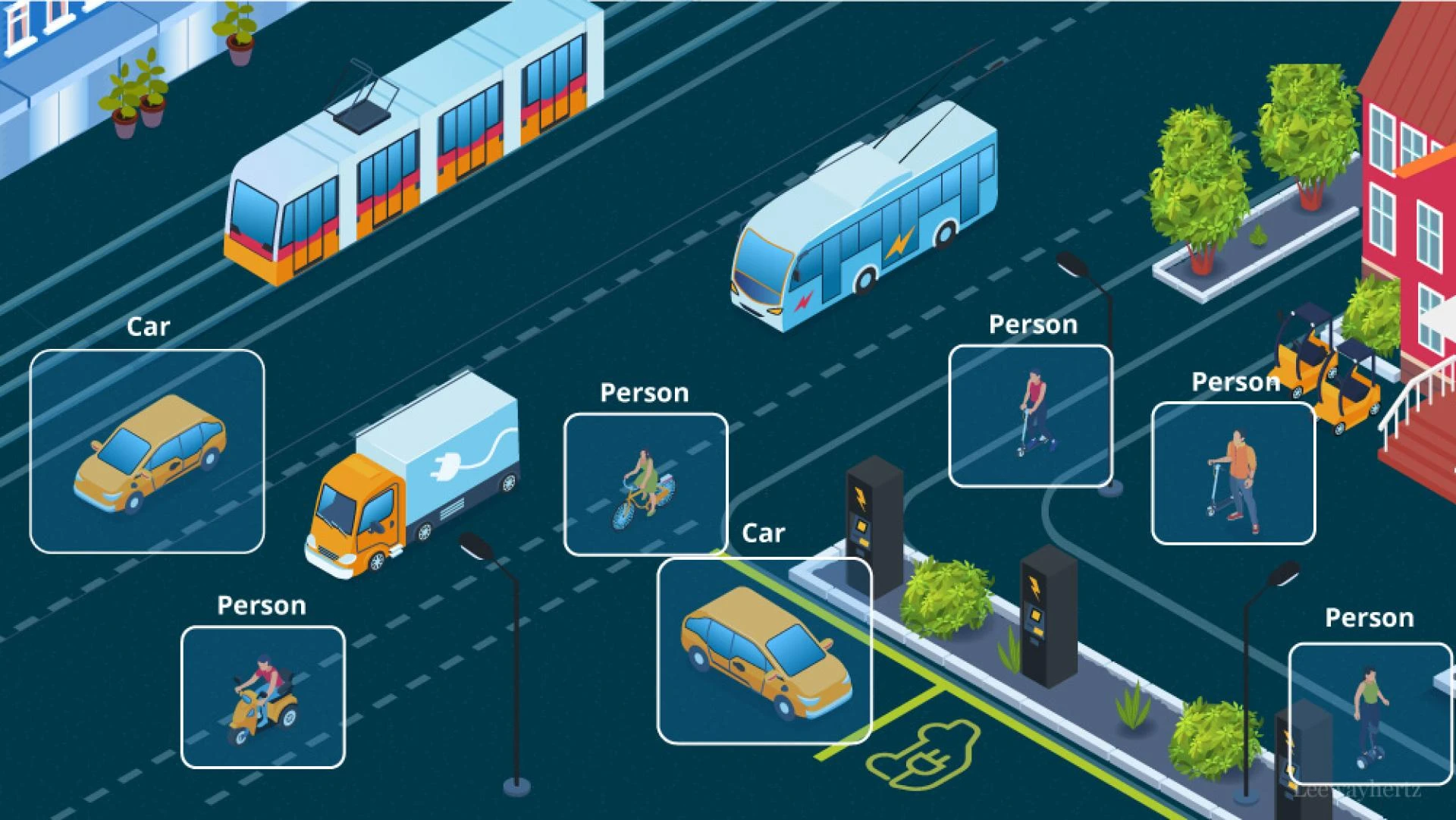

Smart cities rely heavily on advanced technologies to optimize urban planning, improve public safety, and enhance transportation systems. Among these technologies, 3D computer vision plays a critical role in analyzing urban environments. To achieve accurate perception, precise data annotation is essential, and this is where 3D cuboid annotation services come into play. These services enable detailed labeling of objects in three-dimensional spaces, which forms the foundation for effective smart city applications.
Understanding 3D Cuboid Annotation
3D cuboid annotation involves marking objects in 3D space using rectangular boxes, or cuboids, that accurately represent their dimensions and positions. Unlike 2D annotations that only capture height and width, 3D annotations also account for depth, offering a more comprehensive understanding of spatial relationships. In smart city projects, this level of precision is invaluable for analyzing traffic patterns, pedestrian movement, and urban infrastructure.
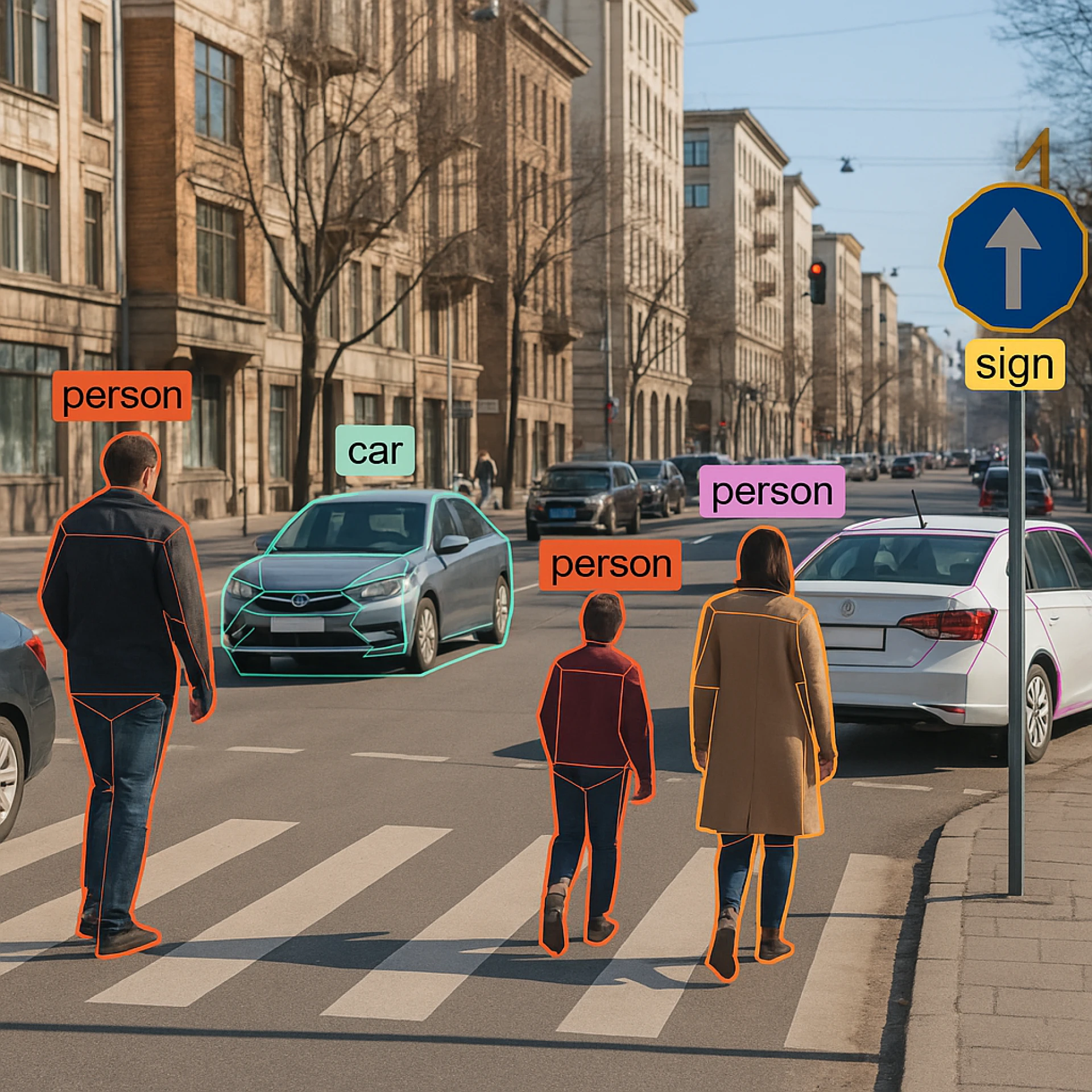
By applying 3D cuboid annotation services, city planners and technology developers can create datasets that are essential for training machine learning models. These models, in turn, enable autonomous systems, such as smart traffic signals or self-driving vehicles, to interpret their surroundings more effectively. Accurate 3D labeling ensures that objects are correctly detected and classified, which is vital for safety and operational efficiency in urban environments.
Applications in Urban Planning
Urban planning benefits significantly from 3D cuboid annotation services. Annotated 3D models allow planners to simulate different development scenarios and assess their impact on traffic flow, pedestrian access, and public spaces. For instance, accurate detection of vehicles, cyclists, and pedestrians in three dimensions helps optimize intersection layouts and enhance safety measures. Additionally, these annotations provide insights into structural placements, such as street furniture and utility poles, ensuring that urban designs are both functional and accessible.
Moreover, annotated 3D data can support environmental monitoring and disaster management. By analyzing the spatial distribution of objects and infrastructure, authorities can identify potential hazards, plan evacuation routes, and allocate resources efficiently. This data-driven approach enhances the resilience of smart cities against emergencies, from floods to traffic congestion.
Enhancing Transportation Systems
Transportation systems are another area where 3D cuboid annotation services play a crucial role. Autonomous vehicles, smart traffic monitoring systems, and public transport management all depend on accurate 3D perception. With detailed annotations, AI systems can recognize vehicle types, positions, and movement trajectories, which improves route planning and congestion management. Similarly, annotated pedestrian data helps design safer crosswalks and optimize signal timings.
Integrating these services into traffic management systems also supports predictive analytics. By analyzing patterns over time, cities can anticipate peak traffic periods, detect anomalies, and adjust infrastructure or policies accordingly. This proactive approach ensures smoother traffic flow, reduces emissions, and improves the overall quality of urban life.
Supporting Smart City Innovation
Overall, 3D cuboid annotation services are a critical enabler of smart city innovation. They provide accurate, high-quality data that enhances AI perception, urban planning, and transportation management. By creating comprehensive 3D datasets, cities can implement intelligent systems that improve safety, efficiency, and sustainability. These annotations serve as the backbone for technologies that make cities more responsive to the needs of residents and adaptable to future challenges.
Integrating 3D cuboid annotation services into smart city initiatives ensures that urban spaces are not only technologically advanced but also safe and efficient. As cities continue to adopt AI-driven solutions, the demand for precise and reliable 3D annotation data will remain a cornerstone of intelligent urban development.



























Sign in to leave a comment.