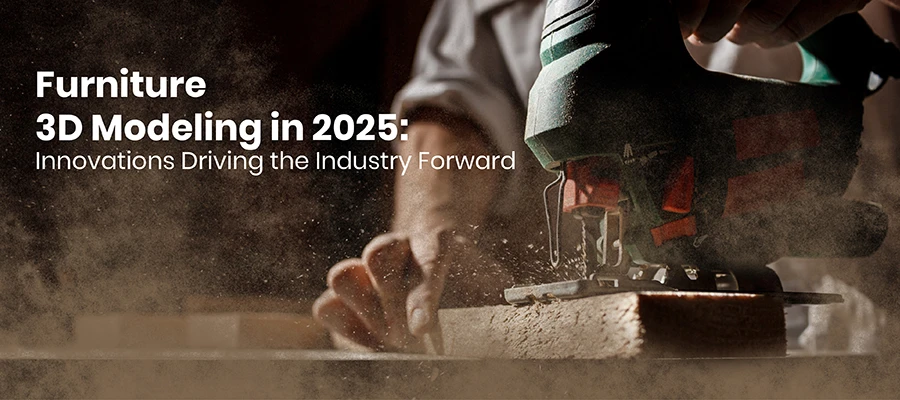

3D modeling tools tailored specifically for furniture manufacturing—such as SolidWorks, Inventor, and AutoCAD—are revolutionizing the industry by streamlining production workflows, enabling standardization through reusable libraries, and facilitating easier collaboration across teams. These advances enhance efficiency, precision, and consistency, making digital adoption essential for manufacturers.
Furniture manufacturers today rely heavily on specialized 3D modeling tools to remain competitive and efficient. What once seemed like optional technologies have now become essential for streamlining workflows, reducing costs, and ensuring accuracy at every production stage. Whether you're involved in design engineering, product standardization, or manufacturing operations, ignoring 3D modeling innovations puts your furniture business at a disadvantage.
With the undeniable need for manufacturing-oriented 3D modeling solutions, the next logical step is to understand how these tools—such as SolidWorks, Inventor, and AutoCAD—can be leveraged for maximum benefit. In this article, we explore the most impactful trends in furniture manufacturing workflows and how specific software capabilities are transforming the way companies produce furniture.
Current Trends in Furniture 3D Modeling
Today's furniture 3D modeling practices complement traditional manufacturing methods. Instead of replacing craftsmanship, these advanced software tools enhance productivity, facilitate the reuse of standard components, and optimize workflows across design and production teams. Below are key manufacturing-oriented trends shaping the furniture industry today.
1. Parametric Modeling and Automation
Software like SolidWorks and Inventor uses parametric modeling techniques to streamline furniture design processes:
Rapid Design Variations: Quickly generate different configurations of furniture models by altering dimensions, materials, or hardware configurations.
Improved Visibility: Get greater visualization for better clarity and easy client presentations.
Automatic Updates: Changes to one design element instantly update all related parts, drawings, and assemblies, significantly reducing manual revisions.
This automation reduces errors, shortens production cycles, and allows engineers to focus more on critical design improvements rather than repetitive tasks.
2. Standardized Component Libraries and Reusable Models
One of the biggest advantages for manufacturers is the creation and use of standardized libraries and reusable model databases within software platforms like AutoCAD and SolidWorks:
Standard Libraries: Predefined, validated parts libraries reduce the time spent on repetitive design tasks. Engineers can simply select standard hardware, fittings, or joinery components from existing libraries instead of modeling from scratch.
Consistent Quality: Using standard libraries ensures consistency, accuracy, and compliance with manufacturing standards across all furniture designs.
3. Enhanced Integration with CNC and CAM Systems
Modern CAD software is increasingly integrated with CAM (Computer-Aided Manufacturing) solutions, linking digital furniture designs directly to CNC machines and other automated production equipment:
Direct Manufacturing: Seamless data transfer from Inventor or SolidWorks models directly to CNC routers and cutting machines eliminates errors in production.
Optimized Production: Advanced simulation and machining toolpaths ensure material optimization, minimize waste, and enhance overall production efficiency.
This integration allows manufacturers to go straight from digital design to production without intermediate steps, improving both speed and accuracy.
4. Cloud-Based Collaboration for Manufacturing Teams
Cloud technology now plays a pivotal role in how furniture manufacturers collaborate on 3D modeling projects:
Real-time Access to Models: Tools such as Autodesk's cloud services enable designers, engineers, and manufacturers to access, review, and update 3D models simultaneously.
Improved Version Control: A centralized cloud database ensures everyone works from the most recent, approved model, reducing errors and costly rework.
Cloud platforms simplify project management, enabling rapid and efficient collaboration across distributed manufacturing teams.
5. Digital Documentation and Manufacturing Drawings
3D modeling tools like AutoCAD and SolidWorks streamline the generation of manufacturing-ready documentation, which is critical for efficient production:
Automated Technical Drawings: Quickly produce precise, detailed manufacturing drawings directly from 3D models, reducing errors common with manual drafting.
Clearer Assembly Instructions: 3D models provide clear visual instructions, assembly guides, and accurate bills of materials (BOMs), facilitating smoother production and assembly processes.
Having clear digital documentation reduces communication gaps and ensures that every piece meets manufacturing specifications precisely.
6. Sustainability Through Digital Efficiency
Manufacturers are under increasing pressure to meet sustainability goals. Furniture 3D modeling tools assist by:
Material Optimization: Reducing waste through efficient nesting algorithms integrated within modeling software.
Virtual Testing: Evaluating the use of sustainable materials and structural efficiency digitally before production begins, ensuring eco-friendly choices are practical and cost-effective.
Using 3D modeling tools for sustainability isn't just eco-friendly—it also significantly reduces production costs and improves profitability.
Peeking into the Future of Furniture Manufacturing
Looking ahead, furniture manufacturers should expect even deeper integration of advanced features:
Advanced Manufacturing Simulations: Predictive modeling for stress tests, durability, and material performance directly within CAD software.
More Comprehensive Cloud-Based Systems: Further integration of CAD and ERP systems to unify product lifecycle management and production scheduling, creating seamless end-to-end workflows.
Digital Twin Technology: Increased use of digital twins—digital replicas of physical products—to streamline prototyping, quality control, and maintenance processes across furniture manufacturing.
Conclusion
By 2025, furniture manufacturers leveraging specialized 3D furniture modeling techniques like SolidWorks, Inventor, and AutoCAD will be significantly ahead of competitors still relying on traditional processes alone. Embracing these manufacturing-oriented trends—including standardized component libraries, seamless cloud collaboration, and automated workflows—is essential to maintaining competitiveness, increasing profitability, and meeting evolving consumer expectations.
If you're looking to enhance your furniture manufacturing workflow, now is the perfect time to explore these powerful 3D modeling solutions. By adopting these digital practices today, you position your business for greater efficiency, improved product quality, and long-term growth.
Ready to transform your manufacturing processes? Begin integrating these trends now, and watch your production capabilities—and profits—expand.



























Sign in to leave a comment.