

A competitive late model race car depends on more than horsepower and aerodynamic setup. The chassis and its supporting components determine how effectively the car responds to steering inputs, transfers weight, maintains stability, and handles the demands of repeated laps. Choosing compatible, durable components is therefore an important part of building a dependable late model race car.
Whether you are constructing a new chassis or refreshing an existing late model race car, understanding the role of key components can help you make better decisions. Here are five essential areas to consider.
1. Chassis Structure and Tubing
The foundation of every late model race car is its chassis structure. Tubes, rails, crossmembers, mounting points, and welded assemblies must work together as a rigid and properly aligned platform.
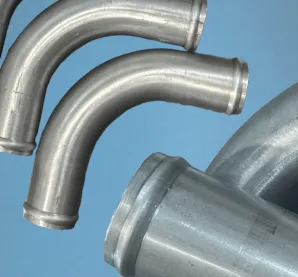
A well-designed structure helps provide predictable handling while giving suspension components a consistent foundation. Fabrication quality is equally important because inaccurate bends, poor joints, or inconsistent dimensions can affect the finished chassis.
For teams requiring specialized fabrication and chassis work, BOYCE INDUSTRIES offers custom and contract tube bending, tube reshaping, cutting, notching, drilling, and welding services. Its profile also lists chassis components and late-model chassis applications.
What to consider
- Tubing dimensions and material
- Weld quality and consistency
- Chassis alignment
- Mounting-point accuracy
- Compatibility with the intended racing rules
For a late model race car, these structural details can influence everything from suspension geometry to driver confidence.
2. Suspension and Steering Components
A late model race car needs suspension components that allow the chassis to respond predictably to changing track conditions. Control arms, ball joints, steering components, mounts, and related hardware all contribute to how the car reacts during corner entry, mid-corner loading, and acceleration.
The correct combination depends on the chassis design, racing discipline, setup philosophy, and applicable rules. Components should work together rather than being selected individually without considering the overall suspension system.
ELGIN INDUSTRIES is one supplier listed by EPARTRADE for chassis components, with its profile also featuring steering and suspension-related products. Its broader performance range includes camshafts, lifters, pushrods, rocker arms, valves, and other engine components.
Key checks before installation
- Correct dimensions and fitment
- Proper joint movement
- Compatibility with suspension geometry
- Appropriate material and construction
- Compliance with racing regulations
For any late model race car, properly matched suspension components can make setup adjustments more consistent.
3. Chassis Fabrication and Repair Components
Even a well-built late model race car can require repairs, modifications, or replacement sections after repeated racing. Chassis fabrication services become especially useful when a team needs custom components, structural repairs, or precision-machined parts.
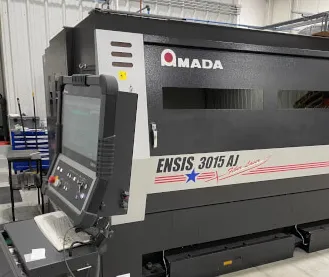
GMS FABRICATION AND CHASSIS specializes in racing chassis construction and fabrication. Its EPARTRADE profile lists late-model chassis, chassis components, race-car building, and fabrication services, along with capabilities such as machining, laser cutting, 3D printing, and carbon-fiber repair.
For a late model race car, fabrication support can be valuable when:
- A chassis requires structural repair
- Custom components need to be produced
- Existing mounting points require modification
- Precision cutting or machining is needed
- Components need to be restored or replaced
The ability to combine fabrication and repair services can simplify the process of maintaining a race-ready late model race car.
4. Seals, Bushings, and Supporting Hardware
Not every important component on a late model race car is large or immediately visible. Seals, bushings, grommets, and related hardware can play an important role in protecting mechanical systems and maintaining reliable operation.
Poorly suited sealing components can contribute to fluid leakage, contamination, friction, and premature wear. Selecting products designed for demanding racing applications is therefore an important part of a thorough build.
GST RACING SEALS specializes in performance oil seals for racing engines, transmissions, and chassis applications. Its EPARTRADE profile lists axle seals, rod-end seals, transmission seals, suspension components, torsion bushings, and other racing-related products.
Important considerations
- Operating temperature
- Friction characteristics
- Fluid compatibility
- Wear resistance
- Correct dimensions and application
These smaller components can have an outsized effect on the reliability of a late model race car when operating under demanding conditions.
5. Chassis-Related Components and Sourcing
Building a late model race car often involves sourcing many different components from multiple manufacturers. Having access to a broad range of racing products can make it easier for teams and builders to identify compatible parts and complete their projects efficiently.
MOTOR STATE DISTRIBUTING has supplied high-performance automotive components for racing, street, and off-road applications since 1964. Its EPARTRADE profile includes numerous chassis and suspension-related categories alongside a broad selection of performance products.
For a late model race car, centralized access to chassis-related components can help teams manage replacement parts, upgrades, and routine maintenance more efficiently.
How to Choose Components for a Late Model Race Car
Before purchasing parts for a late model race car, consider the complete system rather than focusing on individual components.
Use this checklist:
- Racing class: Confirm that every component complies with the applicable rules.
- Compatibility: Make sure new parts work with the existing chassis and suspension.
- Construction: Evaluate materials, manufacturing quality, and intended application.
- Maintenance: Consider how easily components can be inspected, serviced, and replaced.
- Track conditions: Account for the surfaces and conditions where the late model race car will compete.
- Supplier support: Look for manufacturers and distributors with relevant racing products and technical capabilities.
A dependable late model race car is built around a collection of components that work together as one system. Chassis tubing provides the structural foundation, suspension and steering components control vehicle response, fabrication services support construction and repair, seals and bushings protect critical systems, and reliable sourcing helps keep the entire project supplied.
By paying attention to these five areas, racers and builders can create a more organized approach to assembling, maintaining, and developing a late model race car for the demands of competition.


























Sign in to leave a comment.