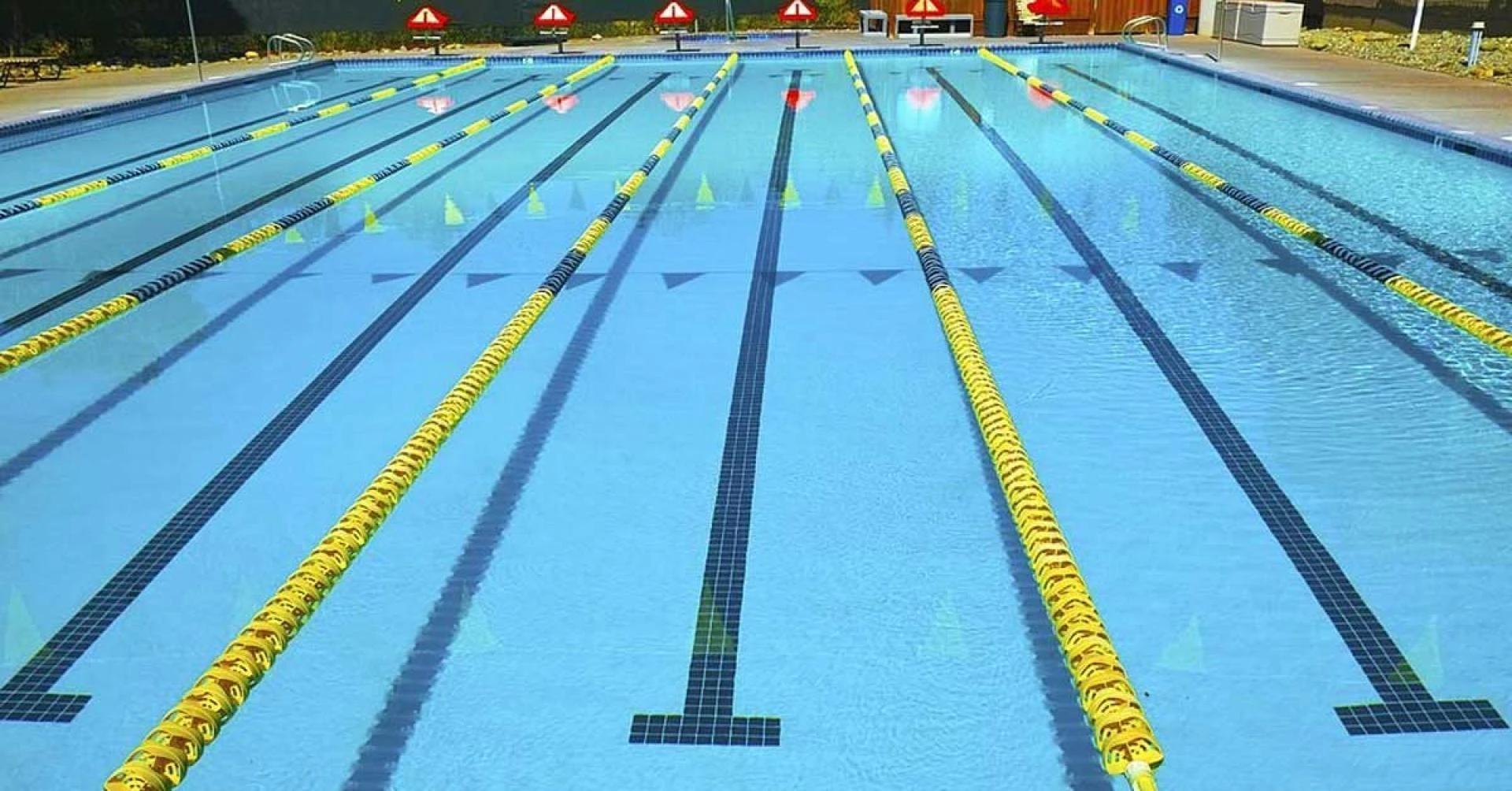
Building endurance is only one aspect of open water swimming. In uncertain situations, you need confidence, expertise, and strategy. Open water adds factors like currents, waves, and poor visibility, compared to the controlled environment of a swimming pool.
For this reason, some exercises are essential for getting the body and mind ready. If you are serious about getting better, then add these five drill into your open water swim training.
1. Sighting Practice Drill
One of the most difficult aspects of open water swimming is staying on track. Try raising your head every six to eight strokes in the pool to sight a stationary object, such as a wall clock or flag. During a race, this trains you to look ahead to find landmarks. To maintain pace and body position, keep your hips high and avoid raising your head too much.
2. Drafting Drill
Drafting can help you save 25% of your energy in open water. Keep practising just behind another swimmer in your group. Keep a safe distance, close enough to benefit from the slipstream, but far enough to avoid touching feet. This drill helps you with pacing and prepares you for crowded race starts.
3. Deep-Water Starts
Many open water competitions begin in deep water, as opposed to pool races. You can imitate this by rushing into a vigorous swim after treading water for 30 to 60 seconds. This exercise prepares you to stay above water while you wait for the starting signal and helps your body adjust to sudden changes.
4. Turn Buoy Simulation
To create buoy turns, use a lane marker or a floating item. Try swimming around it in a tight semicircle, turning left and right. Developing expertise in this exercise will speed up your race turns and lower your chance of running into someone or losing your line.
5. Variations intempo
Open water conditions require you to change your speed suddenly, whether it is to fight a current or break away from a pack. Add variations into your tempo, such as changing 30 seconds fast and 60 seconds easy. This technique improves your ability to adapt and recover quickly during a race.
Conclusion
Training for open water swimming involves more than simply recording distance. It's about learning to swim more intelligently and flexibly. Drills that replicate actual racing conditions can help you develop the technique and confidence you need to succeed outside of the pool. You'll notice a difference on race day if you include these five activities in your weekly fitness swimming. You can get the best swimming lessons with Swim Faster Madison. Under coach Carl, you will become a good swimmer. Connect with us today!




















Sign in to leave a comment.