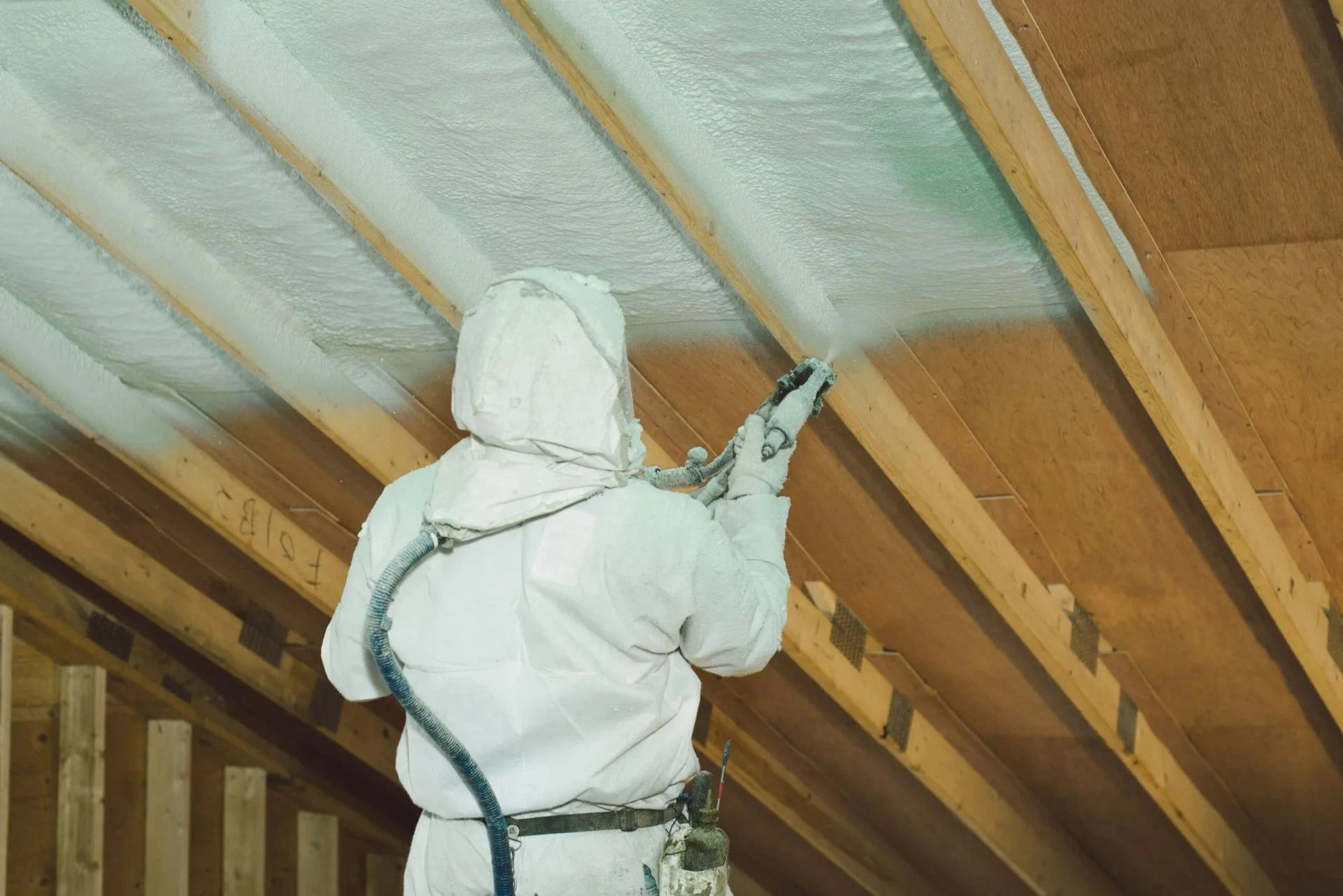

Closed-cell spray foam insulation offers more than thermal performance—it can influence the structural behavior of load-bearing walls. For both residential and commercial properties, understanding the engineering implications is key to making informed decisions. This article examines five core insights from a structural engineering perspective, helping property owners and builders evaluate whether Professional closed-cell spray foam supports their goals for strength, durability, and building code compliance.
1. Structural Contribution of Closed-Cell Spray Foam in Wall Assemblies
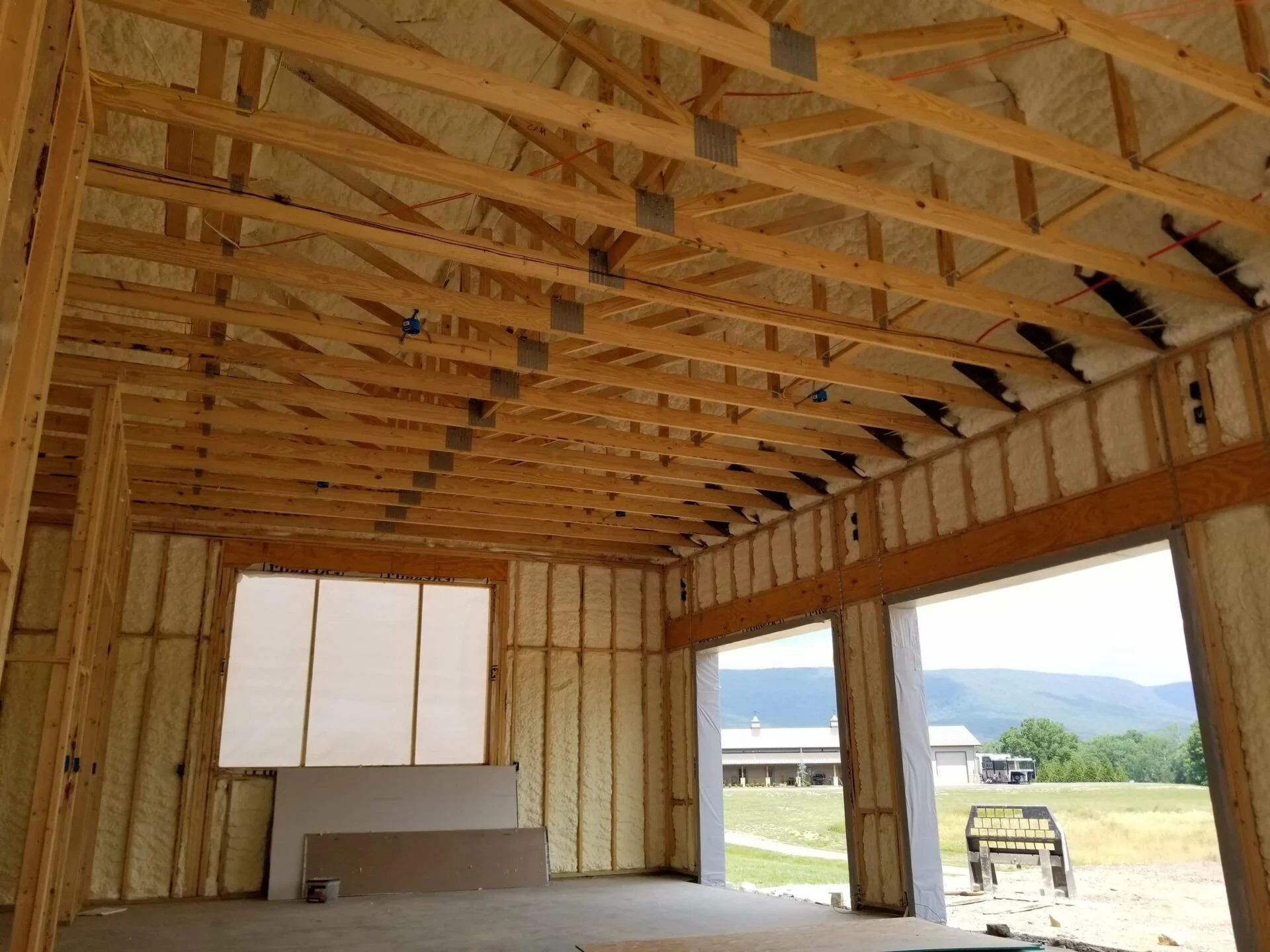
Closed-cell spray foam can add measurable stiffness to a wall assembly. The foam’s rigid cellular structure bonds tightly to substrates, improving overall wall rigidity when installed correctly.
How Foam Adds Rigidity
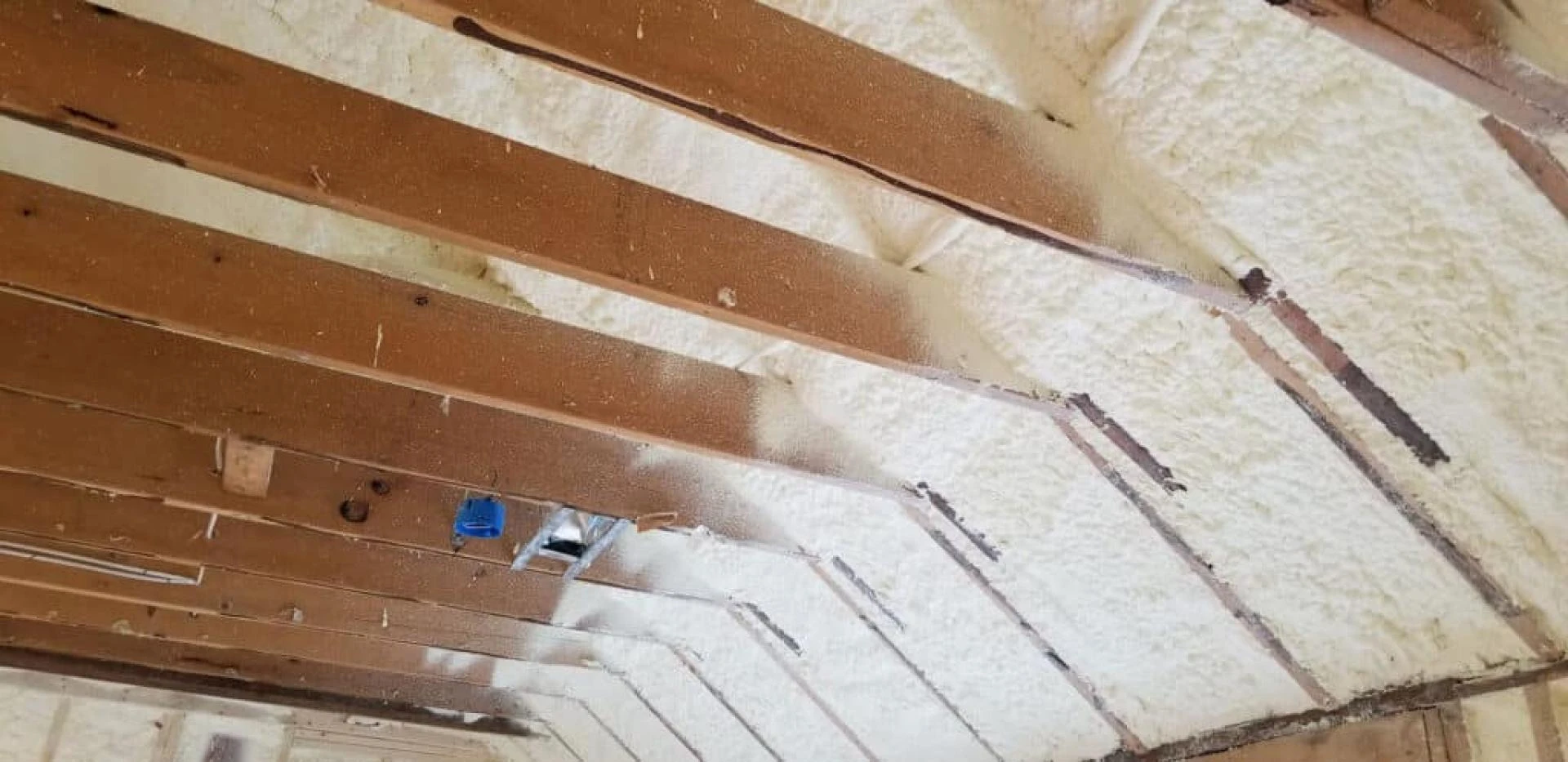
Once cured, closed-cell spray foam acts as a continuous, bonded layer. By filling gaps and adhering to studs, sheathing, and other materials, it distributes loads more evenly and limits unwanted flexing. This adhesion helps prevent localized movement that can cause cracking in finishes or misalignment in framing over time.
Limits of Structural Support
Although closed-cell foam increases stiffness, it is not a substitute for engineered structural framing. The primary load path must still be handled by the framing system, with foam serving as a secondary reinforcement. Structural engineers typically treat the foam as a performance enhancer rather than a load-bearing replacement.
2. Compressive Strength and Its Engineering Relevance
Compressive strength is a critical factor when assessing closed-cell spray foam’s impact on load-bearing walls. This property determines how well the foam resists deformation under load and helps maintain dimensional stability.
Standard Compressive Strength Range
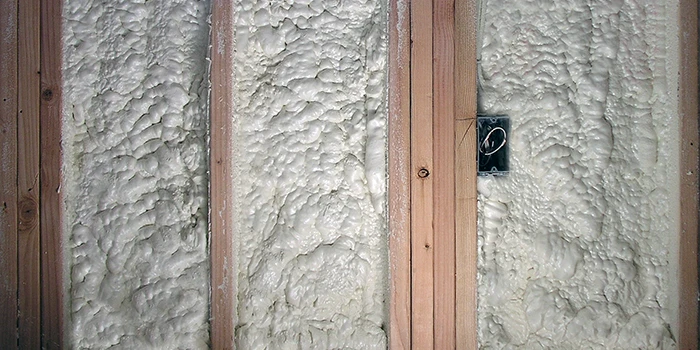
Most closed-cell spray foams have compressive strengths between 20 and 40 psi. This range allows the foam to handle localized pressure without significant crushing, preserving the wall’s form and helping to protect finishes.
Comparison Table: Compressive Strength vs. Common Wall Materials
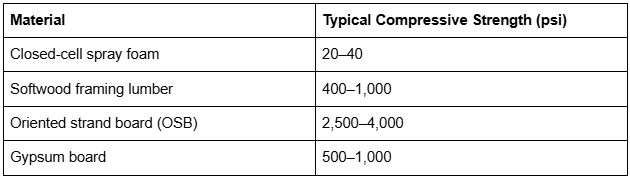
This table shows that while foam adds rigidity, it cannot replace framing materials in primary structural roles. The numbers highlight why closed-cell spray foam should be used as a supporting element, not as the sole source of wall strength.
3. Impact on Moisture Resistance in Load-Bearing Walls
Closed-cell spray foam provides a high level of moisture resistance, which can extend the life of structural components. This is especially important in climates with seasonal humidity shifts or wind-driven rain.
Preventing Moisture Intrusion
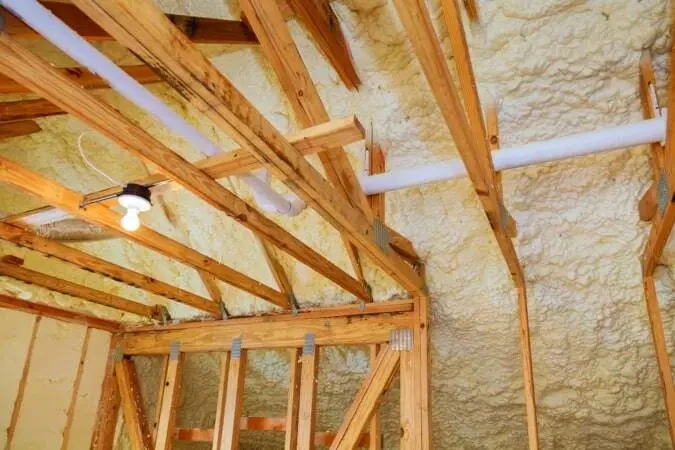
The closed-cell structure forms a vapor barrier, limiting water penetration and protecting framing members from rot and corrosion. By sealing small gaps, it reduces opportunities for condensation to form inside the wall cavity.
Reducing Structural Deterioration Risks
Moisture damage can weaken load-bearing walls over time, reducing their ability to carry intended loads. By controlling vapor transmission, closed-cell foam helps maintain the structural integrity of wood and steel framing. For coastal or flood-prone areas, this moisture control can be a significant advantage in long-term durability.
4. Influence on Thermal Bridging and Load Distribution
Thermal bridging occurs when heat flows through structural elements at a faster rate than surrounding insulation. This can lead to uneven expansion and contraction, stressing wall assemblies over time.
Foam as a Thermal Break
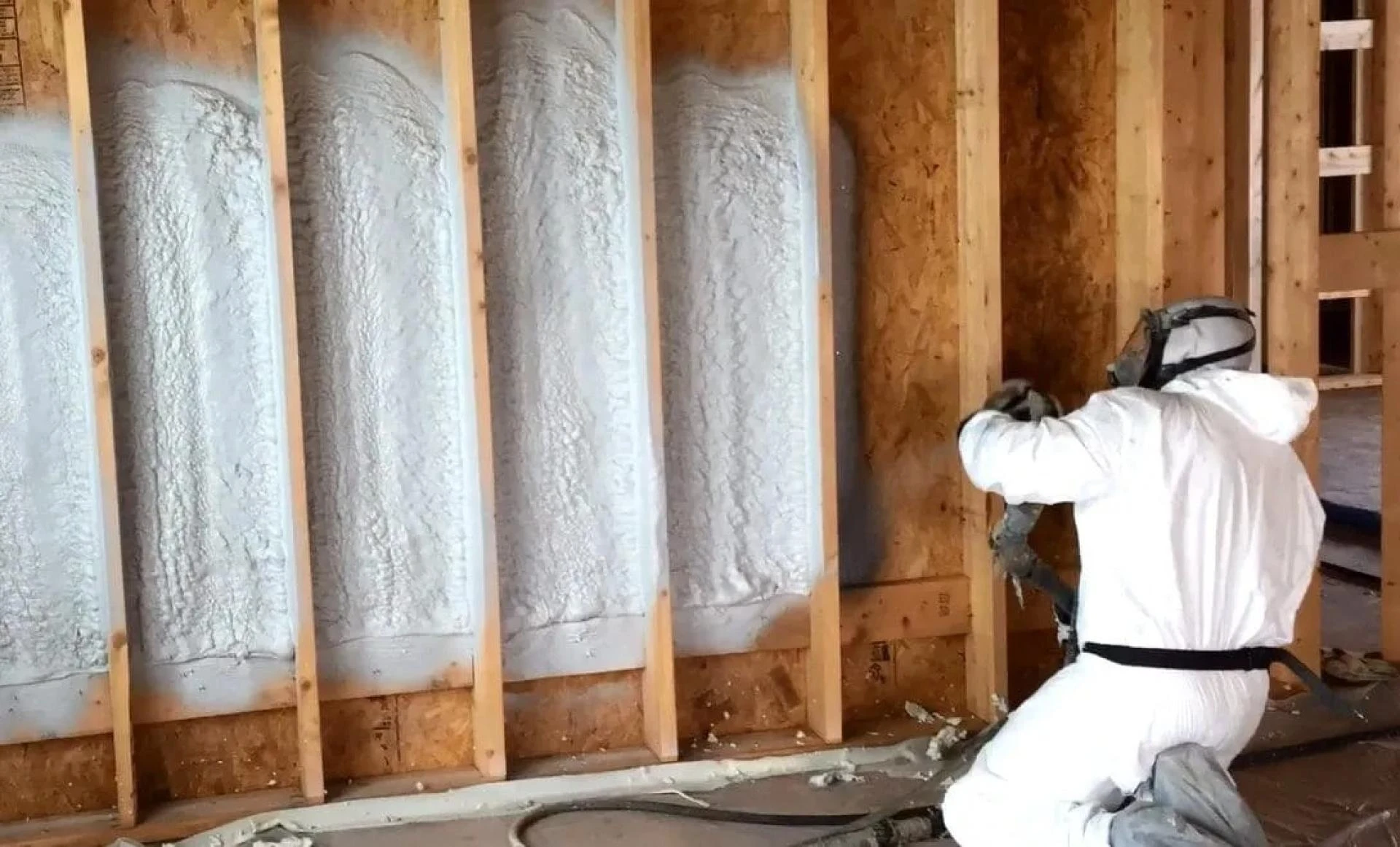
By creating a continuous insulation layer, closed-cell spray foam reduces temperature fluctuations in load-bearing elements. This minimizes expansion and contraction cycles, which can otherwise loosen connections or create small structural shifts.
Load Distribution Benefits
When bonded to sheathing and framing, the foam can spread out localized loads, reducing point stresses that may cause long-term deformation. While not a substitute for structural sheathing, the foam adds uniform support to prevent minor distortions from becoming larger structural issues.
5. Building Code Considerations for Structural Applications
Before using closed-cell spray foam in load-bearing walls, compliance with building codes must be verified. Codes dictate allowable uses, required fire protection measures, and installation standards.
Recognizing Material Classifications
Closed-cell spray foam is typically classified as a thermal insulation product, not a primary structural element. This means its structural benefits are considered secondary by most building officials, and engineering calculations will still center on framing and sheathing components.
Installation and Fire Safety Requirements
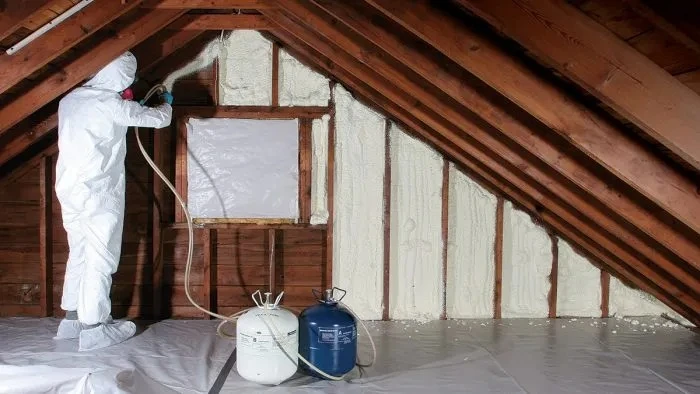
Many jurisdictions require foam to be covered with a thermal barrier, such as gypsum board, in occupied spaces. Installation must follow manufacturer specifications for thickness, adhesion, and curing times to meet both safety and performance standards. Improper application can lead to code violations and reduced structural benefit.
Common Question: Does Closed-Cell Spray Foam Replace Structural Sheathing?
Closed-cell spray foam can improve wall stiffness and moisture resistance, but it does not replace the structural shear resistance provided by materials like plywood or OSB. In most designs, sheathing is still required to meet lateral load and bracing requirements. Foam should be viewed as a complementary layer rather than a substitute for essential structural components.
Conclusion
Closed-cell spray foam offers benefits beyond insulation—it can improve stiffness, moisture resistance, and load distribution in load-bearing walls. Its compressive strength and bonding capability allow it to enhance the overall performance of a wall assembly, particularly in controlling movement and protecting against moisture-related deterioration. However, it is not a substitute for engineered structural framing or sheathing.
For residential and commercial projects, the best results come from pairing closed-cell spray foam with proper framing, sheathing, and moisture management strategies. This ensures walls remain strong, stable, and energy-efficient while meeting building code requirements. Understanding the balance between insulation performance and structural function helps property owners and builders make informed choices that support long-term durability.
Learn more: https://lmcinsulation.com/?utm_source=backlink
FAQs
Can closed-cell spray foam increase a wall’s load capacity?
It can improve rigidity but does not significantly raise the designed load capacity. The framing remains the primary load-bearing element.
Does closed-cell spray foam stop mold growth in load-bearing walls?
Its low vapor permeability reduces moisture accumulation, making the environment less favorable for mold, but it does not eliminate the possibility entirely.
Is closed-cell spray foam suitable for both wood and steel load-bearing walls?
Yes, it bonds well to both materials, providing similar insulation and moisture-resistance benefits.
Does adding closed-cell spray foam affect wall thickness requirements?
It may reduce the need for additional insulation layers due to its high R-value, but structural wall thickness must still meet design codes.
Can closed-cell spray foam be used in seismic zones for extra wall stiffness?
It can add stiffness, but seismic design must still follow engineered bracing requirements for lateral loads.
Reviewer: Samuel Harris has worked across various roles in spray foam insulation over 11 years. His review focused on how businesses can better present their services to both new and returning clients.





























Sign in to leave a comment.