

Laboratories need more than advanced instruments to deliver accurate results. They also need reliable guidance, quality products, technical support, and timely service. That is where laboratory equipment distributors play an important role. The right distributor can make equipment selection easier, reduce downtime, and support better laboratory performance. In this guide, we explore five practical ways top distributors add value and explain what labs should look for when choosing a reliable partner. iaboratory equipment distributors can help laboratories build a stronger equipment strategy by supporting procurement, installation, maintenance, training, and long-term service.
What Are Laboratory Equipment Distributors and Why Do They Matter?
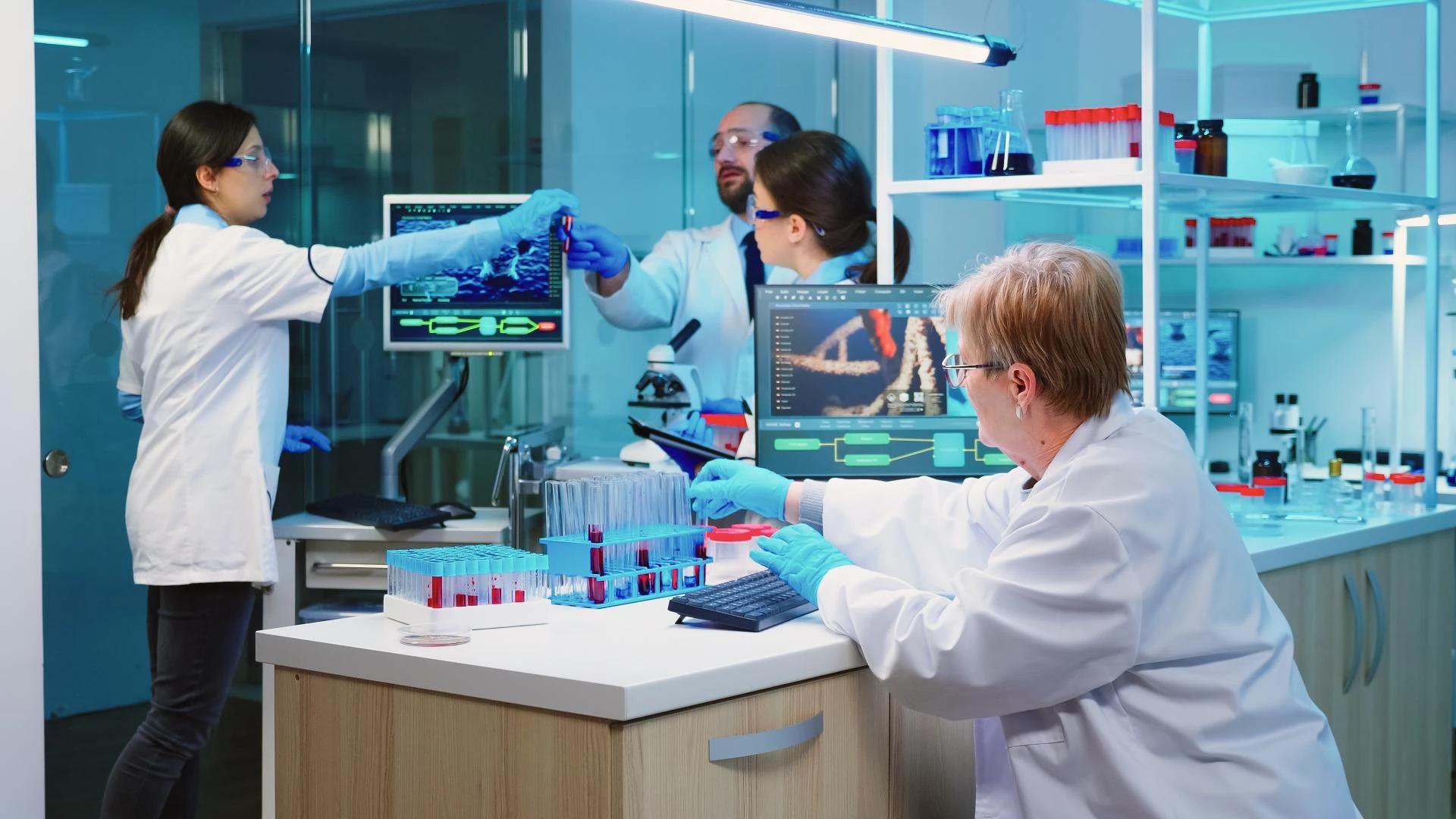
Laboratory equipment distributors connect manufacturers with laboratories that need testing, research, medical, educational, or industrial equipment. They may supply products such as analytical instruments, microscopes, centrifuges, incubators, balances, spectrometers, and safety equipment. However, their role is not limited to selling instruments. Good distributors understand laboratory needs and help customers select equipment that matches their applications, budget, space, and workflow.
The World Health Organization highlights the importance of proper equipment procurement, reception, maintenance, documentation, and staff training in laboratory quality management. This makes a reliable distributor more than a supplier. They can become a useful partner throughout the equipment's working life.
5 Ways Top Laboratory Equipment Distributors Add Value to Labs
1. They Help Labs Choose the Right Equipment
Buying laboratory equipment can be confusing. Two instruments may look similar but have very different specifications, capabilities, and operating costs.
Top distributors first understand the laboratory's requirements. They may ask:
- What type of testing will the instrument perform?
- What accuracy or measurement range is required?
- How often will the equipment be used?
- What sample types will be tested?
- What is the available budget?
- Is future expansion expected?
For example, a small quality-control laboratory may not need the same instrument as a large research facility.
Action step: Create a list of testing needs before contacting a distributor. Include sample types, expected workload, required accuracy, space, and budget.
2. They Provide Installation and Technical Support
Buying an instrument is only the beginning. Many laboratory systems require correct installation, setup, calibration, and performance checks. Leading laboratory equipment distributors often provide installation support and help laboratory staff understand basic operation. This can reduce setup problems and help users start working sooner.
Technical support is also valuable when equipment stops working properly. Fast troubleshooting can prevent long interruptions and protect important laboratory schedules. WHO guidance recommends clear procedures for equipment reception, installation, maintenance, documentation, and staff responsibilities.
Action step: Before purchasing, ask about installation, service response times, warranty coverage, and technical support.
3. They Support Maintenance and Reduce Downtime
Even high-quality equipment needs regular care. Preventive maintenance can help identify problems before they become expensive failures.
A strong distributor can support maintenance schedules, spare-parts planning, calibration, repairs, and service contracts. They may also help laboratories maintain equipment records.
A proper equipment register can track model numbers, service dates, calibration schedules, maintenance history, and responsible staff. WHO recommends this type of organized equipment management.
Action step: Ask your distributor for a recommended maintenance schedule and keep service records for every major instrument.
4. They Offer Training and Product Knowledge
Modern laboratory equipment can include advanced features. Without proper training, users may not take full advantage of an instrument or may operate it incorrectly.
Experienced laboratory equipment distributors can provide demonstrations, operating guidance, user training, and basic maintenance instructions.
Training also helps new employees become comfortable with equipment faster. This can improve consistency and reduce avoidable operating mistakes.
Action step: Ask whether product demonstrations, operator training, manuals, and refresher sessions are included with your purchase.
5. They Make Procurement More Efficient
Purchasing laboratory equipment involves more than comparing prices. Labs must consider product quality, availability, compatibility, consumables, service support, spare parts, and future operating costs. Reliable distributors can simplify this process by presenting suitable options and helping customers compare specifications. WHO procurement guidance notes that equipment should be appropriate for its intended setting and that procurement decisions can affect the effectiveness of laboratory services.
Action step: Compare the complete ownership cost instead of looking only at the purchase price. Include installation, consumables, maintenance, calibration, and expected service needs.
Common Mistakes to Avoid
Choosing Only on Price
The cheapest instrument may not provide the best long-term value. Low upfront costs can become expensive if maintenance, spare parts, or support are difficult to obtain.
Better approach: Compare total ownership costs and service availability.
Ignoring After-Sales Service
A distributor may offer an attractive product but limited technical support. This can create problems when equipment requires repair or calibration.
Better approach: Check warranty terms, service coverage, spare-parts availability, and response times before buying.
Buying Without Checking Compatibility
An instrument must fit the laboratory's workflow, space, power supply, sample requirements, and existing systems.
Better approach: Share detailed laboratory requirements with the distributor before receiving a quotation.
Where to Find Reliable Laboratory Equipment Information
Before making a purchasing decision, laboratories should use trusted technical resources alongside distributor information.
- World Health Organization (WHO): Useful guidance on laboratory quality management, equipment procurement, maintenance, and supply systems.
- WHO Laboratory Quality Stepwise Implementation Tool: Provides practical guidance on equipment registers, procurement, maintenance, and equipment management.
- Manufacturer documentation: Review official product specifications, manuals, performance information, and maintenance requirements.
- Laboratory quality standards: Check the standards relevant to your laboratory type and testing activities.
- Distributor service information: Ask for details about installation, training, warranty, calibration, spare parts, and technical support.
Laboratory procurement is also becoming more focused on lifecycle management. Labs increasingly need to consider energy use, maintenance planning, digital records, staff training, and supply-chain reliability rather than focusing only on the initial purchase.
Conclusion
The best laboratory equipment distributors provide value well beyond product delivery. They help labs select suitable instruments, arrange installation, support maintenance, train users, and simplify procurement. These services can improve efficiency, reduce downtime, and support consistent laboratory performance.
Before choosing a distributor, compare product quality, technical expertise, after-sales support, service availability, and total ownership costs. A reliable distribution partner can make laboratory equipment a long-term investment rather than simply another purchase. Ready to improve your laboratory setup? Start by reviewing your equipment needs and speaking with a trusted distributor about the right solutions for your applications.
FAQs About Laboratory Equipment Distributors
1. What do laboratory equipment distributors provide?
They may supply laboratory instruments, accessories, consumables, installation services, training, maintenance, calibration support, and technical assistance. Services vary by distributor and product.
2. How do I choose the right laboratory equipment distributor?
Check product quality, manufacturer partnerships, technical expertise, warranty terms, spare-parts availability, service coverage, and customer support. Always compare more than the purchase price.
3. Why is after-sales support important?
Laboratory instruments may need installation, calibration, maintenance, repairs, or replacement parts. Good after-sales support can reduce downtime and help equipment remain reliable.
4. Should I compare equipment based only on price?
No. Consider the total cost of ownership. Installation, consumables, energy use, maintenance, calibration, repairs, and spare parts can affect the real cost over time.
5. Can distributors help with equipment selection?
Yes. Experienced distributors can often recommend equipment based on application, sample type, workload, accuracy requirements, laboratory space, and budget. However, laboratories should always verify technical specifications before purchasing.































Sign in to leave a comment.