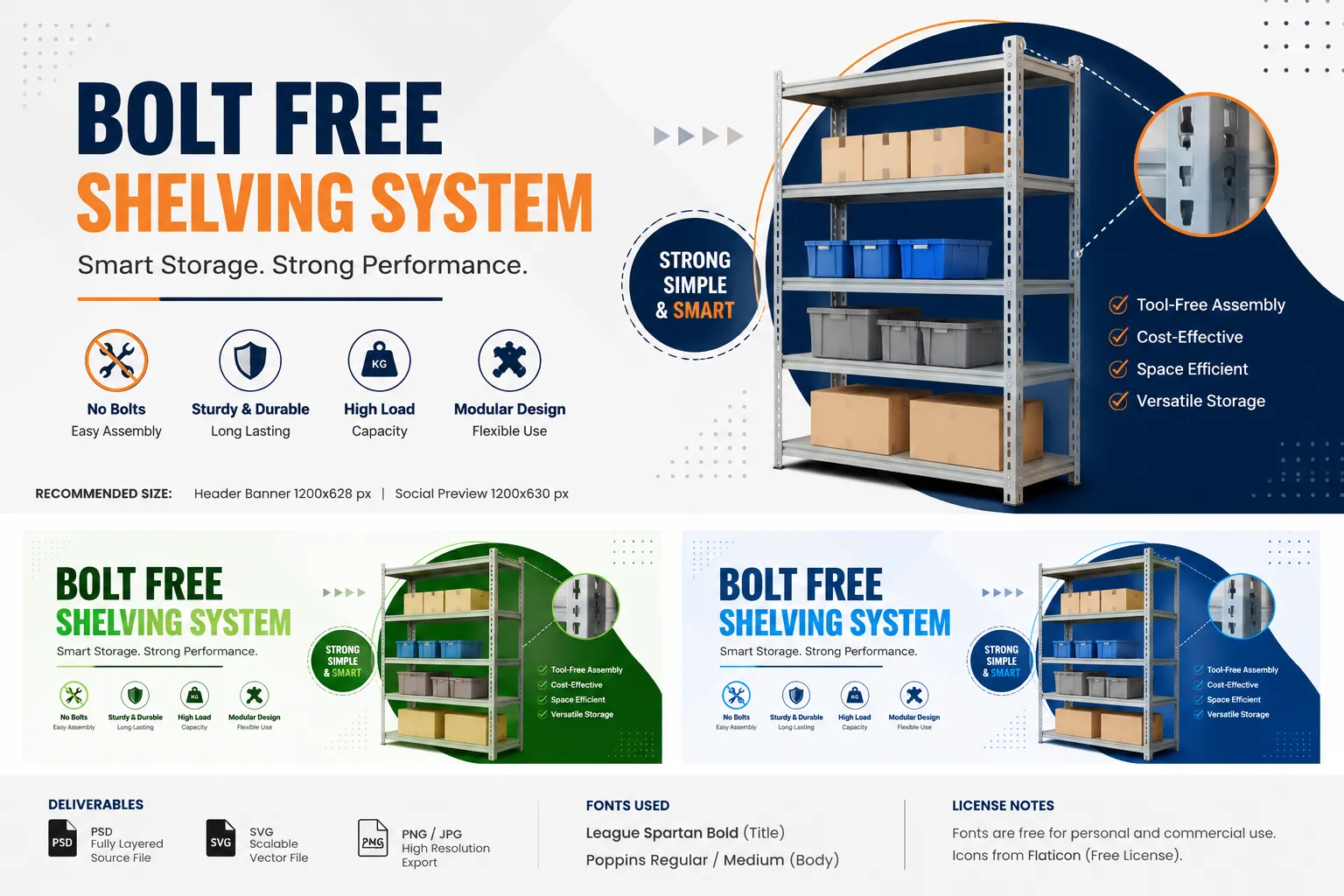

An organized warehouse can save time, reduce clutter, and make everyday work much easier. A bolt free shelving system offers a practical way to create flexible storage without complicated assembly. Its adjustable design makes it easier to store products of different sizes while using available space effectively. In this guide, you will learn how this shelving solution works, how it can improve warehouse efficiency, what mistakes to avoid, and how to choose a setup that supports long-term storage needs.
What Is a Bolt Free Shelving System?
A bolt free shelving system is a storage solution designed to assemble without traditional nuts and bolts. Instead, its components usually connect through slots, clips, or other interlocking mechanisms.
This design can make installation faster and simpler. Workers can often assemble, adjust, and reorganize the shelves without using complicated tools.
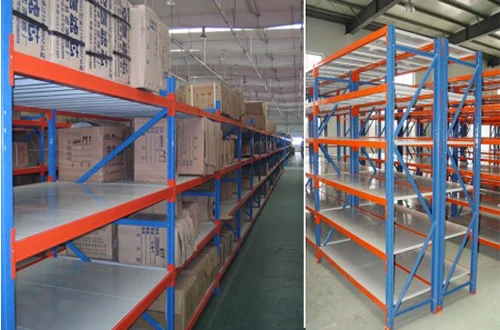
A bolt free shelving system is useful for warehouses, workshops, stockrooms, offices, garages, and retail spaces. It can store cartons, tools, spare parts, documents, equipment, and many other items.
One major advantage is flexibility. Shelf levels can often be adjusted to match the height of stored products. This helps reduce unused vertical space.
For example, small boxes can be placed on closely spaced shelves. Taller cartons can use larger gaps between levels. As inventory changes, the shelving layout can change too.
This flexibility can improve warehouse efficiency. Workers spend less time searching for products when items are clearly organized and easy to reach.
Top Strategies and Benefits for Better Warehouse Efficiency
Plan the Layout Before Installation
First, measure your available floor and wall space. Record the room's width, depth, and height.
Also consider doors, pillars, windows, workstations, and walking paths. A simple layout plan can prevent wasted space and installation problems.
Keep aisles wide enough for safe movement and regular handling activities. Good planning helps workers move through the warehouse more efficiently.
2. Adjust Shelves According to Product Size
Avoid leaving large gaps between products when they are not necessary. Adjust shelf levels to match the height of your inventory.
For example, small packages can be stored on shorter levels. Larger cartons can use taller spaces.
This approach helps maximize vertical storage while keeping products visible and accessible.
3. Organize Products by Use
Place frequently used products in easy-to-reach locations. Less frequently needed items can be stored on higher levels.
Group similar products together and use clear labels. This can reduce search time and make stock checks easier.
Additionally, keep heavier products on lower shelves. This can make manual handling safer and improve overall stability.
4. Use the System for Changing Inventory
Warehouse inventory often changes with seasons, customer demand, and business growth. A fixed layout may not work well for these changes.
The adjustable nature of bolt free shelving allows businesses to modify shelf heights and layouts as needed.
You can reorganize storage without replacing the entire unit. This makes the system useful for businesses that expect future changes.
5. Check Load Capacity
Before loading shelves, identify the weight of the products being stored. Always follow the manufacturer's recommended load limits.
Distribute weight evenly across each shelf. Avoid placing loads beyond the rated capacity.
Correct loading protects the shelving and supports safer warehouse operations.
6. Maintain Clear and Clean Storage Areas
Regular cleaning and inspections can help maintain an efficient storage environment. Remove unnecessary items and keep aisles clear.
Inspect frames, shelf panels, connectors, and other components for damage. Replace damaged parts promptly.
A clean warehouse is easier to navigate. It can also make product identification and stock management more efficient.
Common Mistakes to Avoid
Poor Space Measurement
A common mistake is buying shelving without measuring the warehouse first. This can result in wasted floor space or difficult installation.
Quick fix: measure the complete area and create a basic storage plan before purchasing.
Overloading Shelves
Another mistake is placing heavy products beyond the recommended capacity. Excessive loads can damage components and create safety concerns.
Quick fix: check load ratings and distribute products evenly across each shelf.
Ignoring Future Needs
Businesses sometimes design storage only for current inventory. However, stock levels and product sizes may change.
Quick fix: choose adjustable shelving and leave room for future expansion or layout changes.
Where to Find More Information and Resources
Reliable safety organizations are useful sources when planning warehouse storage. OSHA provides information about materials handling, storage practices, and workplace safety.
Manufacturer catalogs can also help. They normally provide specifications for shelf sizes, load capacities, materials, connectors, and accessories.
Professional storage suppliers can offer additional guidance. Ask about installation, customization, expansion options, warranties, and maintenance support.
Warehouse planning software can help you test different layouts before installation. Even a basic digital floor plan can show potential space problems. You should also review current warehouse trends. Many businesses are adopting modular storage, barcode systems, digital inventory tools, and space-saving layouts.
Combining flexible shelving with good inventory management can make daily operations smoother. However, technology should support a clear storage plan rather than replace it.
Always follow the manufacturer's installation instructions. If the shelving requires professional installation, use qualified personnel to complete the work safely.
Conclusion
A bolt free shelving system can help warehouses create organized, flexible, and accessible storage. Its simple assembly, adjustable levels, and adaptable design make it useful for changing inventory needs. However, good results depend on proper planning, safe loading, clear organization, and regular maintenance. Start by measuring your warehouse and identifying your storage requirements. Then compare suitable shelving options and choose a system that can grow with your business.
FAQs
What is a bolt free shelving system?
It is a shelving solution that uses interlocking components, slots, or clips instead of traditional bolts and nuts. This design can make assembly and adjustment easier.
2. What are the main benefits of bolt free shelving?
Key benefits include quick assembly, adjustable shelf levels, flexible layouts, efficient space use, and easier reorganization when storage requirements change.
3. Is bolt free shelving suitable for warehouses?
Yes. It can be used in warehouses, stockrooms, workshops, offices, and retail spaces. The correct system should always match the required load capacity.
4. How much weight can bolt free shelving hold?
Capacity varies by design, materials, shelf size, and construction. Always check the manufacturer's stated load rating before storing heavy products.
5. Can bolt free shelving be expanded?
Many systems are modular and can be extended with additional sections or accessories. Check the manufacturer's specifications to confirm compatibility and expansion options.

























Sign in to leave a comment.