

Watching your child struggle with GCSE maths can be stressful for the whole family. Many parents reach the same conclusion: it's time to bring in some extra support. Hiring a GCSE mathematics tutor is often a smart move, but the way parents go about it can sometimes work against them. A few small missteps early on can mean months of wasted time, money and effort, without the grade improvement everyone was hoping for.
If you're thinking about finding a maths tutor for GCSE, it helps to know where things commonly go wrong before you start. Below are six mistakes parents often make, along with simple ways to avoid them.
1. Waiting Too Long to Start
One of the most frequent mistakes is leaving it too late. Many parents only start looking for a tutor a few months before the exams, once panic has set in. By this point, the tutor is left trying to cover two years of content in a handful of sessions, which puts a lot of pressure on the student and rarely gives the best results.
Maths builds on itself. A student who struggled with a topic in Year 9 will likely find the related Year 11 content just as difficult, because the foundations were never properly secured. Starting tutoring early, even just an hour a week, allows gaps to be identified and closed gradually rather than in a last-minute rush.
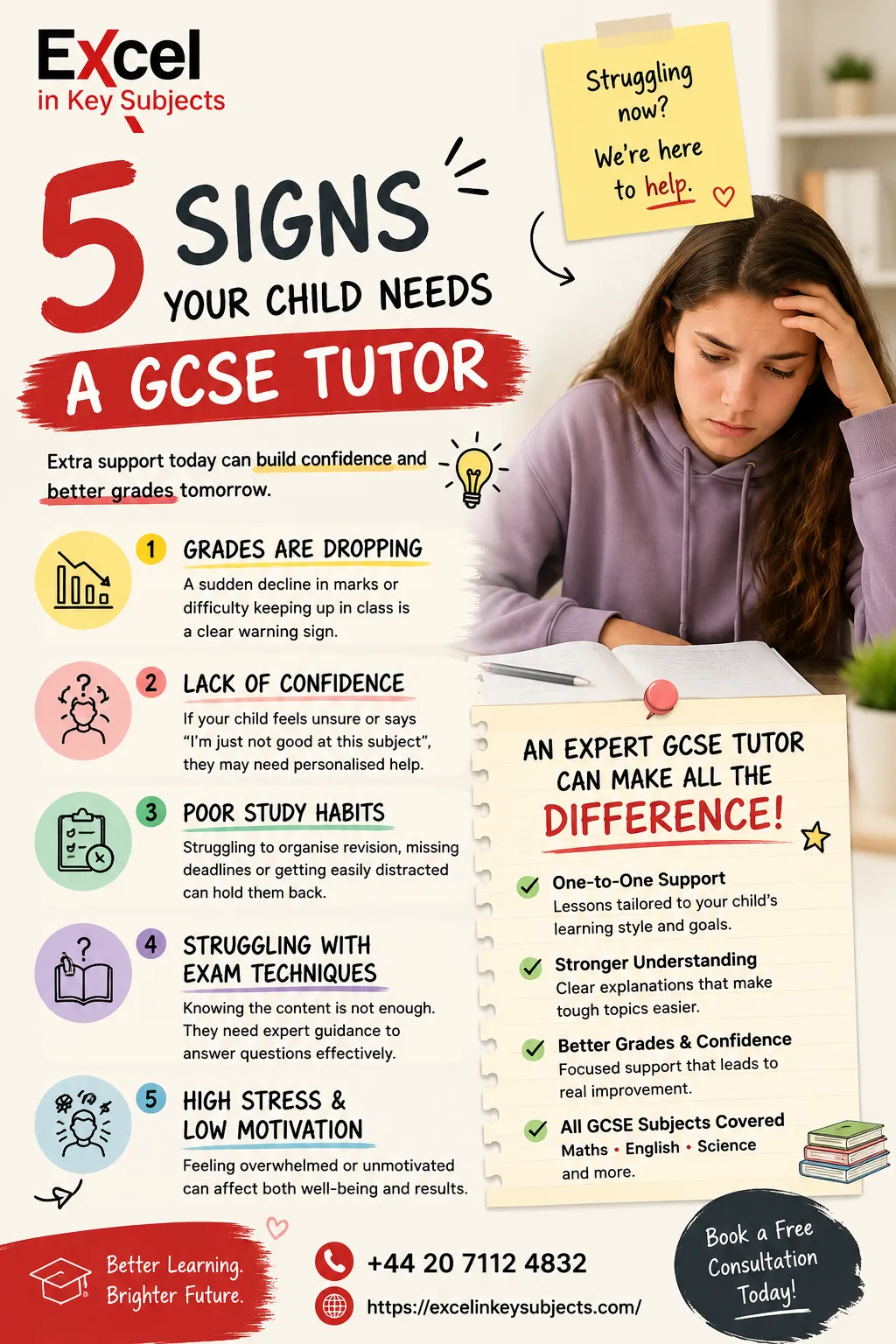
If your child is already showing signs of falling behind, whether that's avoiding homework, losing confidence, or getting lower marks in class tests, it's worth arranging support sooner rather than later.
2. Choosing a Tutor Based on Price Alone
It's understandable that cost plays a role in the decision. Tutoring isn't cheap, and most families are working with a budget. But choosing the least expensive option without checking their teaching experience or track record can backfire.
A tutor who is unfamiliar with the current GCSE specification, or who doesn't understand how exam boards like AQA, Edexcel or OCR structure their papers, may end up teaching content in a way that doesn't match what your child actually needs to know. This can leave students confused rather than confident.
Instead of focusing purely on the hourly rate, ask a few practical questions before committing: Does the tutor have experience with GCSE maths specifically? Do they know the current syllabus? Can they explain how they'll track progress? A slightly higher price is often justified if it comes with genuine subject expertise and a clear teaching plan.
3. Not Involving the Student in the Decision
Some parents arrange tutoring without really discussing it with their child first. The student then turns up to sessions feeling like tutoring is something being done to them, rather than something they've chosen to be part of. This can lead to low motivation, poor attendance, and minimal improvement, regardless of how skilled the tutor is.
Involving your child in the process, even in small ways, tends to produce better outcomes. Ask them which topics they find hardest. Let them have some input into whether they'd prefer online or in-person sessions, or whether they'd feel more comfortable with a male or female tutor. When students feel some ownership over the process, they're generally more engaged in the sessions themselves.
4. Overlooking the Difference Between Triple Science and Core Science
This mistake is specific to families whose children are also studying GCSE science alongside maths, and it catches a surprising number of parents out. Triple science GCSE (Biology, Chemistry and Physics as three separate GCSEs) is a different qualification from GCSE core science, which is typically combined science covering all three subjects but examined more broadly.
Parents sometimes assume the two are interchangeable when arranging support, and ask a tutor to help with "science" without checking which pathway their child is actually on. This matters because triple science GCSE goes into significantly more depth in each subject, with separate exam papers and additional content that combined or core science students don't cover.
Before arranging any tutoring, confirm with the school exactly which qualification your child is working towards. A tutor who specialises in supporting triple science students will approach lessons quite differently from one preparing a student for core science, so getting this right from the start avoids wasted sessions.
5. Expecting Tutoring to Replace Independent Practice
Tutoring sessions are valuable, but they're only one part of the picture. Some parents treat a weekly hour with a tutor as the entire solution, without realising that independent practice between sessions is just as important, if not more so.
Maths is a subject that improves with repetition. A tutor can explain a method clearly and work through examples, but it's the practice done afterwards, on homework, past papers and revision questions, that actually embeds the skill. Without this follow-up work, students often forget what they've learned by the following week, and progress stalls.
A good approach is to ask the tutor for specific practice tasks after each session, then set aside a short, regular time at home to work through them. Even twenty minutes a few times a week can make a noticeable difference over a term.
6. Not Checking Progress Regularly
Finally, many parents arrange tutoring and then step back completely, assuming things are on track simply because sessions are happening. Without regular check-ins, it can be months before anyone notices that progress has stalled or that the tutoring isn't quite meeting the student's needs.
It's worth having a brief conversation every few weeks, either with your child, the tutor, or both. Ask what's been covered, what's improved, and what still needs work. Comparing recent test or mock exam results against where things stood before tutoring began is a simple way to see whether it's actually helping.
If progress genuinely isn't happening after a reasonable period, it's better to have that conversation and adjust the approach than to continue with something that isn't working.
Final Thoughts
Finding the right support for GCSE maths, or for triple science and core science alongside it, doesn't need to be complicated, but it does benefit from a bit of planning. Starting early, choosing a tutor based on genuine expertise rather than price alone, involving your child in the process, understanding exactly which qualification they're studying, encouraging independent practice, and checking in on progress regularly can all make a real difference to the outcome.
GCSE maths can feel daunting, but consistent effort, whether that's through maths tutor GCSE sessions, regular practice at home, or a mix of both, tends to pay off over time. Small, steady improvements add up far more reliably than last-minute cramming.
If you're currently exploring tutoring options for your child, take a little time to ask the right questions before committing. It's a decision worth getting right, and the effort you put in now can save a lot of stress later on.
Frequently Asked Questions
How do I know if my child needs a GCSE mathematics tutor?
Signs that your child may need a tutor include struggling with homework, avoiding maths altogether, or a decline in test scores. It's also helpful to speak with their maths teacher for a clearer understanding of any specific gaps in knowledge.
What is the difference between triple science GCSE and GCSE core science?
Triple science GCSE involves studying Biology, Chemistry, and Physics as three separate subjects, each with individual exams, resulting in three separate GCSEs. In contrast, GCSE core science, or combined science, covers all three subjects together and results in two GCSEs, making it less in-depth.
How often should my child have maths tutoring sessions?
The frequency of tutoring sessions depends on how much support your child requires and how close they are to their exams. Generally, one session per week is recommended for general support, while students needing more intensive help may benefit from two shorter sessions each week.
Can one tutor help with both maths and core science?
Some tutors are qualified to teach both subjects at the GCSE level, but it's crucial to check their specific experience with each area. Since the content and exam styles differ significantly, a tutor proficient in GCSE maths may not necessarily be the best fit for teaching core science.
Is online tutoring as effective as in-person tutoring?
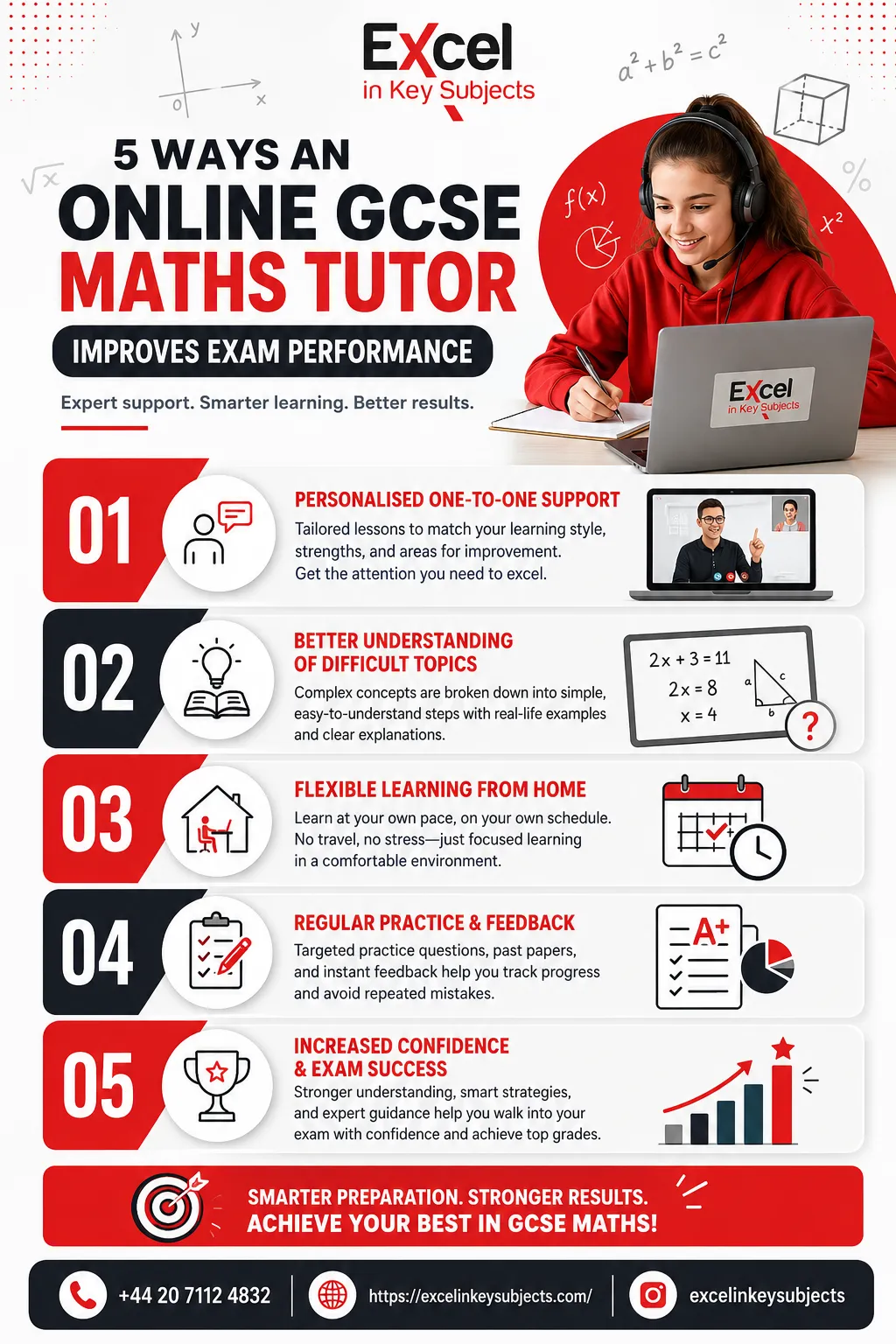
For most students, online tutoring can be just as effective as in-person sessions, especially if they are comfortable with the digital format. It's important to ensure your child has a quiet space to work and feels at ease with online learning, as personal preference plays a significant role.
When is the best time to start tutoring for GCSE maths?
The best time to start tutoring is as soon as you notice any gaps in your child's understanding, rather than waiting until exam season. Beginning tutoring early, ideally a year or more before the GCSEs, allows for a deeper understanding and reduces the pressure of last-minute cramming.
What should I look for when choosing a GCSE maths tutor?
When selecting a tutor, prioritize their experience with GCSE maths and familiarity with the current syllabus over price alone. Ask about their teaching methods, how they will track progress, and whether they have a clear plan to address your child's specific needs.
How can I ensure my child makes progress with their maths tutoring?
To ensure progress, maintain regular check-ins with both your child and the tutor. Discuss what has been covered, any improvements, and areas that still need work, and compare recent test scores to previous ones to gauge effectiveness.


























Sign in to leave a comment.