

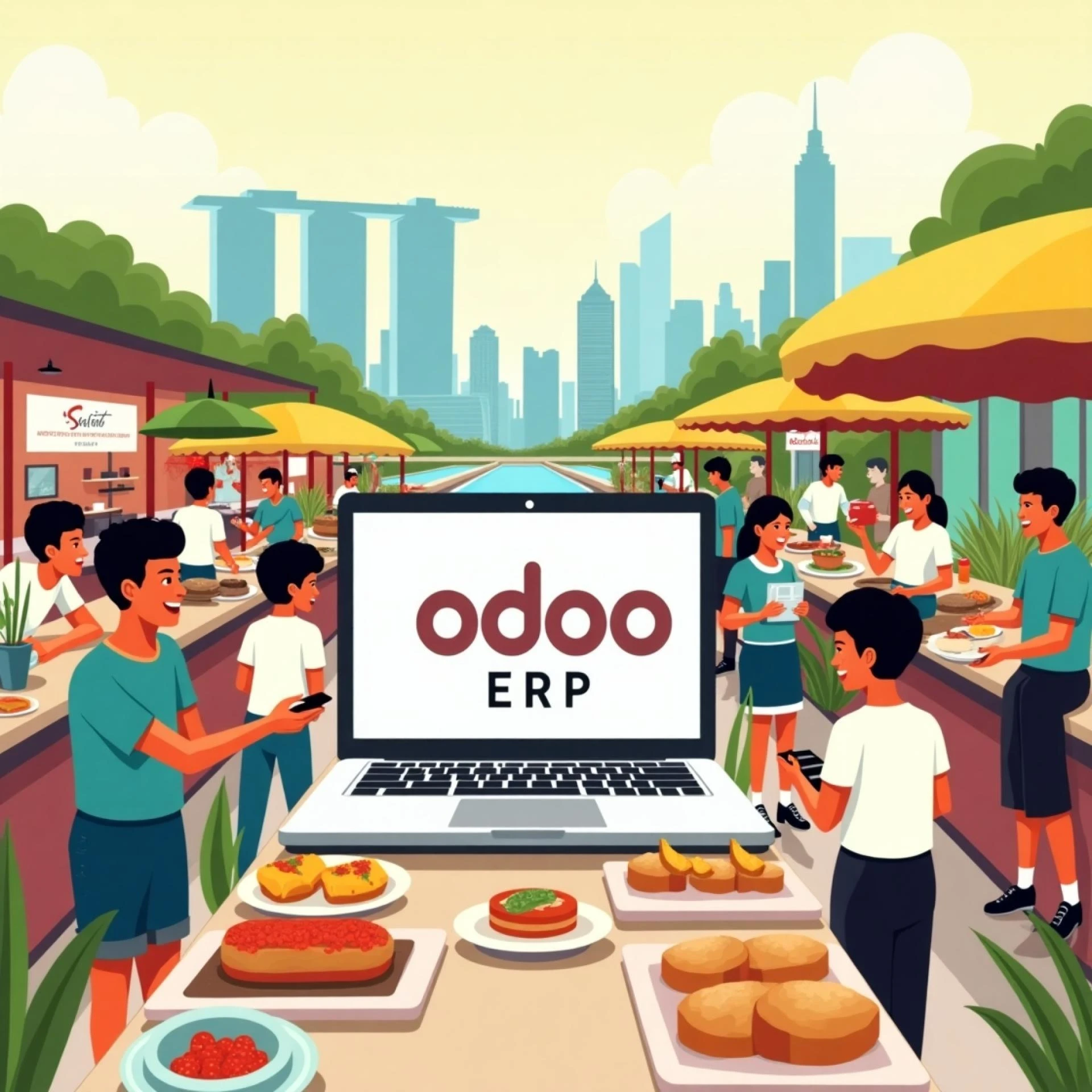
Launching an Odoo ERP system is like setting up a sari-sari store for the first time—you’re excited to streamline your business, but one wrong move can turn your grand opening into a barangay gossip fest. From messy data to frustrated teams, the road to a successful Odoo ERP implementation is full of traps that can derail your plans. Experts say over 70% of ERP projects miss their goals, often because of rushed planning or sloppy setups. But don’t let that scare you! By steering clear of six common mistakes, you can make your Odoo ERP implementation as smooth as a fresh batch of halo-halo. Let’s unpack these pitfalls and how to dodge them, so your business runs like a well-loved karinderia, delighting everyone who walks through the door.
Jumping in Without a Plan
Ever tried cooking sinigang without checking your ingredients? That’s what it’s like starting an Odoo ERP implementation without knowing your business’s needs. If you skip mapping out what you want—say, inventory tracking for a factory or CRM for a shop—you might end up with a system packed with features nobody uses. That’s a recipe for wasted time, ballooning costs, and a team rolling their eyes. Instead, gather your barkada—your key folks from sales, finance, and operations—and brainstorm must-have tools. Test a pilot version with real data to spot hiccups early. This prep work ensures your Odoo ERP implementation fits your business like a comfy tsinelas, ready to support your goals from day one.
Teaming Up with the Wrong Partner
Picking an Odoo ERP implementation partner is like choosing a kumpare for a big project—you need someone who gets it. If your partner doesn’t know Odoo inside out or understand your industry, you could get a system that’s as useful as a broken jeepney. That leads to delays, budget overruns, and endless tweaks. Go for a certified partner with a solid track record, glowing reviews, and experience in your field, whether it’s retail or manufacturing. They’ll tailor Odoo to your workflow and keep it updated, making your Odoo ERP implementation feel like a tandem bike ride—smooth, synced, and headed straight for success.
Skimping on Team Training
Odoo ERP is powerful, but it’s not as simple as swiping on a phone. Without proper training, your team might fumble, grumble, or even mess up data, like forgetting the recipe for your lola’s adobo. Employees used to old systems can resist change, slowing your Odoo ERP implementation to a crawl. To win them over, offer hands-on training tailored to their roles—warehouse crew, accountants, everyone. Show how Odoo saves time, like automating stock checks or speeding up sales. Let key users test the system early and share feedback, building their confidence. This turns your team into Odoo fans, paving the way for a seamless launch that feels like a barrio fiesta.
Going Overboard with Tweaks
Customizing Odoo to match your business sounds great, but piling on too many changes is like overloading a lechon with extra stuffing—it gets messy. Over-customization complicates the system, hikes maintenance costs, and makes updates a headache, tying you to specific coders. Instead, focus on tweaks that truly matter, like a unique order process for your shop. Use Odoo’s built-in options first, and work with your partner to keep custom code light and documented. This keeps your Odoo ERP implementation nimble and future-proof, like a trusty bolo ready for any task.
Skipping the Test Run
Rushing past testing to meet a deadline is like serving pancit without tasting it—you’re asking for trouble. Uncaught bugs can sneak into your Odoo system, causing data mix-ups, slow workflows, or even crashes that cost a fortune to fix. To avoid this, test each module—sales, inventory, finance—on its own, then see how they play together. Don’t skip User Acceptance Testing (UAT), where your team tries the system in real-life scenarios, like processing a rush order. Their input ensures the setup works and feels intuitive. A solid test run sets your Odoo ERP implementation up for a flawless debut, like a palengke stall ready for opening day.
Forgetting Life After Go-Live
Assuming your Odoo ERP implementation is done once it’s live is like thinking a new car never needs a check-up. Without ongoing support, glitches can disrupt your flow, and outdated features can hold you back. Plan for regular system check-ins to catch issues early, and keep a support team ready for quick fixes. Stay current with Odoo’s latest updates for better security and tools, and ask users for feedback to keep tweaking. This ensures your ERP stays as reliable as your favorite tita’s cooking, supporting your business as it grows and shines.
Launch with Confidence
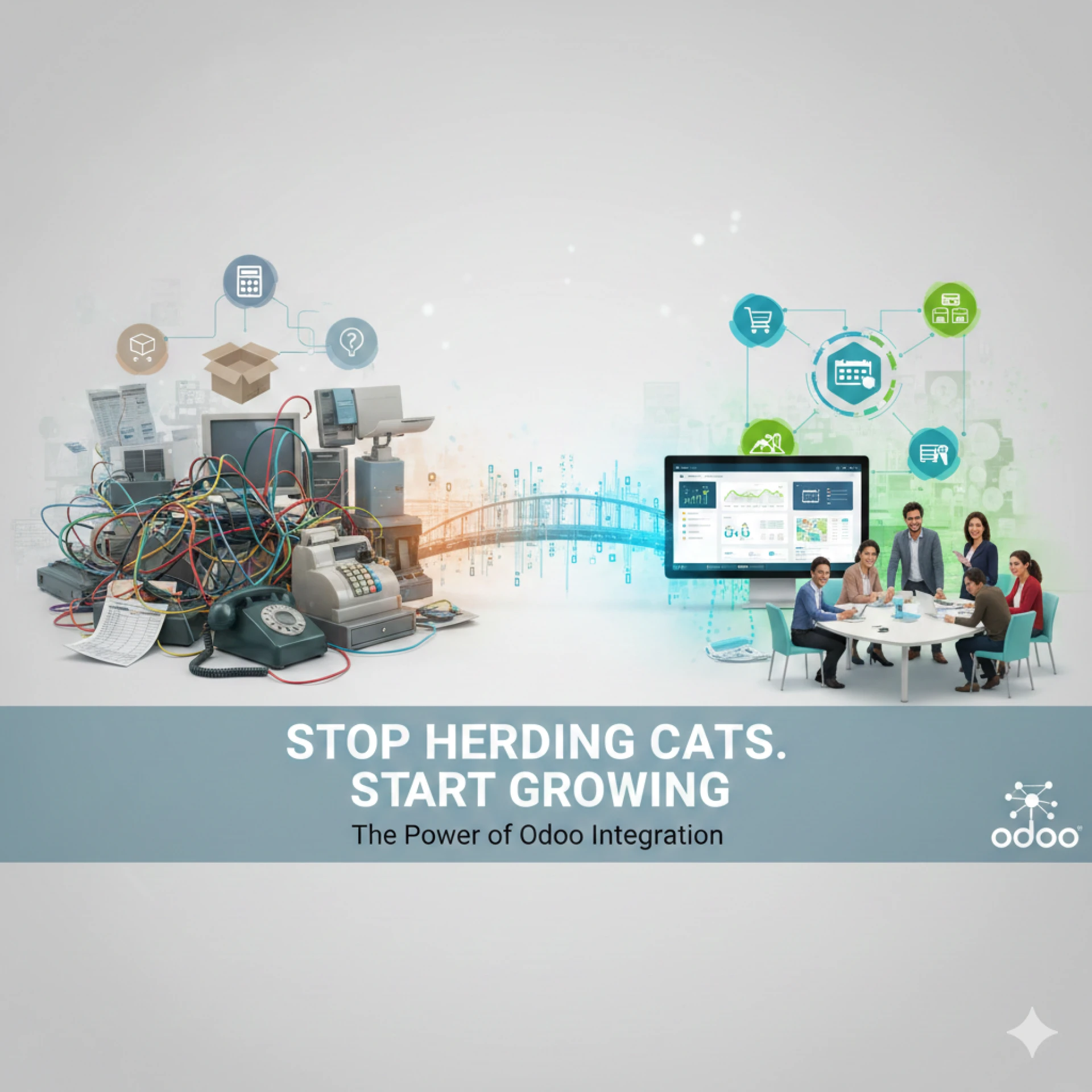
A successful Odoo ERP implementation can revolutionize your business, streamlining workflows and powering smarter choices. But traps like poor planning, weak partners, or skipped tests can turn your dream into a headache. By avoiding these six mistakes, you’ll set sail for a system that boosts efficiency and fuels growth. Ready to make your Odoo ERP implementation a win? Reach out for a free consultation at [email protected] and let’s build a system that makes your business soar like a kite at a summer fiesta.
























Sign in to leave a comment.