You cleared the exam. Percentile looks strong. Calls are within reach.
So, where do most candidates lose the admit?
Not in CAT. Not in GD.
In the application itself.
What the MBA Application Process Actually Is
The MBA application process is the stage where B-schools evaluate your thinking, clarity, and intent—not just your score.
That’s the shift many don’t see coming.
Where Most Aspirants Go Wrong
They assume:
- Good percentile = strong chance
- One solid essay works everywhere
- Resume already “looks fine”
And that’s exactly why rejections happen quietly.
Mistake #1: The “Copy-Paste” Essay Trap
Writing one SOP and changing only the college name feels efficient.
It’s also the fastest way to get rejected.
Admissions teams read thousands of essays. Patterns stand out instantly.
What works instead?
- Mention specific courses, clubs, or faculty
- Align your goals with the school’s strengths
- Show you’ve done real research
Insight:
“Generic essays don’t get rejected for being bad—they get rejected for being forgettable.”
Mistake #2: Playing Safe With Your Profile
A lot of applicants try to look “perfect.”
No risks. No unusual stories. No personality.
Problem?
Everyone starts looking the same.
B-schools aren’t building classrooms. They’re building ecosystems.
Short fix:
- Highlight unique experiences
- Talk about failures (with learning)
- Show personality, not just achievements
Mistake #3: Resume That Talks… But Says Nothing
“Responsible for managing…”
“Worked on…”
“Part of…”
These lines don’t prove impact.
They describe presence.
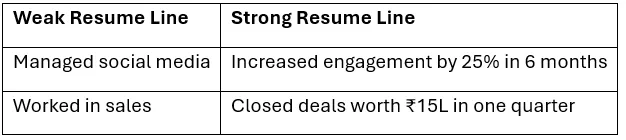
Numbers change perception instantly.
How This Plays Out in Reality
Two candidates. Same percentile.
Candidate A
Generic essay + average resume
Candidate B
Tailored essays + quantified achievements
Guess who converts more calls?
Not the smarter one.
The clearer communicator.
Mistake #4: Career Goals That Sound Good… But Mean Nothing
“I want to be a leader.”
“I want to contribute to society.”
Safe answers. Weak impact.
B-schools look for direction, not motivation quotes.
Better approach:
- Short-term: specific role + industry
- Long-term: logical progression
Example:
Product Manager → FinTech → Build scalable digital lending solutions
Mistake #5: The “Only Top IIMs” Strategy
It sounds ambitious.
It’s actually risky.
Even 99+ percentile doesn’t guarantee converts at top IIMs.
Smart applicants build a portfolio:
- Dream: Top IIMs
- Target: Tier-1 private colleges
- Safe: High ROI, high convertibility schools
Because one convert > five regrets.
The Real Filter Behind Recommendations
Most people chase designation.
They ask someone senior who barely knows them.
Result? Generic LOR.
Admissions teams can spot this instantly.
Better logic:
- Choose someone who has seen your work closely
- Provide them with your achievements
- Give context, not just request
Mistake #6: The “Impressive but Empty” Recommendation
A CEO saying “He is hardworking” carries less weight than a manager saying:
“Handled a ₹10L project independently and delivered ahead of deadline.”
Specificity beats status.
Mistake #7: The Silent Killer — Careless Errors
Typos. Grammar mistakes. Wrong college name.
These don’t just look bad.
They signal lack of seriousness.
And that’s enough to reject.
What the Data Actually Suggests
Across top B-schools, one pattern is consistent:
- Strong applicants get shortlisted
- Thoughtful applicants get selected
That difference is built entirely in the application stage.
A Simple Framework to Fix Your Application
Before submitting, check this:
- Is every essay customized?
- Does my resume show measurable impact?
- Are my goals specific and realistic?
- Does my LOR feel personal and detailed?
- Have I eliminated every possible error?
If even one answer is weak → improve before submitting.
The Line Most People Realize Too Late
“Your CAT score gets you shortlisted. Your story gets you selected.”
FAQs
How important is the MBA application compared to CAT score?
Very. CAT helps you get shortlisted, but the application determines final selection.
Can I use the same SOP for all B-schools?
No. Each school expects a tailored essay aligned with its culture and offerings.
What should an MBA resume focus on?
Impact and results, not just responsibilities. Numbers and outcomes matter.
How do I choose the right recommender?
Pick someone who knows your work well and can provide specific examples—not just a senior designation.
What is the biggest mistake in MBA applications?
Submitting generic, poorly researched applications with no personalization.
You don’t lose MBA admits because you’re not capable.
You lose them because you look replaceable.
If you’re unsure, platforms such as BoostMyTalent can help you evaluate colleges based on ROI, not just rankings.































Sign in to leave a comment.