
Data storage feels like a puzzle that never quite fits together perfectly. You create files and watch them multiply across servers and cloud platforms. The costs climb higher each month. Then, someone brings up the subject of tape drives, and you are not sure whether it is a technology that was already replaced in the 1990s or so.
The truth might surprise you. The development of tape storage tech has been quite a ride. Modern LTO-9 tape cartridges can hold up to 18TB of native capacity. Besides that, they come with fantastic longevity and price-per-gigabyte that even the most sophisticated technologies can't match.
Think about your organization's data sitting idle for months or years. You still need to access it occasionally. Tape drives provide the perfect solution for specific stages of your data lifecycle. They reduce storage costs by up to 80% compared to disk-based systems.
This article explores seven critical stages where tape drive technology delivers maximum value for your data management strategy.
Stage 1: Long-Term Archive Storage
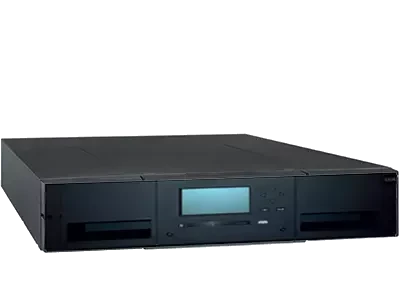
Your organization accumulates massive amounts of data that must be retained for years. Legal compliance demands it. This is where a Tape drive becomes indispensable, providing write-once archival reliability, minimal power consumption, and predictable retrieval for data that must be preserved but rarely accessed.
Properly stored, one LTO tape cartridge is usable for 30 years. In contrast, hard disks usually become inoperative after 3-5 years of constant usage. The calculation of replacement expenditures over time makes the reasoning very clear.
Key benefits include:
- Minimal power consumption during storage.
- No mechanical wear when offline.
Stage 2: Backup and Disaster Recovery
Contemporary backup schemes entail several levels of security, at least. Tape is the most secure option, as it is physically distanced, thus inaccessible to hackers even remotely. You create backup copies and physically disconnect them from your network.
Disaster recovery plans benefit from tape's portability. You can store copies hundreds of miles away from your primary data center. When disaster strikes, you have reliable copies ready to restore.
Important advantages:
- Fast sequential write speeds up to 400 MB/s.
- Cost-effective for full system backups.
- Simple rotation schemes for version control.
- Insurance against ransomware encryption.
The global tape storage market keeps on getting bigger every single day. It is thought to cross $4.5 billion in market size by 2032.
Stage 3: Cold Data Management
Your currently used data only constitutes a fraction of the total available storage. According to research, 80% of the data generated by an enterprise is not accessed after 90 days. This cold data still requires secure storage and occasional access.
Tape drives handle cold data brilliantly. You migrate inactive files to tape automatically using tiered storage management software. The system keeps metadata on fast drives while actual content lives on tape.
Setting Up Intelligent Data Tiering
Smart organizations implement policies that move data based on access patterns. Files that haven't been opened in 6 months migrate to tape automatically. Users can still retrieve them when needed through transparent tape integration.
Stage 4: Compliance and Regulatory Requirements
Financial institutions and healthcare organizations face strict data retention mandates. HIPAA requires medical records for a minimum of 6 years minimum. Financial regulations often demand 7-10 years of transaction history.
Tape storage meets WORM requirements perfectly. Write Once Read Many technology prevents anyone from altering archived records. Auditors love the tamper-proof nature of properly configured tape systems.
Compliance benefits include:
- Immutable record keeping.
- Chain of custody documentation.
- Encryption for sensitive data.
- Long-term format stability.
- Lower total cost of compliance.
Stage 5: Media and Entertainment Workflows
Video production companies generate enormous files. A single 4K movie project can consume 10-20TB of raw footage. 8K content doubles or triples those numbers.
Tape libraries provide scalable storage that grows with production schedules. Studios archive completed projects to free up expensive SSD and NAS storage for active work.
The Perfect Match for Post-Production
Editors need fast access during active production. Once a project wraps up, the massive files move to tape storage. Years later, when someone requests changes or remasters, the content can be restored quickly.
This workflow saves money while maintaining access to valuable intellectual property. The tape cartridges outlast the projects they contain by decades.
Stage 6: Scientific Research Data Preservation
Research institutions collect irreplaceable experimental data. Climate studies and astronomical observations cannot be repeated. This data must survive for generations of future scientists.
LTO tape technology provides the longevity researchers require. Migration strategies move data to newer tape formats every decade. This ensures readability as technology evolves.
Research advantages:
- Massive capacity for sensor data.
- Reliable long-term preservation.
- Cost-effective for grant budgets.
- Portable for collaboration.
- Format migration paths.
Stage 7: Cloud Storage Cost Optimization
Cloud storage seems convenient until monthly invoices arrive. Egress fees and storage tiers create unexpected costs. Organizations with petabytes of data face bills running into hundreds of thousands annually.
Hybrid approaches combine cloud and tape strategically. You keep frequently accessed data in the cloud while archiving cold data to on-premises tape libraries.
Building a Hybrid Strategy That Works
Smart companies analyze access patterns and the total cost of ownership. Data accessed monthly stays in cloud storage. Everything else moves to tape, saving 70-80% on storage costs.
The hybrid model provides flexibility without vendor lock-in. You control your archival data physically while leveraging cloud benefits for active workloads.
Conclusion
Tape drives deliver exceptional value at specific data lifecycle stages. Modern tape systems offer remarkable capacity and reliability with minimal ongoing costs. Your data strategy should match storage technology to actual usage patterns. Active data deserves fast SSDs. Warm data works well on spinning disks. Cold and archival data belongs on tape, where costs drop dramatically and longevity extends for decades.
The seven stages outlined here represent proven use cases where tape technology outperforms alternatives. Consider adding tape drives to your infrastructure and watch your storage economics transform completely.



























Sign in to leave a comment.