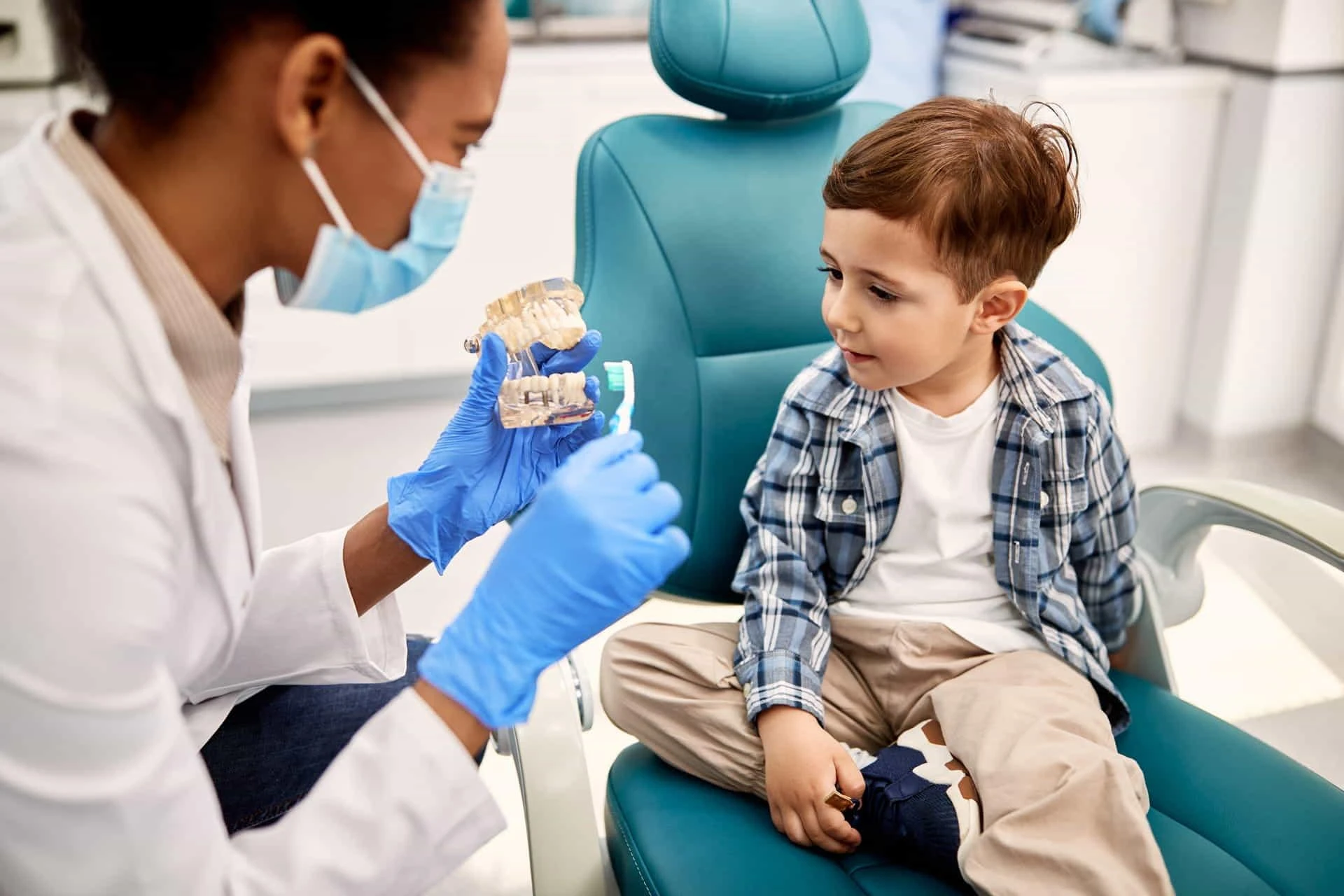

Establishing strong dental routines early shapes a child's lifelong oral health, yet many parents find it challenging to encourage consistent brushing and flossing. Some children resist completely, others rush through, and many simply don’t understand the importance. A pediatric dentist frequently sees the effects of poor hygiene, from early cavities to gum inflammation. Teaching kids proper brushing and flossing takes patience, creativity, and expert-backed strategies that make dental care second nature.
1. Make Brushing and Flossing a Daily Habit
Many parents struggle with kids who avoid brushing. A pediatric dentist frequently hears stories of children refusing to open their mouths or quickly swiping the toothbrush across their teeth before running off. Making oral hygiene a relaxed and rewarding experience requires more than reminders. It involves strategies that make it feel natural, engaging, and essential.
- Set a timer for two minutes and turn brushing into a fun challenge.
- Use an interactive brushing app that rewards consistency.
- Brush together as a family to encourage routine.
2. Start Oral Care Early for Stronger Teeth
Healthy dental habits should begin before the first tooth emerges. The American Academy of Pediatric Dentistry advises wiping a baby’s gums with a clean, damp cloth after feedings. Once teeth start erupting, they should be brushed using a soft-bristled toothbrush and a small amount of fluoride toothpaste.
- Begin flossing as soon as two teeth touch.
- Schedule the first dental appointment by the first birthday.
- Avoid putting a baby to sleep with a bottle of milk or juice.
3. Choose the Right Toothbrush and Toothpaste
Using a toothbrush designed for small hands and delicate gums makes brushing more comfortable. Pediatric dentists recommend soft-bristled brushes with ergonomic handles for better grip. Toothpaste choice matters, too—fluoride is essential for cavity prevention, but strong flavors can discourage children from brushing.
- Pick a toothbrush with a compact head and ultra-soft bristles.
- Choose toothpaste with fluoride and a mild, kid-friendly flavor.
- Replace toothbrushes every three months or when bristles fray.
4. Turn Brushing into a Fun and Engaging Activity
Making brushing enjoyable increases the likelihood of consistency. Music, games, and creative rewards work well for younger children. A pediatric dentist often recommends interactive approaches that make brushing feel like an adventure instead of a chore.
- Play a favorite song while brushing to keep kids engaged.
- Use a reward chart to track daily brushing and celebrate milestones.
- Let children pick their toothbrush and toothpaste for a sense of ownership.
5. Proper Brushing Techniques for Effective Cleaning
Brushing correctly is just as crucial as doing it regularly. Many kids move the toothbrush too quickly or neglect key areas. A pediatric dentist suggests using a gentle circular motion to clean all surfaces of the teeth and gums.
- Hold the toothbrush at a 45-degree angle to reach the gum line.
- Use small, circular motions rather than aggressive back-and-forth strokes.
- Ensure children brush their tongue to reduce bacteria buildup.

6. Make Flossing Easier and More Manageable
Flossing removes plaque from between teeth where a toothbrush cannot reach, yet many kids struggle with it. A pediatric dentist emphasizes that early flossing habits prevent cavities and gum disease later in life.
- Use floss picks or kid-friendly flossers for better control.
- Demonstrate flossing on a stuffed animal or toy for better understanding.
- Start with once-a-day flossing, preferably before bedtime.
7. Set a Positive Example with Healthy Dental Habits
Children learn by example, so modeling good dental habits makes a significant difference. A pediatric dentist often observes that kids with parents who prioritize oral hygiene tend to develop stronger habits themselves.
- Brush and floss together to reinforce the importance of daily care.
- Stay consistent, even on busy days or vacations.
- Keep the experience positive by avoiding threats or punishments related to dental care.
Scheduling Regular Checkups for Expert Guidance
Routine dental visits reinforce at-home care. A pediatric dentist not only checks for cavities but also helps kids build a positive relationship with dental checkups. Preventative care reduces the risk of complex dental problems later.
- Schedule checkups every six months for thorough monitoring.
- Ask for personalized brushing and flossing recommendations.
- Ease dental fears by explaining what to expect in a simple way.
Essential Takeaways for Teaching Kids Healthy Dental Habits
- Build strong habits early to establish lifelong oral hygiene.
- Turn brushing into a positive experience with rewards and games.
- Teach proper techniques to ensure thorough cleaning.
- Choose soft-bristled toothbrushes and mild-flavored fluoride toothpaste.
- Set a consistent example by brushing and flossing together.
- Schedule pediatric dental visits twice a year for expert advice.
Frequently Asked Questions About Kids’ Oral Health
How much toothpaste should kids use?
A rice-sized amount is suitable for children under three, while a pea-sized portion is recommended for kids three and older, according to the American Dental Association.
When should a child start using mouthwash?
Most pediatric dentists advise waiting until a child can reliably spit, typically around age six. Fluoride mouthwash can help prevent cavities but should not replace brushing and flossing.
What happens if a child swallows toothpaste?
Swallowing small amounts occasionally is not harmful, but frequent ingestion may cause fluorosis, affecting tooth enamel. Always supervise young children while brushing.
Why do baby teeth matter if they eventually fall out?
Baby teeth maintain space for permanent teeth and support speech and chewing. Premature loss can lead to alignment problems, making proper care essential even before adult teeth appear.
How can parents encourage kids who resist brushing?
Making brushing fun, offering choices, and using positive reinforcement can encourage cooperation. If resistance continues, a pediatric dentist can provide additional guidance.



































Sign in to leave a comment.