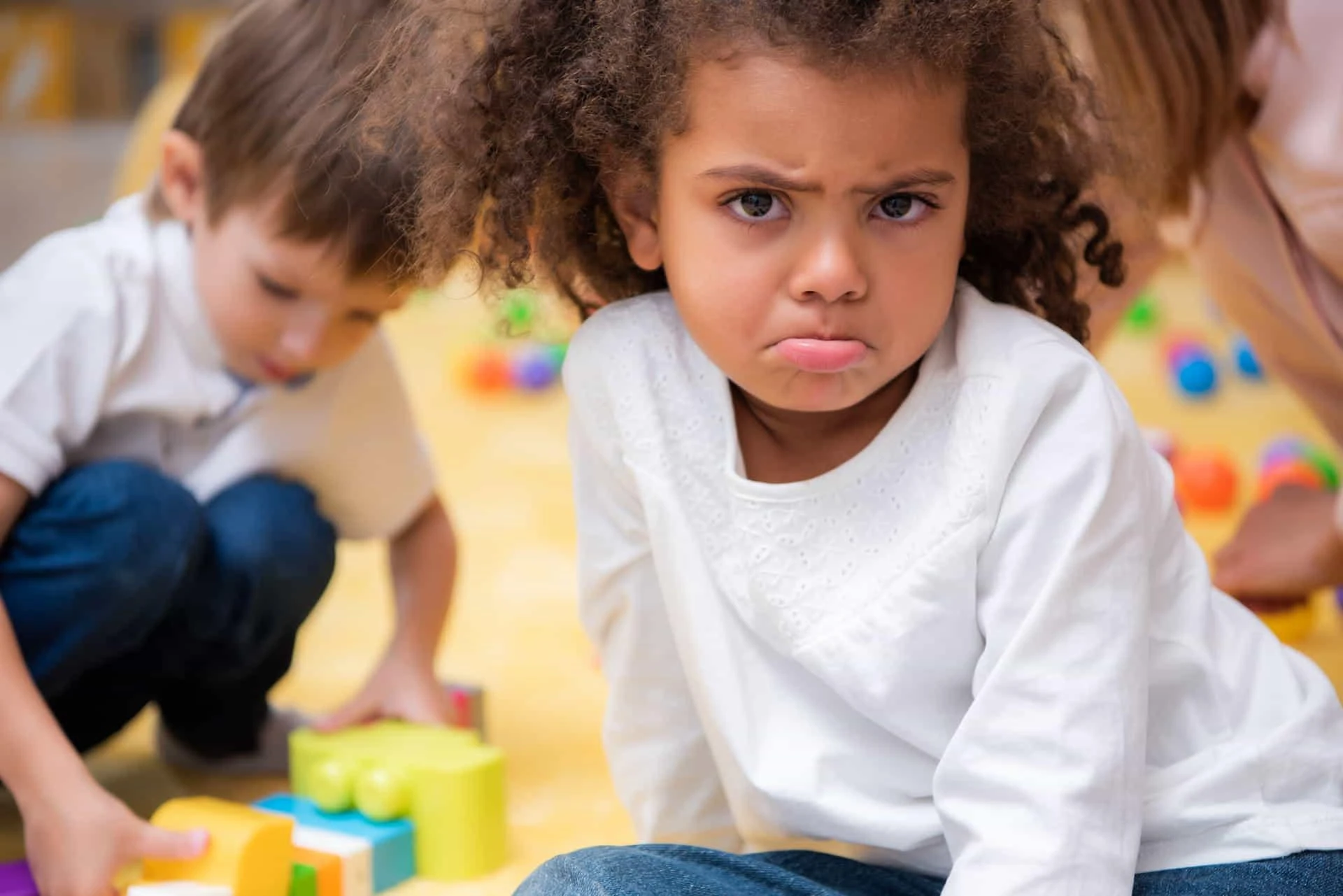

Children experience stress, worry, and fear just like adults, but their ability to process emotions is still developing. Anxiety can take many forms, from excessive worry about school to difficulty making friends or unexplained physical symptoms like stomachaches and headaches. Without proper intervention, these struggles can escalate and affect a child’s overall well-being. Behavioral counseling provides structured support that teaches children how to manage anxiety effectively. This approach offers long-term strategies that help children regain confidence and emotional stability.
1 Cognitive Behavioral Counseling for Kids
Understanding emotions can be difficult for children, especially when anxious thoughts take over. A young child might refuse to go to school, fearing something bad will happen, while an older child might avoid social situations due to fear of embarrassment. Cognitive behavioral therapy (CBT) helps children recognize these anxious thoughts and replace them with realistic, healthy ones.
- The National Institute of Mental Health (NIMH) reports that CBT is one of the most effective treatments for childhood anxiety disorders.
- Children learn to identify irrational fears and practice new ways of thinking.
- Sessions include role-playing, visualization, and other interactive exercises that help children shift their mindset.
2 Counseling Strategies for Childhood Worry
Recurring worry can feel overwhelming, leading to restlessness and difficulty concentrating. Some children worry about failing a test even when they have prepared thoroughly, while others fixate on social interactions long after they occur. Behavioral counseling introduces techniques that help children take control of their thoughts instead of letting fear dictate their actions.
- Exposure therapy gradually introduces children to feared situations in a safe, controlled environment.
- Relaxation techniques, such as progressive muscle relaxation, help reduce tension in the body.
- Guided imagery and storytelling allow children to reframe their worries in a positive way.
3 Parental Involvement in Anxiety Counseling
Caregivers play a major role in shaping a child’s emotional response to stress. A child may feel supported when their parents encourage them to face fears, or they may feel more anxious if their worries are unintentionally reinforced. Behavioral counseling often includes parental guidance to create a supportive home environment.
- Family sessions provide education on how to respond to anxiety in a way that encourages resilience.
- Parents learn how to model healthy coping strategies for their children.
- Structured activities help parents and children practice anxiety-reducing techniques together.
4 Building Coping Skills with Counseling
Emotional regulation is essential for managing anxiety. Some children react with avoidance, while others experience meltdowns or physical symptoms like headaches. Teaching practical coping skills gives children a sense of control and prepares them to handle challenges.
- Deep breathing exercises slow the heart rate and calm the nervous system.
- Mindfulness activities teach children how to stay present instead of worrying about the future.
- Keeping a journal helps children express emotions and recognize patterns in their thoughts.

5 Behavioral Counseling for Social Anxiety
Fear of judgment can make social situations feel intimidating. A child with social anxiety may refuse to speak in class, avoid playdates, or become physically ill before social events. Behavioral counseling gradually introduces strategies to build social confidence.
- Role-playing allows children to practice conversations and build communication skills.
- Exposure therapy helps children become more comfortable in social situations over time.
- Positive reinforcement encourages small steps toward overcoming social fears.
6 Reducing School Stress with Counseling
Academic pressure can contribute to anxiety, causing children to fear failure or perfectionism. Some may procrastinate to avoid stress, while others may overwork themselves trying to achieve unrealistic goals. Counseling teaches children to balance effort with self-care.
- Problem-solving techniques help children break challenges into manageable steps.
- Time management skills reduce stress by creating structure in daily routines.
- Self-affirmation exercises build confidence in a child’s ability to succeed.
7 Long-Term Benefits of Anxiety Counseling
Addressing childhood anxiety early has lasting benefits. Learning to manage emotions in childhood reduces the risk of anxiety disorders in adulthood. Children who develop healthy coping strategies are more likely to face challenges with confidence.
- Early intervention prevents anxiety from interfering with daily life.
- Children build resilience, which helps them handle future stressors more effectively.
- Strong emotional skills lead to better relationships, academic success, and overall well-being.
Key Takeaways on How Counseling Helps Childhood Anxiety
- Behavioral counseling teaches children to challenge anxious thoughts and develop healthy coping strategies.
- Parents play a vital role in supporting a child’s progress and reinforcing positive behaviors.
- Addressing anxiety early helps children build confidence and emotional resilience for the future.
Frequently Asked Questions About Childhood Anxiety Counseling
1. What age should a child start behavioral counseling for anxiety?
Children as young as preschool age can benefit from counseling if anxiety significantly affects their daily life. The right time to start depends on the severity of symptoms.
2. Can behavioral counseling replace medication for childhood anxiety?
Many children see significant improvement through counseling alone. However, in severe cases, a combination of therapy and medication may be recommended by a healthcare professional.
3. How long does it take for counseling to help childhood anxiety?
Progress varies, but many children begin to see improvement within a few months. Regular practice of learned techniques strengthens long-term results.
4. What is the most effective type of counseling for childhood anxiety?
Cognitive behavioral therapy (CBT) is widely recognized as the most effective approach. It focuses on identifying and changing anxious thought patterns.
5. How can parents reinforce counseling techniques at home?
Parents can encourage children to use coping skills daily, provide reassurance without reinforcing fears, and maintain open conversations about emotions.































Sign in to leave a comment.