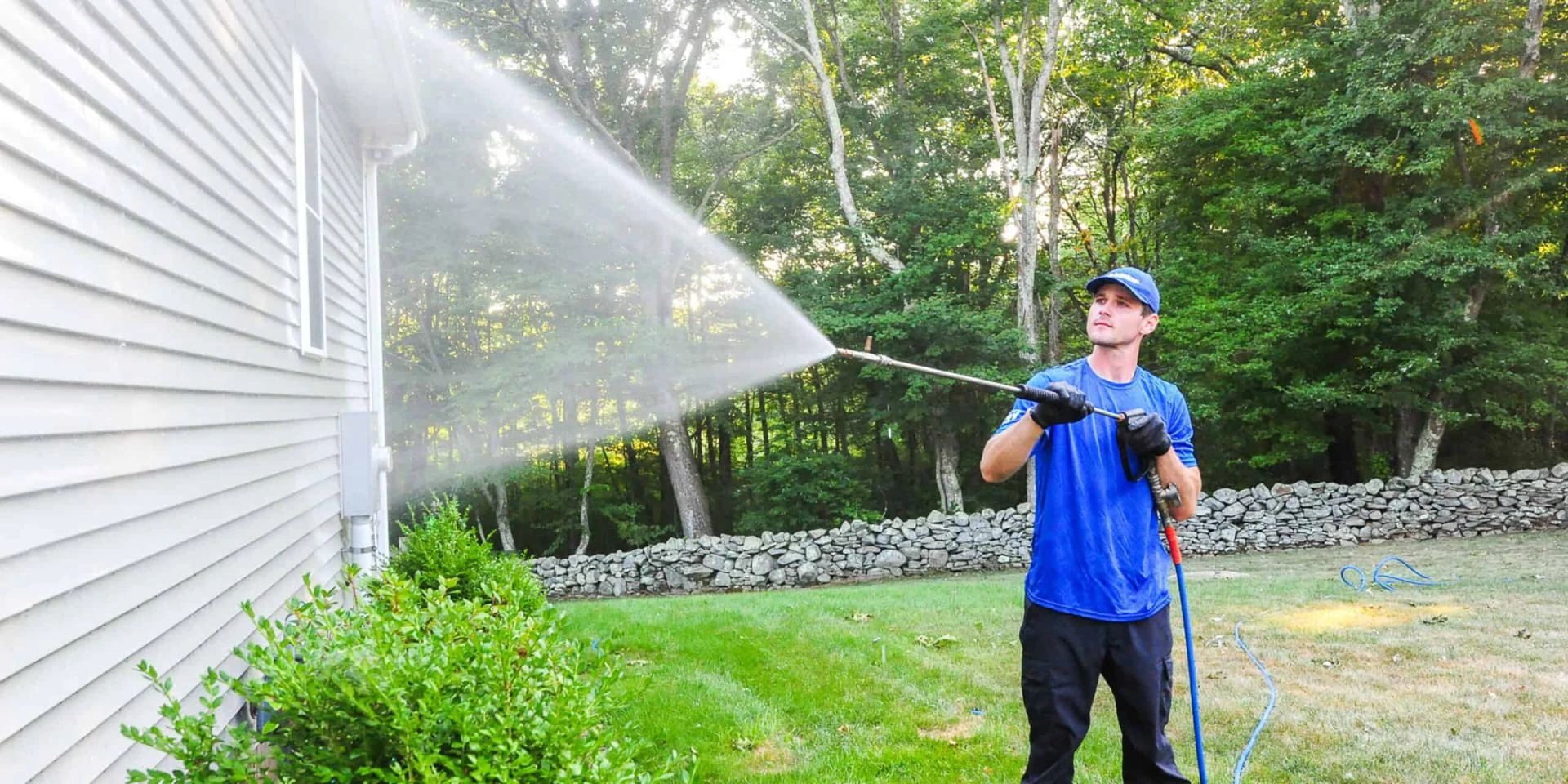

Outdoor surfaces endure relentless exposure to the elements, accumulating grime, mold, and pollutants that gradually deteriorate their structure. Routine pressure washing safeguards your home’s exterior by eliminating harmful buildup before it causes extensive damage. Siding, decks, driveways, and roofs all benefit from deep cleaning, which preserves their strength and appearance. Danny’s Pressure Washing and Soft Washing emphasizes the importance of maintenance, stating, "Unattended buildup erodes surfaces over time, leading to costly repairs that could have been prevented."
1 Preventing Mold and Mildew Buildup
Damp conditions encourage rapid mold and mildew growth, which spreads across exterior surfaces if left unchecked. These fungi not only weaken materials but also trigger allergies and respiratory issues. Pressure washing eliminates spores before they seep into crevices and cause extensive damage.
- Lowers the presence of allergens that contribute to respiratory conditions.
- Reduces moisture retention that can cause wooden surfaces to rot.
- Stops mold from infiltrating walls and air circulation systems.
2 Eliminating Stubborn Dirt and Pollutants
Airborne particles settle on surfaces daily, creating layers of grime and industrial residue. Over time, these contaminants stain paint, discolor siding, and accelerate material degradation. Routine pressure washing preserves the home’s appearance while preventing lasting damage.
- Shields against the corrosive effects of acid rain and airborne toxins.
- Maintains the vibrancy of paint, brick, and siding materials.
- Prevents rust from forming on metal fixtures and exterior hardware.
3 Preserving Paint and Siding Integrity
Grime accumulation traps moisture against painted surfaces, leading to premature peeling and cracking. Vinyl and wooden siding also suffer from embedded debris that accelerates fading and deterioration. Pressure washing keeps these surfaces in peak condition by eliminating contaminants that degrade their quality.
- Removes old paint residue, ensuring smooth adhesion for future coatings.
- Protects siding from premature deterioration by reducing exposure to harsh elements.
- Prolongs the lifespan of exterior finishes by preventing buildup-related wear.
4 Preventing Wood Decay and Structural Weakening
Wooden features such as decks and fences absorb moisture, leading to rot if not properly maintained. Dirt and algae trap water against the surface, hastening decay. Pressure washing removes organic buildup, allowing wood to dry thoroughly and remain resilient.
- Discourages insect infestations by eliminating damp, decaying material.
- Reduces warping and splitting caused by persistent moisture retention.
- Prepares wooden surfaces for sealing or staining, enhancing longevity.
5 Extending Roof Durability by Removing Algae
Dark streaks on shingles often indicate algae growth, which gradually deteriorates roofing materials. This buildup also diminishes energy efficiency by absorbing heat instead of reflecting it. Soft washing, a lower-pressure cleaning method, effectively removes algae while preserving shingle integrity.
- Prevents leaks by reinforcing the durability of roofing materials.
- Improves insulation by maintaining a reflective and energy-efficient roof surface.
- Stops algae from spreading to gutters and other connected areas.
6 Clearing Gutters and Downspouts for Efficient Drainage
Gutters play an essential role in directing water away from a home’s foundation. When clogged with leaves, dirt, and debris, they overflow, leading to water damage and erosion. Pressure washing prevents blockages, ensuring proper drainage and protecting structural stability.
- Minimizes the risk of basement flooding due to backed-up water.
- Protects the foundation from excessive water exposure and erosion.
- Prevents gutter deterioration by reducing rust and material breakdown.
7 Protecting Concrete and Stone Surfaces
Driveways, patios, and walkways endure heavy foot traffic and constant exposure to the elements. Oil spills, dirt, and moss infiltrate small cracks, causing further expansion when temperatures fluctuate. Pressure washing removes these contaminants before they lead to expensive structural repairs.
- Prevents freeze-thaw damage by eliminating moisture-retaining debris.
- Cleans oil stains that can weaken concrete and asphalt over time.
- Enhances safety by reducing the risk of slipping on moss-covered surfaces.
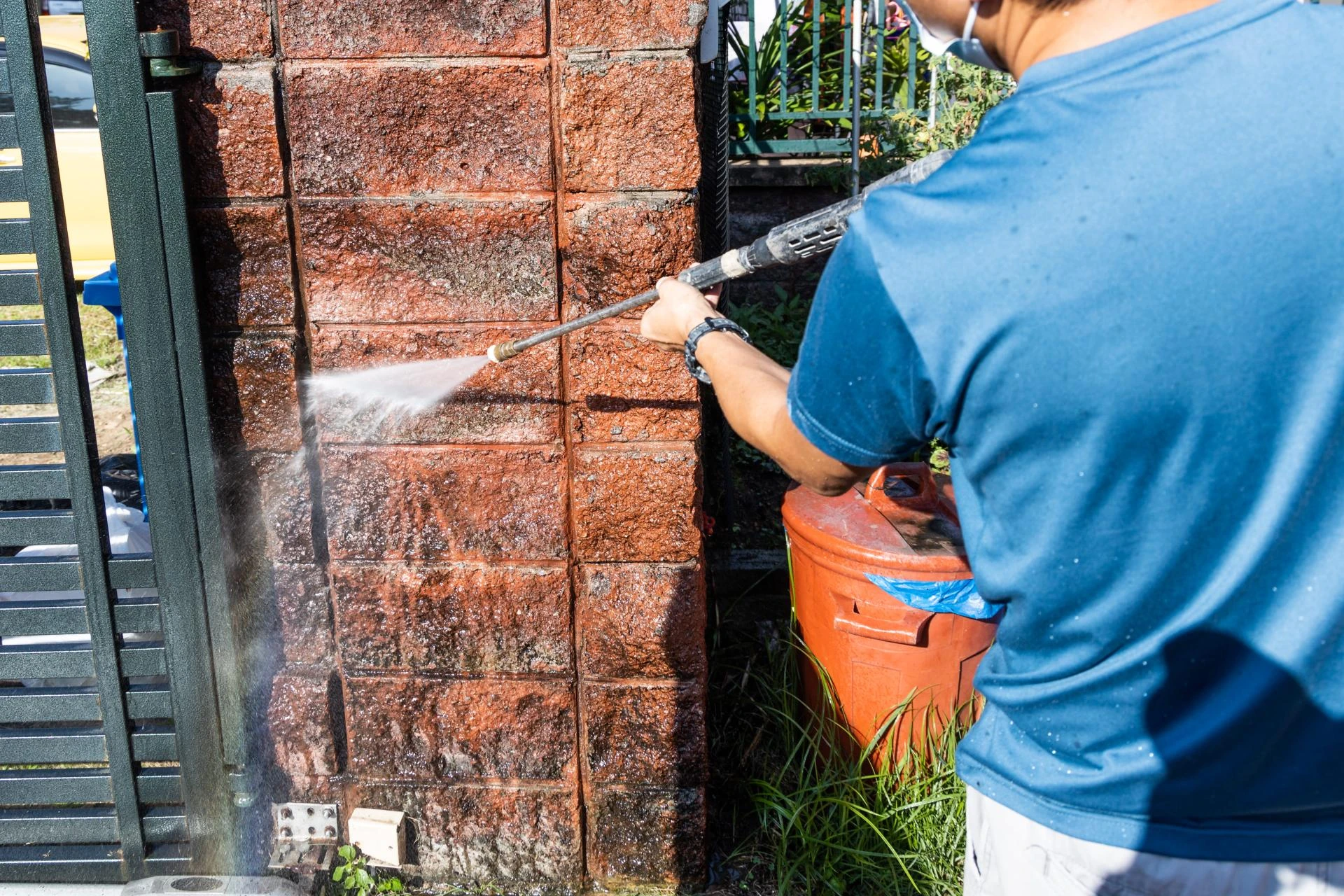
Key Insights on Pressure Washing for Exterior Longevity
- Routine pressure washing removes contaminants that degrade structural materials.
- Mold and mildew are eradicated before they weaken exterior surfaces.
- Siding and paint remain intact when kept free from moisture buildup.
- Wooden decks and fences last longer when organic growth is regularly removed.
- Roofing materials stay durable and energy-efficient when algae is eliminated.
- Gutters function properly when blockages are prevented.
- Concrete and stone surfaces resist cracking and staining with regular maintenance.
Frequently Asked Questions About Pressure Washing for Home Exteriors
How often should homeowners pressure wash their property?
The frequency depends on factors like climate, nearby trees, and pollution levels. Most homes benefit from annual cleanings, but properties in humid or high-pollution areas may require service twice a year.
Is pressure washing safe for all exterior materials?
Professionals adjust pressure settings and cleaning methods based on the material being treated. Soft washing is recommended for delicate surfaces like roofs and wooden siding.
Does pressure washing help prepare a house for repainting?
Yes, removing dirt, peeling paint, and mildew ensures a smoother application and extends the longevity of new paint.
Can pressure washing reduce pest problems?
Clearing debris and organic matter eliminates conditions that attract termites, ants, and other insects, preventing infestations.
Which exterior areas benefit most from pressure washing?
Siding, driveways, roofs, decks, patios, fences, and gutters all improve in appearance and durability with routine cleaning.


































Sign in to leave a comment.