

Early childhood development shapes a child's ability to learn, interact, and gain independence. Some children progress at their own pace, but when delays occur, early intervention becomes crucial. Your pediatrician plays a vital role in recognizing potential developmental concerns before they significantly impact learning and social skills. Identifying and addressing developmental delays early helps children receive necessary support for improved cognitive, motor, and communication abilities.
How Pediatricians Recognize Developmental Delays in Children
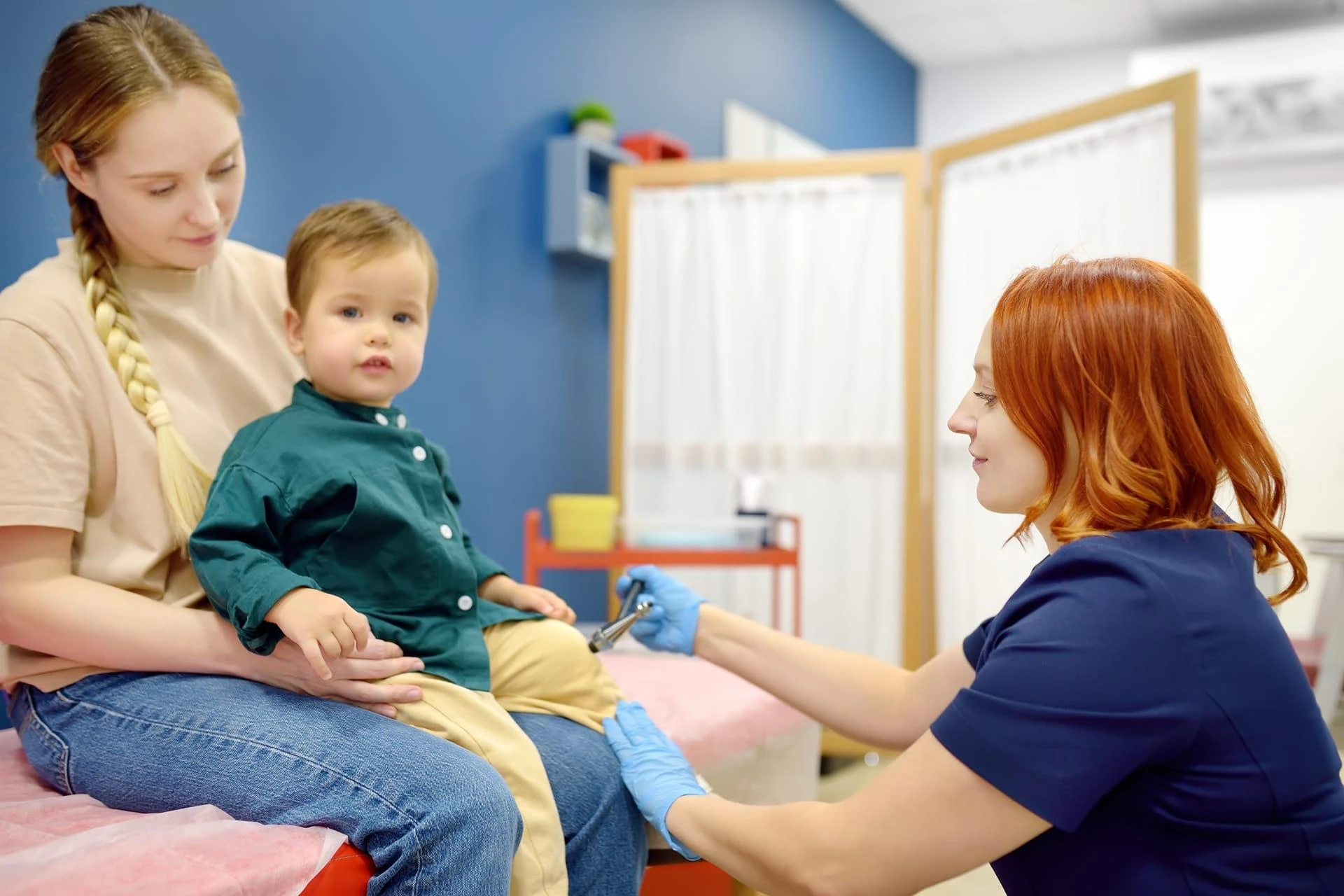
A mother notices her toddler isn’t forming simple sentences like other children his age. She mentions her concerns to the pediatrician during a routine visit, who carefully assesses speech patterns, motor coordination, and social engagement. After conducting a developmental screening, the pediatrician recommends speech therapy to support language growth. Detecting delays early allows families to access interventions that promote long-term developmental success.
1. Monitoring Developmental Milestones Over Time
Pediatricians track childhood development by assessing cognitive, social, and motor milestones at different ages. Well-child checkups provide structured opportunities to evaluate whether a child is progressing as expected. Regular monitoring ensures potential delays are identified before they become long-term challenges.
- Most infants recognize familiar voices, respond to their name, and begin exploring objects by six months.
- Toddlers typically string words together, imitate behaviors, and express emotions by age two.
- Limited mobility, difficulty grasping objects, or reduced interest in interaction may signal developmental concerns.
2. Conducting Standardized Screenings for Accurate Evaluation
Structured screenings help pediatricians measure a child's development in comparison to standard benchmarks. Tools like the Ages and Stages Questionnaire (ASQ) and the Modified Checklist for Autism in Toddlers (M-CHAT) assess a child’s language, motor, and social abilities. These screenings ensure concerns are identified early, increasing the likelihood of successful intervention.
- The American Academy of Pediatrics (AAP) recommends formal screenings at 9, 18, and 24 or 30 months.
- Standardized assessments help pinpoint developmental gaps that may not be visible during regular interactions.
- Early screening improves access to therapy programs, preventing minor delays from becoming major setbacks.
3. Evaluating Communication and Social Interaction
Verbal and nonverbal communication are essential for social development and emotional connection. Pediatricians observe a child’s interactions with caregivers and peers to assess language skills, responsiveness, and engagement. Delays in these areas may indicate speech disorders, cognitive impairments, or autism spectrum disorder (ASD).
- Avoidance of eye contact, limited verbal expression, or lack of gestures can be early signs of developmental delays.
- Delayed speech, difficulty following instructions, or trouble forming words may indicate language processing concerns.
- Reduced social engagement, frequent frustration, or difficulty expressing needs often require additional evaluation.
4. Assessing Motor Skills and Physical Development
Movement and coordination play a fundamental role in daily independence and overall health. Pediatricians evaluate a child’s ability to control gross and fine motor functions, ensuring their development aligns with expected milestones. Delays in physical growth may indicate muscular, neurological, or sensory concerns.
- Delayed crawling, inability to stand, or lack of walking progress may suggest muscle tone or nerve-related conditions.
- Difficulty grasping small objects, using utensils, or drawing basic shapes could signal fine motor challenges.
- Frequent stumbling, poor coordination, or inability to climb stairs may require additional therapy or intervention.
5. Identifying Sensory Processing and Behavioral Challenges
Children react to their environment in unique ways, but extreme sensitivity or lack of response to sensory input can indicate developmental differences. Pediatricians observe behavioral patterns, sensory preferences, and emotional regulation to assess whether a child may need additional support.
- Avoidance of certain textures, loud noises, or bright lights may indicate sensory processing difficulties.
- Repetitive behaviors, such as hand-flapping, rocking, or fixations, may be early indicators of autism spectrum disorder.
- Unusual reactions to change, difficulty adapting to routines, or excessive emotional outbursts may signal regulatory concerns.
6. Connecting Families to Early Intervention Programs
Pediatricians guide families toward evidence-based therapies that support developmental progress. Research confirms that early intervention significantly improves outcomes for children experiencing delays in speech, motor function, or learning. Federal and state-funded programs, including those under the Individuals with Disabilities Education Act (IDEA), ensure that children receive services tailored to their specific needs.
- Speech therapy enhances verbal expression, comprehension, and pronunciation.
- Occupational therapy strengthens fine motor skills, sensory integration, and self-care abilities.
- Physical therapy supports posture, balance, and movement coordination for improved mobility.
7. Tracking Progress and Adjusting Support Strategies
Developmental progress varies for each child, requiring continuous evaluation and adaptation of treatment plans. Pediatricians monitor improvements over time, ensuring children receive the most effective interventions. Regular reassessments help refine therapy strategies, keeping children on a positive developmental trajectory.
- Follow-up screenings allow pediatricians to measure a child’s response to therapy and adjust recommendations accordingly.
- Collaboration with speech therapists, occupational specialists, and early education providers ensures comprehensive care.
- Adjusting treatment plans based on progress prevents small setbacks from becoming larger developmental barriers.
Key Insights on How Pediatricians Detect and Address Developmental Delays
- Pediatricians track developmental milestones to monitor cognitive, motor, and social growth.
- Structured screening tools provide measurable insights into potential delays.
- Communication and social engagement are strong indicators of a child's overall development.
- Motor function assessments help detect coordination, balance, and movement challenges.
- Sensory responses and behavioral patterns guide further evaluation and specialized care.
- Early intervention services improve speech, motor, and learning abilities.
- Regular follow-ups ensure therapy plans remain effective and evolve with a child’s needs.
Frequently Asked Questions About Developmental Delays in Children
1. What are the earliest warning signs of developmental delays?
Late speech development, difficulty with balance and coordination, or lack of interest in interaction can be early indicators. Pediatricians carefully assess these concerns during routine checkups.
2. When should a child be screened for developmental delays?
The American Academy of Pediatrics recommends developmental screenings at 9, 18, and 24 or 30 months. Additional evaluations may be necessary if parents or caregivers notice concerns.
3. Can developmental delays improve without therapy?
Some children naturally catch up, but many benefit from early support. Pediatricians often recommend therapies that target specific challenges, helping children develop skills more effectively.
4. What should parents do if they believe their child has a developmental delay?
Parents should document observations and discuss concerns with a pediatrician. Keeping a record of speech, motor skills, and social interactions helps professionals assess progress accurately.
5. What resources are available for children with developmental concerns?
Early intervention services, therapy programs, and special education resources are accessible through healthcare providers, schools, and local community agencies. Pediatricians guide families toward the most appropriate services.
Early identification of developmental delays allows children to receive the necessary support for their cognitive, physical, and social growth. Pediatricians use milestone tracking, standardized screenings, and professional evaluations to detect delays before they become obstacles. When families have access to expert guidance and early interventions, children can develop essential skills that enhance their ability to communicate, learn, and engage with the world.

































Sign in to leave a comment.