

Protecting dental health requires more than basic daily care. How frequently a person should see a dentist depends largely on individual habits, past dental experiences, and overall health conditions. Some people need routine appointments every few months, while others maintain their teeth well with fewer checkups. Prioritizing dental visits based on personal risk helps prevent serious problems and preserves oral health over time.
“The Dental Krewe explains that the right dental visit schedule isn’t one-size-fits-all, it should reflect each patient’s habits, history, and risk level so small concerns are caught early and long-term oral health stays on track.”
1. Dental history influences dental care frequency
Ongoing dental challenges increase the need for professional evaluations. Individuals who’ve experienced repeated cavities, gum disease, or multiple restorations face a greater likelihood of new or recurring problems, sometimes without early warning signs. Regular monitoring helps protect dental work like crowns, implants, and bridges, which can fail without attention.
- CDC data shows nearly 90% of adults experience tooth decay during their lifetime.
- Gum disease history elevates the risk of future infections and permanent damage.
- Continuous evaluation prevents deterioration of existing dental work, avoiding costly repairs.
2. Oral hygiene practices shape dental appointments
Thorough hygiene routines help reduce how often a dentist is needed but cannot replace professional care. Brushing, flossing, and rinsing daily controls bacteria, but even minor lapses allow plaque to harden and spread quickly. Neglected areas around molars or along the gum line become hotspots for decay.
- ADA studies confirm daily flossing prevents plaque buildup in hard-to-clean spaces.
- Hardened tartar develops in as little as two days and must be removed by a dental professional.
- Regular fluoride use strengthens enamel and helps prevent acid erosion.
3. Gum disease risk increases dental care needs
Higher vulnerability to gum disease means more dental visits are necessary to protect long-term health. Early stages of gum inflammation are often painless, allowing conditions like periodontitis to progress silently. Smokers, people with diabetes, and individuals with compromised immune systems face increased risks.
- Nearly 47% of adults over age 30 show gum disease symptoms, according to the CDC.
- Tobacco significantly weakens gum tissue and slows healing, making infections harder to control.
- Diabetes intensifies inflammation and slows recovery, increasing the chances of gum infections.
4. Age-related dental changes impact checkup frequency
Every age group faces different dental risks, which changes how often professional evaluations should occur. Children experience rapid dental development, requiring regular oversight to catch cavities or alignment problems early. Aging adults often struggle with enamel thinning, dry mouth, and gum recession, all of which raise the risk of decay.
- NIDCR reports that 42% of children between 2 and 11 develop cavities in their baby teeth.
- Older adults frequently face root exposure, leading to a higher chance of decay along the gum line.
- Braces or aligners need constant adjustments, requiring regular dental visits for proper care.

5. Diet and lifestyle habits shape dental care schedules
Frequent consumption of sugary foods, processed snacks, or acidic drinks creates lasting damage to teeth. Daily habits like sipping coffee, smoking, or chewing tobacco weaken enamel and stain teeth. Individuals with these habits usually require more frequent cleanings to manage plaque, discoloration, and gum irritation.
- CDC reports almost half of U.S. adults consume sugary beverages daily, increasing cavity risks.
- Smokers are twice as likely to develop severe gum infections as non-smokers.
- Acidic foods and drinks steadily erode enamel, leading to tooth sensitivity and decay.
6. Health conditions require closer dental monitoring
Chronic illnesses create additional challenges for oral health, requiring extra dental attention. Conditions such as diabetes, osteoporosis, and cancer treatments impact mouth health by weakening bone, reducing saliva, or slowing healing. Skipping visits leads to faster progression of these issues and costly procedures.
- NIH research shows osteoporosis weakens jawbone strength, raising the risk of tooth loss.
- Cancer therapies reduce saliva production, which can increase the rate of tooth decay.
- Diabetes exacerbates gum disease by impairing blood flow and natural healing abilities.
7. Financial barriers and insurance coverage
Cost remains a major factor in how often people schedule dental appointments. Insurance plans commonly cover preventive cleanings twice a year, but limited coverage or expensive treatments push many to delay necessary care. Community clinics and dental programs help reduce these barriers by offering affordable care options.
- ADA studies confirm cost is the primary reason many adults skip dental visits.
- Standard insurance plans often cover cleanings but limit coverage for advanced procedures.
- Local dental schools and clinics provide budget-friendly services for those with fewer resources.
Balancing individual dental health needs
Maintaining a personalized dental care schedule requires evaluating daily habits, medical conditions, and past dental history. Some individuals who follow strong hygiene routines may need fewer visits, while others with complex health risks require consistent monitoring. Customized dental care reduces the risk of severe dental issues and supports long-term oral health.
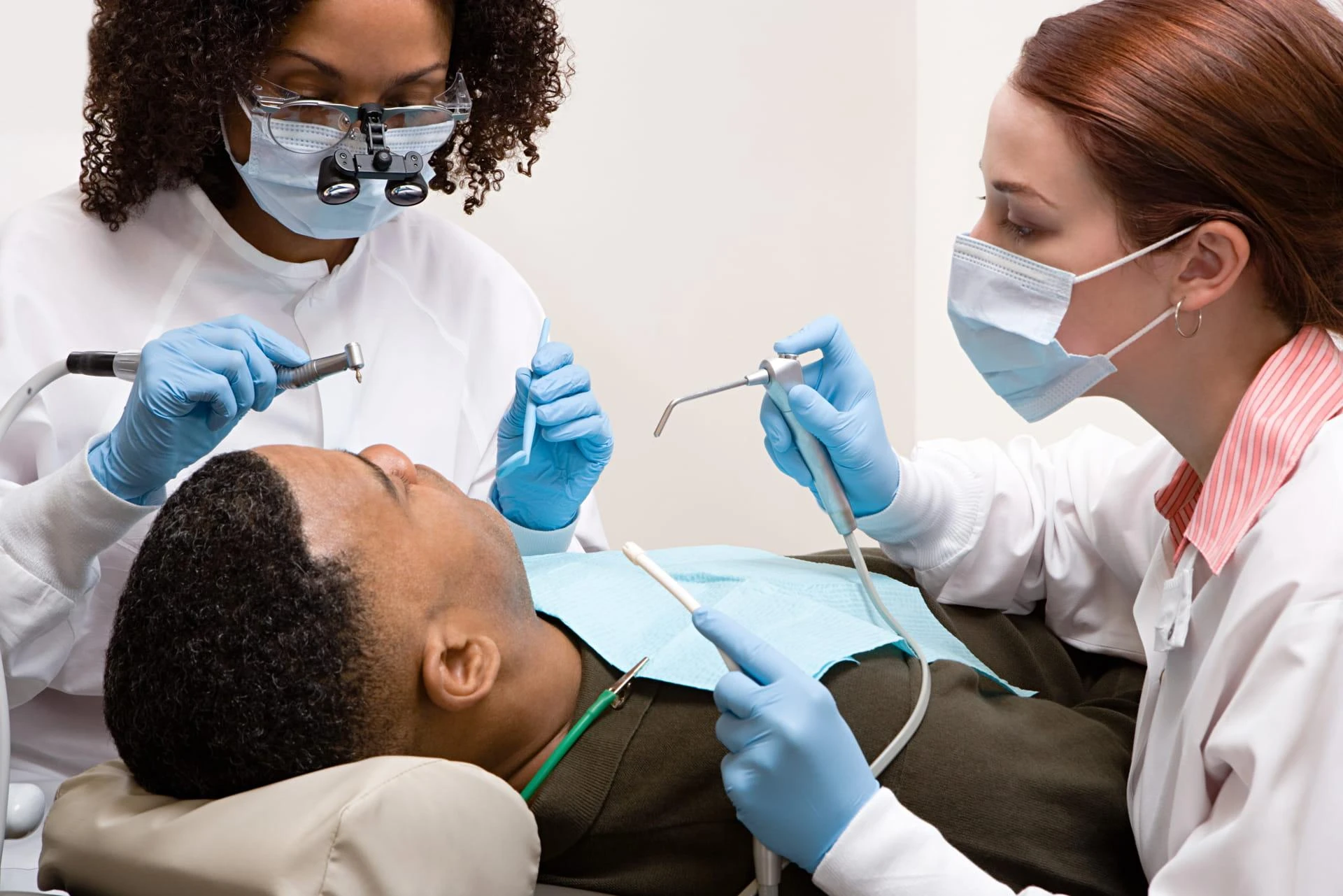
Key Takeaways About Dental Visit Frequency
- Persistent dental problems and restorations increase the need for regular checkups.
- Strong hygiene habits reduce risks but don’t eliminate the need for professional care.
- Higher gum disease risks arise with smoking, diabetes, and immune challenges.
- Frequent sugar consumption, acidic drinks, and tobacco use increase dental issues.
- Chronic health conditions like osteoporosis and cancer treatments require additional monitoring.
- Financial constraints and limited coverage often delay or reduce dental care frequency.
Frequently Asked Questions About Seeing a Dentist
Does dental health affect overall physical health?
Yes, poor oral health is linked to heart disease, diabetes complications, and stroke, based on CDC research.
Is seeing a dentist twice a year enough for everyone?
Not necessarily. People with gum disease, diabetes, or recurring dental problems often need cleanings every three to four months.
Does dental insurance usually cover major treatments?
Most plans cover basic cleanings but may offer limited coverage for crowns, implants, and complex procedures.
How does aging change dental health risks?
Seniors often experience gum recession, enamel wear, and dry mouth, increasing the chances of decay and tooth loss.
Why see a dentist if there’s no visible problem?
Dental issues often develop without obvious symptoms. Routine checkups catch problems early before they require expensive, invasive treatment.





























Sign in to leave a comment.