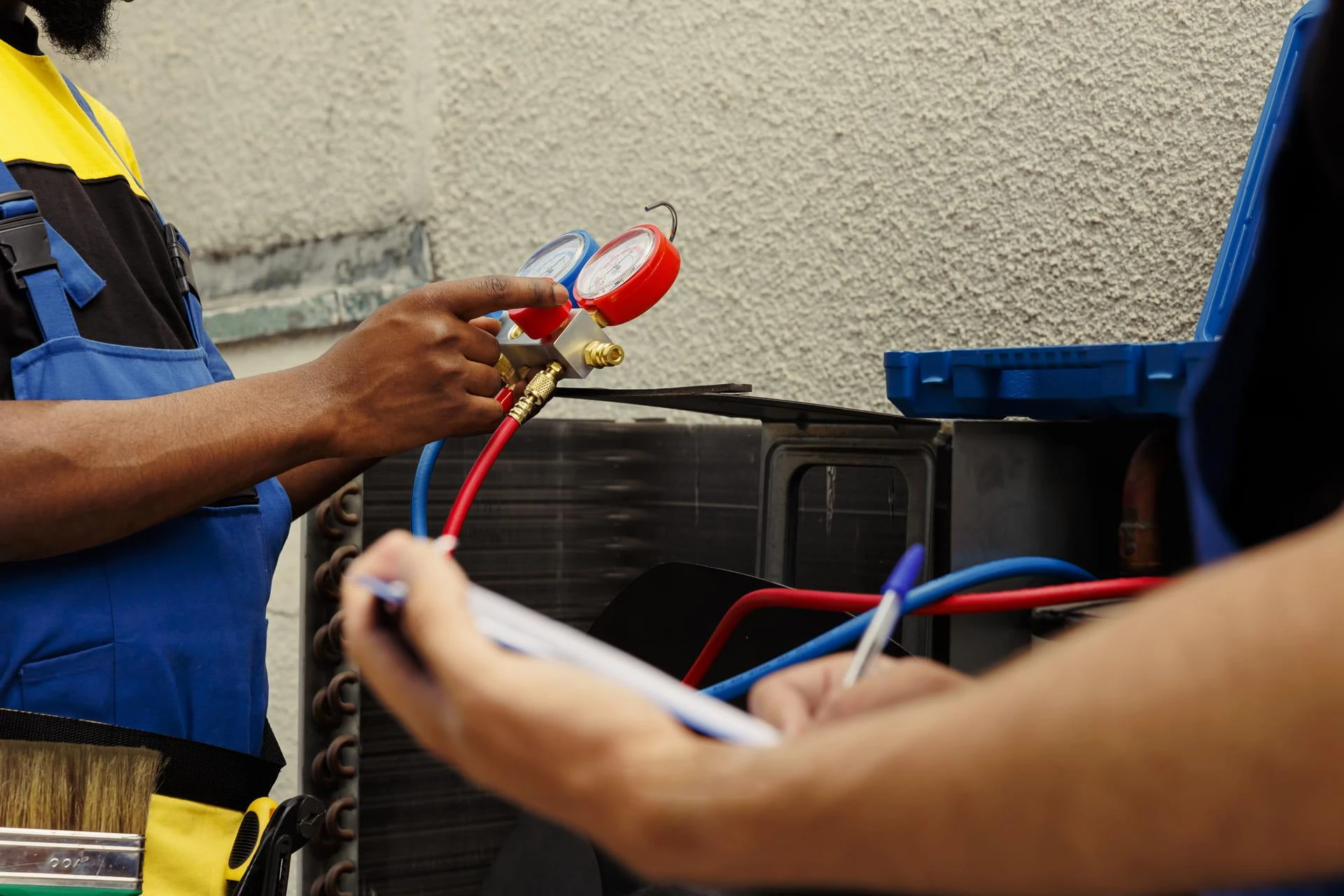

Air conditioning systems often waste power silently, pushing energy bills higher without homeowners noticing until it’s too late. Tropical Air Kare explains, “Energy drains inside your A/C system develop over time and strain every component, costing more each month while reducing comfort.” Recognizing these hidden problems early is critical, and scheduling professional A/C repair restores cooling efficiency while protecting your investment. The list below covers seven of the most common energy drains that drive costs up, along with expert solutions.
1. Dirty A/C Coils Increase Cooling Time
Layers of grime and debris coating evaporator and condenser coils prevent proper heat transfer, forcing air conditioners to run longer cycles and pull excess electricity. The U.S. Department of Energy confirms that neglected coils can slash energy efficiency by up to 30%, making this one of the most damaging hidden problems. A technician regularly finds homeowners battling inconsistent cooling, only to discover dirt-clogged coils choking performance.
- Poor heat transfer overworks the compressor, causing early failure and expensive replacements.
- Ice buildup on dirty coils adds stress and forces the system into inefficient defrost cycles.
- Routine coil cleaning can lower cooling costs by 20% and extend the system's life, according to Energy Star.
2. Blocked Air Filters Disrupt Airflow
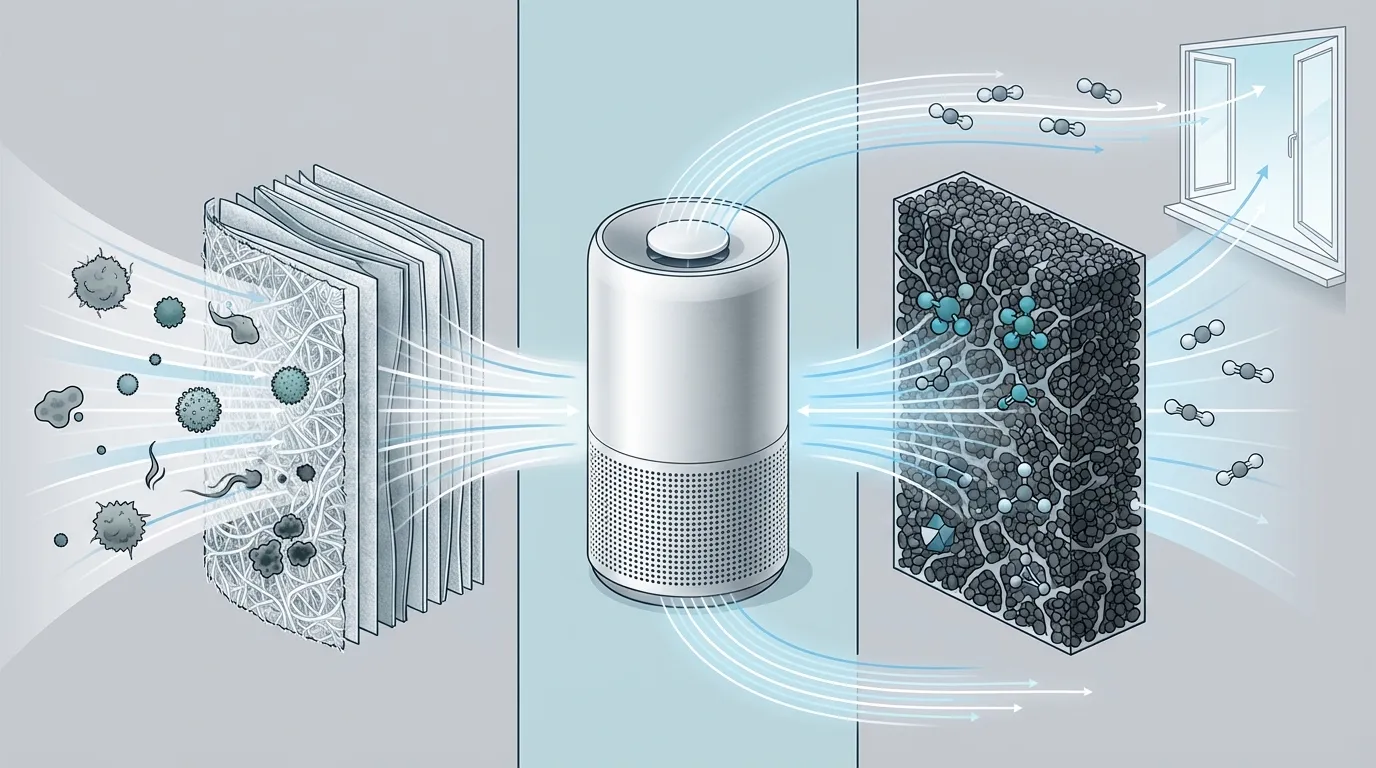
Dense dust and debris trapped in air filters stop air from moving freely, which weakens cooling power and adds significant load on the blower motor. The Environmental Protection Agency highlights that indoor air can contain pollutants up to five times higher than outdoors, worsening with dirty filters. Technicians have replaced filters packed so tightly with grime that airflow was reduced by half, doubling the system's workload.
- Filter clogs can add 15% or more to cooling bills, based on Department of Energy data.
- Blocked airflow stresses the fan motor and shortens its operational life.
- Replacing filters every one to three months maintains airflow and keeps energy waste low.
3. Refrigerant Leaks Cut Cooling Efficiency
Insufficient refrigerant forces an air conditioner to work harder, running prolonged cycles that barely lower the temperature. Over time, tiny leaks from weakened copper lines or faulty joints cause significant efficiency loss. Technicians detect leaks during system checks, often in older units where age has made components brittle and vulnerable.
- Low refrigerant levels slash cooling power by up to 20%, according to the U.S. Department of Energy.
- Leaks cause compressor overheating and eventual failure if not repaired quickly.
- Only EPA-certified technicians are qualified to handle refrigerants safely and legally.
4. Weak A/C Capacitors Waste Power
Capacitors regulate the flow of electricity to the compressor and fan motors, ensuring smooth operation under heavy demand. When capacitors degrade, the system struggles to start, pulls more electricity, and risks damaging expensive components. An A/C repair company will often replaces worn capacitors during summer service calls, preventing serious failures that would otherwise require costly emergency repair.
- Faulty capacitors cause start-up delays and rapid cycling, wasting electricity.
- Overstressed compressors pull excessive power and often fail during peak heat.
- Annual inspections detect weak capacitors before they disrupt cooling performance.
5. Obstructed Condenser Units Cause Overheating
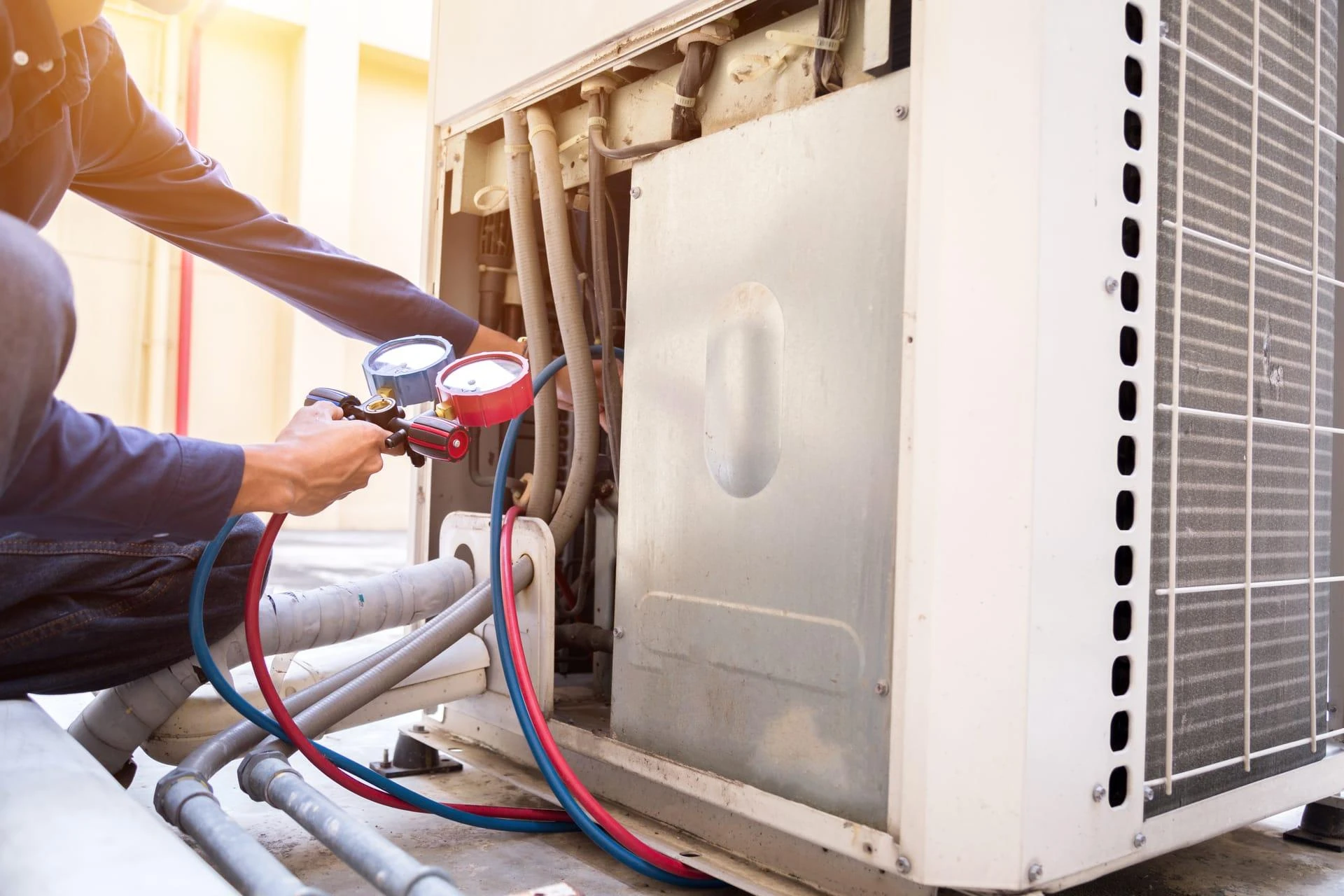
Outdoor condenser units rely on clear airflow to release heat effectively; debris, tall grass, or dense shrubs block this process, forcing the system to run longer. The U.S. Department of Energy stresses the need for at least 24 inches of clearance to maintain proper airflow. A/C repair technicians often encounters condensers choked by yard clutter or overgrown landscaping, leading to overheating and frequent breakdowns.
- Blocked airflow leads to excessive cycling, driving energy use higher.
- Overheating causes major compressor strain, triggering costly repair needs.
- Regular maintenance clears debris, keeping the system running cooler and more efficiently.
6. Leaky Ductwork Loses Conditioned Air
Cracks, gaps, and unsealed joints in ductwork waste cooled air before it ever reaches the living space, significantly raising energy use. Energy Star reports that duct leaks account for up to 30% of cooling loss in many households. A/C repair services often identify leaks hidden in crawl spaces, attics, or behind walls that homeowners never suspect are draining energy daily.
- Leaky ducts create uneven cooling, making some rooms hotter while the A/C runs nonstop.
- Gaps pull dust, moisture, and allergens into the system, degrading indoor air quality.
- Professional duct sealing restores efficiency and boosts airflow throughout the home.
7. Faulty Thermostats Trigger Energy Waste
Aging or miscalibrated thermostats misread indoor temperatures, causing systems to cycle unnecessarily or run longer than needed. The U.S. Department of Energy notes programmable or smart thermostats can reduce cooling expenses by 10% yearly when properly installed and used. A/C repair often replaces outdated thermostats during service visits, preventing frequent system cycling that wears down components.
- Incorrect temperature readings force the system to overcool, spiking energy usage.
- Poor placement near windows or heat sources causes false temperature signals.
- Upgrading the thermostat improves control and enhances energy-saving potential.
How Expert A/C Repair Protects System Efficiency
Professional A/C repair identifies these hidden energy drains and corrects them before they cause severe equipment damage or skyrocketing power bills. Routine service uncovers the invisible problems sapping your A/C’s efficiency, saving you money long before something breaks. Inspections, repairs, and expert adjustments restore your system’s performance while improving indoor comfort.
- Annual tune-ups catch refrigerant leaks, electrical faults, and airflow issues early.
- Professional repairs reduce strain on compressors and fans, extending system life.
- EPA and DOE guidelines are followed for safe refrigerant handling and disposal.
Key Takeaways on Energy Waste and A/C Repair
- Dirty coils, clogged filters, and refrigerant leaks rank as major causes of wasted energy in cooling systems.
- Weak capacitors, obstructed condensers, leaky ducts, and faulty thermostats quietly drain power and reduce cooling output.
- A/C repair technicians eliminate these problems, restoring energy efficiency and extending system performance.
Frequently Asked Questions About A/C Repair and Energy Loss
What happens if A/C coils stay dirty too long?
The system runs longer cycles, leading to compressor failure and costly replacements while struggling to cool your home.
Why is duct leakage so expensive?
Duct leaks waste conditioned air, forcing the A/C to run longer while raising energy bills and reducing comfort.
How do capacitor problems affect energy use?
Weak capacitors force the compressor and fans to draw more power, causing erratic performance and increased electricity consumption.
How often should outdoor condenser units be cleaned?
Clearing debris and trimming plants every few months keeps airflow unrestricted and prevents overheating.
What role does a thermostat play in energy waste?
An outdated or poorly placed thermostat causes the system to cycle unnecessarily, increasing energy usage without improving comfort.






























Sign in to leave a comment.