
Understanding Multifamily Construction
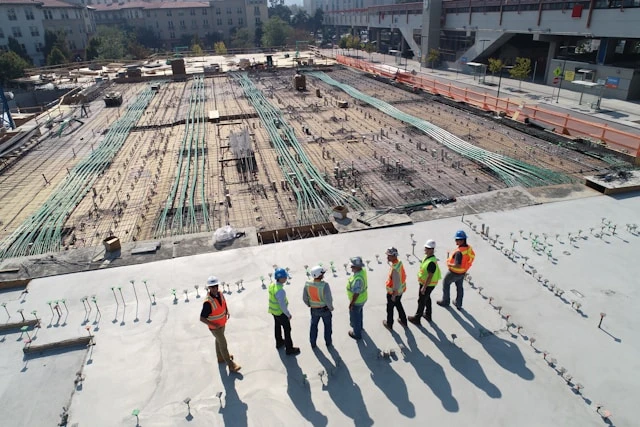
Starting a multifamily construction project needs a solid grasp of what such a development involves. Multifamily construction builds residential structures with multiple separate units, like apartment complexes or condo buildings. This type of construction differs from single-family homes, as it needs different planning, design, and management thinking. These projects are bigger, which means more thorough teamwork among architects, contractors, and developers is needed. Getting a handle on the unique challenges and chances in multifamily construction is key for anyone who wants to break into this market.
Also multifamily construction projects often face their own financial and logistical hurdles. These projects need a lot of money and take a long time to plan. Developers must be ready to handle complex financing deals, which might involve getting loans or finding investors. Managing a bigger construction project also needs careful watching, from working with many subcontractors to following building rules and laws. A good grasp of project management basics is key to keep the project on time and on budget.
1. Importance of Location in Multifamily Projects
Where you build your multifamily project plays a huge role in its success. A good spot can boost your profits, make it easier to get funding, and attract more potential renters or buyers. When picking a site, you need to think about things like how easy it is to get there, what's nearby, and how the neighborhood might grow. A project in a great location can give residents easy access to public transport, schools, shops, and jobs - all things that people look for when they're renting or buying.
2. Budgeting and Financial Planning
Solid budgeting and money management form the foundation of any thriving multifamily building project. Because these projects need big investments, developers must plan their finances to keep the project on track from start to finish. This work starts by making a thorough budget that lists all expected costs such as buying land, building expenses, permits, and extra funds for surprises. A down-to-earth budget should plan for possible cost increases and include a money cushion to handle unexpected expenses that might pop up during construction.
3. Regulatory and Zoning Considerations
Getting through the rules and zoning scene plays a key role in building apartment complexes. Each area has its own rulebook for land use, building standards, and zoning needs. Before starting construction, builders must dig deep into these rules to make sure they follow them and dodge legal trouble. This might mean getting the right permits sticking to building codes, and meeting green standards. If you don't play by the local rules, you could face pricey setbacks, fines, or even have to stop the project.
4. Picking the Best Design and Architecture
The design and layout of a multifamily project play a crucial role in its success and attractiveness. A well-planned development can boost the quality of life for tenants, make the property more marketable, and increase its value. When choosing a design, builders need to think about usefulness, looks, and eco-friendliness. The design should match what the target group wants and needs, whether they're young workers, families, or older folks. Striking a balance between style and practicality is key to create a space that looks good and works well for everyday living.
5. Choosing a Trustworthy Builder
Picking the right contractor is key to a successful multifamily construction project. The contractor turns the project's vision into reality, and their skills and dependability can have an impact on the project's schedule, costs, and results. Developers should do their homework when choosing a contractor looking at things like experience, reputation, and financial health. A contractor with a history of multifamily construction and a strong list of successful projects is more likely to deliver good results. By choosing a reliable contractor and working well together, developers can boost their chances of a successful multifamily construction project.
6. Timeline and Project Management
Good timeline management plays a key role in making a multifamily construction project successful. A timeline that's planned well makes sure the project moves along and finishes when it should. Developers need to make a detailed schedule for the project. This schedule should show each step of the building process, from getting the site ready to final checks. It should also include important points due dates, and things that depend on each other. This gives the project team a clear plan to follow. Checking and updating the timeline often helps spot possible delays and lets the team make changes when needed.
7. Sustainability and Environmental Impact
Building sustainable multifamily housing has become essential, not just trendy. People care more about the environment now so they expect developers to think about how their projects affect it. Green building practices help the environment and save money by cutting down on energy use and running costs. Developers should try to use eco-friendly building ideas in their work, like designs that save energy clean power sources, and materials that don't harm the planet.
Conclusion
To wrap up, starting a multifamily construction project is tricky but pays off. If you think about these eight key things—knowing multifamily construction picking the right spot, planning money, following rules designing well, choosing good builders managing time, and being eco-friendly—you're more likely to do well. Each of these things has a big impact on how the project turns out, and planning smart can make a real difference. As more people want multifamily homes, those who focus on these areas will be ready to meet what people need and do well for a long time.






























Sign in to leave a comment.