
7 Signs It May Be Time to Consider a Roof Replacement
Last Updated: July 2026
Quick Answer
Roof problems do not always appear as major leaks or obvious structural damage. In many cases, warning signs develop gradually over time. Missing materials, repeated repairs, visible deterioration, water intrusion, and aging systems can indicate that a roof may be approaching the point where replacement becomes a more practical long-term solution.
Many homeowners wait until a roof completely fails before taking action.
The challenge with that approach is that roofing systems often provide warning signs long before serious issues appear.
Recognizing those signs early may help avoid larger repair costs and interior damage.
1. Repairs Are Becoming More Frequent
Occasional repairs are normal.
However, repeated problems in different areas can suggest larger issues within the roofing system.
Examples include:
- Recurring leaks
- Multiple missing shingles
- Repeated flashing repairs
- Persistent water problems
When repair costs continue increasing, replacement sometimes becomes a more cost-effective long-term option.
2. The Roof Is Reaching the End of Its Expected Lifespan
Roofing materials have expected service ranges.
Typical examples include:
- Asphalt shingles: 20–30 years
- Metal systems: 40–70+ years
- Tile systems: 50+ years
- Flat roofing systems: varies by material
Age alone does not automatically mean replacement is necessary, but it should become an important consideration.
3. Water Stains Are Appearing Indoors
Interior damage often points to roofing concerns.
Common indicators include:
- Ceiling discoloration
- Water spots
- Damp insulation
- Mold odors
- Visible moisture damage
Many leaks begin small and remain hidden before becoming visible inside the building.
4. Visible Roofing Damage Is Increasing
Weather exposure gradually affects roofing materials.
Signs to watch for:
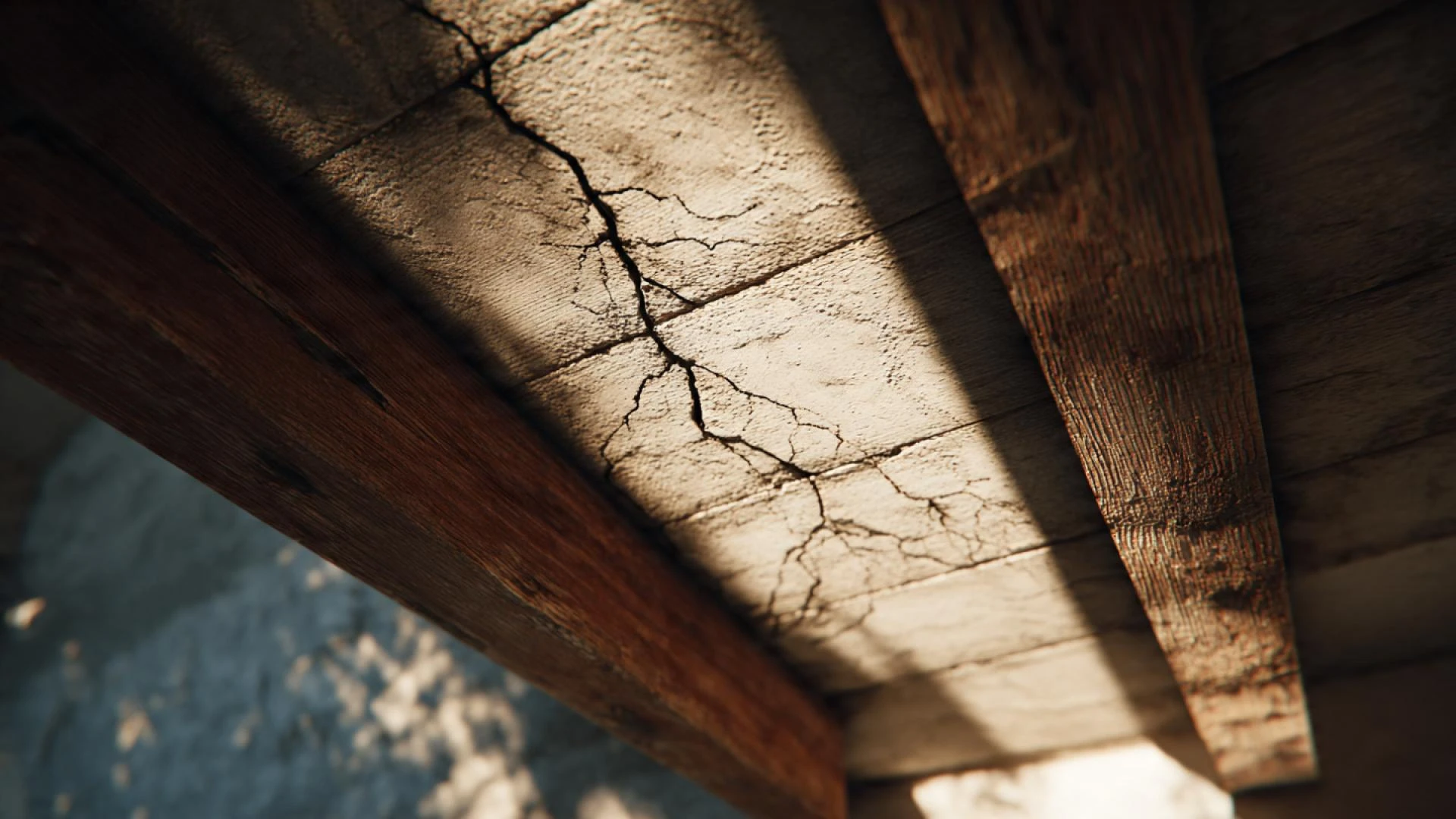
- Cracked materials
- Missing shingles
- Surface deterioration
- Loose flashing
- Sagging sections
Minor damage can sometimes be repaired, but widespread issues often indicate broader system concerns.
5. Energy Bills Continue Rising
The roof contributes to overall building efficiency.
A damaged or aging roofing system can potentially affect:
- Heat transfer
- Ventilation performance
- HVAC workload
- Indoor temperature consistency
According to the U.S. Department of Energy, building envelope performance significantly affects energy use.
6. Storm Damage Has Become a Concern
Houston weather can create roofing stress through:
- Heavy rain
- High winds
- Hail exposure
- Flying debris
- Seasonal severe weather
Storm-related damage may not always be visible from the ground.
Even small impacts can eventually create larger issues.
7. You're Planning Long-Term Ownership
Many homeowners evaluate roofing differently depending on future plans.
Questions often include:
- Will I stay in this home long-term?
- Am I planning renovations?
- Do I want lower future maintenance costs?
- Am I focused on long-term value?
Homeowners evaluating replacement options often review Roof Replacement information to understand materials, planning considerations, and installation expectations.
Final Thoughts
Roof replacement decisions should not be based on a single issue.
The bigger picture often matters more: age, repair history, visible condition, and long-term goals.
Identifying concerns early usually provides more options and allows homeowners to make decisions before small issues turn into larger structural problems.
Ready to Explore Your Roofing Options?
Every property has different requirements, and choosing the right roofing solution depends on factors like budget, materials, and long-term goals.
If you're considering future roofing work or comparing available options, Achilles Roofing & Exterior provides residential and commercial roofing services throughout the Houston area.




























Sign in to leave a comment.