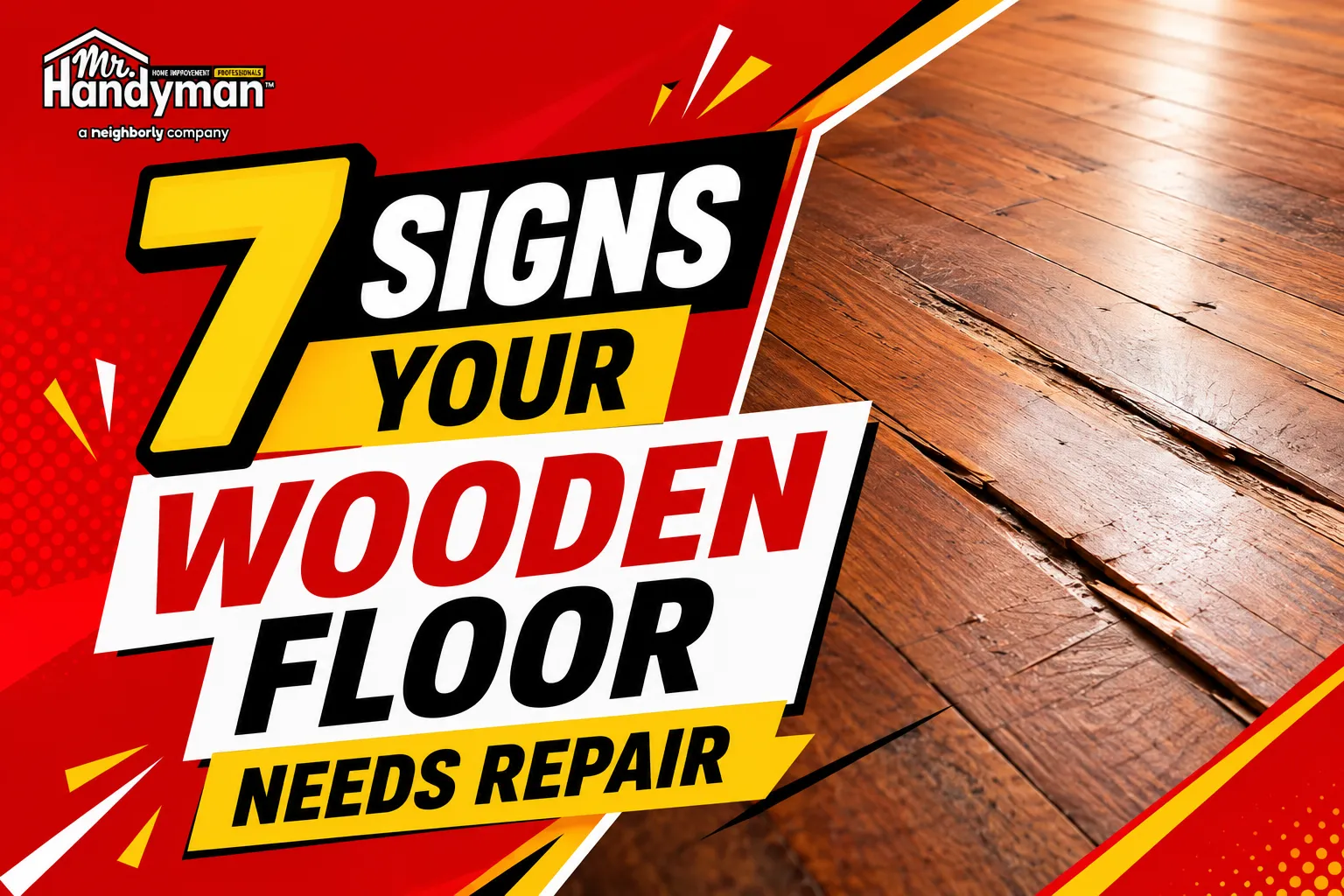

Wooden floors bring warmth, beauty, and lasting value to any home. However, like any part of your house, they can wear down over time due to daily use, moisture, and changing weather conditions. Knowing when your flooring needs attention can help you avoid expensive repairs and preserve its appearance for years to come. Many homeowners turn to a trusted carpenter in Dallas when they notice early signs of damage because prompt repairs often prevent bigger problems. If your hardwood flooring isn't looking or feeling the way it used to, here are seven signs that it may be time for professional repair.
1. Your Floors Are Squeaking More Than Usual
An occasional squeak is normal, especially in older homes. However, if your wooden floors have become noticeably noisier, it may indicate loose floorboards, weakened fasteners, or movement in the subfloor.
Ignoring persistent squeaks can allow the problem to worsen over time. A professional inspection can identify the cause and restore the stability of your flooring.
2. Visible Cracks or Splits in the Wood
Wood naturally expands and contracts as humidity changes throughout the year. Over time, this movement may create visible cracks or splits.
Small surface cracks may only affect appearance, but deeper splits can weaken the floorboards and create tripping hazards. Repairing damaged boards early helps maintain both safety and aesthetics.
3. Loose or Moving Floorboards
Your flooring should feel solid underfoot. If boards shift, bounce, or move when you walk across them, it's a sign something isn't right.
Loose boards may result from:
- Worn fasteners
- Moisture damage
- Subfloor movement
- Aging materials
Fixing these issues early prevents additional damage to surrounding boards.
4. Water Stains or Discoloration
Dark stains, fading, or unusual discoloration often indicate past or ongoing moisture problems.
Water can seep beneath hardwood flooring through plumbing leaks, spills, or poor ventilation. Over time, excess moisture weakens the wood and may even affect the structure beneath the flooring.
Addressing moisture issues quickly protects both your floor and your home's interior.
5. Warped or Uneven Floorboards
If sections of your floor appear raised, cupped, or uneven, moisture is often the culprit.
Warped flooring not only affects your home's appearance but also creates safety risks. Uneven boards can become unstable and may continue to shift if the underlying issue isn't corrected.
Professional repairs help restore a smooth, level surface while identifying the source of the problem.
6. Soft Spots Underfoot
A wooden floor should always feel firm.
If you notice soft or spongy areas while walking, the wood may have started to deteriorate from moisture exposure or hidden decay. This is often a warning sign that structural repairs could soon become necessary.
Remember that ignoring wood rot can cost you significantly more than addressing it early. What begins as a small soft spot may eventually require replacing multiple boards or even sections of the subfloor if left untreated.
7. Scratches, Dents, and Worn Finishes
Everyday life takes a toll on hardwood floors. Furniture, pets, heavy foot traffic, and dropped objects can leave behind scratches and dents.
While minor cosmetic damage is expected, extensive wear can expose bare wood to moisture and dirt. Refinishing or repairing damaged areas helps extend the life of your flooring while keeping it looking beautiful.
How to Extend the Life of Wooden Floors
Routine maintenance goes a long way in preventing major repairs.
Follow these simple tips:
- Clean spills immediately.
- Use furniture pads under heavy items.
- Sweep or vacuum regularly.
- Maintain consistent indoor humidity.
- Place rugs in high-traffic areas.
- Schedule periodic inspections for early problem detection.
Preventive care is often much more affordable than replacing damaged flooring.
Why Early Repairs Matter
Many flooring problems start small but become more expensive over time. A single loose board or minor water stain may seem harmless today, but delaying repairs can lead to widespread damage, higher repair costs, and reduced home value.
Taking action as soon as you notice unusual changes helps preserve the beauty and durability of your hardwood floors.
Conclusion
Wooden floors are a long-term investment that deserves proper care. Paying attention to warning signs such as squeaks, cracks, warped boards, soft spots, and water damage allows you to address problems before they become major expenses. With regular maintenance and timely repairs, your hardwood flooring can continue adding beauty, comfort, and value to your home for many years.
FAQs
What causes wooden floors to squeak?
Squeaks are commonly caused by loose floorboards, movement between the flooring and subfloor, humidity changes, or worn fasteners.
Can water damage be repaired without replacing the floor?
Minor water damage may be repairable if addressed quickly. Severe moisture damage often requires replacing affected boards.
How do I know if my wooden floor has wood rot?
Soft spots, discoloration, musty odors, crumbling wood, and excessive moisture are common signs of wood rot.
How often should hardwood floors be inspected?
A yearly inspection is recommended, especially if your home experiences high humidity, heavy foot traffic, or previous water damage.
Is it better to repair or replace damaged wooden flooring?
It depends on the extent of the damage. Localized issues can usually be repaired, while widespread structural damage may require partial or complete floor replacement.





























Sign in to leave a comment.