
Introduction
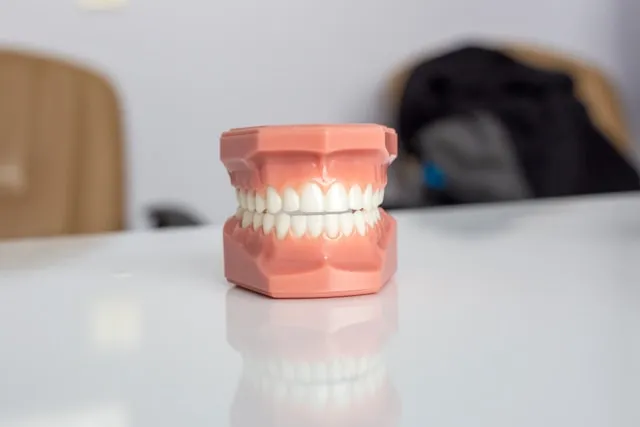
Dentures can restore confidence, improve oral function, and boost quality of life. However, gum irritation is a common challenge for many denture wearers. Discomfort, soreness, and inflammation can occur if dentures are not cared for or fitted. To prevent gum irritation requires a combination of good hygiene practices for proper maintenance, and lifestyle adjustments. By following a structured approach, denture wearers can enjoy comfort and long-term oral health. Below are seven essential steps to help prevent gum irritation when using dentures.
Ensure Proper Fit
The foundation of denture comfort lies in a proper fit. Ill-fitting dentures can rub against the gums and cause soreness and inflammation. Regular dental check-ups are necessary to ensure that dentures remain aligned with changes in the mouth such as bone resorption or gum tissue adjustments. Dentists can make necessary modifications or recommend relining to improve fit. A well-fitted denture minimizes friction and pressure points and reduces the risk of irritation.
Practice Consistent Cleaning
Maintaining clean dentures is essential to prevent gum irritation. Food particles and plaque can accumulate on dentures, leading to bacterial growth and gum inflammation. Dentures should be cleaned with a soft-bristle brush and non-abrasive cleanser. Avoid using regular toothpaste, as it can scratch the denture surface. Rinsing dentures after meals also helps remove debris and maintain freshness. Clean dentures do not only protect gums but also contribute to overall oral hygiene.
Give Gums a Rest
Wearing dentures can strain gum tissues. Removing dentures at night is recommended to allow gums to rest and recover. This practice reduces pressure and promotes circulation in the oral tissues. Overnight removal also prevents fungal infections such as oral thrush, which can develop in moist environments. Allowing gums to breathe ensures long-term comfort and reduces the likelihood of irritation.
Use Proper Storage Techniques
When dentures are not in use, proper storage is crucial. Dentures should be kept in a container filled with water or a denture solution, so they don't dry out and lose shape. Dry dentures can warp and lead to poor fit and gum discomfort. Storing dentures maintains their integrity and ensures they remain comfortable to wear. Also, keeping them, moist helps preserve the material and extends their lifespan.
Maintain Oral Hygiene
Even with dentures, oral hygiene remains essential. Gum tissues, tongue, and any remaining natural teeth should be cleaned on a regular basis. Using a soft toothbrush or gauze has an influence on massaging gums, which stimulates circulation and keeps tissues healthy. Rinsing with an antibacterial mouthwash can further reduce the risk of infection and irritation. A clean oral environment supports gum health and enhances denture comfort.
Incorporate Advanced Cleaning Tools
Technology has introduced new ways to improve denture care. An ultrasonic cleaner for dentures is an effective tool that uses sound waves to remove debris and bacteria from hard-to-reach areas. This method ensures a deeper clean compared to manual brushing alone, reducing the risk of gum irritation caused by residual buildup. Incorporating advanced cleaning tools into daily routines enhances hygiene and promotes long-term oral comfort.
Monitor Diet and Habits
Diet and lifestyle choices have an influence on gum health with dentures. Avoiding hard or sticky foods reduces strain on dentures and prevents gum irritation. Staying hydrated helps maintain oral moisture, reducing friction between dentures and gums. Smoking and excessive alcohol consumption can irritate oral tissues and should be minimized. A balanced diet rich in vitamins and minerals supports gum resilience and overall oral health.
Conclusion
Preventing gum irritation with dentures requires an active approach that combines proper fit, consistent cleaning, rest, storage, oral hygiene, advanced tools, and healthy habits. By following these seven steps, denture wearers can reduce discomfort and maintain healthy gums. With the right care and attention, dentures can provide lasting comfort and functionality and ensure a confident smile and improved quality of life.































Sign in to leave a comment.