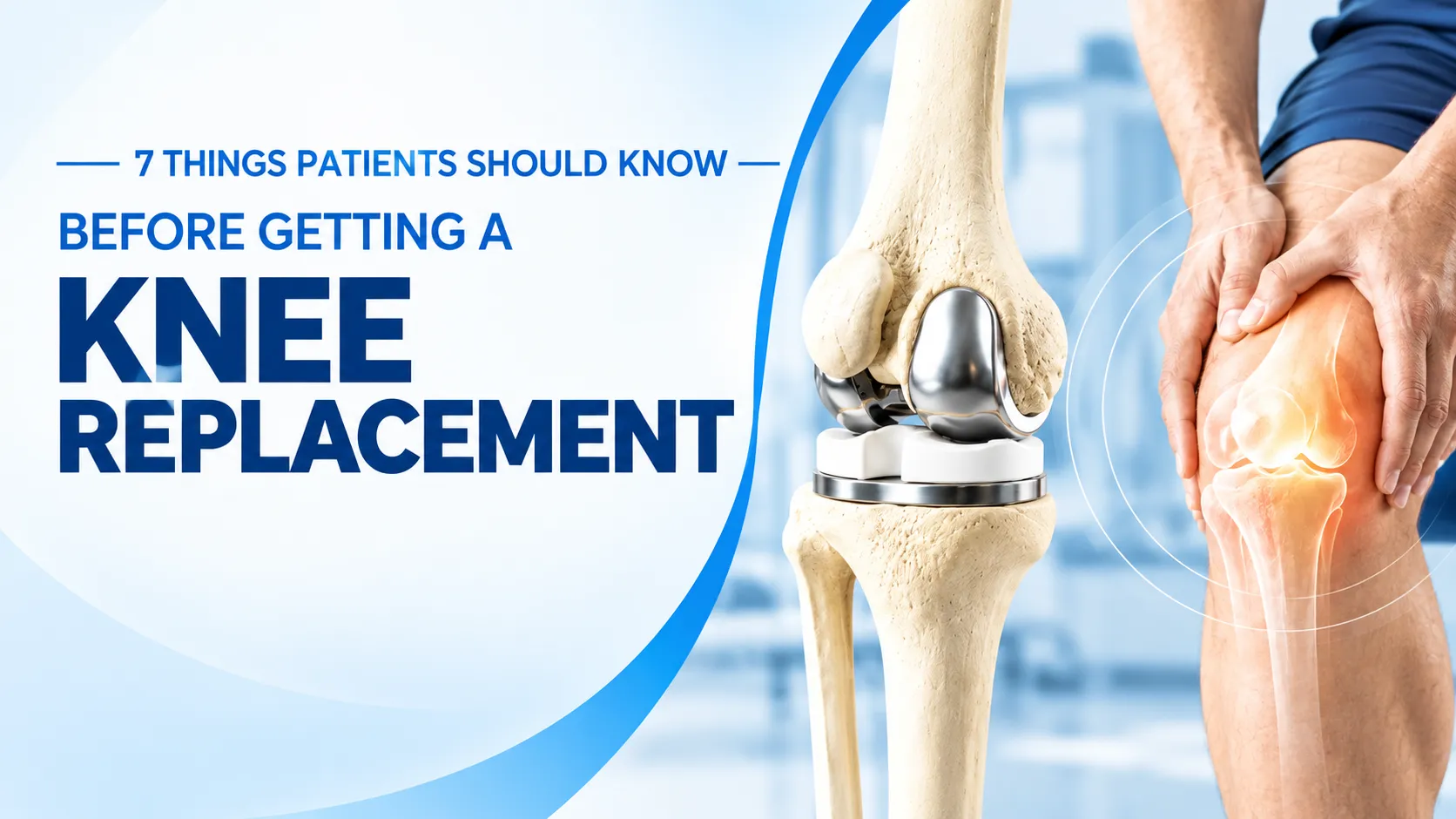

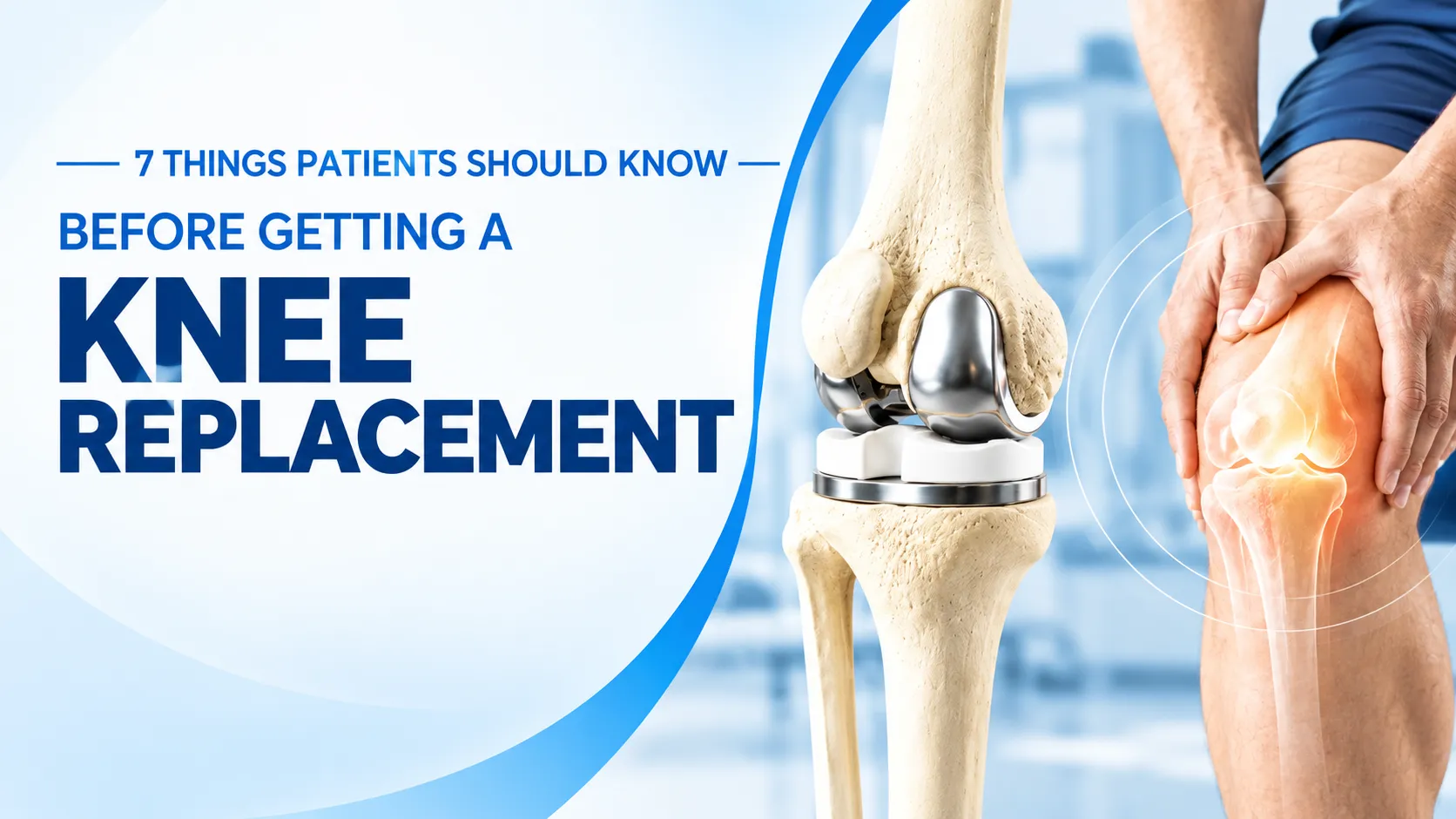
Knee replacement can be a major step toward reducing chronic knee pain and improving mobility, but knowing what happens before, during and after surgery can make the process much less overwhelming. From deciding when surgery is appropriate to preparing your home for recovery, there are several things patients should understand beforehand.
1. Knee replacement isn't based on age alone
Knee replacement is generally considered when knee arthritis or joint damage is causing significant pain and affecting everyday activities, and non-surgical treatments have not provided enough relief.
Age is one factor, but it isn't the only consideration. Your symptoms, mobility, overall health, activity level and expectations all matter when discussing whether surgery is appropriate.
2. Preparing before surgery can make recovery easier
Preparation shouldn't start on the day of surgery.
Your surgical team may recommend medical tests, medication adjustments and exercises before the procedure. It can also help to arrange transportation, organize medications and prepare your home for the first few weeks.
Simple changes such as removing loose rugs, keeping frequently used items within easy reach and arranging a comfortable sleeping area can make daily activities easier after surgery.
3. Understand what your knee implant can—and cannot—do
A knee replacement is designed to reduce pain and improve function. However, an artificial knee isn't exactly the same as a natural knee.
Most patients should have realistic expectations about activities after surgery. Your surgeon can explain what types of activities are appropriate based on your individual situation, implant and recovery.
The goal is usually better function and less pain, rather than recreating a completely natural knee.
4. Hospital stay and early mobility are part of recovery
Knee replacement recovery starts soon after surgery.
Depending on your health, surgical approach and hospital protocol, you may begin standing and walking with assistance relatively early. A walker or other support may be needed initially.
Before going home, the healthcare team generally wants to make sure you can perform basic movements safely and understand your rehabilitation plan.
5. Pain management doesn't mean you should expect zero pain
Pain and discomfort are expected during the early recovery period, but modern pain-management strategies can help make it more manageable.
Your medical team may use a combination of medications and other techniques rather than relying on a single painkiller.
The important thing is to follow the prescribed plan and tell your healthcare team if your pain isn't adequately controlled or changes unexpectedly.
6. Physiotherapy is an important part of the process
The surgery replaces the damaged joint, but the muscles around the knee still need to regain strength and coordination.
Physiotherapy and prescribed exercises can help improve:
- Knee movement
- Muscle strength
- Balance
- Walking ability
- Confidence with everyday activities
Progress isn't always perfectly linear. Some days may feel better than others, particularly when swelling or activity levels change.
7. Recovery continues after you leave the hospital
Going home doesn't mean recovery is finished.
The first few weeks may involve assistance with everyday tasks, walking support and continued exercises. Gradually, activities such as walking, using stairs and performing normal household tasks can become easier.
Everyone recovers at a different pace, so comparing your progress with another patient's timeline isn't always helpful.
The Bottom Line
Knee replacement is not just a surgery—it's a recovery process.
Understanding when surgery is considered, preparing beforehand, having realistic implant expectations, following pain-management advice and staying consistent with rehabilitation can help patients approach the process with greater confidence.
The best recovery plan is ultimately individualized, so discuss your specific risks, expectations and rehabilitation timeline with your orthopedic team before surgery.
Considering Knee Replacement Surgery?
If knee pain is affecting your walking, daily activities or quality of life despite non-surgical treatment, an orthopedic evaluation can help determine whether knee replacement is appropriate for you.
Dr. Abhinandan Punit provides knee replacement and joint replacement care in Bangalore. Treatment planning is based on the patient's knee condition, symptoms, overall health, activity level and recovery goals.
If you would like to discuss your knee condition and treatment options, you can contact Dr. Abhinandan Punit for an individual evaluation.























Sign in to leave a comment.