

The first month after robotic knee replacement is an important period of healing and adjustment. Patients gradually begin walking, managing discomfort, impro...

Severe knee pain does not automatically mean you need a knee replacement. Knee replacement in Bangalore may be considered when persistent pain, stiffnes...
Learn about total hip replacement surgery in Bangalore, including indications, preparation, implants, benefits, risks, recovery and post-operative care.
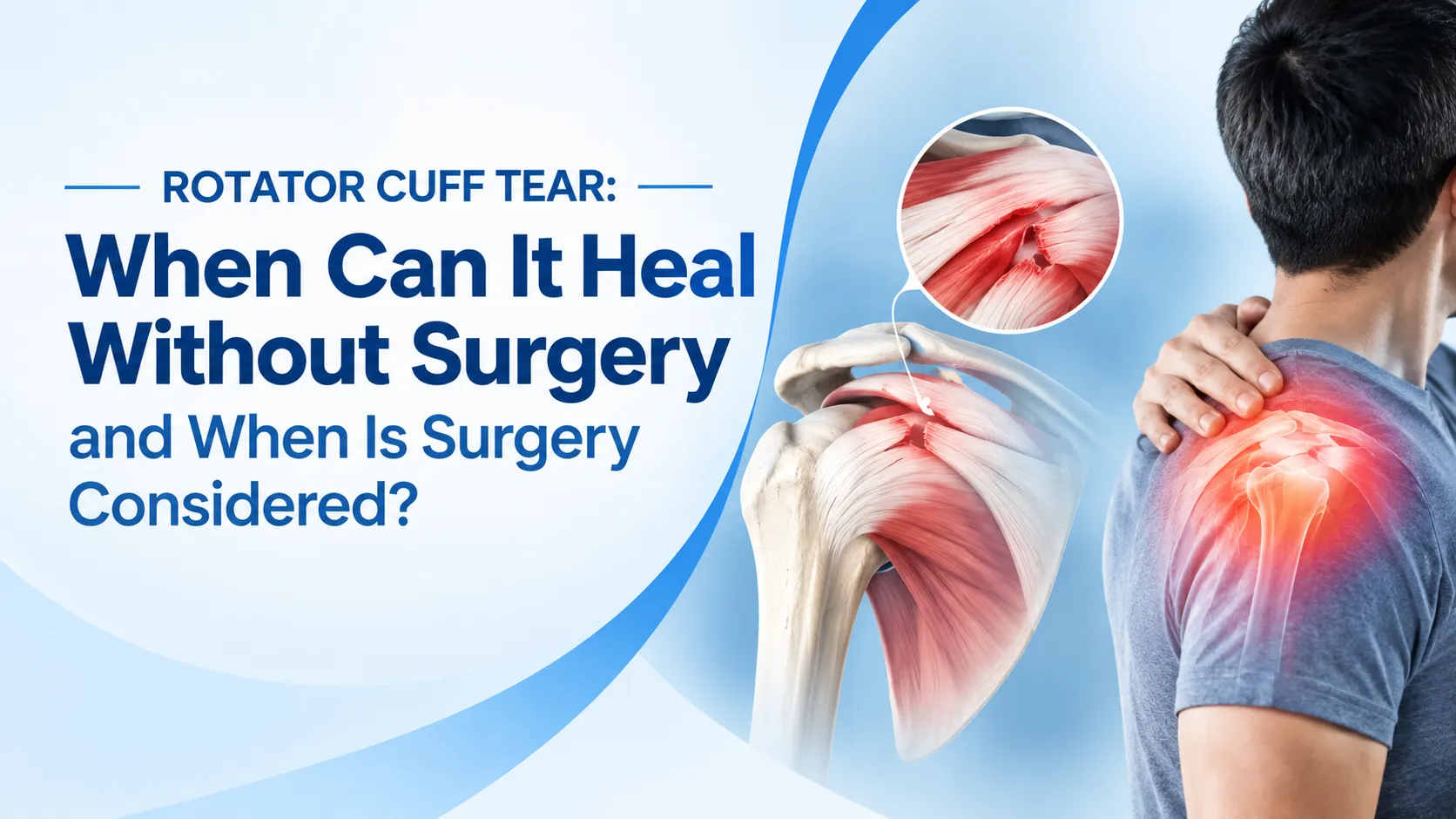
A **rotator cuff tear does not always require surgery**. Some patients can improve pain, strength and shoulder function with physiotherapy, activity modification and rehabilitation. Surgery may be considered when symptoms persist, weakness or loss of function is significant, or the tear affects daily or physical activities. The right treatment depends on the tear, symptoms, examination findings and individual goals.

Dr. Abhinandan Punit is an orthopedic and joint replacement surgeon practicing in Bangalore. He has more than **15 years of clinical and surgical experience** and has performed **6,000+ orthopedic surgeries**. His qualifications include MS in Orthopaedics, DNB in Orthopaedics, MCh Orthopaedics from the University of Edinburgh, UK, and MSc in Sports & Exercise Medicine from the University of South Wales. He has also received international training in the UK, Europe and Australia and works as Sen
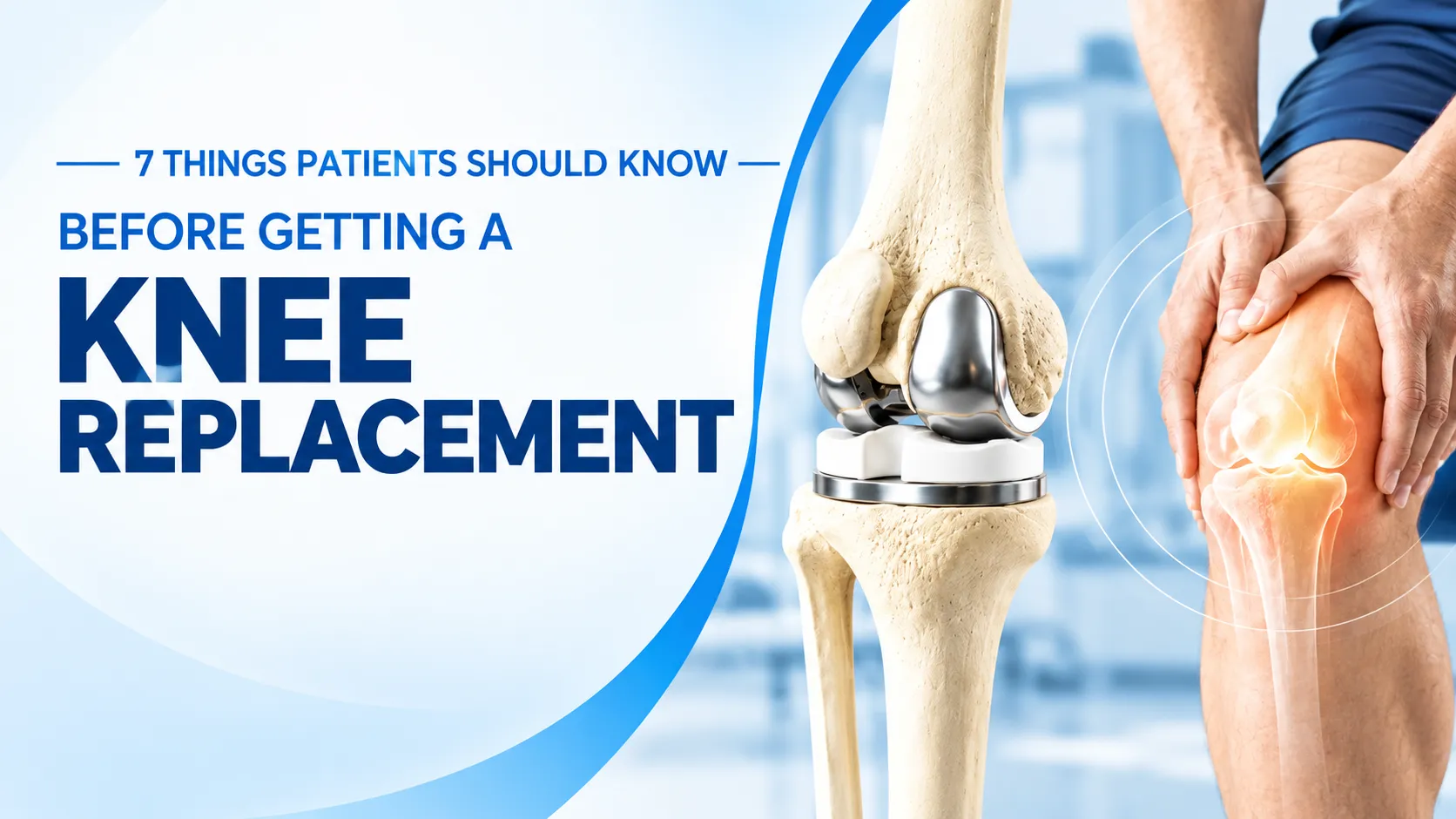
Knee replacement is a major procedure, and understanding the process beforehand can help patients prepare for surgery and recovery. This guide covers seven important things to know, including when surgery may be considered, pre-surgery preparation, implant expectations, pain management, physiotherapy, early mobility and recovery after leaving the hospital.
A **rotator cuff tear does not always require surgery**. Some patients can improve pain, strength and shoulder function with physiotherapy, activity modification and rehabilitation. Surgery may be considered when symptoms persist, weakness or loss of function is significant, or the tear affects daily or physical activities. The right treatment depends on the tear, symptoms, examination findings and individual goals.
Recovery after knee replacement isn't just about the surgery—it's about what happens afterward. Most patients do well, but a few common mistakes can slow progress.
1. Skipping physiotherapy
Rehabilitation is essential for restoring strength, flexibility, and confidence in the new joint.
2. Trying to do too much too soon
Walking and movement are important, but overdoing activities before your knee is ready can increase pain and

Quick Summary Robotic knee replacement uses CT imaging and computer guidance for superior accuracy Minimally invasive techniques preserve more bone and muscle tissue Smaller incisions reduce pain, swelling, and recovery time Advanced implant positioning improves long-term durability and function Experienced surgeons on Kanakapura Road offer personalized treatment plans

As an orthopedic surgeon, one thing I often tell patients is that knee replacement is the beginning of recovery—not the end of treatment.The surgery can reli...

Quick Summary ACL tears often occur alongside cartilage injuries in the knee joint due to the same traumatic twisting mechanism Cartilage damage complicates recovery by extending rehabilitation timelines and increasing post-operative pain MRI and arthroscopy help identify cartilage injuries before surgery Surgical options like microfracture and chondroplasty can treat cartilage during ACL reconstruction Early surgery and structured physiotherapy protect remaining cartilage and improve long-term

Shoulder arthritis debridement is a joint-preserving procedure for mild to moderate arthritis. Shoulder replacement surgery is definitive treatment for severe, bone-on-bone arthritis. Debridement may delay replacement in selected patients; it cannot reverse advanced disease. Recovery is faster after debridement (4–8 weeks) than replacement (3–6 months). Patient age, activity level, and cartilage damage determine which procedure is appropriate.