

Children rarely get sick on a schedule. Illness can arrive late at night, and injuries don’t wait for morning. Parents often feel uncertain about whether to head to the emergency room or find a pediatric urgent care center. Making the right call can ease a stressful situation and ensure a child receives the right care at the right time.
1. Pediatric Urgent Care Feels Less Overwhelming
Emergency rooms are built for high-intensity, high-risk situations. They’re equipped for trauma, stroke, and other life-threatening emergencies. Pediatric urgent care centers are geared toward low-to-moderate concerns and focus entirely on children's comfort. That shift in environment—quieter rooms, fewer alarms, smaller equipment—makes a significant difference for young patients.
- Emergency rooms treat all ages and all emergencies, which can be noisy and overstimulating
- Pediatric urgent care centers offer environments designed for kids' comfort
- Child-focused settings help reduce stress, improve cooperation, and speed up exams
2. Wait Times Are Shorter in Pediatric Urgent Care
Parents often spend hours in emergency rooms for conditions that aren’t urgent. That’s because ERs work on a triage basis, and true emergencies get seen first. Pediatric urgent care runs on a more predictable, walk-in model that allows children with common illnesses or minor injuries to be seen quickly—often within 30 minutes.
- CDC data shows average ER wait times often exceed 90 minutes for non-emergency cases
- Shorter wait times in pediatric urgent care reduce exposure to infectious diseases
- Faster access to care helps prevent worsening symptoms and calms anxious kids
3. Providers in Pediatric Urgent Care Know Children Best
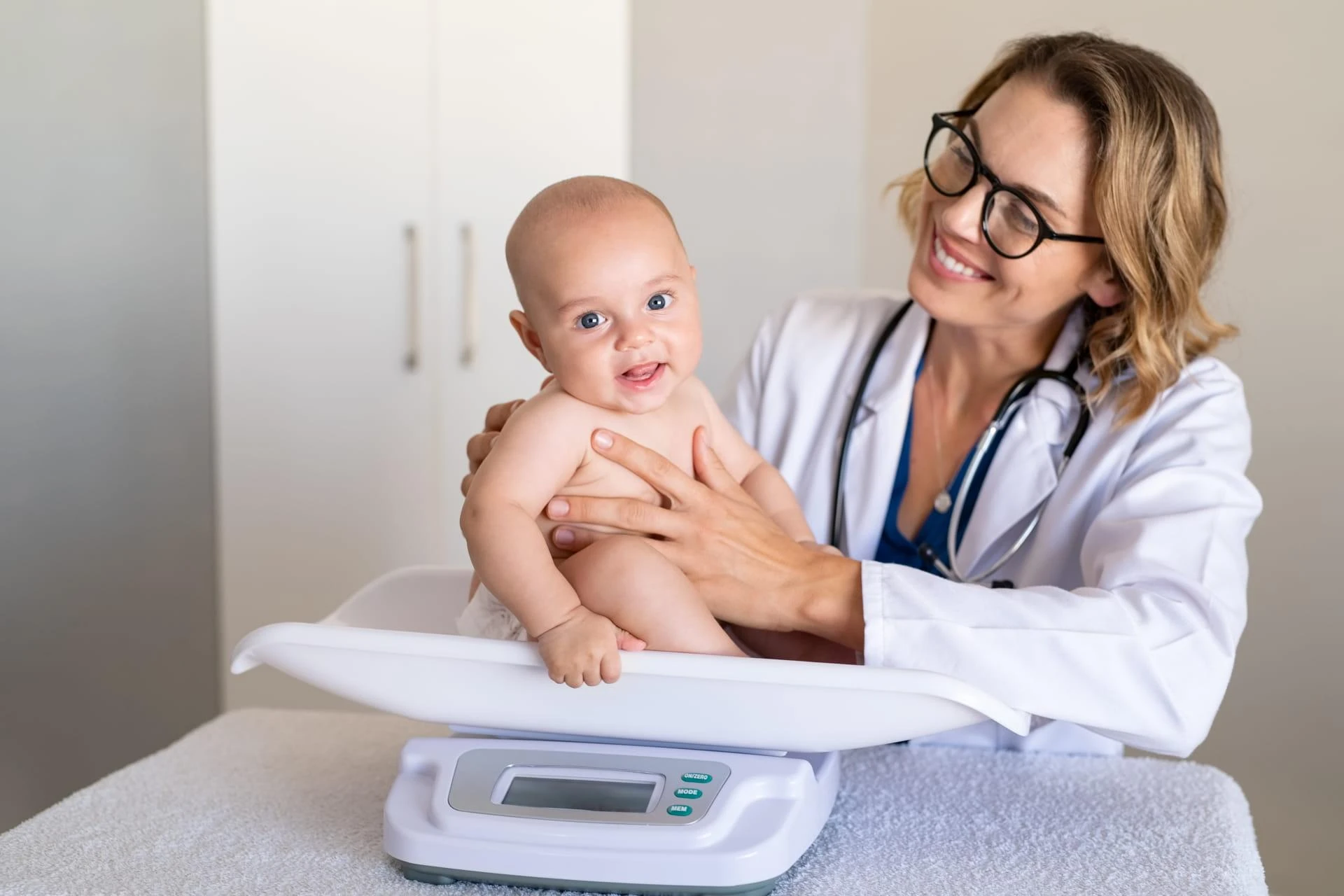
Children are not just small adults—they respond differently to illness and injury. Pediatric urgent care staff are trained specifically in child development, pediatric conditions, and age-appropriate communication. They understand how symptoms show up differently in younger children and can spot things general providers might miss.
- Specialized training helps with accurate diagnoses in infants, toddlers, and teens
- Communication methods are tailored to each developmental stage
- Familiarity with common pediatric issues improves treatment outcomes
4. Pediatric Urgent Care Costs Are More Manageable
Families often face hefty bills after a visit to the ER. Emergency rooms charge higher fees, and insurance coverage may not extend as far for non-emergency care. Pediatric urgent care centers typically offer much lower base rates and fewer surprise charges, making them a more accessible option for most families.
- Average ER visit costs can exceed $1,300 for minor issues, according to AHRQ
- Pediatric urgent care visits usually cost under $150 without insurance
- Many centers provide transparent pricing and accept a wide range of health plans

5. It’s the Better Choice for Common Childhood Problems
Many issues that feel urgent don’t actually require emergency treatment. A pediatric clinic that offers evening and weekend appointments can treat mild to urgent symptoms, including fevers, ear pain, sprains, and minor infections. These conditions often respond well to same-day treatment, without the need for advanced hospital tools or prolonged observation.
- Pink eye, colds, ear infections, and flu symptoms are frequently treated
- Minor injuries like sprains, small cuts, or burns can be handled effectively
- Staff are trained to recognize when symptoms require ER referral instead
6. The Space Is Designed with Kids in Mind
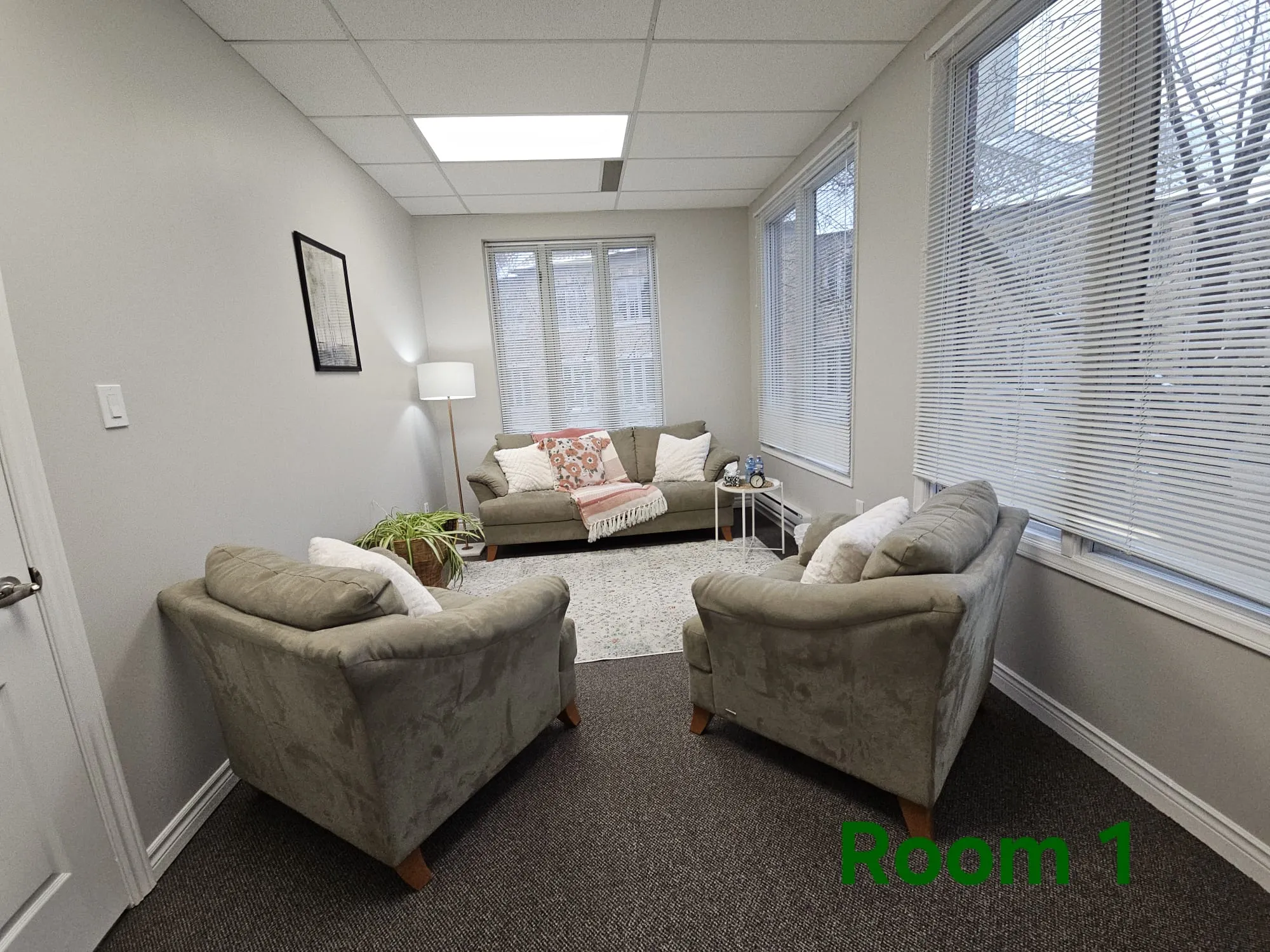
Children need a welcoming, gentle space to feel safe during medical care. Pediatric urgent care centers take this into account with child-sized furniture, bright colors, toys, and calm lighting. These details reduce fear and make it easier for clinicians to perform exams or treatments without unnecessary resistance.
- Decor and layout are chosen to make children feel at ease
- Waiting rooms are often stocked with books, puzzles, or tablets
- Lower stress levels lead to smoother exams and faster diagnoses
7. Continuity with Pediatricians Is Easier to Maintain
When children visit an ER, their primary doctor may not receive updates or visit notes. Pediatric urgent care centers often coordinate with pediatricians to ensure seamless care. Records, diagnoses, and treatment details are sent to the child’s regular doctor, helping ensure nothing is missed and follow-up happens on time.
- Urgent care centers typically provide visit summaries to primary doctors
- Continued communication helps monitor recurring issues or medication responses
- Shared records reduce repeat testing and allow for personalized follow-up
Key Takeaways: Pediatric Urgent Care vs Emergency Room
Understanding how pediatric urgent care differs from emergency departments can prevent unnecessary stress and help families make smarter decisions. When symptoms are urgent but not life-threatening, pediatric urgent care offers a faster, more appropriate alternative. It provides a child-friendly space, cost-effective services, and specialized care—all without the chaos of the ER.
- Pediatric urgent care offers quicker access for non-critical needs
- Specialized providers focus exclusively on children’s unique medical profiles
- Costs are significantly lower and more predictable than emergency care
- Spaces are intentionally designed to soothe and engage young patients
- Clear follow-up with pediatricians supports consistent care
Frequently Asked Questions
What symptoms are appropriate for pediatric urgent care?
Mild fevers, rashes, minor injuries, sore throats, pink eye, and coughs are all well-suited for treatment in pediatric urgent care settings.
Do pediatric urgent care centers offer weekend hours?
Many operate evenings and weekends, ensuring access when pediatric offices are closed.
Can urgent care provide prescriptions for children?
Yes, providers can prescribe necessary medications after evaluation, including antibiotics or inhalers.
Are vaccinations or physicals available at pediatric urgent care?
Some centers offer these services, but availability varies—it's best to check before visiting.
Will my child’s regular doctor get the urgent care visit notes?
Most pediatric urgent care centers share records with the child’s primary doctor to support continuity of care.































Sign in to leave a comment.