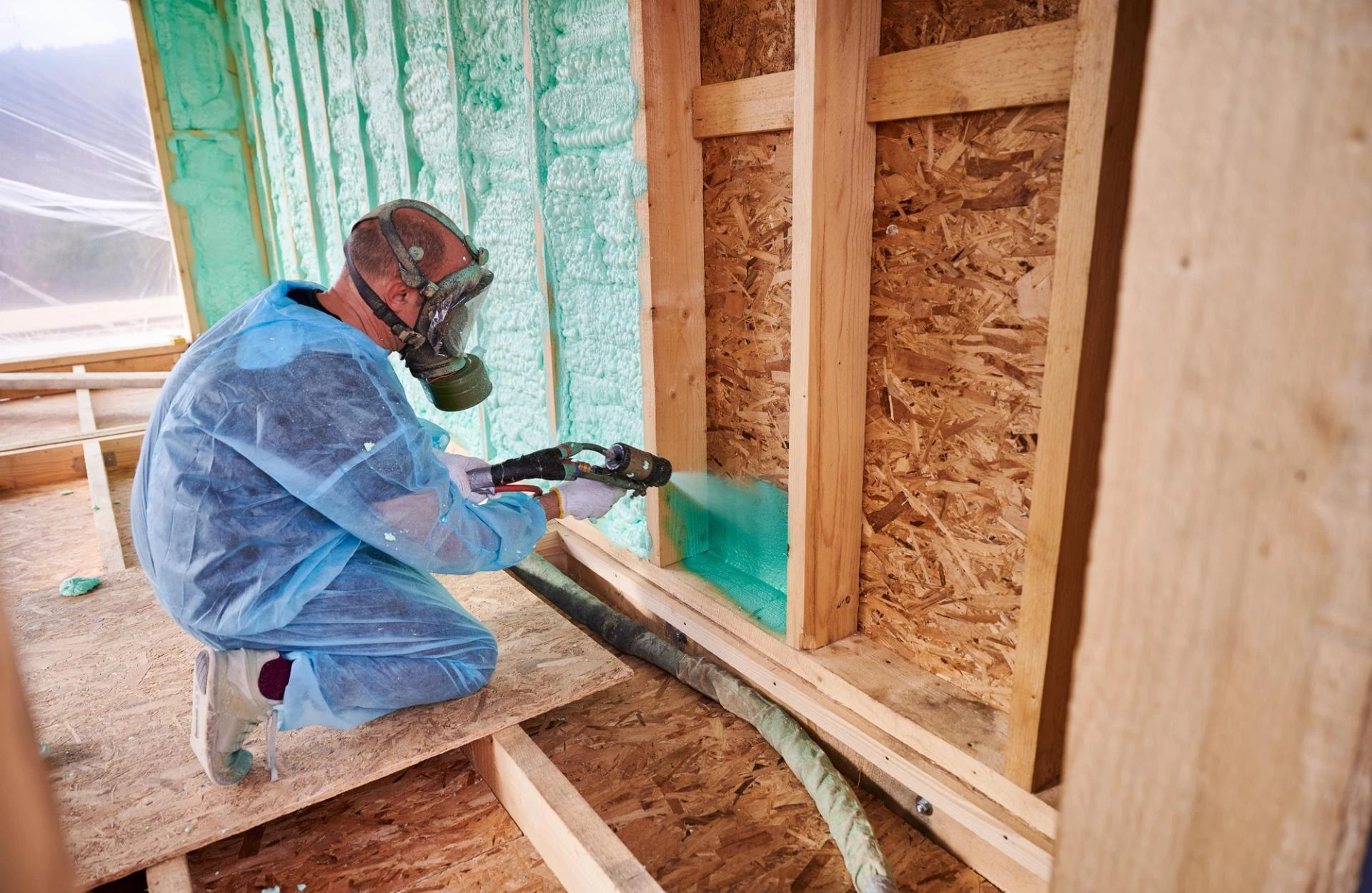

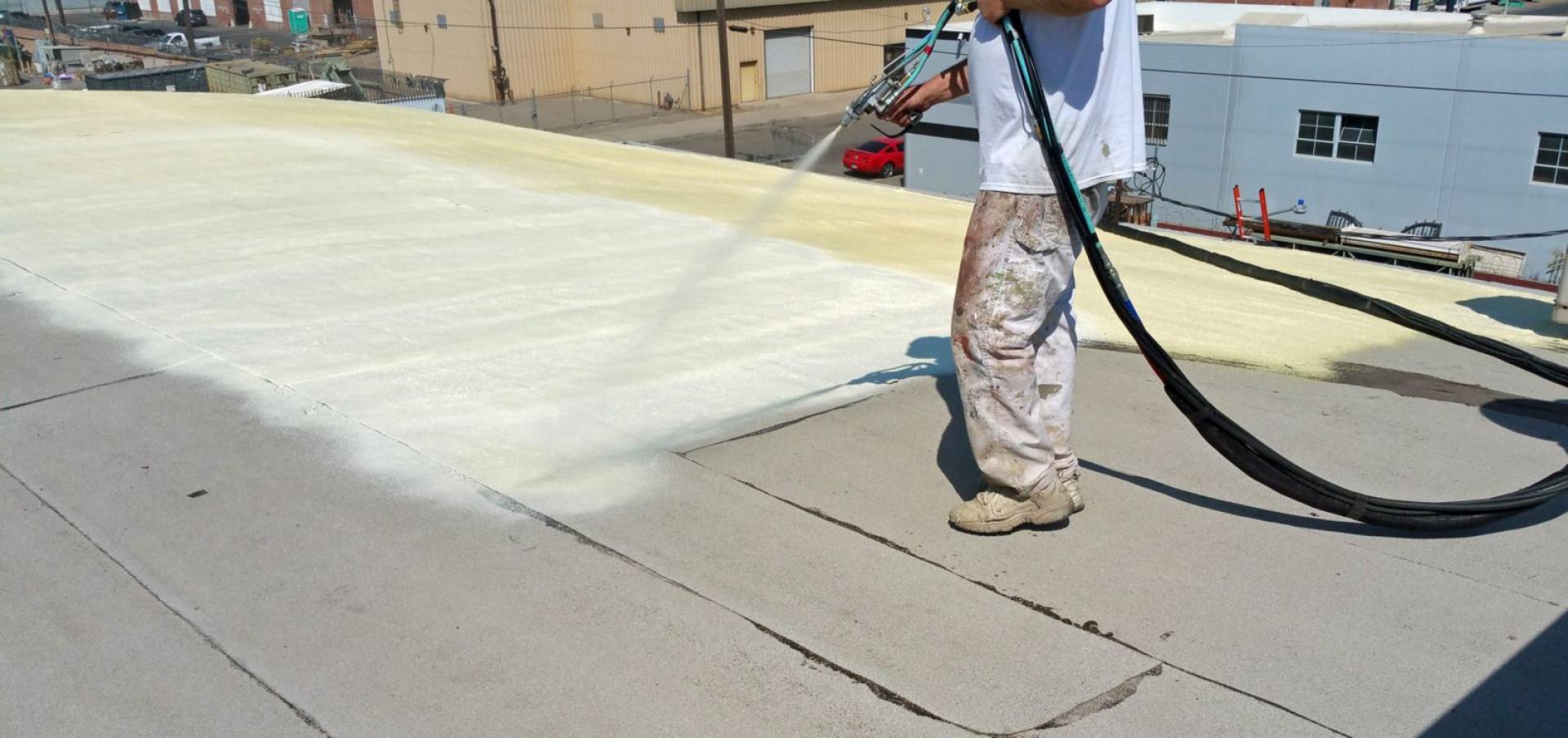
Residential spray foam insulation offers significant advantages beyond thermal resistance, playing a crucial role in strengthening a home's building envelope. This material creates a monolithic, seamless barrier that not only insulates but also adds structural integrity, reduces air and moisture infiltration, and improves overall building performance. By adhering directly to surfaces and expanding to fill all cavities, spray foam fundamentally enhances the durability and resilience of a home.
This article details seven specific ways spray foam contributes to a stronger, more robust building envelope. It covers practical insights into how this insulation material makes homes more resilient against various environmental factors. Michael Carter reviewed this article using insight gained over 12 years in the spray foam business. His feedback focused on helping contractors reach new customers without overcomplicating their message.
Understanding the Building Envelope
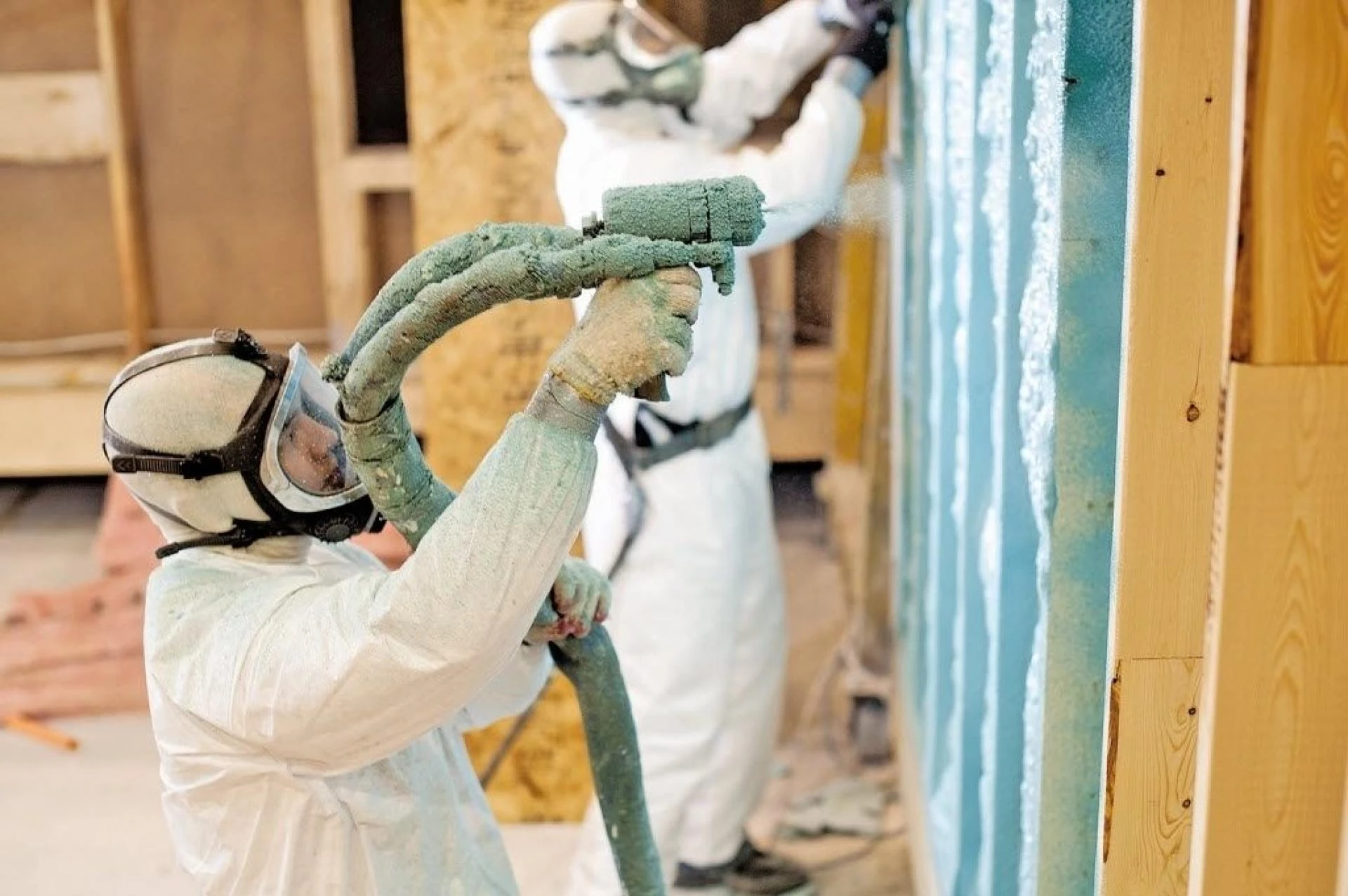
The building envelope is the physical separator between the conditioned interior and the unconditioned exterior of a building. It includes the roof, walls, foundation, windows, and doors. A strong, well-sealed building envelope is essential for energy efficiency, comfort, and protection against the elements. Spray foam insulation directly addresses multiple aspects of this critical boundary.
How Spray Foam Reinforces Homes
Spray foam insulation provides more than just thermal resistance. Its unique properties allow it to contribute to the structural integrity and protective capabilities of a home in several distinct ways.
1. Enhanced Structural Rigidity
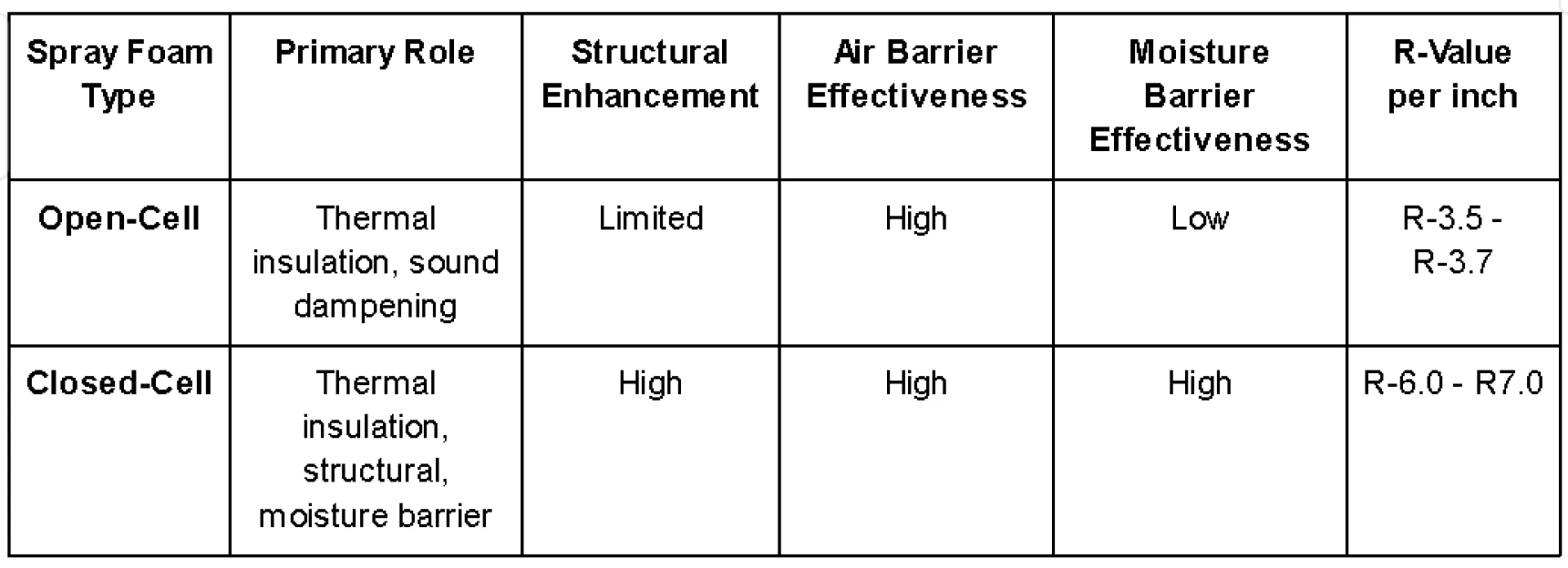
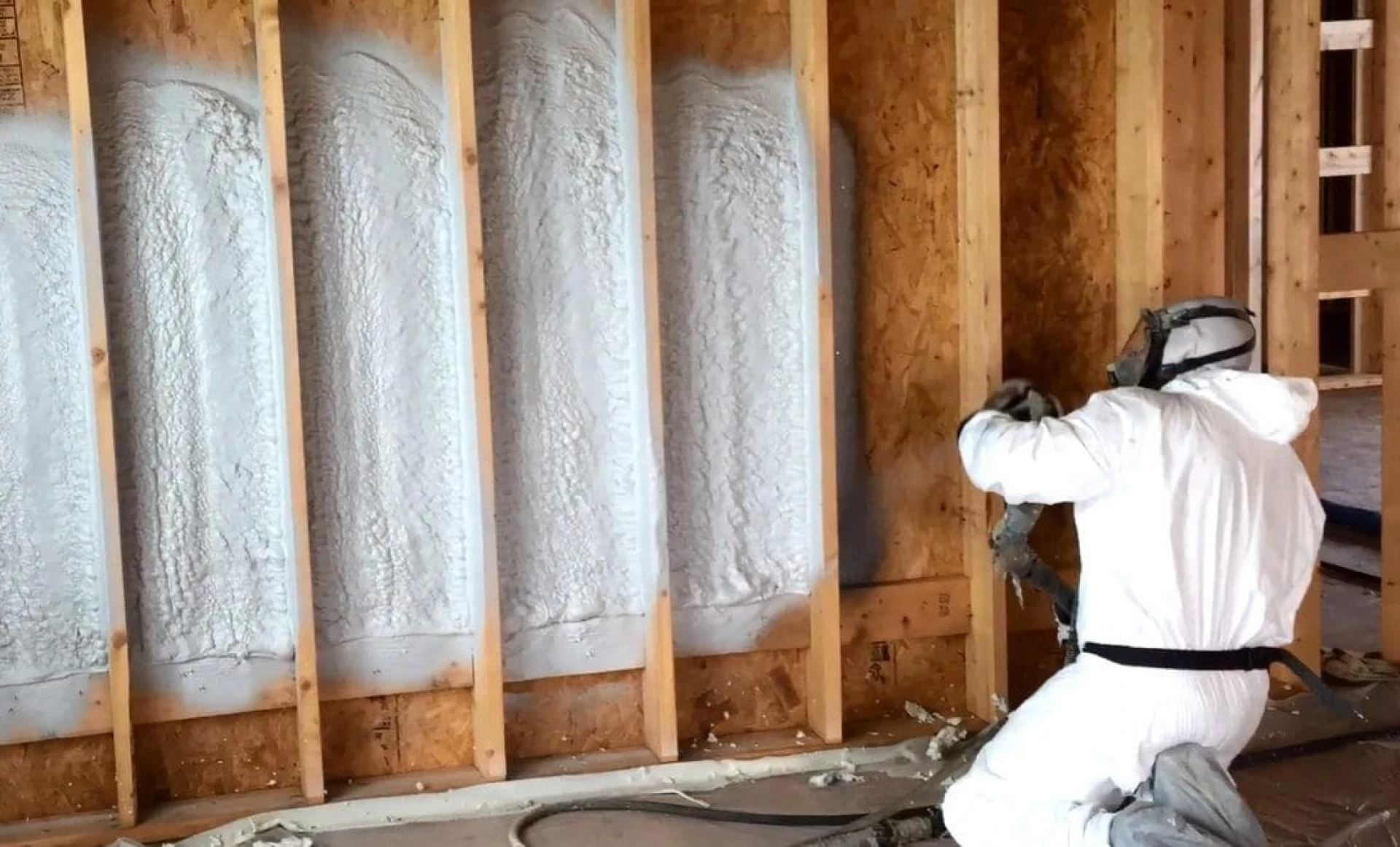
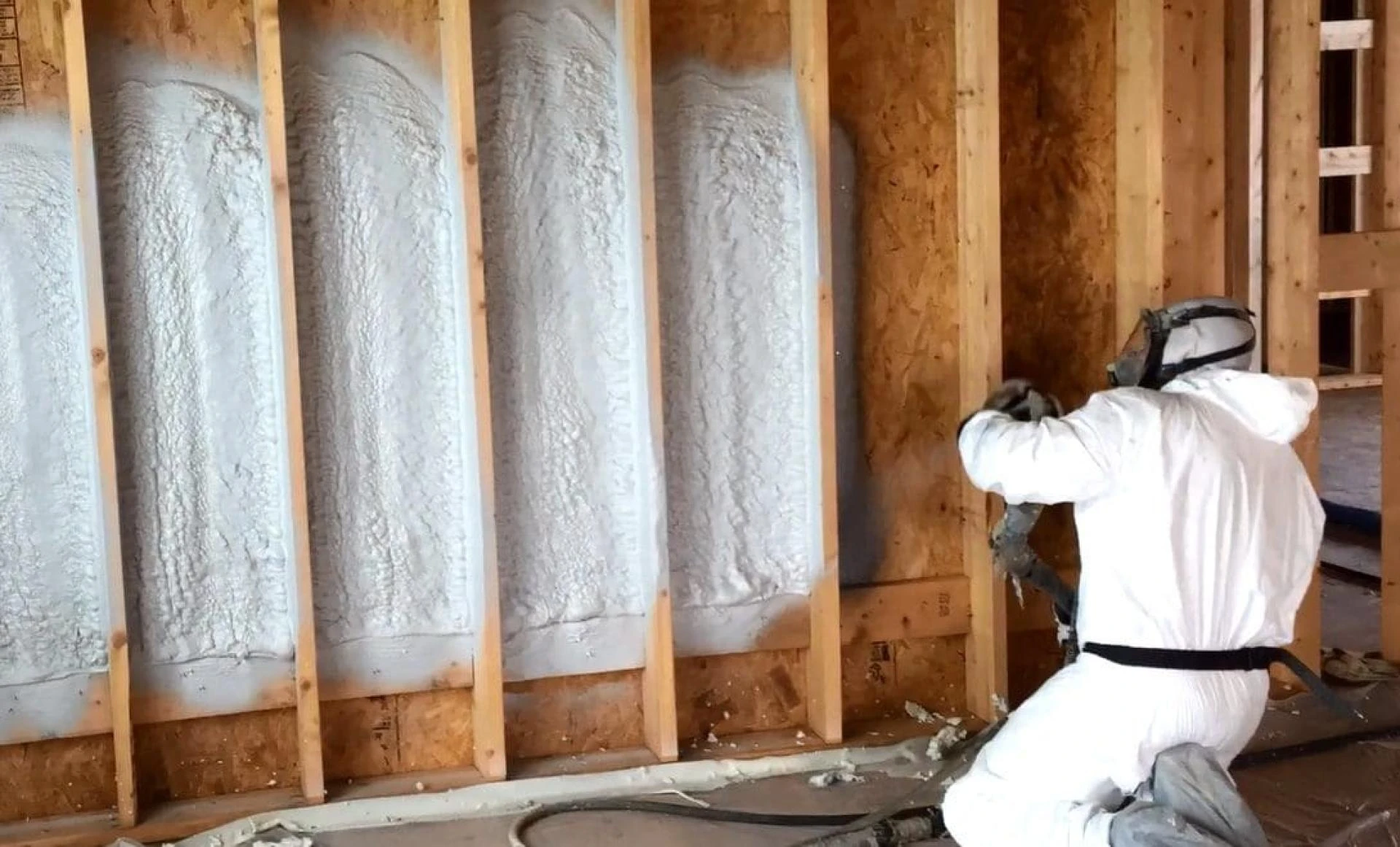
Closed-cell spray foam, in particular, adds measurable structural strength to walls and roof assemblies. Once cured, its dense, rigid form bonds to the framing members and sheathing, acting as a glue that helps resist racking and shear forces. This can make a home more resilient against high winds and seismic activity.
2. Superior Air Sealing
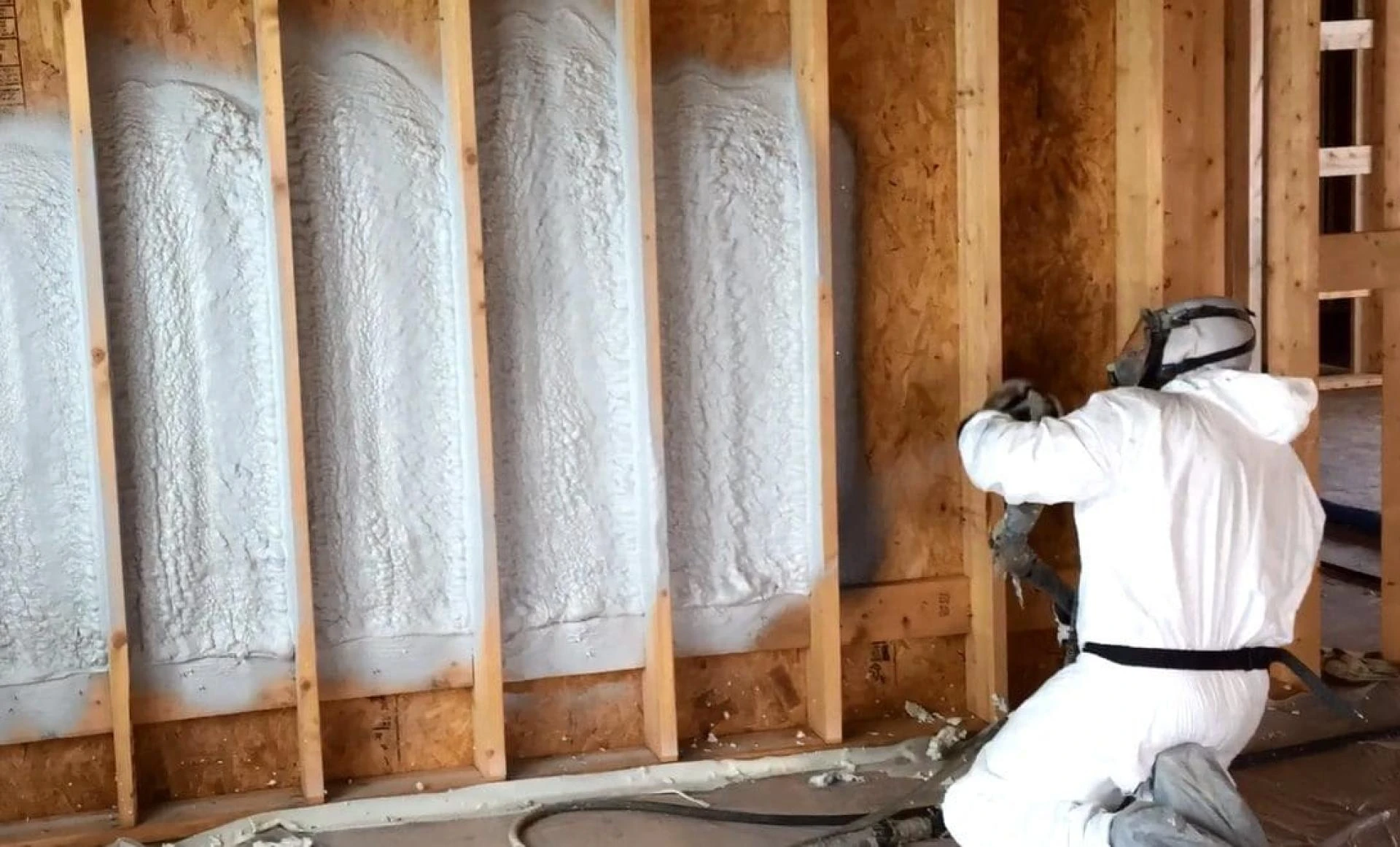
Spray foam expands to fill every void, crack, and crevice, creating an airtight seal that traditional insulation cannot match. This eliminates air leakage, which is responsible for a significant percentage of energy loss in homes. An airtight building envelope also reduces the entry of pollutants, allergens, and dust.
Around 25-40% of heat loss and gain in typical homes occurs through air leakage, which spray foam effectively prevents.
3. Effective Moisture Barrier
Closed-cell spray foam acts as an excellent moisture barrier, preventing water vapor from penetrating the building envelope. This is especially important in humid climates or areas prone to heavy rain, as it helps prevent condensation within wall cavities, which can lead to mold and mildew growth and structural damage.
4. Pest and Rodent Deterrent
The dense nature of cured spray foam creates a physical barrier that is difficult for pests and rodents to chew through or nest within. Unlike fibrous insulation materials that can provide shelter for critters, spray foam denies them access and habitat within wall cavities.
5. Reduces Noise Transmission
While all insulation helps with noise, open-cell spray foam is particularly effective at absorbing sound, creating a quieter indoor environment. Its soft, porous structure dampens airborne sound, reducing noise from outside sources like traffic or neighbors, and also between different rooms within the house.
Bonus Tip: For enhanced sound control between rooms, consider using open-cell spray foam in interior walls, even if exterior walls use closed-cell foam for thermal performance.
6. Protection Against Extreme Temperatures
By forming a continuous thermal barrier and eliminating air leaks, spray foam drastically stabilizes indoor temperatures. This protects the home's interior finishes, furniture, and internal systems from the stresses of extreme temperature fluctuations, which can cause materials to expand, contract, and degrade over time.
7. Prevents Condensation and Mold Growth
The air-sealing and moisture-resistant properties of spray foam work together to prevent condensation within wall cavities. When warm, moist air meets cooler surfaces inside a wall, condensation can form, leading to moisture issues and mold. Spray foam keeps cavity temperatures stable and blocks moisture vapor, protecting the building's structural integrity and indoor air quality.
Bonus Tip: In regions with high humidity, ensuring your building envelope is thoroughly sealed with spray foam can prevent costly long-term damage from moisture intrusion and related mold issues.
Regional Considerations in Las Vegas
In a region like Las Vegas, where extreme heat is a significant factor, strengthening the building envelope with spray foam insulation is particularly beneficial. The intense solar radiation and high ambient temperatures place immense stress on building materials and HVAC systems. Closed-cell spray foam's ability to add structural rigidity helps buildings resist the thermal expansion and contraction that can occur with wide temperature swings. Its superior air-sealing properties are critical in preventing hot desert air from infiltrating the cooled interior, directly lowering energy costs and extending the lifespan of HVAC equipment.
Things to Consider Before Making a Decision
Before installing spray foam insulation to strengthen your home's building envelope, consider these practical points.
Type of Spray Foam
Decide whether open-cell or closed-cell spray foam is most appropriate for each area of your home. Closed-cell foam offers greater structural rigidity and moisture resistance, while open-cell foam provides better sound dampening and can be more cost-effective for certain applications.
Professional Installation
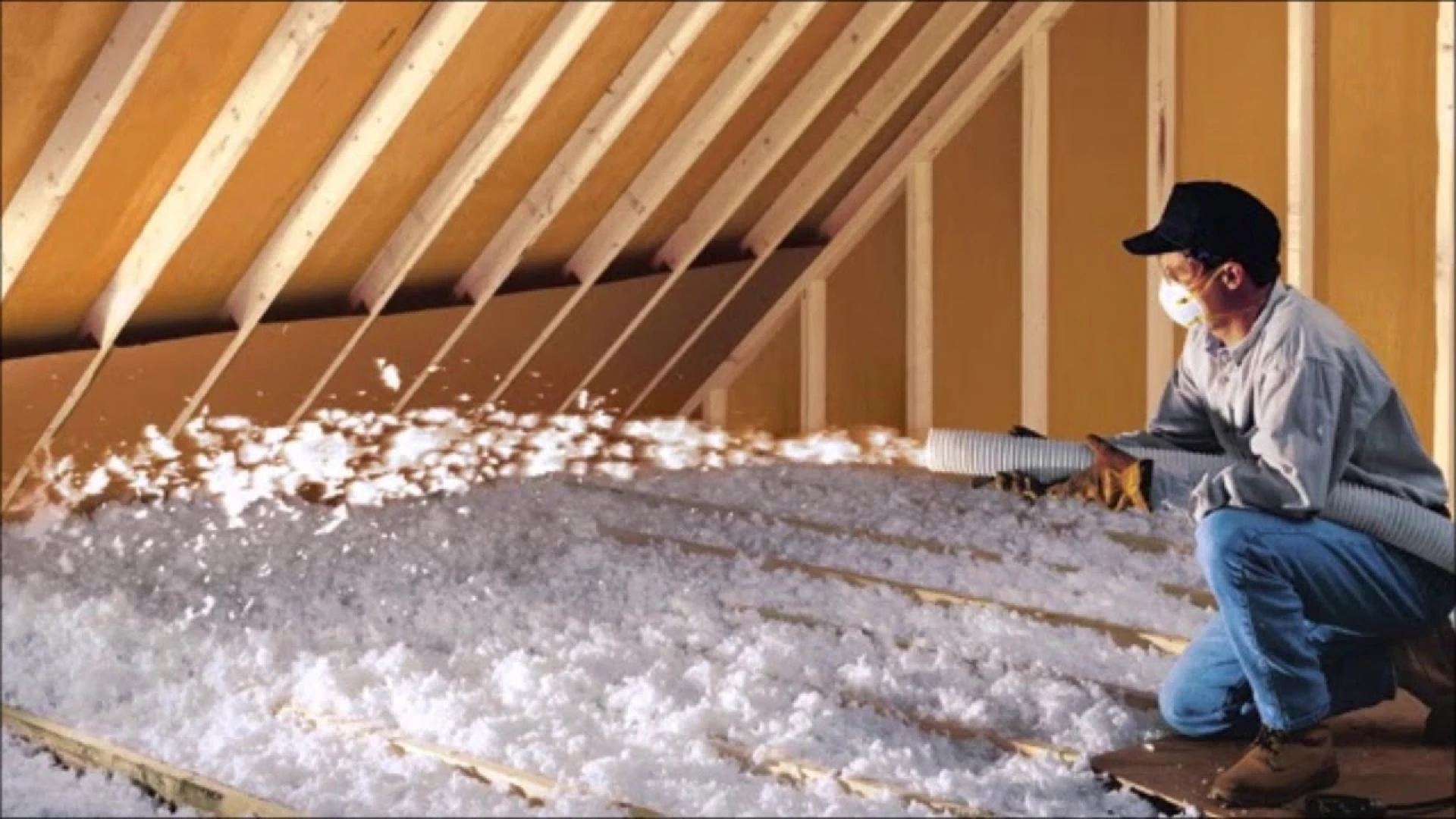
Proper installation is critical to realize all seven benefits. Incorrect mixing, inadequate coverage, or improper safety protocols can diminish performance and create problems. Always choose certified and experienced professionals.
Building Codes and Ventilation
Ensure the chosen insulation system complies with local building codes, especially regarding fire ratings and ventilation. An expert contractor will guide you through these requirements.
Cost vs. Long-Term Value
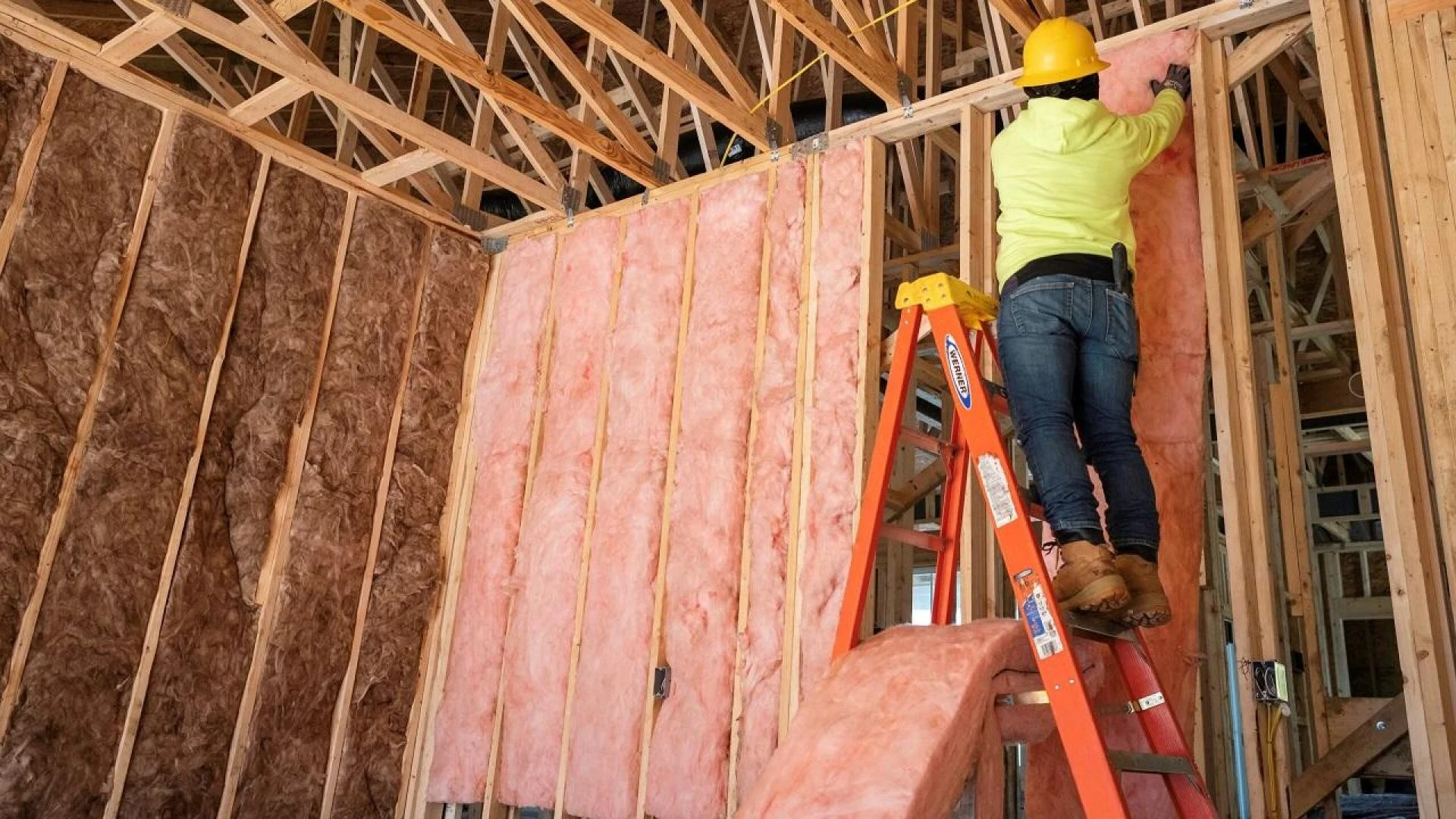
While spray foam has a higher upfront cost than some traditional insulations, its long-term benefits in energy savings, structural integrity, moisture control, and improved indoor environment often provide a significant return on investment over the life of the home.
Questions People Ask About Spray Foam and Building Strength
Does open-cell spray foam also strengthen the building envelope?
While closed-cell spray foam offers superior structural rigidity, open-cell foam still contributes to the building envelope by providing an excellent air seal, which improves overall building performance and comfort.
How does spray foam affect a home's ability to breathe?
Spray foam creates an airtight envelope, which means a home "breathes" less naturally through uncontrolled air leaks. This makes mechanical ventilation systems more important to ensure adequate fresh air exchange without sacrificing energy efficiency.
Can spray foam be used in flood-prone areas?
Closed-cell spray foam is highly resistant to water absorption and can be an excellent choice for flood-prone areas, as it retains its insulating properties even after water exposure and resists mold growth.
Is spray foam effective against high winds and storms?
Yes, closed-cell spray foam's ability to bond to framing and sheathing can significantly increase a wall's resistance to racking, making the home more resistant to damage from high winds and storms.
Does spray foam contribute to better indoor air quality?
By sealing the building envelope against outside air, spray foam reduces the infiltration of dust, pollen, and other outdoor allergens, which can improve indoor air quality for occupants.
Building a More Resilient Home with Spray Foam
Residential spray foam insulation does much more than just insulate; it strengthens the very fabric of a home's building envelope. From adding structural rigidity and providing superior air and moisture barriers to deterring pests and enhancing comfort, its multifaceted benefits create a more durable, efficient, and resilient living space. By understanding these advantages, homeowners can make informed decisions to improve their properties for the long term.
Connect with Building Envelope Experts
For homeowners interested in strengthening their building envelope with professional spray foam insulation services, Supreme Spray Foam LV offers expert solutions. Their team understands how to apply spray foam effectively to enhance a home's structural integrity, energy efficiency, and overall protection. To discuss your property's specific needs and explore how spray foam can benefit you, contact them at [email protected] or call (702) 904-9895.
Reviewer: Michael Carter reviewed this article using insight gained over 12 years in the spray foam business. His feedback focused on helping contractors reach new customers without overcomplicating their message.

























Sign in to leave a comment.