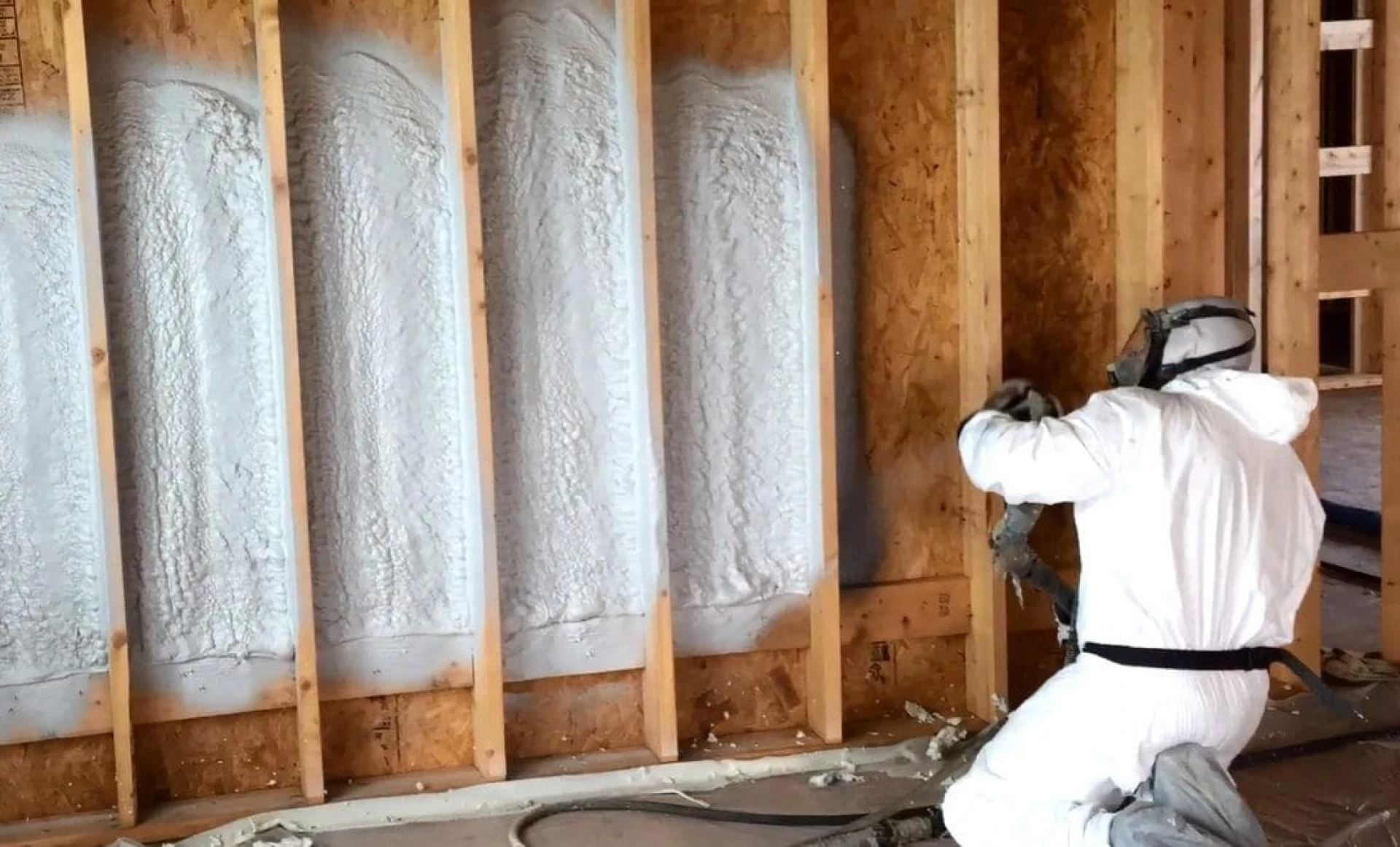

Commercial insulation is a foundational element of sustainable building design, playing a direct and measurable role in reducing a building's environmental impact. Its primary function is to create a high-performance thermal envelope that drastically cuts down on the energy required for heating and cooling, which is the largest source of operational carbon emissions in most commercial buildings. By significantly lowering this energy consumption, quality insulation not only reduces a building's carbon footprint but also enhances its long-term economic viability and improves the health and productivity of its occupants.
Sustainable design is about creating structures that are efficient, healthy, and environmentally responsible. Insulation is one of the key technologies that allows architects and builders to achieve these goals. This guide, drawing on principles from green building standards and the experience of commercial insulation experts, explores the multifaceted role insulation plays in the modern sustainable building.
Reducing Operational Energy and Carbon Emissions
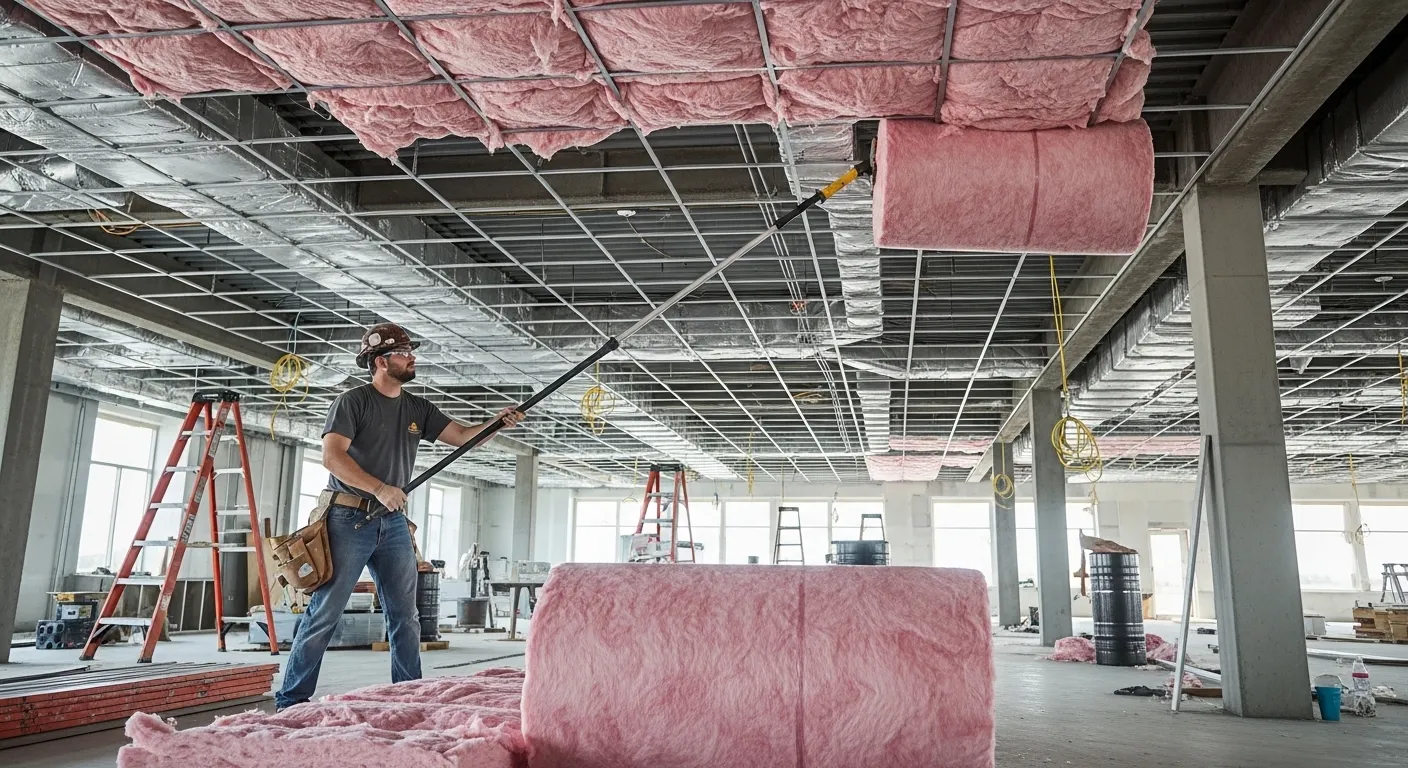
The most significant contribution of commercial insulation to sustainability is its impact on energy consumption. Commercial buildings are responsible for a substantial portion of global energy use and greenhouse gas emissions. The vast majority of this energy is used by their HVAC systems to maintain a comfortable indoor temperature.
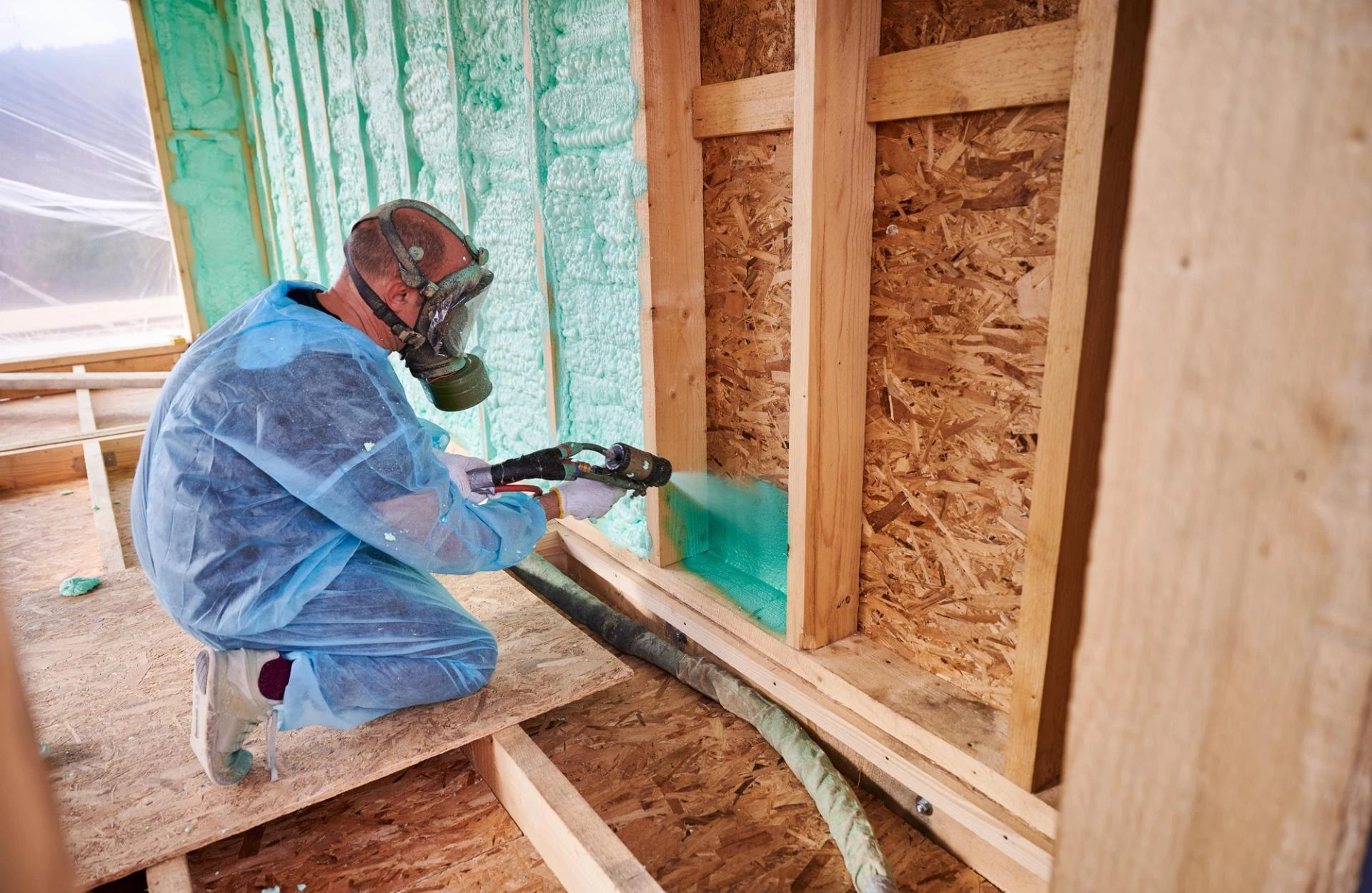
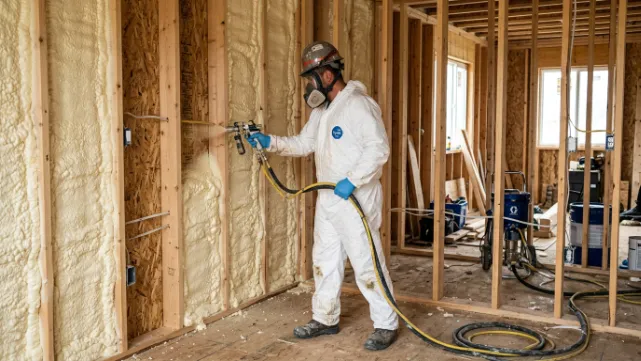
High-performance insulation, particularly systems like continuous exterior insulation or a complete spray foam envelope, dramatically reduces the amount of heating and cooling needed. By creating a superior thermal barrier and an effective air seal, the insulation minimizes heat loss in the winter and heat gain in the summer. This directly lowers the building's energy demand, which in turn reduces its reliance on fossil fuels and cuts its operational carbon emissions. This is a permanent reduction that provides environmental benefits for the entire life of the building.
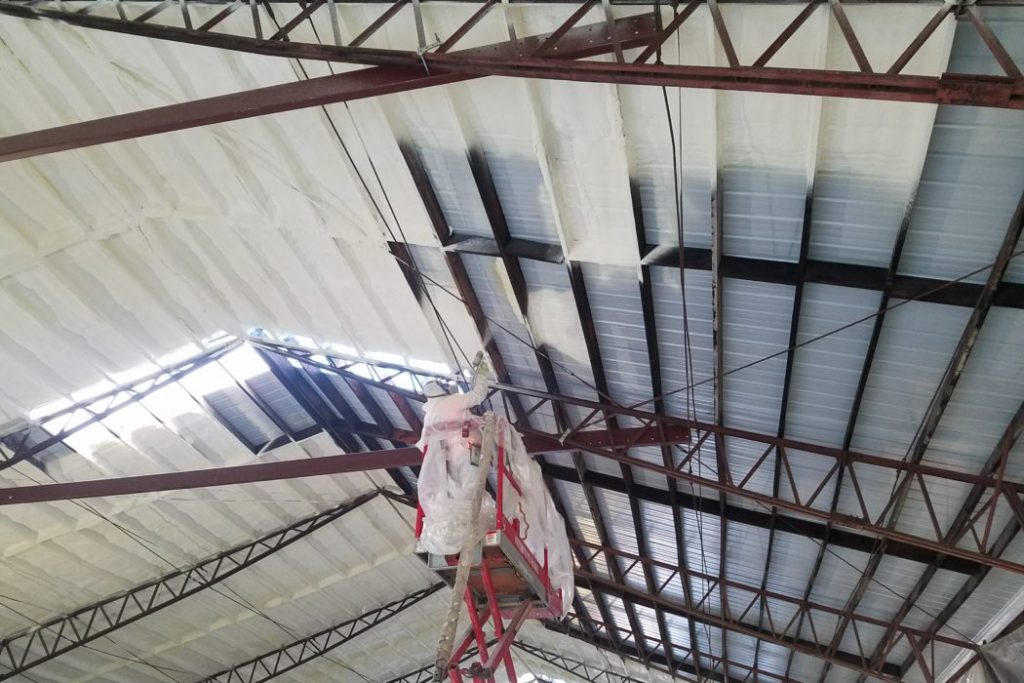
- Bonus Tip: In commercial steel-frame constrution, thermal bridging through the steel studs can be a major source of energy loss. Sustainable designs often specify a layer of continuous exterior insulation, like rigid foam or spray foam, to cover the entire exterior of the framing and stop this energy leak.
Enhancing Building Durability and Longevity
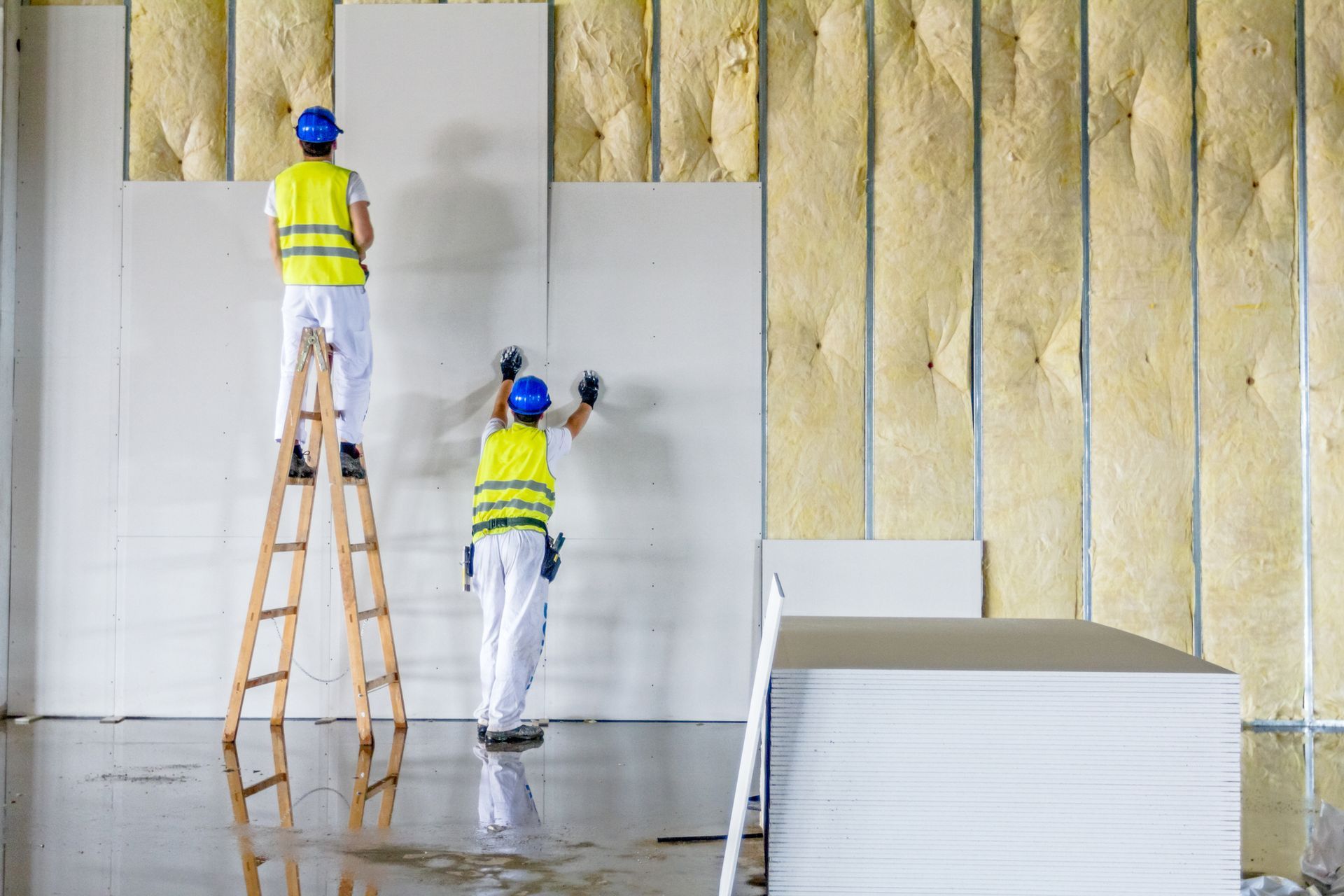
A truly sustainable building is one that is built to last. Commercial insulation contributes to a building's durability by helping to manage moisture, which is one of the biggest threats to the longevity of a structure. When warm, moist air comes into contact with a cold surface, condensation can form within the wall assembly, leading to mold, rot, and the degradation of building materials.
Certain types of insulation, like closed-cell spray foam, act as a continuous air and vapor barrier. When designed and installed correctly, this system prevents moisture-laden air from reaching a condensing surface. By controlling moisture, the insulation protects the structural integrity of the building, from the steel studs to the sheathing and interior finishes. This reduces the need for costly repairs and premature replacement of materials, which is a key principle of sustainable, life-cycle design.
Improving Indoor Environmental Quality
Sustainability is not just about the building; it's also about the health and well-being of the people inside it. Indoor Environmental Quality (IEQ) is a major component of green building certification programs like LEED (Leadership in Energy and Environmental Design). Commercial insulation plays a vital role in several aspects of IEQ.
First, by creating an airtight building envelope, insulation like spray foam helps to prevent the infiltration of outdoor pollutants, dust, and allergens. Second, a well-insulated building has more stable temperatures and fewer drafts, creating a more comfortable and productive environment for employees. Third, certain insulation materials, like open-cell spray foam, are excellent at absorbing sound, which can reduce noise transfer between offices or from the outside, creating a quieter and less stressful workspace.
Insulation's Contribution to Green Building Goals
This table shows how the choice of insulation directly supports the goals of major sustainable design initiatives.

The Role of Insulation in HVAC System Design
The choice of insulation has a direct and significant impact on the design of a building's mechanical systems. In a poorly insulated building, engineers must specify large, powerful HVAC systems to compensate for the high degree of energy loss. These systems are expensive to purchase, install, and operate.
In a sustainably designed building with a high-performance thermal envelope, the heating and cooling loads are much smaller. This often allows for the use of smaller, more efficient, and less expensive HVAC equipment. This "right-sizing" of the mechanical systems not only saves on upfront capital costs but also ensures the equipment operates at its peak efficiency, further reducing long-term energy use. The insulation is what makes this more intelligent and sustainable approach to HVAC design possible.
Things to Consider in Sustainable Design
When selecting insulation for a sustainable commercial project, designers and builders need to look beyond just the R-value.
First, they must consider the entire life cycle of the insulation material. This includes the environmental impact of its manufacturing process, the durability of the product in place, and its potential for being recycled or disposed of at the end of the building's life. Second, the airtightness of the final assembly is just as important as the thermal resistance. The design must specify how the insulation will be part of a continuous air barrier system.
Finally, the interaction between the insulation and the other building components must be carefully detailed. The goal is to create a complete, integrated system where the insulation, air barrier, and vapor retarder all work together to create a durable, efficient, and healthy building.
Common Questions About Commercial Insulation and Sustainability
Can using better insulation help a project achieve LEED certification?
Yes, absolutely. The choice of insulation directly contributes to earning points in the Energy and Atmosphere (EA) and Indoor Environmental Quality (IEQ) credit categories of the LEED rating system.
Are there sustainable insulation materials made from recycled content?
Yes, materials like cellulose (made from recycled paper) and certain types of fiberglass and mineral wool contain a high percentage of recycled content. Architects often specify these products for projects focused on material sustainability.
What is meant by the "embodied carbon" of insulation?
Embodied carbon refers to the greenhouse gas emissions associated with the entire life cycle of a material, from manufacturing and transportation to installation and disposal. Some sustainable designs prioritize materials with a lower embodied carbon.
How does insulation in a commercial roof affect the "urban heat island" effect?
A well-insulated roof keeps the building cooler, which reduces the amount of heat that the building radiates back into the surrounding environment at night. When combined with a reflective or "cool roof" surface, this can help mitigate the urban heat island effect, where cities are significantly warmer than surrounding rural areas.
Is spray foam insulation considered a sustainable product?
Modern spray foams have made significant advances. Many are now made with renewable materials like soy or recycled plastics and use blowing agents that have a low Global Warming Potential (GWP). When you consider their long lifespan and superior performance in reducing a building's operational carbon, they are a key component in many high-performance sustainable designs.
Insulation: A Pillar of Sustainable Construction
In the pursuit of sustainable building design, commercial insulation is not just a component; it is a critical enabler of performance. By drastically reducing a building's energy needs, protecting its structure for a longer life, and contributing to a healthier indoor environment, it provides a powerful, multi-faceted solution. As energy codes become more stringent and the demand for green buildings grows, the role of high-performance insulation will only become more central to the future of responsible construction.
Get an Expert Consultation for Your Commercial Project
Designing a sustainable and efficient building envelope requires a high level of technical expertise. Consulting with a professional commercial insulation contractor early in the design process can lead to better outcomes and a more cost-effective project. For developers, architects, and builders seeking expert advice, a company like Supreme Spray Foam LV offers specialized commercial services. Their team can be reached for a project consultation at (702) 904-9895 or by email at [email protected].
Reviewer: Michael Carter reviewed this article using insight gained over 12 years in the spray foam business. His feedback focused on helping contractors reach new customers without overcomplicating their message.


























Sign in to leave a comment.