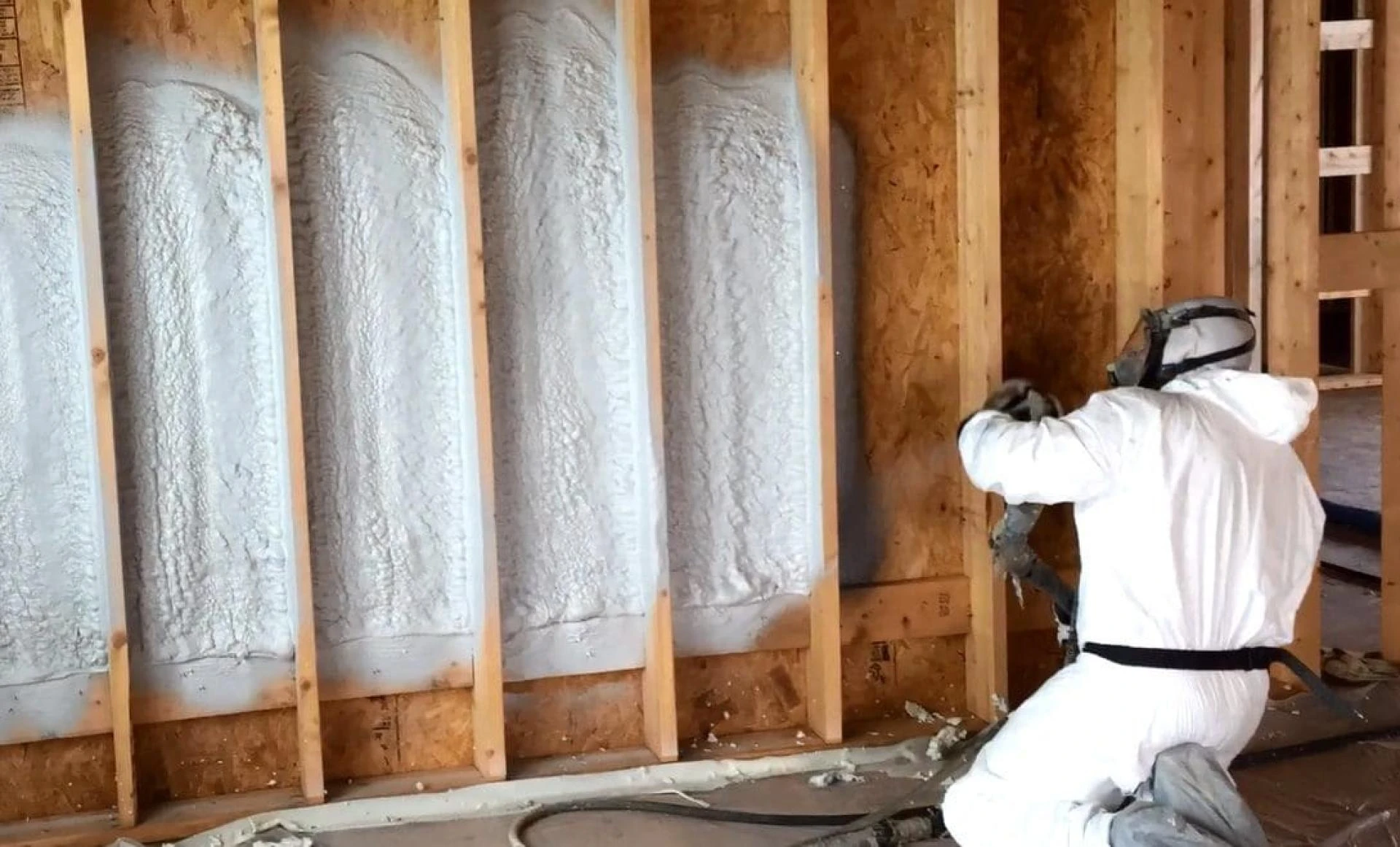

When it comes to spray foam insulation, the final product might look similar from one company to the next. But the small details in preparation, application, and cleanup are what truly separate a quality contractor from the rest. The best companies distinguish themselves through meticulous site prep, precise equipment calibration, and transparent communication, ensuring the insulation performs correctly and safely for decades. These often-overlooked steps are what prevent issues like poor adhesion, lingering chemical odors, or inefficient thermal barriers.
This guide comes from insights gathered from veteran installers and building science experts. It pulls back the curtain on what a professional spray foam job really involves, helping property owners identify the signs of a truly skilled contractor. Understanding these differences is key to getting a job done right the first time.
Beyond the Spray Gun: The Importance of Preparation
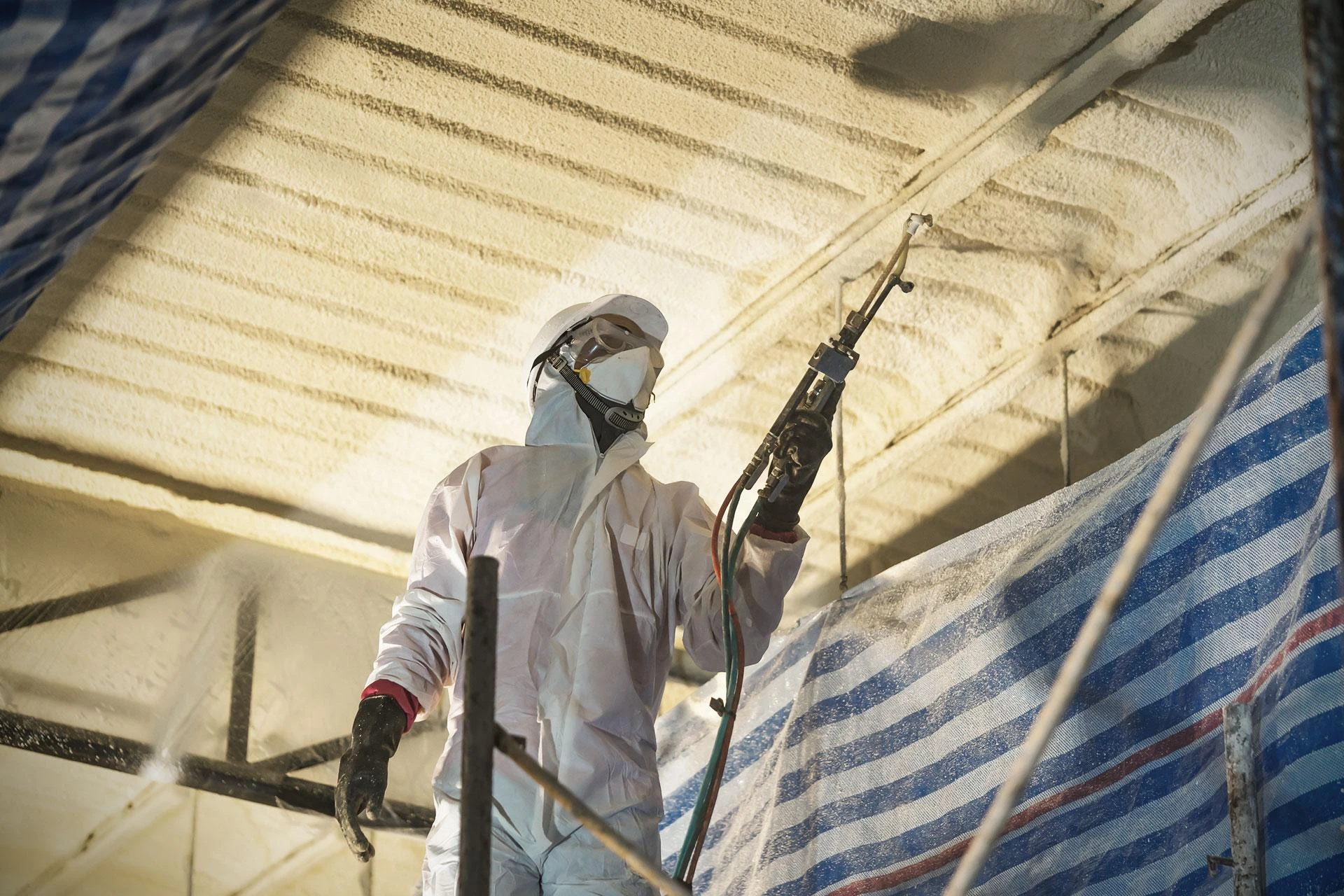
A successful spray foam job begins long before any chemicals are mixed. The quality of the preparation work is a clear indicator of a contractor's professionalism. A top-tier crew will spend a significant amount of time protecting the job site. This includes thoroughly masking off windows, doors, floors, and electrical outlets. They will also cover any fixtures, furniture, or equipment in the vicinity to protect them from overspray, which can be very difficult to remove.
Surface readiness is another critical step. The surfaces being sprayed, whether wood studs, metal sheeting, or concrete, must be clean, dry, and free of oil or dust. Any contaminants will interfere with the foam's ability to adhere properly. In climates with fluctuating humidity or extreme temperature swings, this step is even more important.
- Bonus Tip: A truly meticulous contractor will often use a moisture meter to test the substrate, especially on new wood framing. Applying spray foam to a surface with high moisture content can trap water, leading to potential rot and adhesion failure down the line.
Equipment and Material Handling
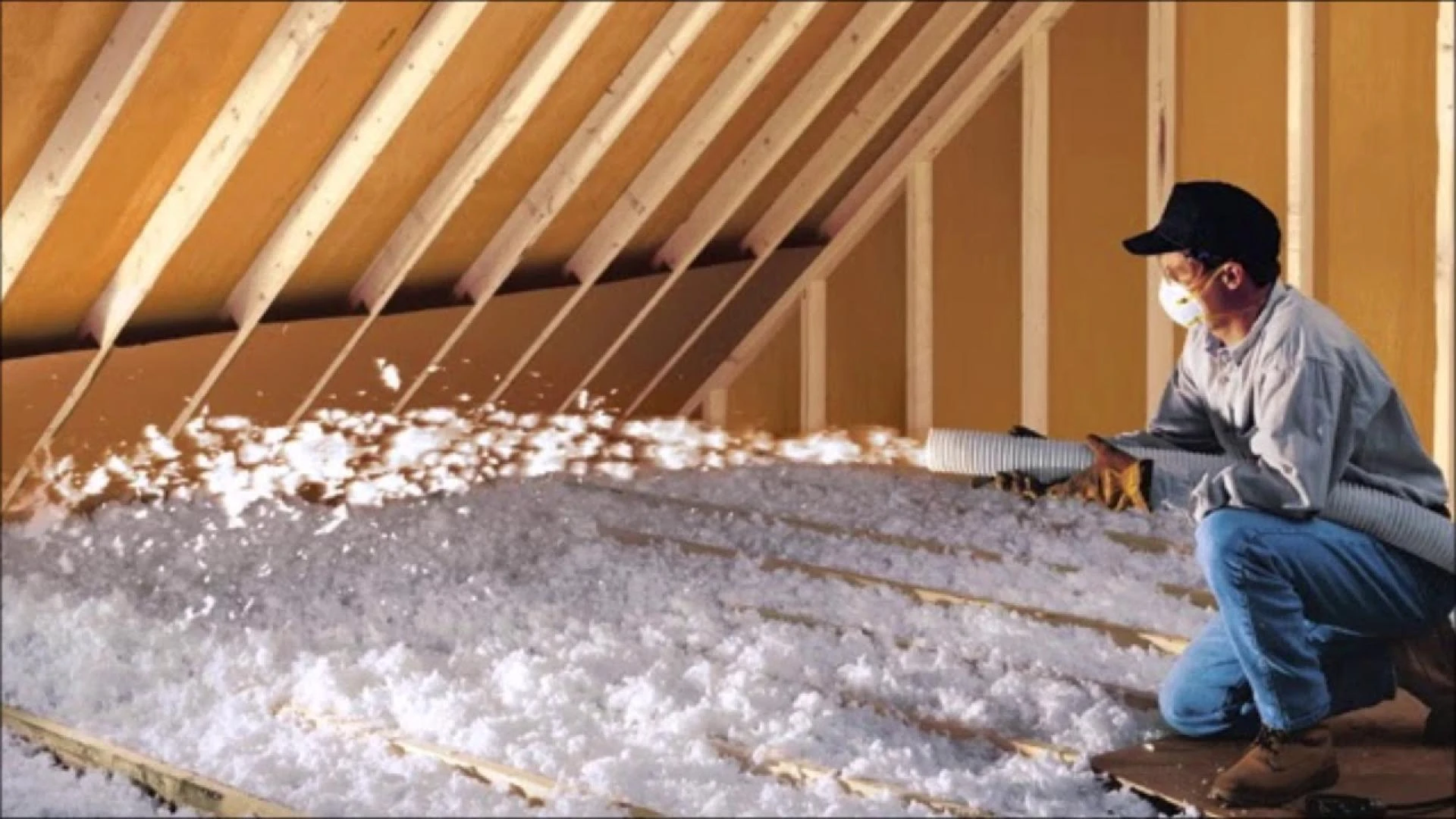
The specialized equipment used for spray foam insulation requires expert handling and constant maintenance. The machine that heats and pumps the two chemical components, known as a proportioner or reactor, must be perfectly calibrated. If the temperature or pressure is off even slightly, the foam will not cure as intended. This can result in a product that is soft, brittle, or fails to provide the advertised R-value.
Professional crews take pride in their rigs. A clean, organized truck or trailer is a good sign that the equipment inside is well-maintained. They also understand the importance of managing the temperature of the chemical drums themselves. This attention to detail ensures the material performs exactly as the manufacturer specified.
n-Site Equipment and Crew Checklist
The condition of a contractor's equipment and the crew's behavior on-site can tell you a lot about their work quality. Here’s a quick comparison of what to look for.
Feature
Signs of a Professional Crew
Red Flags to Watch For
Equipment Rig
Clean, organized truck or trailer; well-maintained hoses and spray guns.
Leaky connections, dirty equipment, disorganized workspace.
Material Storage
Chemical drums are stored properly, often in a climate-controlled rig.
Drums left exposed to extreme sun or cold, mismatched chemical sets.
Safety Protocols
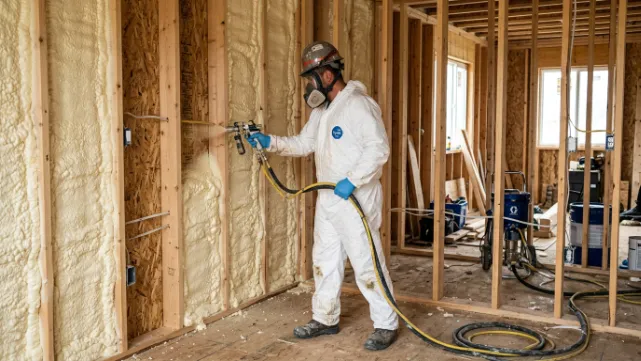
All team members wear full-face respirators, chemical-resistant suits, and gloves.
Minimal or improper safety gear, such as simple dust masks.
System Monitoring
The crew regularly checks and adjusts temperature and pressure settings.
A "set it and forget it" approach with no visible monitoring of the system.
Application Technique Is an Art Form
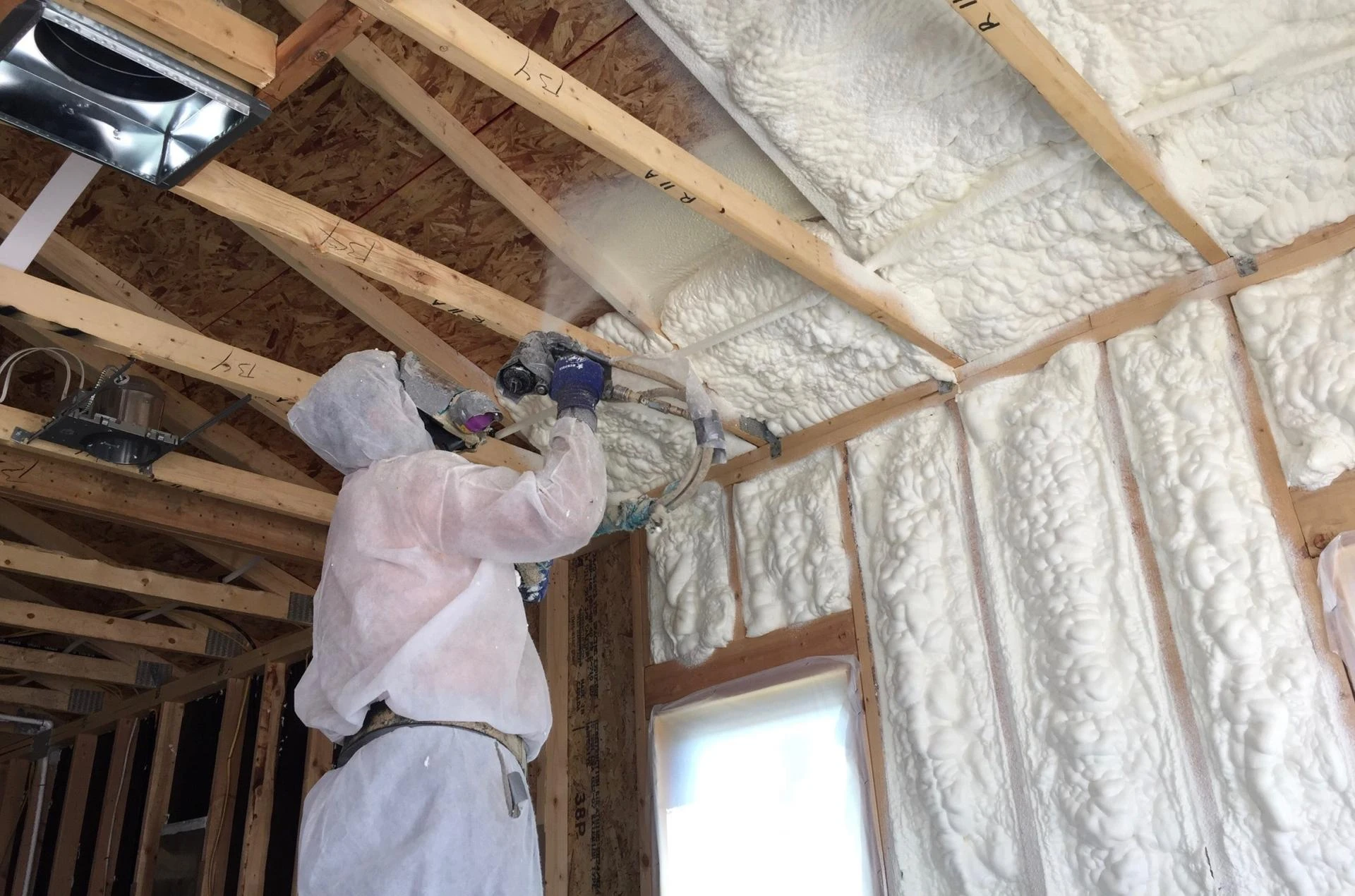
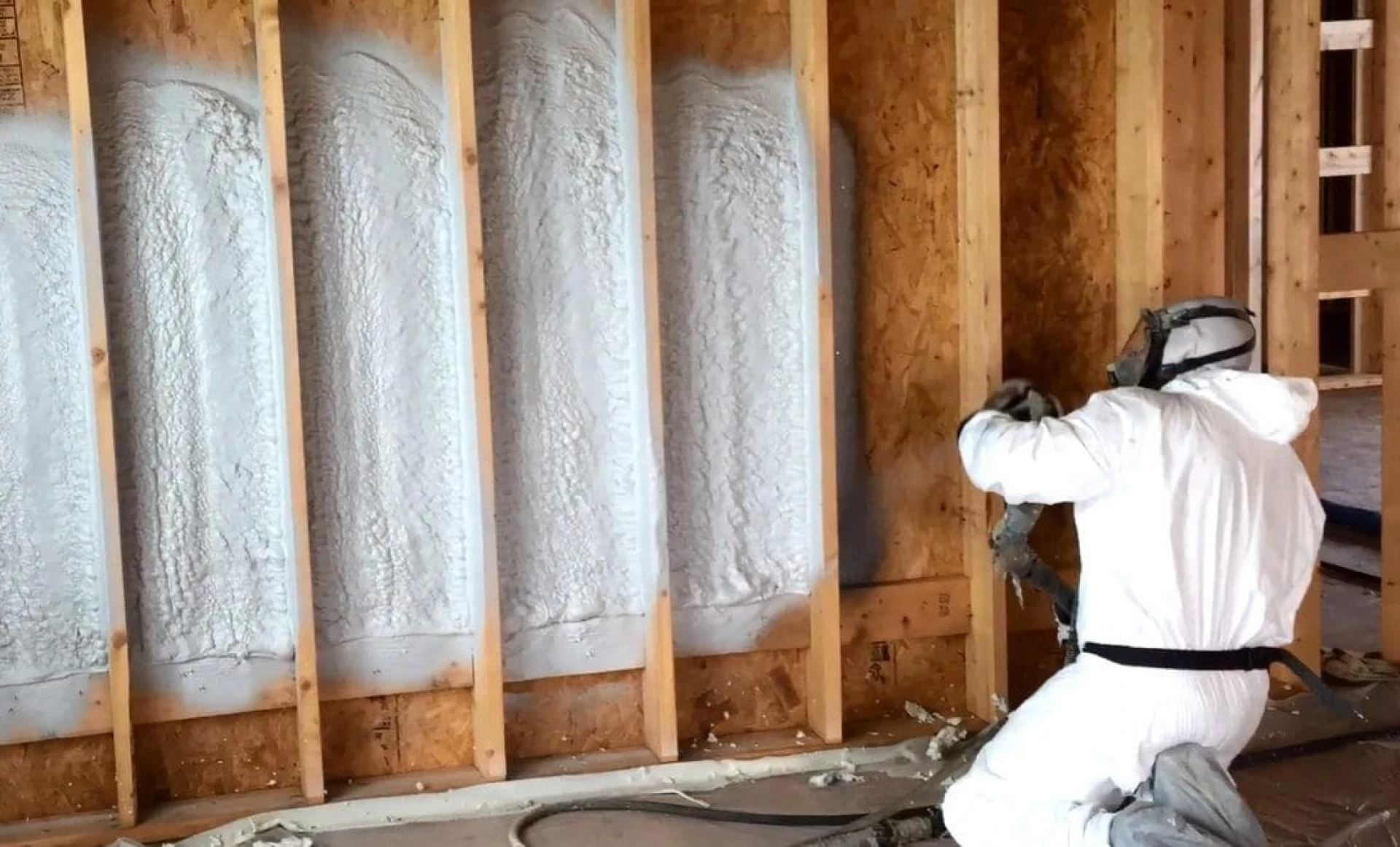
Applying spray foam is not as simple as pointing and spraying. It's a technical skill that requires a steady hand and a deep understanding of how the material behaves. One of the most important techniques is applying the foam in thin layers, known as "lifts." Each layer is typically no more than two inches thick. This method allows the foam to cure properly and prevents it from overheating, which is an exothermic reaction. Applying foam too thickly at once can create a poor cell structure and even pose a fire risk during installation.
After the foam has cured, a professional crew will trim any excess so that it sits flush with the wall studs. This step is necessary for drywall to be installed smoothly. A sloppy job will have uneven, bulging surfaces, creating more work for other trades. The final texture should be consistent, without large pockets or voids.
Things to Consider Before Making a Decision
Beyond the on-site application, there are a few key factors to evaluate that go beyond the initial quote.
First, look for transparency. A detailed quote should specify the type of foam being used (open-cell or closed-cell), the planned thickness in inches, and the target R-value. Vague proposals are a warning sign. Second, always verify their credentials. A reputable company should be able to provide documentation of their business standing and worker protection policies. Ask if their installers are certified through a program like the Spray Polyurethane Foam Alliance (SPFA).
Finally, a good contractor should be able to explain the science behind their product. They should discuss the re-occupancy time, which is the period you'll need to stay out of the house while the foam cures and ventilates. In fact, improperly applied spray foam is one of the leading causes of callbacks in the insulation industry, underscoring the need for experienced installers.
The Final Touches: Cleanup and Post-Job Communication
The job isn't finished when the spraying stops. The mark of a truly professional company is how they leave the job site. They should remove all masking materials, sweep and vacuum any foam trimmings and debris, and properly prepare the empty chemical drums for disposal. Leaving a worksite clean and ready for the next trade is a sign of respect for the project and the property owner.
A final walkthrough is also standard practice for top companies. The crew leader should walk you through the space, show you the completed work, and answer any remaining questions. This ensures you are completely satisfied with the result and understand the value of what was done.
- Bonus Tip: Don't hesitate to ask the contractor about their disposal process for empty chemical drums. Responsible companies follow strict environmental protocols, which is another indicator of their overall professionalism.
Common Questions About Spray Foam Installation
How can I tell if the foam is cured correctly?
Properly cured spray foam should be firm and solid to the touch, not sticky or wet. After the recommended ventilation period, there should not be a persistent, strong chemical smell. The color and texture should also be consistent throughout the application area.
What's the difference between open-cell and closed-cell foam?
Open-cell foam is lighter, more flexible, and has a spongy texture. It's an excellent air barrier and sound-dampening material. Closed-cell foam is dense, rigid, and provides structural reinforcement. It also acts as a vapor barrier, making it ideal for basements, crawl spaces, and areas where moisture is a concern.
Do I really need to leave my house during the application?
Yes, absolutely. During the spraying process, chemical vapors are released that require professional-grade personal protective equipment (PPE) to handle safely. A reputable contractor will require all occupants, including pets, to vacate the premises and will provide a clear timeline for when it is safe to return.
Can spray foam be applied over old insulation?
For the best performance, it is highly recommended that old insulation be removed. Spray foam needs a clean, dry surface to adhere to properly and create a continuous air seal. Spraying over old fiberglass or cellulose can trap moisture and debris, compromising the effectiveness of the new insulation.
How thick does the foam need to be?
The required thickness depends on several factors, including the type of foam used, the local climate zone, and building code requirements. For example, building codes in colder climates demand a higher R-value, which means thicker foam. A qualified contractor will calculate the precise thickness needed for your specific project.
Choosing the Right Contractor Makes All the Difference
Ultimately, the long-term performance and safety of spray foam insulation depend entirely on the skill of the installer. Looking beyond the price and focusing on a company's process, from their memessage.
ticulous preparation and equipment handling to their application technique and thorough cleanup, is the best way to ensure a successful outcome. Taking the time to evaluate these small but significant details will help you choose a contractor who delivers a high-quality, lasting solution for your property.
Get a Professional Assessment
For property owners wanting to ensure their project is handled correctly from start to finish, consulting with an experienced team is a logical next step. A professional assessment can provide clarity on the right type of foam for your needs and a transparent breakdown of the installation process. Interested property owners can connect with companies like Supreme Spray Foam LV for a detailed consultation. Their team is available to discuss specific project requirements and can be reached at (702) 904-9895 or by email at [email protected].
Reviewer: Michael Carter reviewed this article using insight gained over 12 years in the spray foam business. His feedback focused on helping contractors reach new customers without overcomplicating their




























Sign in to leave a comment.