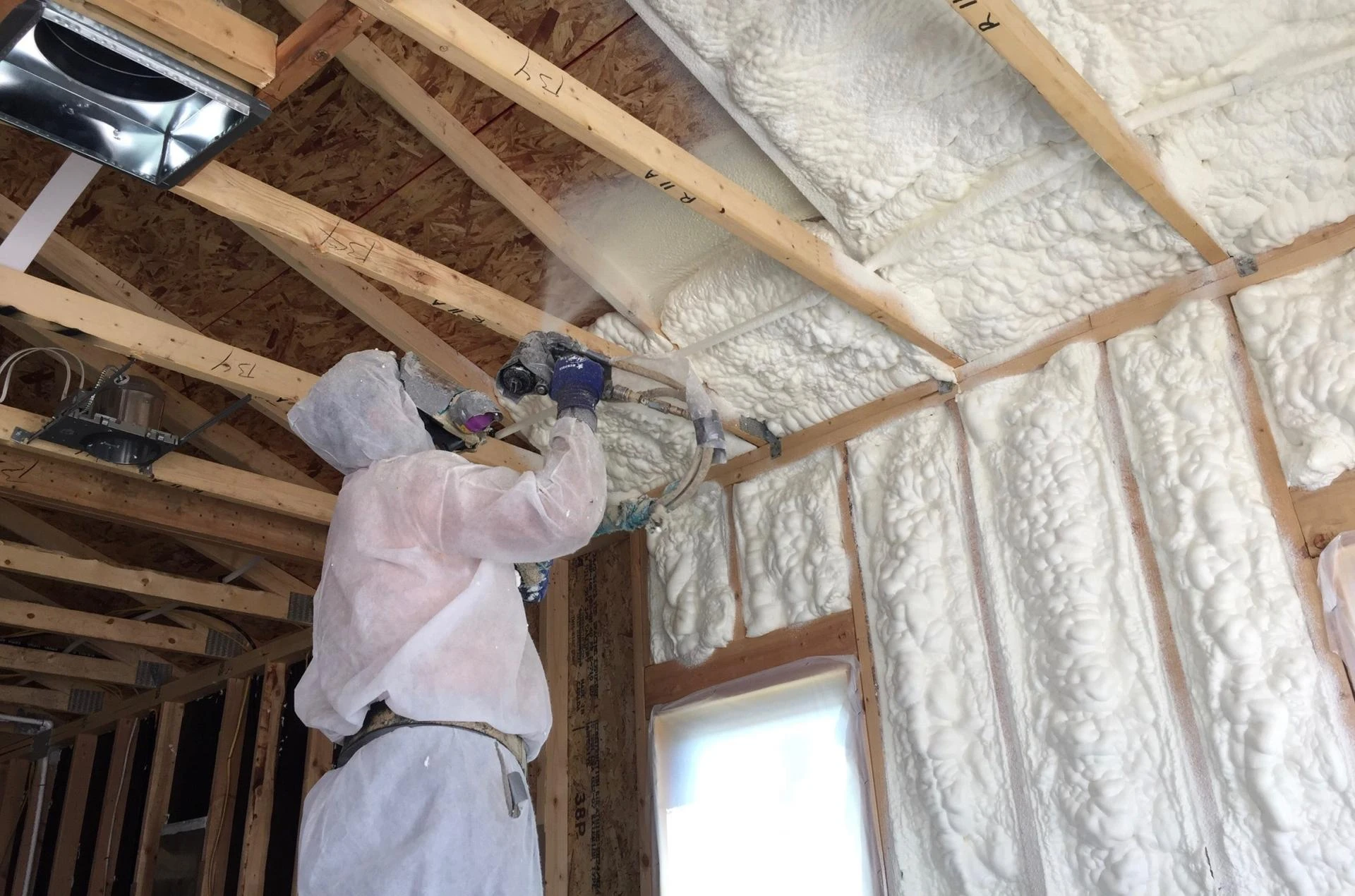

Closed-cell spray foam helps you save money over the years by delivering a powerful combination of high thermal resistance, an integrated air and moisture barrier, and added structural strength. While its initial cost is higher than traditional insulation, its long-term value comes from drastically lower energy bills, the prevention of costly moisture-related repairs, and a more durable building structure. This high-density foam creates a nearly impenetrable shield against the elements, ensuring that the savings continue to accumulate for the life of the building.
To see how a closed-cell spray foam contractor delivers these long-term financial benefits, it helps to understand its specific properties. The information here is grounded in years of field experience and provides a clear guide for homeowners and builders considering this high-performance insulation.
The Unique Makeup of Closed-Cell Foam
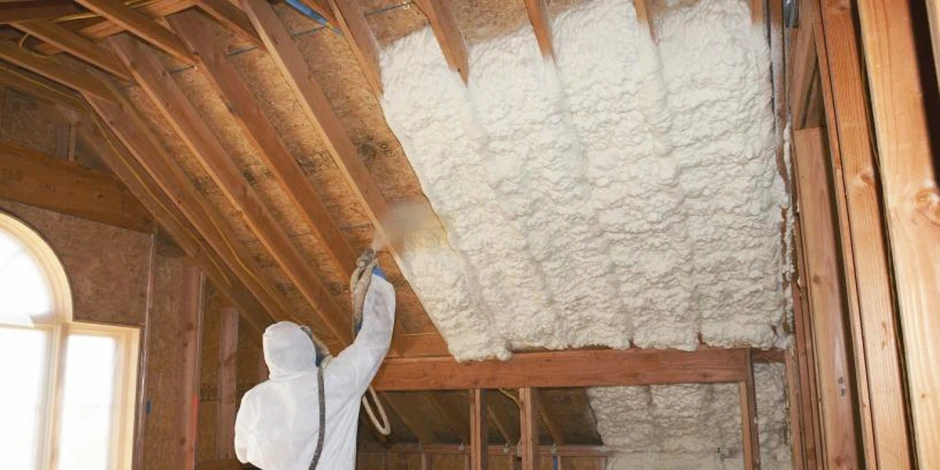
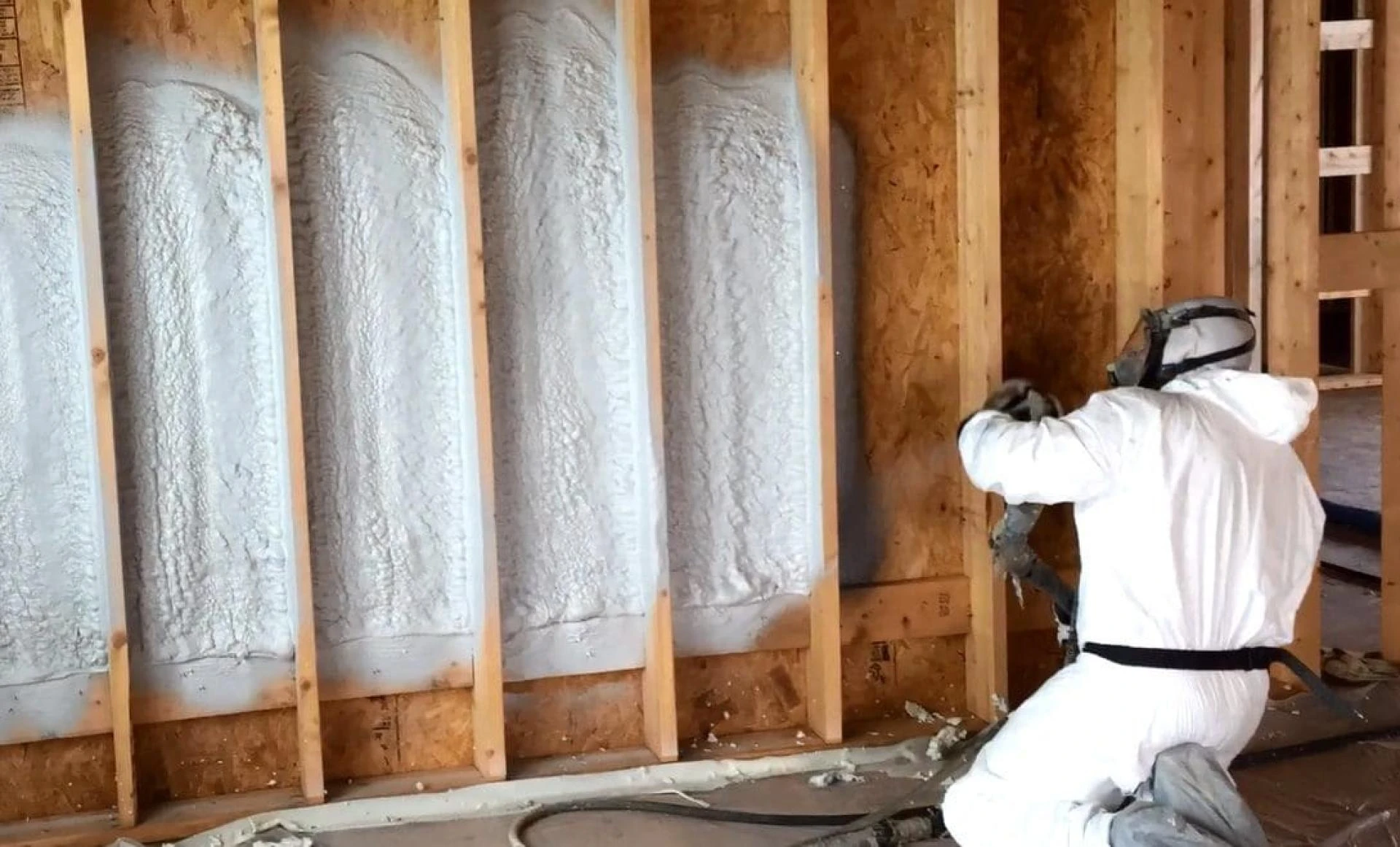
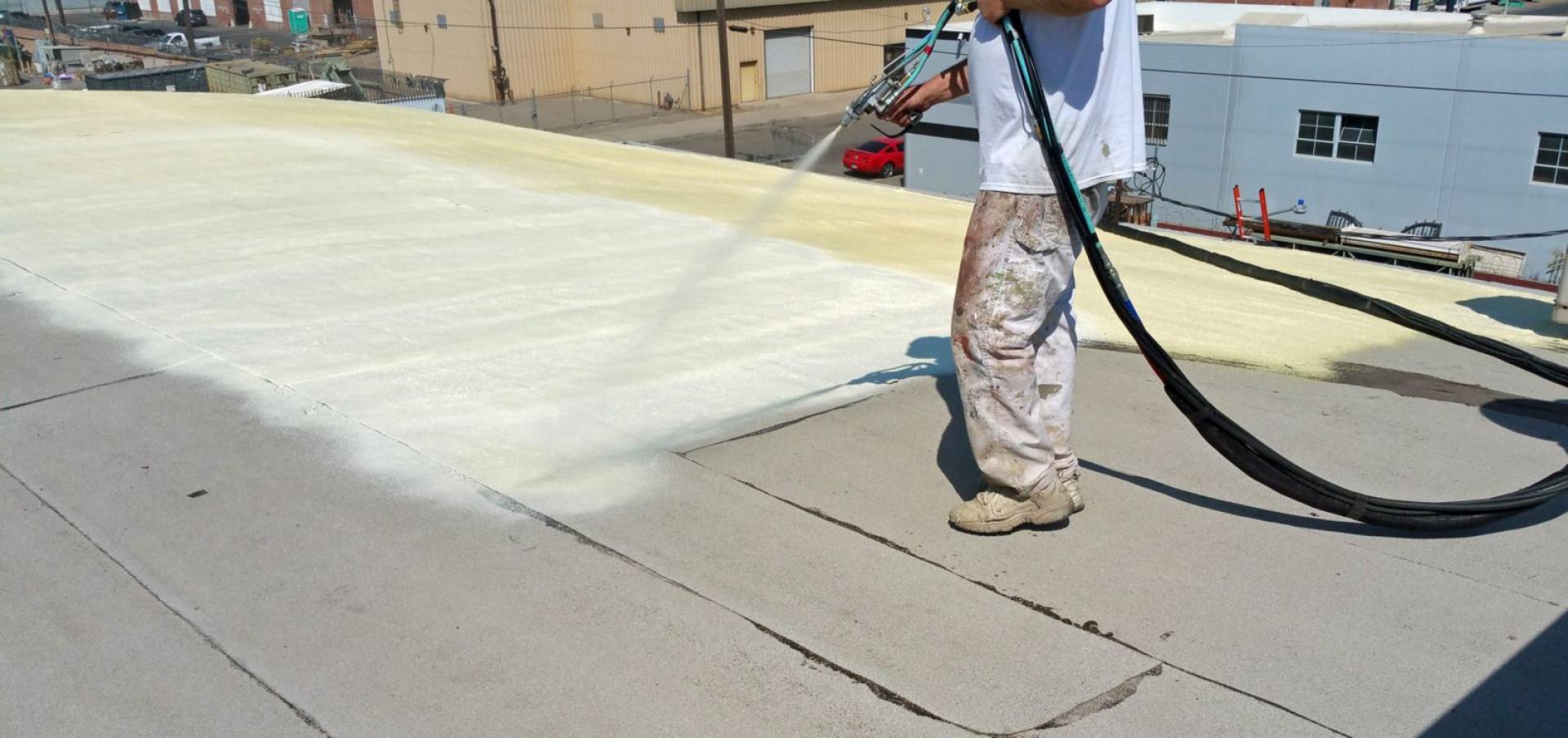
Closed-cell spray foam is a rigid polyurethane foam with a dense structure. During the application process, two liquid components are mixed, creating a chemical reaction that causes the foam to expand and harden. The key difference from its open-cell counterpart is its cell structure. Closed-cell foam is filled with millions of tiny, sealed cells, each containing a trapped blowing agent. This gas is a much poorer conductor of heat than air, which is what gives the foam its exceptionally high R-value, typically around R-6.5 per inch.
This dense, sealed-cell structure is responsible for nearly all of its performance benefits. It doesn't just slow down heat transfer; it also stops air and moisture in their tracks, creating a multi-functional barrier in a single product.
Direct Impact on Energy Consumption
The most immediate and noticeable savings from closed-cell foam come from reduced energy use. This is achieved through two primary mechanisms.
High Thermal Resistance
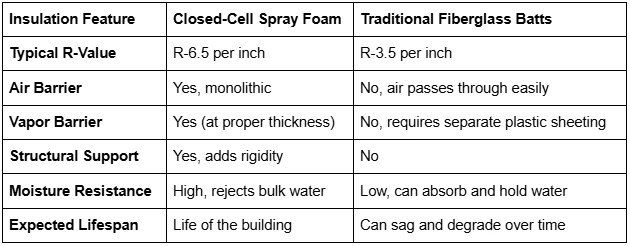
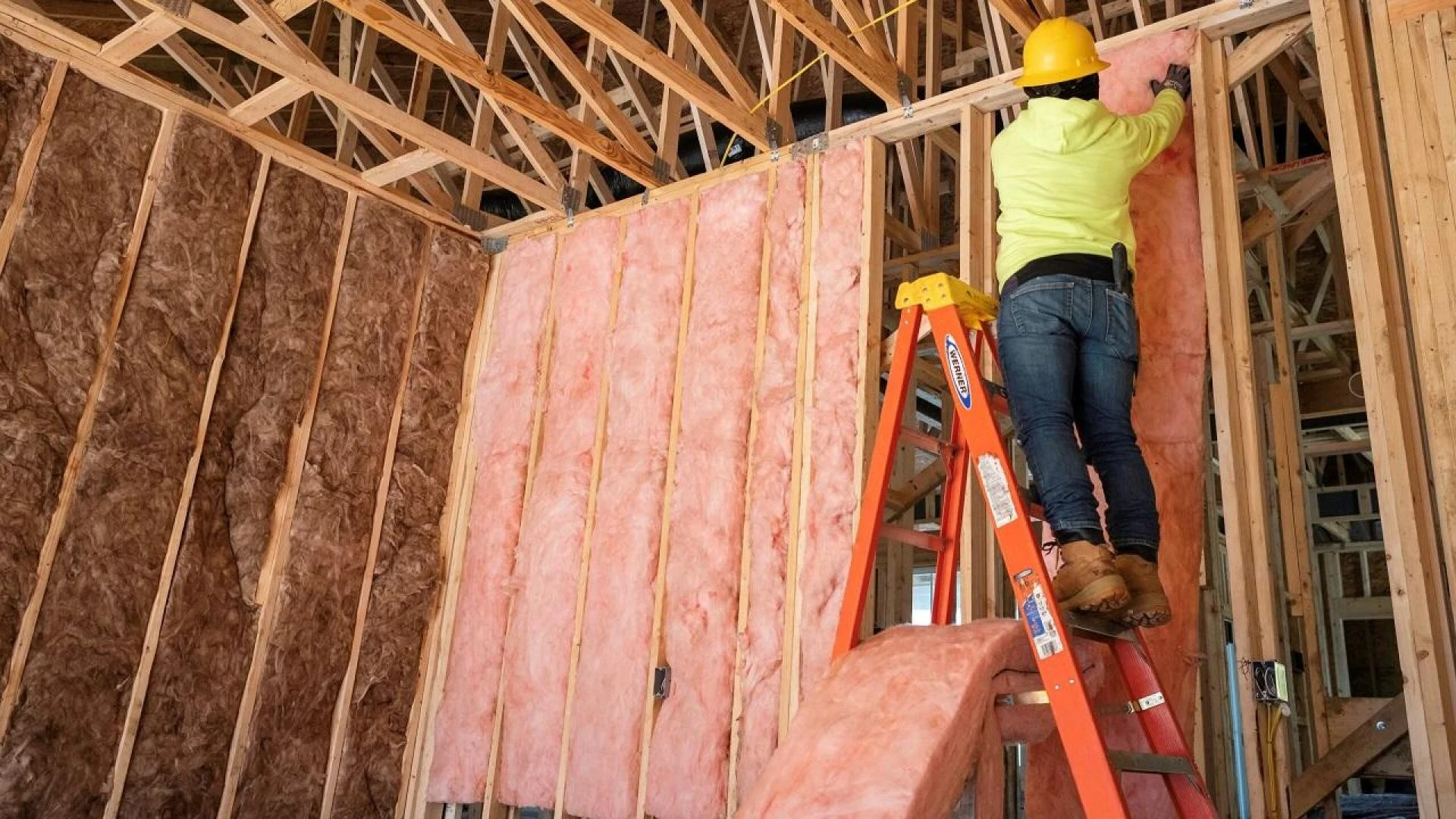
R-value measures an insulation's ability to resist heat flow. With an R-value of R-6.0 to R-7.0 per inch, closed-cell foam offers more insulating power in less space than any other common insulation material. In a standard 2x4 wall, for instance, you can achieve over R-20, whereas with fiberglass batts, you'd be limited to around R-13. This superior thermal performance means your heating and cooling systems don't have to work as hard or run as long to maintain a comfortable indoor temperature. Homes insulated with high-performance systems like closed-cell foam often report energy savings of 20% or more.
Complete Air Sealing
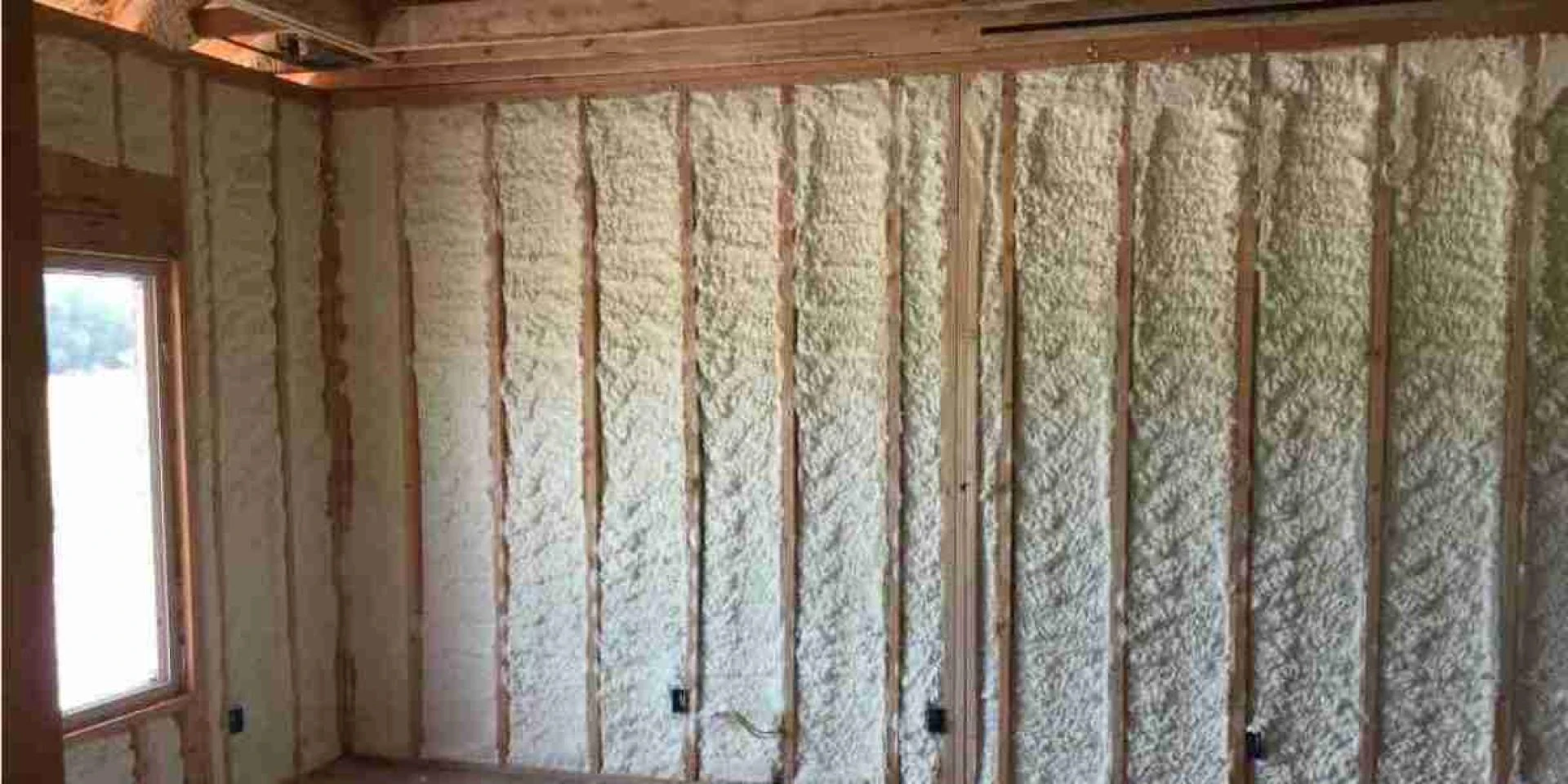
Industry data shows that air leakage can account for a significant portion of a home's energy loss. Closed-cell foam, when sprayed, expands to fill every crack, crevice, and gap, creating a continuous air barrier. This eliminates drafts and stops the "chimney effect," where warm air escapes through the top of the house and cold air is pulled in at the bottom. By stopping this uncontrolled air exchange, the foam ensures that the energy you pay for stays inside your home.
Preventing Costly Structural Damage
Beyond energy savings, closed-cell foam protects the building itself, helping owners avoid expensive repairs down the road.
- Moisture and Vapor Barrier: The closed-cell structure makes the foam highly resistant to water and impermeable to water vapor. When applied at sufficient thickness (usually around 1.5-2 inches), it functions as a code-approved vapor barrier. This prevents moisture from the air from seeping into the wall cavity, where it could cause mold, mildew, and wood rot. This is especially valuable in basements, crawl spaces, and humid climates.
- Added Structural Rigidity: Once cured, closed-cell foam is incredibly dense and strong. It adheres tenaciously to the surfaces it's sprayed on, essentially gluing the framing members together. This can increase the racking strength of a wall assembly by as much as 300%. This added rigidity makes the building more resilient to high winds and other structural loads, potentially preventing damage during severe weather events.
Bonus Tip: This added resilience is a major selling point in coastal areas or regions prone to hurricanes and can sometimes lead to lower insurance premiums.
Comparing Insulation Lifecycles and Costs
While the upfront cost is a factor, looking at the long-term performance and replacement costs tells a different story.
Things to Consider Before Making a Decision
Choosing closed-cell foam is a significant investment, and there are several points to weigh before moving forward.
- The Initial Investment: Closed-cell foam is one of the more expensive insulation options on the market. The cost should be weighed against the expected long-term savings in energy bills and avoided repair costs.
- The Right Application: It excels in exterior walls, below-grade applications, and anywhere a high R-value is needed in a tight space. It may be overkill for interior walls where sound dampening (a strength of open-cell foam) is the primary goal.
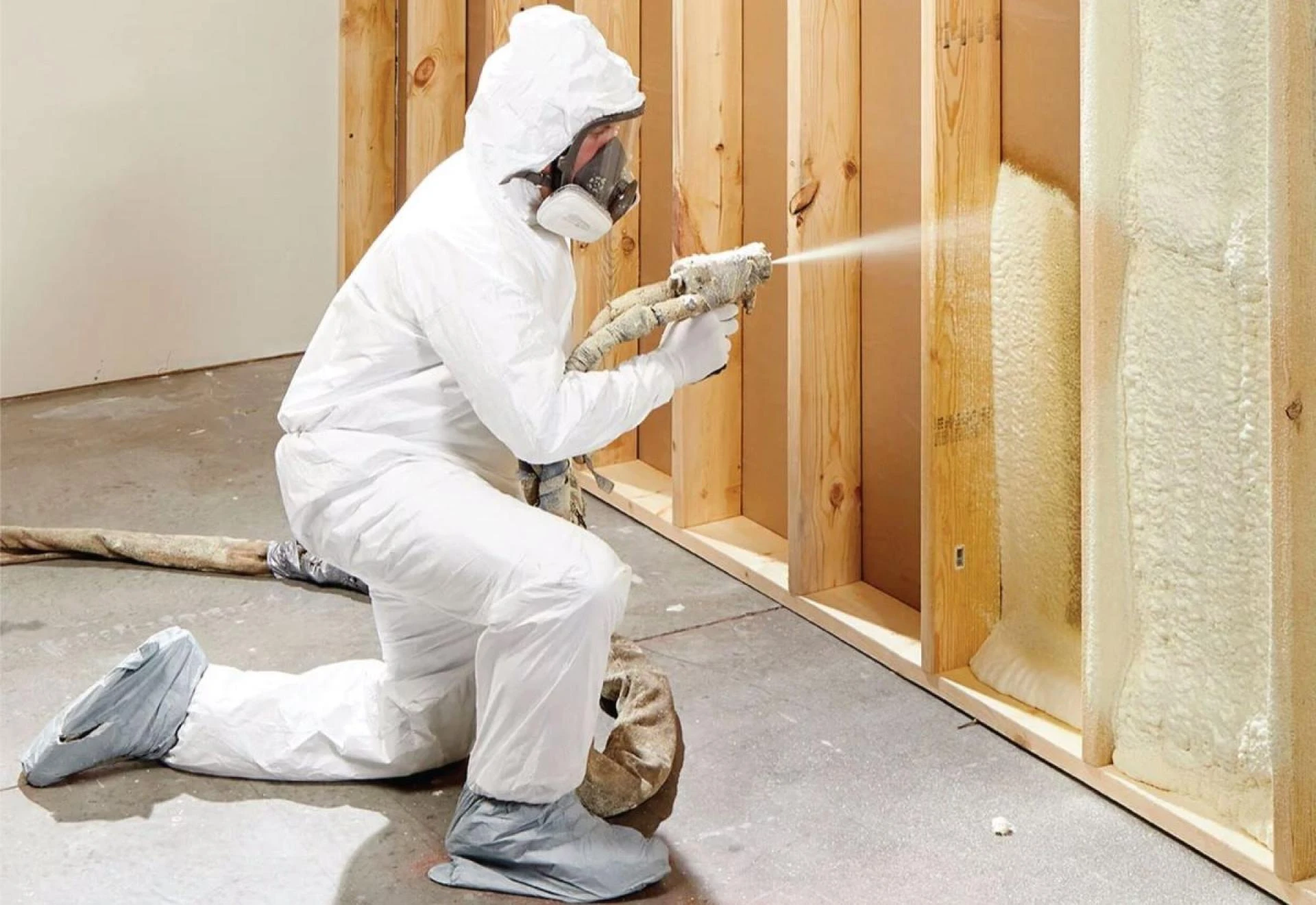
- The Need for Professional Installation: This is not a DIY product. The chemical reaction, equipment, and safety protocols require a trained and certified installer. Improper installation can lead to poor performance and even chemical odors.
- Building Ventilation: Because closed-cell foam creates such a tight building envelope, it's important to ensure the home has adequate mechanical ventilation (like an HRV or ERV) to maintain healthy indoor air quality.
Bonus Tip: Professional guidance is especially important when insulating a roof deck in a cold climate, as proper ventilation design is needed to prevent moisture issues within the roof assembly.
Frequently Asked Questions About Closed-Cell Foam
What is the payback period for closed-cell foam?
The payback period varies depending on climate, local energy costs, and the condition of the home before insulation. Through energy savings alone, it can range from 5 to 10 years. When factoring in the value of moisture protection and structural integrity, the return on investment becomes even more compelling.
Is closed-cell foam environmentally friendly?
The industry has made significant strides in this area. Many modern closed-cell foams now use HFO (hydrofluoroolefin) blowing agents, which have a very low Global Warming Potential (GWP) compared to the HFCs used in the past. The energy savings over the life of the foam also greatly reduce a building's carbon footprint.
Can closed-cell foam be removed?
Removing closed-cell foam is a difficult and labor-intensive process. Because it adheres so strongly to surfaces, it typically has to be cut or scraped away. This is why proper installation and choosing the right application from the start is so important.
Does it lose R-value over time?
There can be a slight drop in R-value in the first year or two as some of the blowing agent slowly diffuses out and is replaced by air. However, the foam is designed to retain the vast majority of its insulating gas, and its long-term thermal resistance (LTTR) remains very high and stable for decades.
Is it safe after it cures?
Yes. Once fully cured (typically within 24 hours), closed-cell spray foam is inert and stable. It does not release harmful gases. During installation, the area must be well-ventilated and unoccupied, but it is completely safe for residents once the curing process is complete.
A Long-Term Investment in Your Property
Professional spray foam insulation is more than just insulation; it's an upgrade to the entire building envelope. Its ability to control heat, air, and moisture in a single application leads to direct and indirect savings that compound over time. By reducing monthly energy bills, protecting the structure from water damage, and increasing overall durability, it provides a return on investment that few other building materials can match.
Find a Qualified Insulation Professional
To fully realize the benefits of closed-cell foam, the installation must be done correctly. It's best to work with an experienced contractor who can assess the property, recommend the right thickness and application, and ensure the job is done safely and to a high standard. For those in and around Las Vegas looking for a professional consultation, the team at Supreme Spray Foam LV offers detailed evaluations. They can be contacted by phone at (702) 904-9895 or by email at [email protected] for more information.


























Sign in to leave a comment.