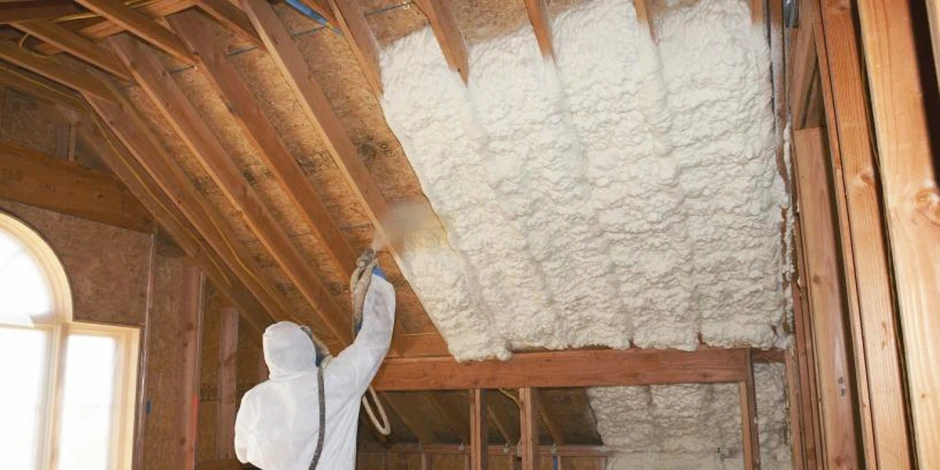

When people think about home insulation, their minds usually go straight to temperature control. But true home comfort is about more than just staying warm or cool; it's also about creating a peaceful, quiet environment. This is where making a smart choice like an open-cell spray foam contractor comes in. While all insulation helps with temperature, open-cell foam excels at delivering a level of acoustic comfort that other materials can't match. It's an upgrade that focuses on improving the overall quality of life inside a home by providing an excellent air seal and superior sound dampening.
Choosing open-cell spray foam is a deliberate decision to prioritize a quieter, more serene living space. Its unique, flexible structure is the key to its performance, turning a standard house into a comfortable refuge from the noise of the outside world and from within. This article draws on the practical experience of professional installers to explain what makes open-cell foam different and how to use it smartly to get the most comfort out of your home.
The Science of Soft Foam: How it Works
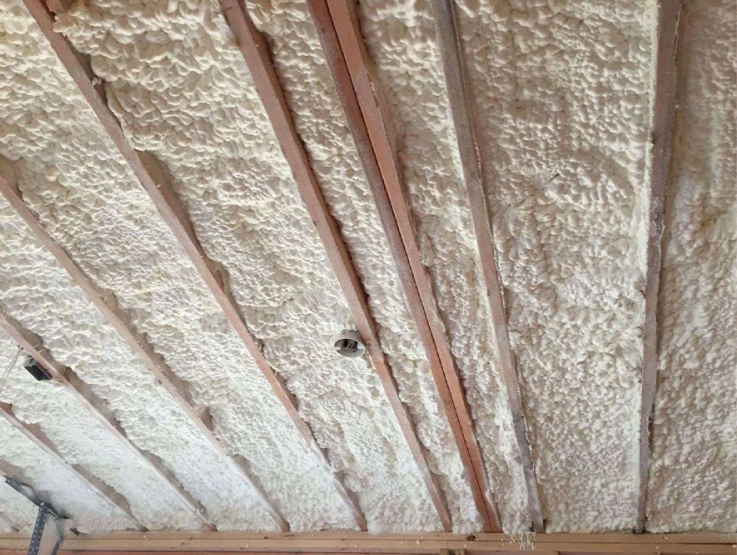
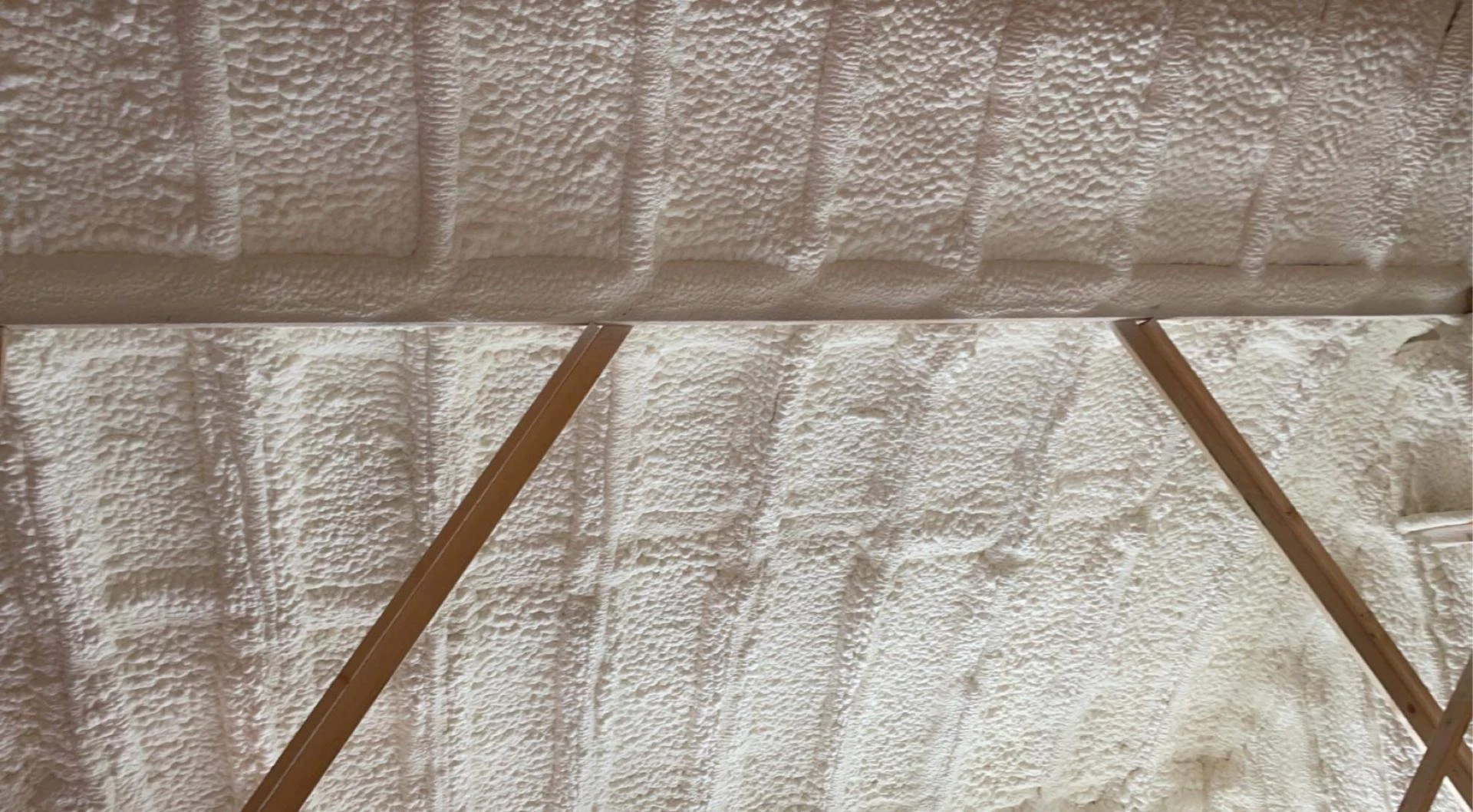
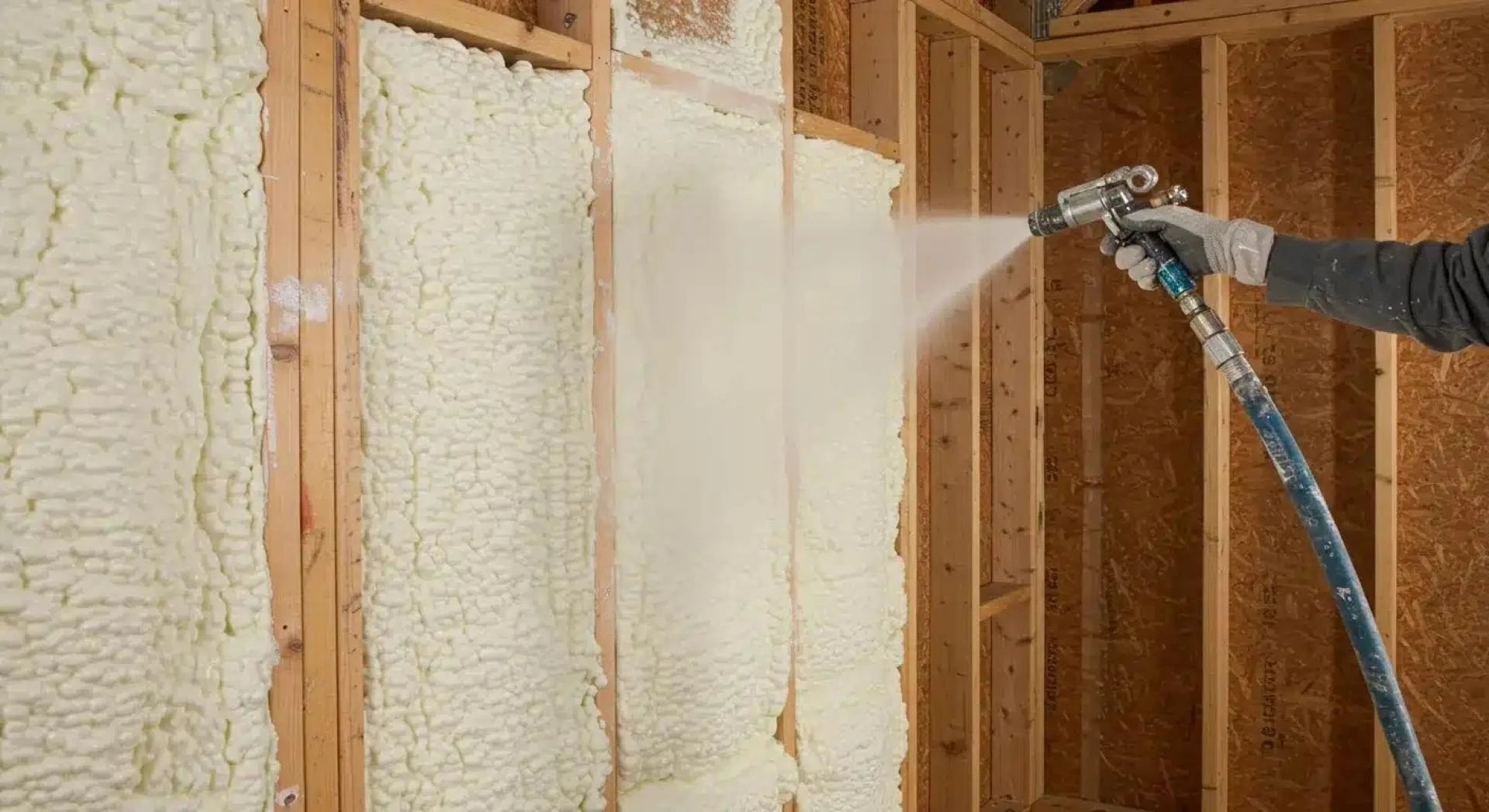
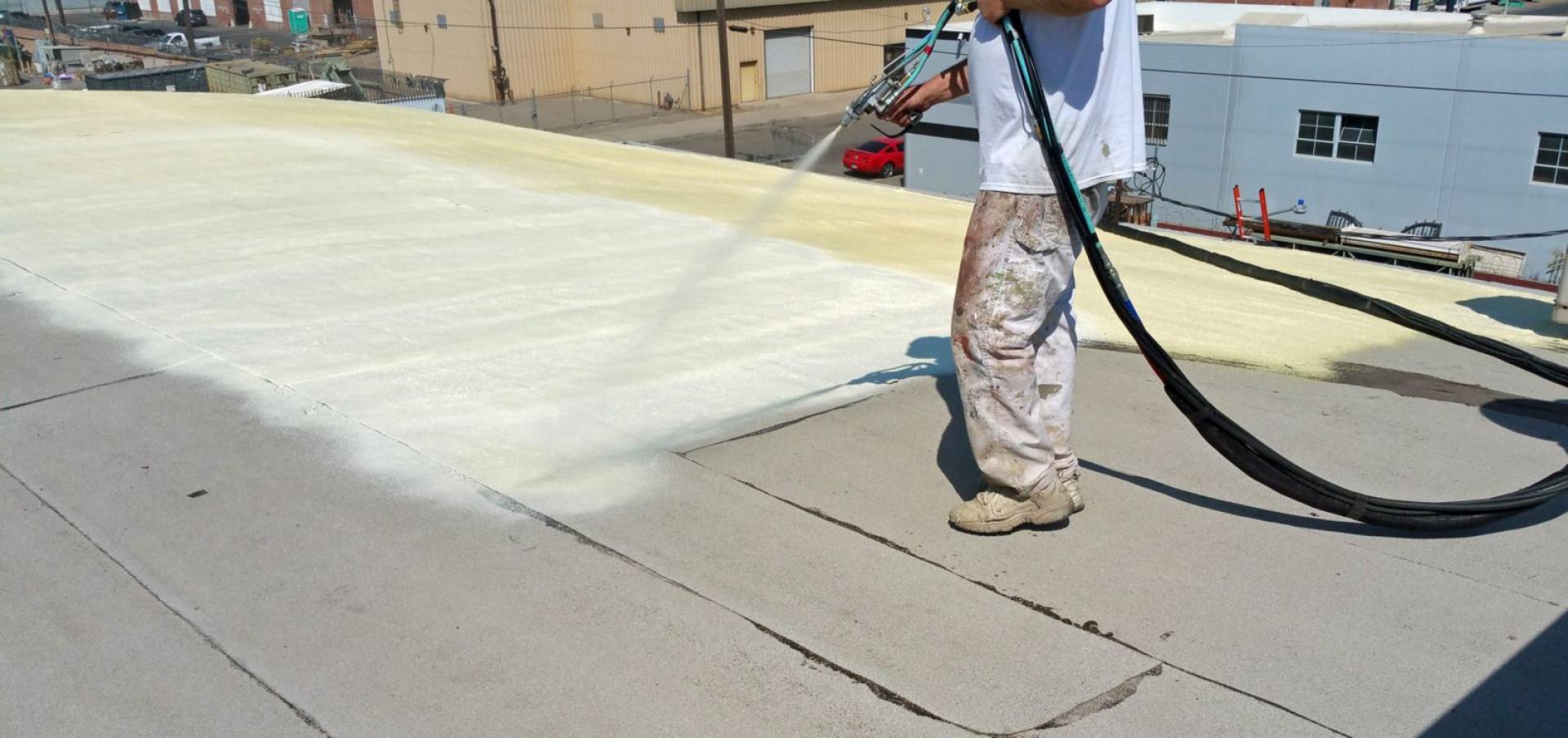
Open-cell spray foam gets its name from its physical structure. As the foam expands and cures, it forms millions of tiny bubbles, but the walls of these bubbles are intentionally left open or broken. This creates a soft, flexible, and spongy material that is filled with air.
This structure does two very important things:
- It Creates an Air Seal: Just like its closed-cell cousin, open-cell foam expands to fill every crack and gap in a wall or ceiling cavity. This creates a continuous and highly effective air barrier, which is essential for energy efficiency. It stops drafts and keeps your conditioned air from leaking out.
- It Absorbs Sound Waves: The interconnected air pockets and the soft, irregular texture of the foam are incredibly effective at trapping and dissipating sound energy. When sound waves hit the foam, they get lost in this maze-like structure, which prevents them from passing through to the other side.
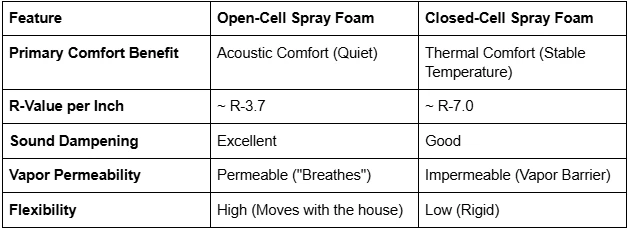
While its R-value is lower than closed-cell foam (typically around R-3.7 per inch), its performance as an air barrier and soundproofer makes it an outstanding choice for many residential applications.
Strategic Applications for Maximum Comfort
Making a smart choice with open-cell foam means using it where its unique strengths will have the biggest impact on your daily life. It's not always about insulating the entire house; it's about targeting the areas that will benefit most from sound control.
Creating a Peaceful Interior
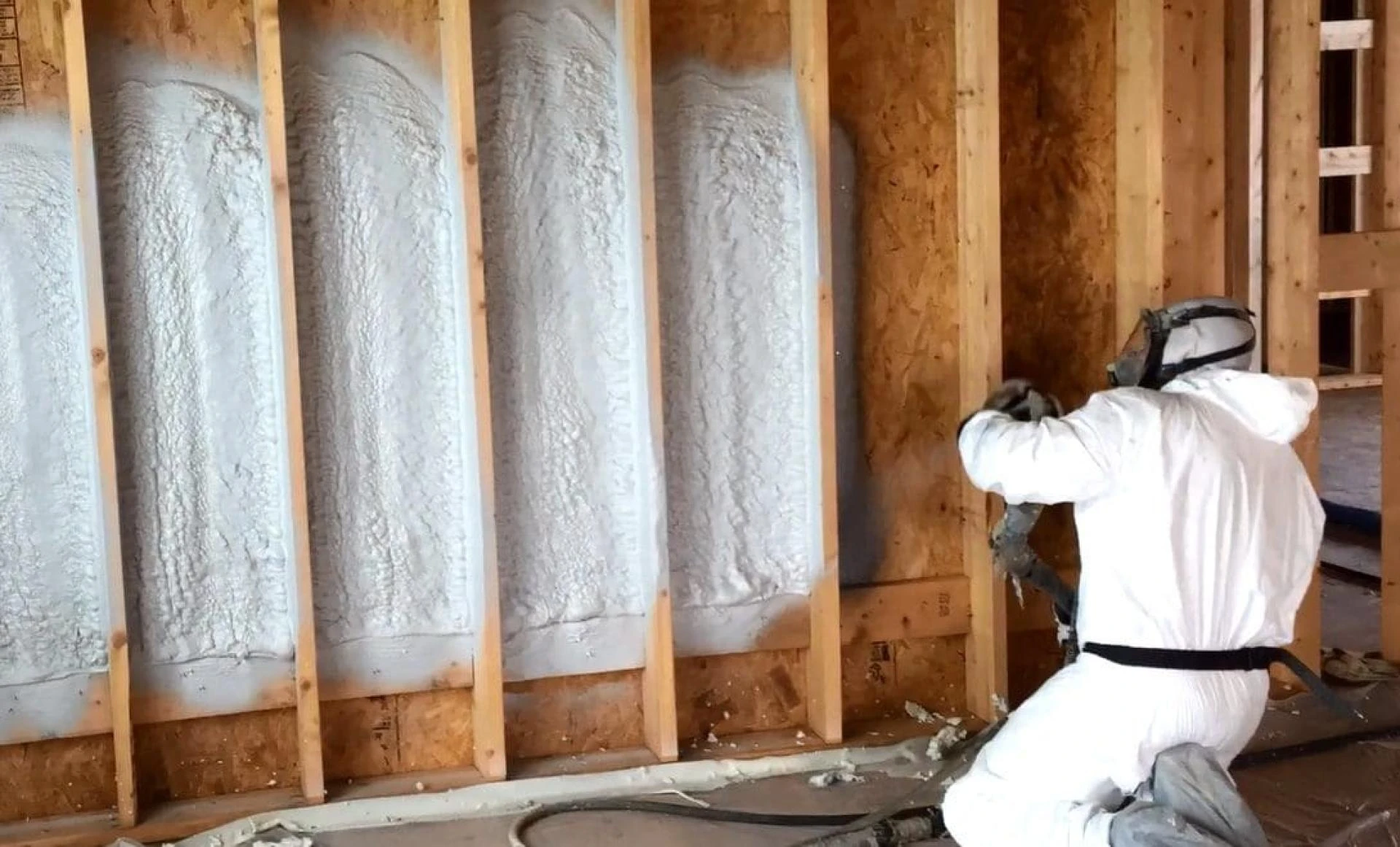
This is the primary and most popular use for open-cell foam. By installing it in the interior walls, you can create zones of quiet within your home. Think about the places where noise is most disruptive:
- Home Offices: A quiet workspace is essential for concentration and productivity.
- Bedrooms and Nurseries: Reducing noise from the rest of the house can dramatically improve sleep quality for both adults and children.
- Bathrooms and Laundry Rooms: The sound of running water, pipes, and appliances can be effectively muffled.
- Home Theaters: Insulating the walls of a media room contains the sound, allowing for an immersive experience without disturbing the rest of the household.
- Bonus Tip: Installers often suggest not to forget the floors. Installing open-cell foam in the space between the first and second stories is a great way to reduce the sound of footfalls and other impact noises from above.
Insulating Attics for Efficiency
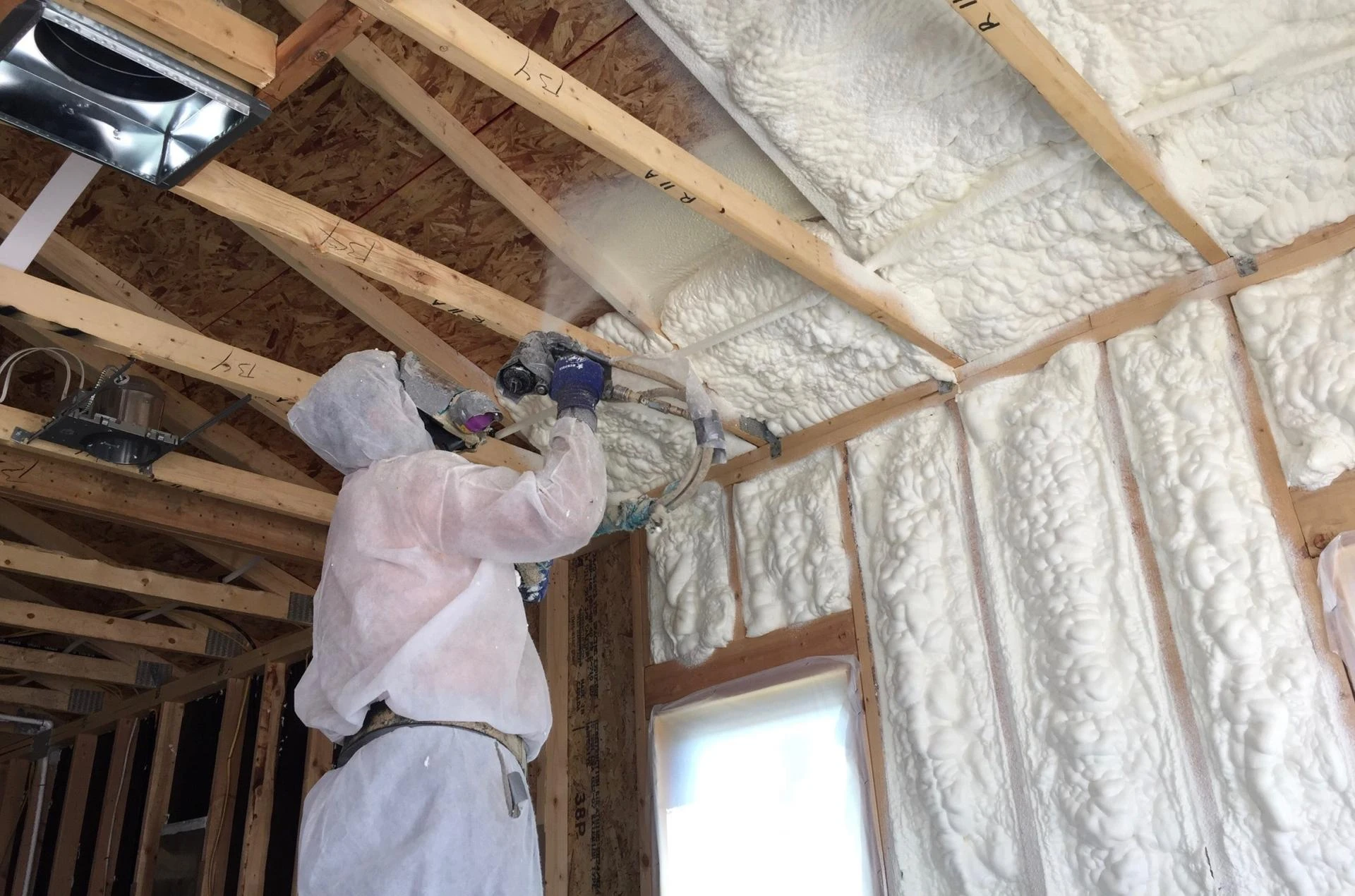
In many climates, open-cell foam is a very effective and cost-efficient choice for creating an unvented or "conditioned" attic. It is sprayed on the underside of the roof deck, which seals the attic and brings it into the home's thermal envelope. This protects any HVAC ductwork in the attic from extreme temperatures, greatly improving the efficiency of the heating and cooling system.
The Advantages of a Flexible, Breathable Material
Beyond where you choose to install it, the physical nature of open-cell foam itself offers other smart benefits.
It Accommodates Building Movement
A house is not a static object; it expands, contracts, and settles over time. The soft, flexible nature of open-cell foam allows it to move with the building's structure without cracking or pulling away from the studs. This means the all-important air seal remains intact for the life of the home.
It Can Help Detect Leaks
Open-cell foam is vapor-permeable, which means water vapor can pass through it. While this means it's not suitable for use where it might come into direct contact with water (like a basement wall), it has an advantage in other areas. If a small roof leak were to develop, the water would pass through the foam and show up as a stain on the ceiling below, alerting the homeowner to the problem quickly before it can cause hidden rot.
Cost-Effective Performance
Generally, open-cell foam is less expensive to install than closed-cell foam. This makes it a very smart financial choice for projects where its unique benefits align with the homeowner's goals. You can get the superior air-sealing performance of spray foam and the added benefit of soundproofing at a more accessible price point.
Comparing Foam Types for Comfort and Performance
Things to Consider Before Making Your Choice
To make the smartest choice for your home, consider these important factors.
- Your Main Goal: Be clear about what you want to achieve. If your number one priority is a quieter home, open-cell is the obvious choice. If you need the highest possible R-value in a thin wall, closed-cell might be necessary.
- Your Climate: Open-cell foam is suitable for most climate zones. However, in very cold climates, building codes might require an additional vapor barrier to be installed on the interior side of the wall.
- The Location in Your Home: Remember, open-cell foam should not be used below grade or anywhere it could be exposed to liquid water.
- The Installer's Expertise: The performance of any spray foam is entirely dependent on a high-quality installation. Choose a reputable, experienced contractor who understands the differences between the products and can help you make the right choices for your home.
Questions from Homeowners
Is open-cell foam still a good insulator?
Yes. While its R-value per inch is lower than closed-cell, its ability to create a superior air seal means it is a very effective insulator. In many homes, stopping air leakage is more important for energy savings than having a slightly higher R-value.
Can it be used in exterior walls?
Absolutely. It is a very common and effective choice for insulating the exterior walls of a home in most climates.
Is it environmentally friendly?
Yes. Open-cell foam uses water as its blowing agent, which has a very low impact on the environment. It also contributes significantly to a home's energy efficiency over its lifetime, reducing its overall carbon footprint.
Will it make my home feel stuffy?
No, the foam itself doesn't create a stuffy feeling. An airtight home simply needs a plan for managing fresh air, which is typically handled by a mechanical ventilation system. This is a positive, as it means you control your home's air quality by bringing in filtered air, rather than breathing whatever leaks through random gaps.
How does the cost compare to fiberglass?
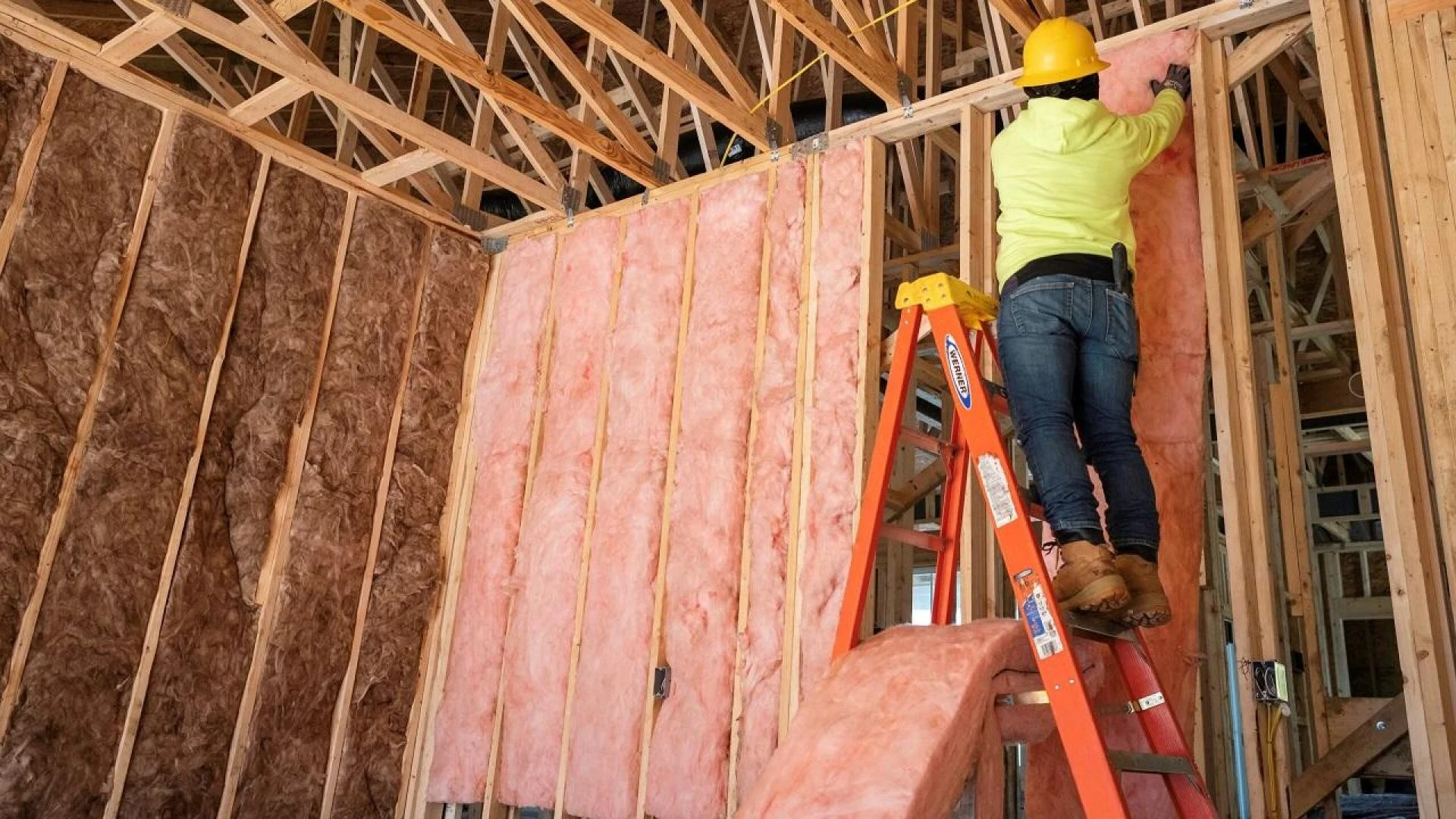
The upfront cost of open-cell spray foam is higher than fiberglass. However, the investment provides a superior air seal and soundproofing that fiberglass can't offer, along with long-term energy savings.
A Lasting Improvement to Your Home Life
Making the smart choice to use open-cell spray foam insulation services is an investment in your family's daily comfort. The peace and quiet it creates is a luxury you'll enjoy for as long as you live in the home. When combined with the very real energy savings from its excellent air-sealing capabilities, it becomes a home improvement project that delivers value on multiple levels, year after year.
Get Expert Advice on Your Comfort Goals
The best way to translate these benefits into a plan for your own home is to talk with a professional. An experienced insulation contractor can listen to your goals for comfort and efficiency and design a smart solution that fits your home and budget. For homeowners in the Las Vegas area, the team at Supreme Spray Foam LV offers expert consultations to help you make the most informed choices. You can reach them at (702) 904-9895 or via email at [email protected].
Reviewer: Michael Carter reviewed this article using insight gained over 12 years in the spray foam business. His feedback focused on helping contractors reach new customers without overcomplicating their message.






















Sign in to leave a comment.