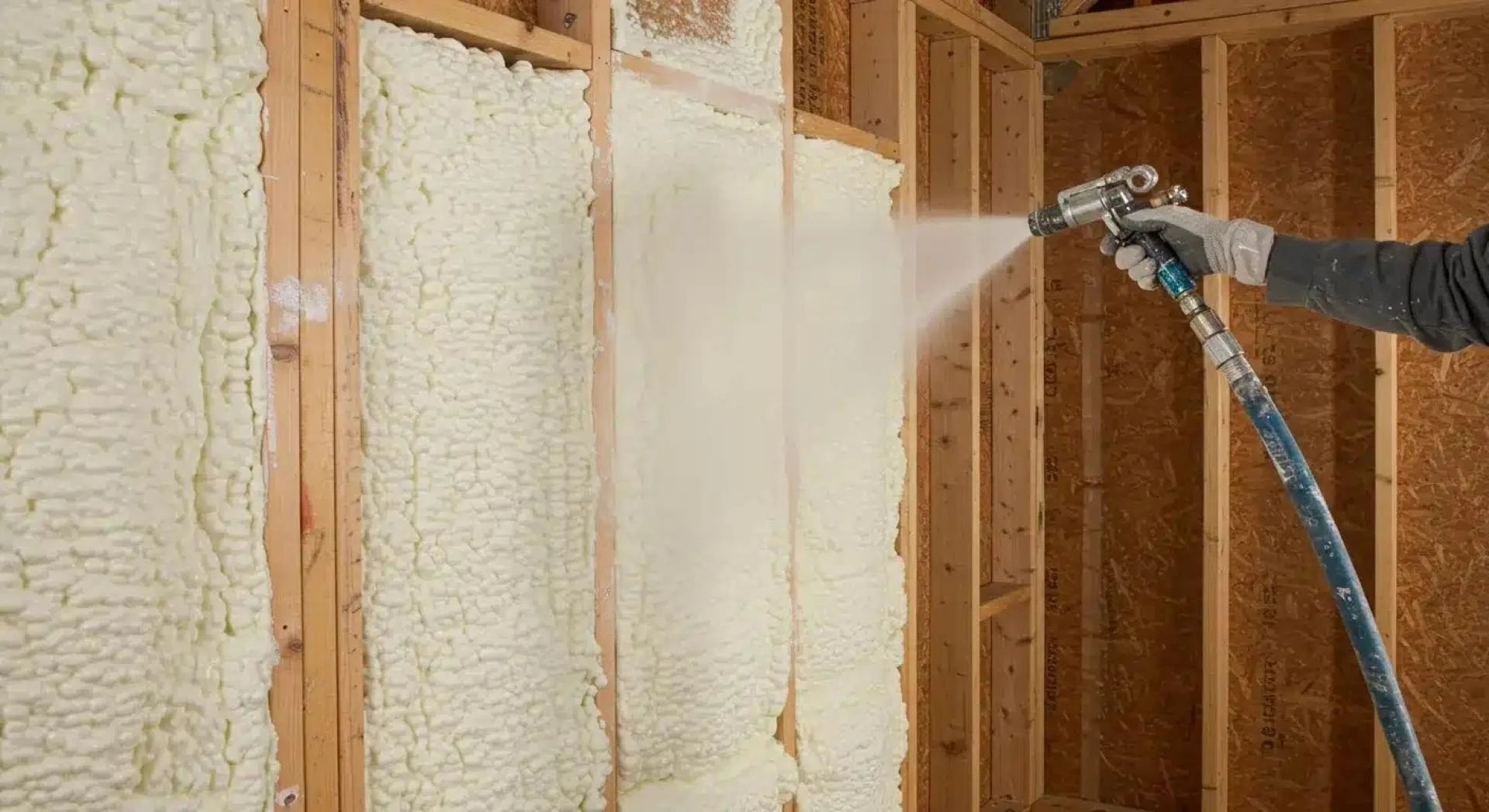

When homeowners consider upgrading their insulation, the conversation often turns to cost. Spray foam insulation consistently comes with a higher price tag than traditional materials like fiberglass or cellulose, leading many to ask if it's truly worth the investment. The answer isn't a simple yes or no; it depends on long-term goals. If the goal is just to meet minimum building code requirements cheaply, traditional options suffice. But if the goal is to create a highly energy-efficient, comfortable, and durable home, spray foam presents a compelling financial case that pays back over time.
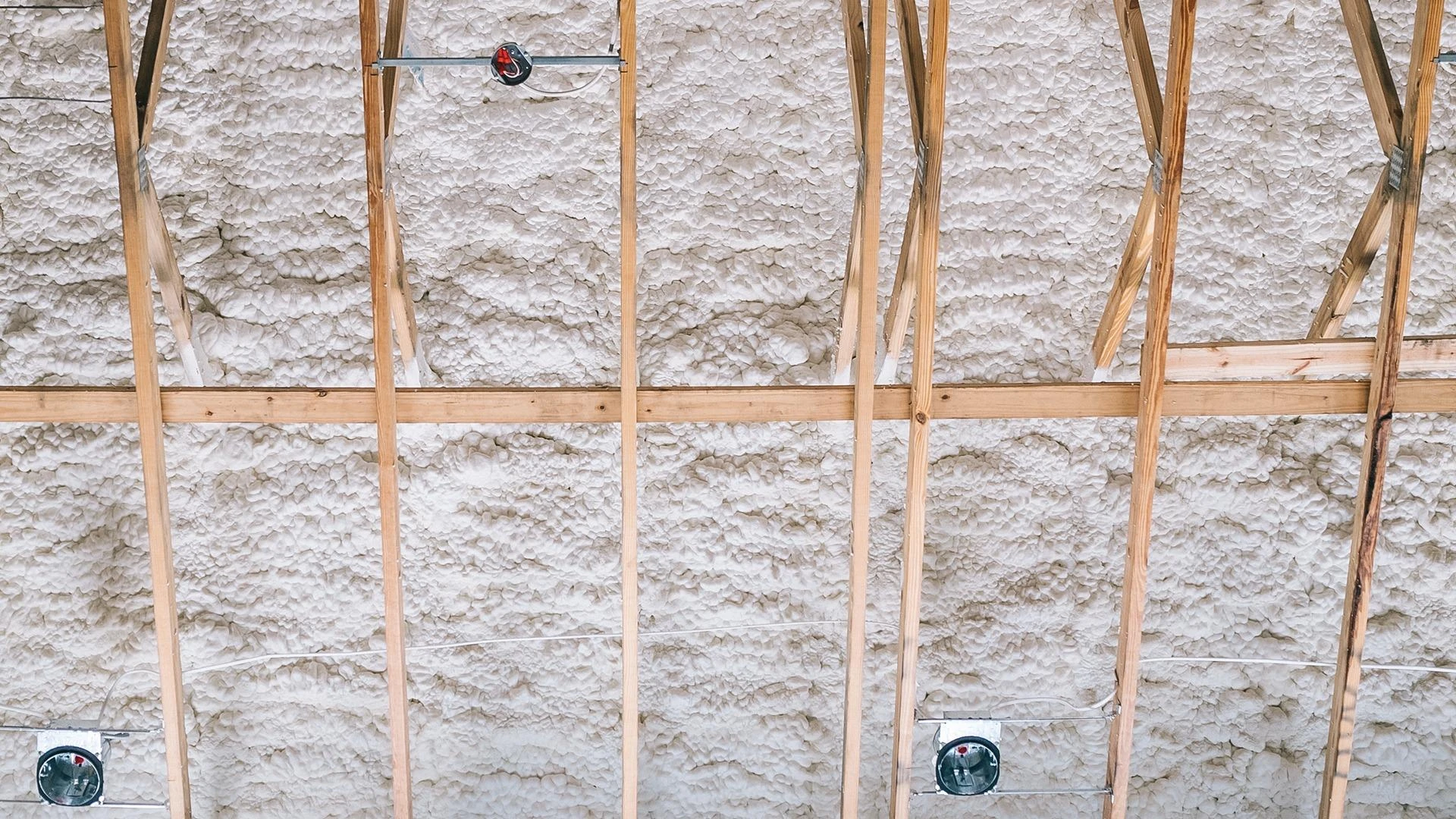
The value of spray foam isn't just in its R-value. Its primary advantage is its ability to create a near-perfect air seal. This air barrier stops drafts and air leakage, which can account for a large portion of a home's energy loss. By combining high thermal resistance with an effective air seal, a residential spray foam contractor addresses the root causes of energy waste in a way other insulation types cannot. A detailed breakdown of the costs and benefits is needed to help homeowners make a calculated decision.
Analyzing the Upfront Cost
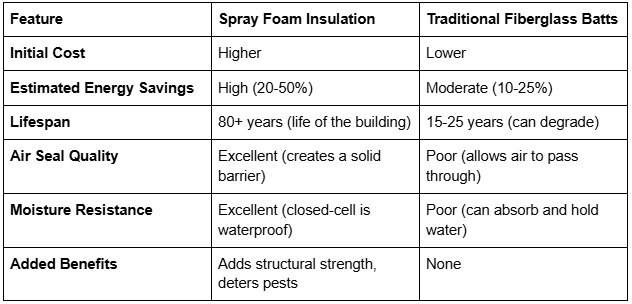
There's no getting around it: the initial cost of spray foam insulation is higher than its competitors. The price is typically calculated by the "board foot," a measurement of volume (one square foot at one-inch thickness). This cost can be two to three times that of fiberglass batts for the same coverage area.
Several factors contribute to this higher price:
- The Material Itself: Spray foam is a two-component chemical product that is manufactured on-site. The raw materials are more expensive than spun glass fibers or recycled paper.
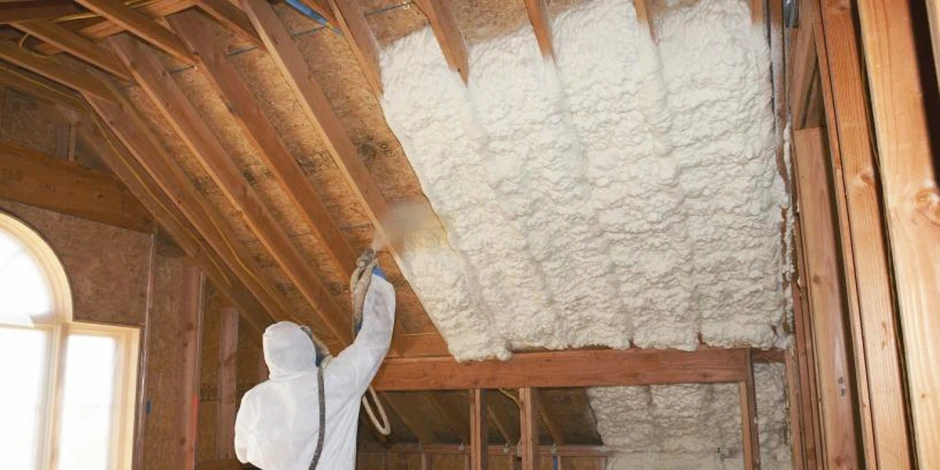
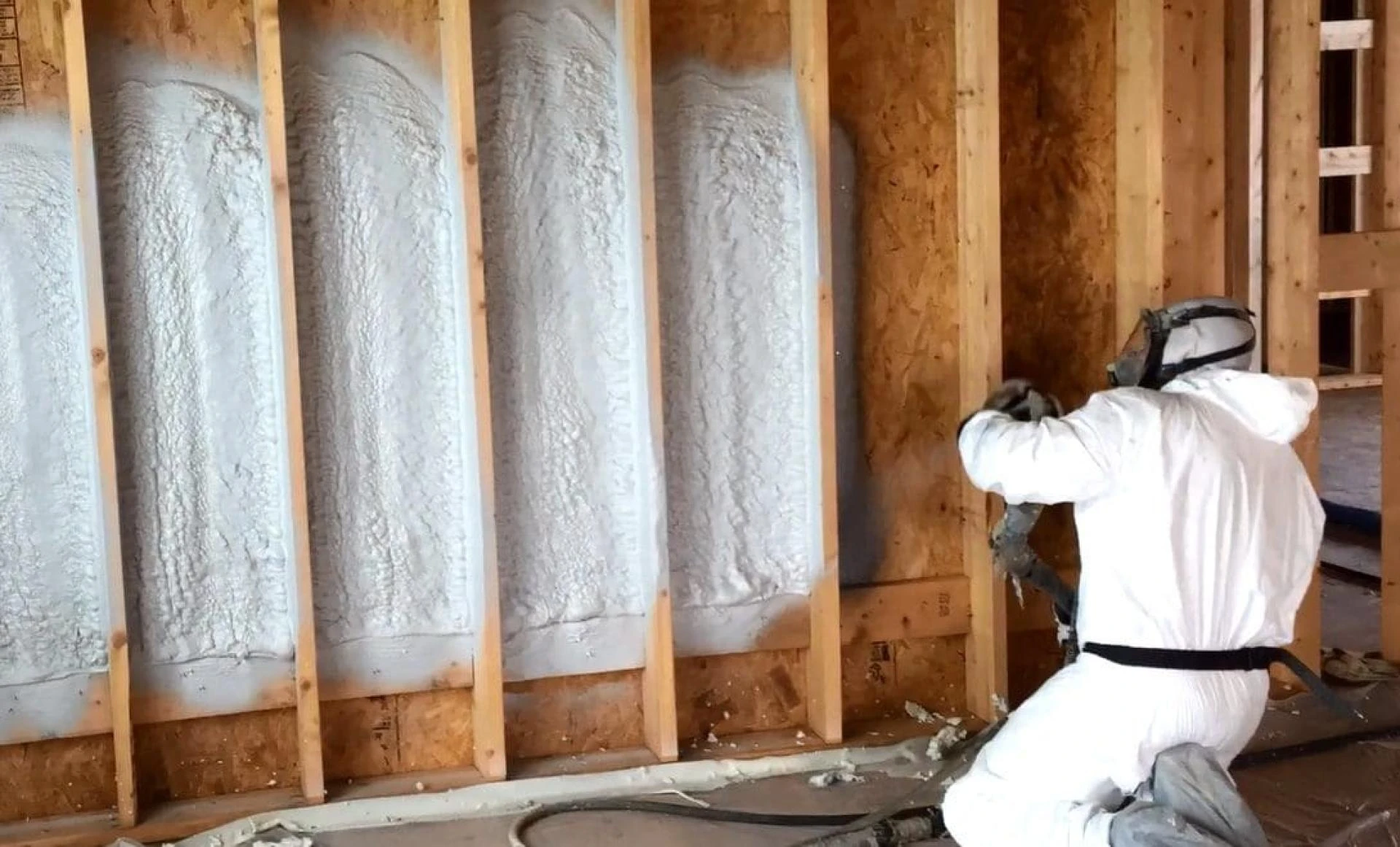
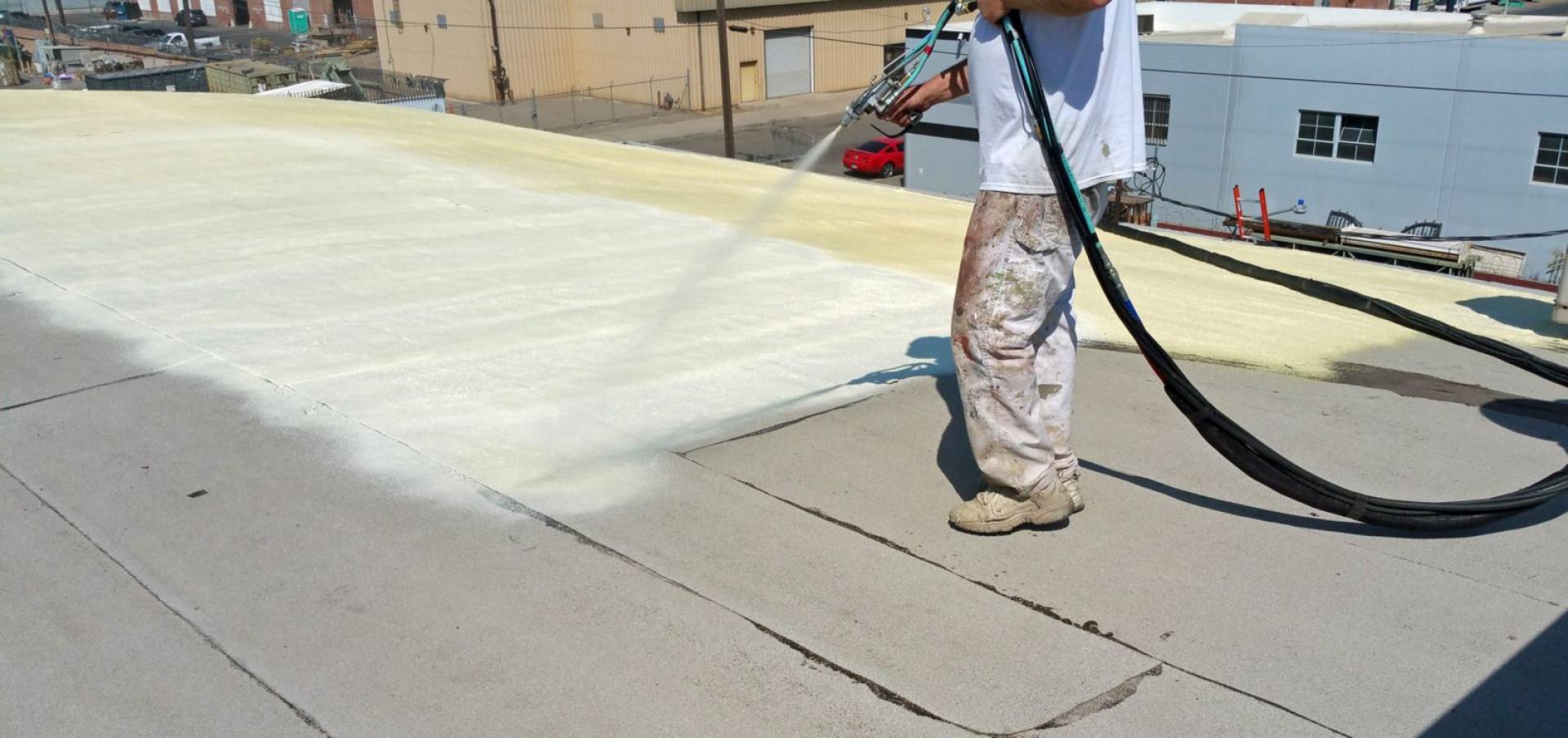
- Specialized Equipment: Applying spray foam requires a dedicated truck or trailer outfitted with high-pressure pumps, heaters, and hoses. This equipment represents a significant investment for contractors.
- Professional Installation: This is not a DIY product. Certified installers are needed to manage the chemical reaction, ensure the correct thickness is applied, and work safely. Labor costs for this skilled work are higher.
While the initial check you write will be larger, it's important to view it as the starting point of the investment, not the final word on its value.
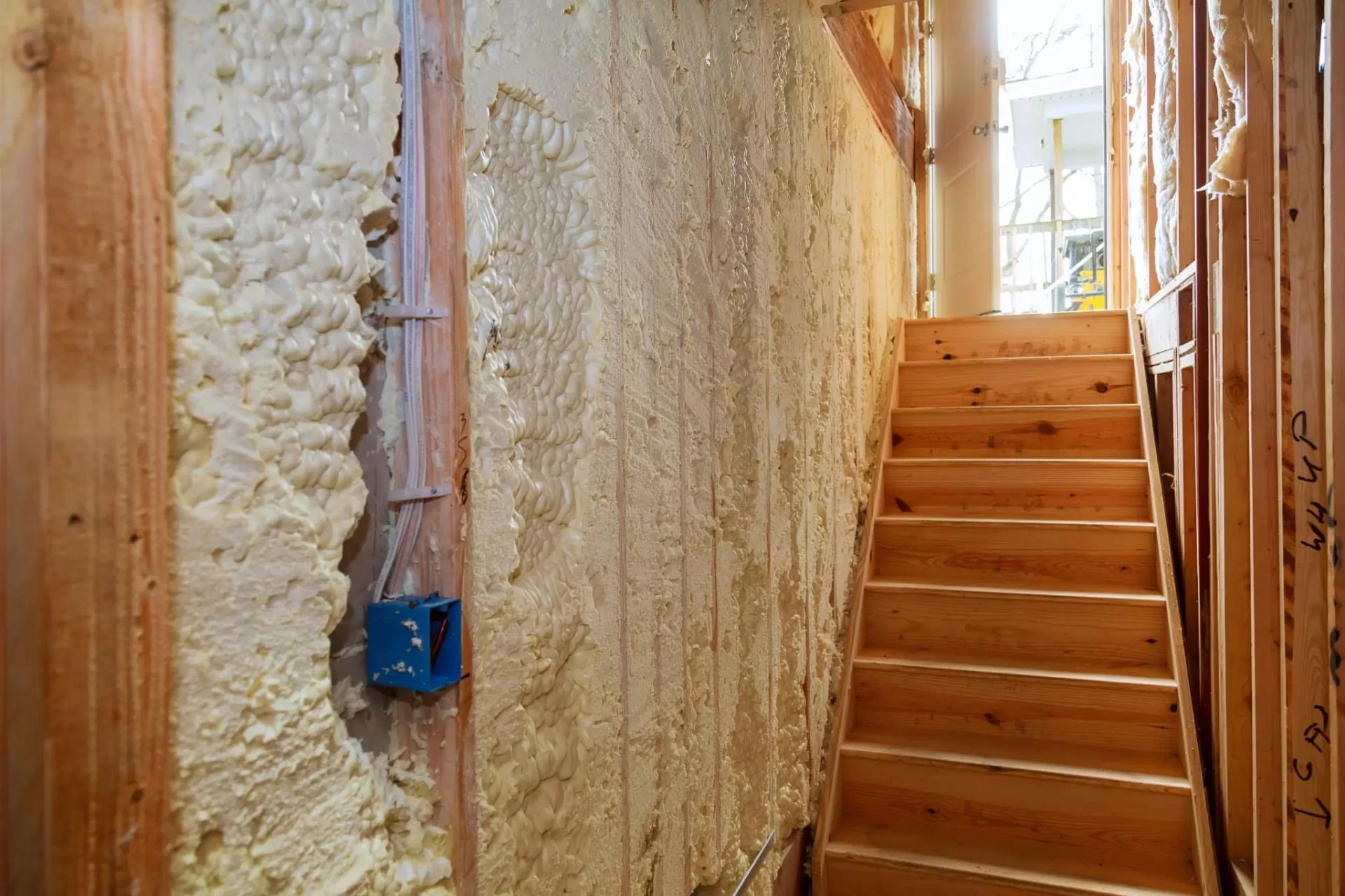
Calculating the Long-Term Savings
The true financial picture of spray foam emerges over years of homeownership. The return on investment comes from several key areas.
Significant Energy Bill Reduction
The U.S. Department of Energy states that air leakage can be responsible for 25% to 40% of the energy used for heating and cooling in a typical home. Since spray foam expands to fill every crack and gap, it dramatically reduces this leakage. The result is a home that requires significantly less energy to keep comfortable. Homeowners often report savings of 20% to 50% on their monthly utility bills after a proper spray foam installation. Over a decade or two, these savings can easily exceed the initial cost difference.
Regional Guidance: In climates with extreme temperatures, like the intense summer heat of Las Vegas, the savings are even more pronounced. An airtight, well-insulated attic can prevent a home's air conditioning system from running nonstop, leading to immediate and substantial cost reductions.
Reduced HVAC System Strain
When a home is leaky, the HVAC system has to work much harder to maintain the set temperature. This constant cycling leads to more wear and tear on expensive equipment like furnaces and air conditioners. By creating an airtight building envelope, spray foam reduces the system's workload. This not only lowers energy consumption but can also extend the lifespan of the HVAC unit and reduce the frequency of costly repairs.
Bonus Tip: To see the direct impact on your HVAC system's workload, consider a professional energy audit before upgrading. An audit using a blower door test can measure your home's air leakage. Repeating the test after installation provides concrete data on the reduction in air infiltration, which directly correlates to a lower workload for your system.
Durability and Longevity
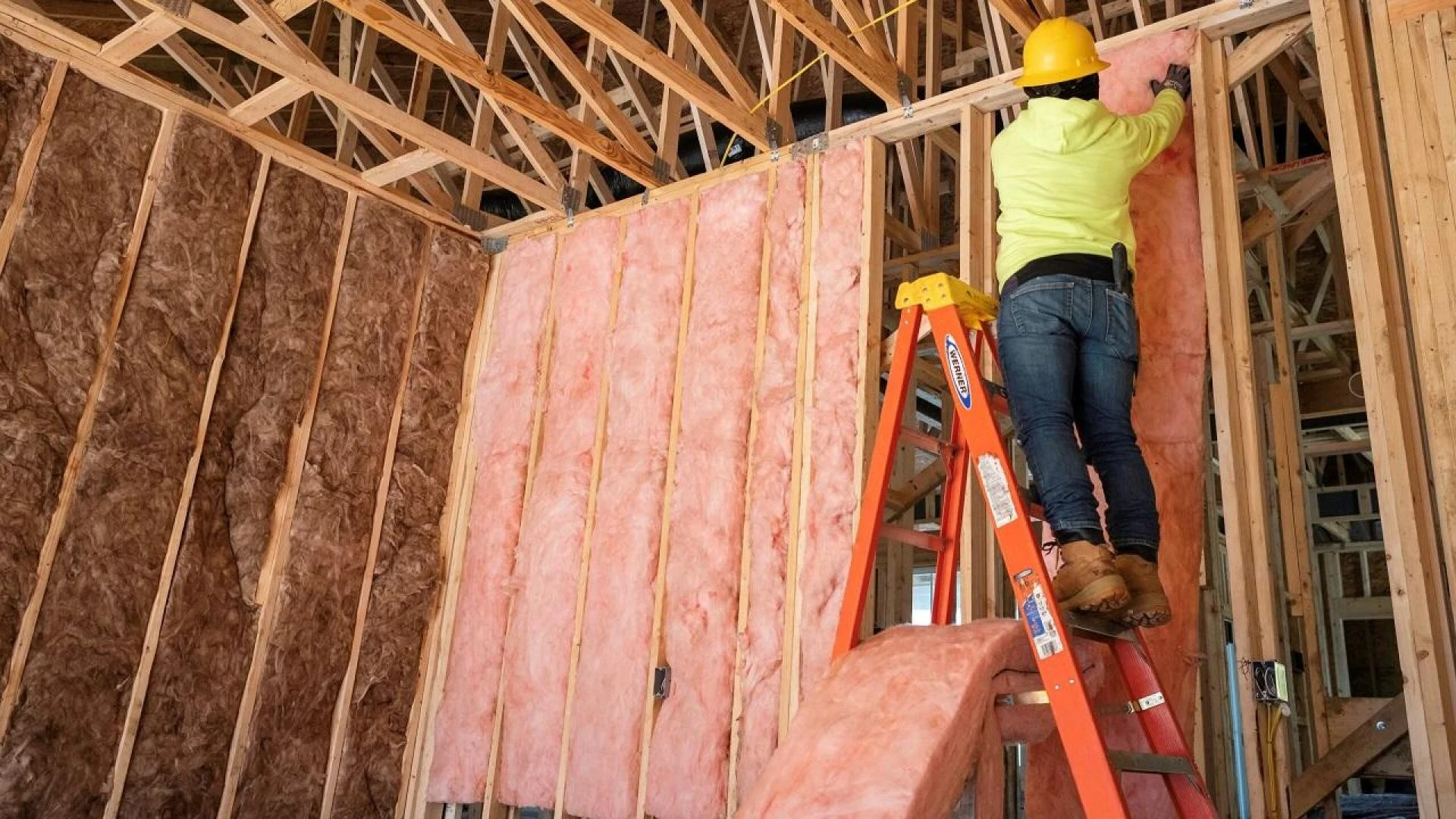
Fiberglass batts can sag over time, and blown-in cellulose can settle, creating gaps that compromise their performance. Both are also susceptible to moisture damage. Spray foam, once cured, is an inert, rigid plastic. It doesn't degrade, shrink, or settle. It will perform just as well in year 20 as it did in year one, meaning you won't have to pay to "top up" or replace your insulation down the road.
Investment Value Comparison
Benefits Beyond the Bottom Line
Not all returns are measured in dollars. Spray foam insulation solution provides several quality-of-life improvements that homeowners value.
- Improved Home Comfort: By eliminating drafts and creating a tight thermal envelope, spray foam helps maintain a consistent temperature throughout the home. This gets rid of the hot and cold spots that are common in houses with older insulation.
- Enhanced Indoor Air Quality: The air seal created by spray foam also prevents dust, pollen, and other outdoor pollutants from entering the home through small cracks in the building envelope. Closed-cell foam also acts as a moisture barrier, which is key to preventing mold growth within walls and attics.
- Structural Integrity: This is a unique benefit of closed-cell spray foam. Its rigid structure and powerful adhesion can add significant racking strength to walls and roof assemblies, making the entire building stronger and more resilient to high winds.
- Noise Reduction: The foam's cellular structure is effective at absorbing sound waves. This is particularly true for open-cell foam, which can create a much quieter home by dampening noise from outside or between rooms.
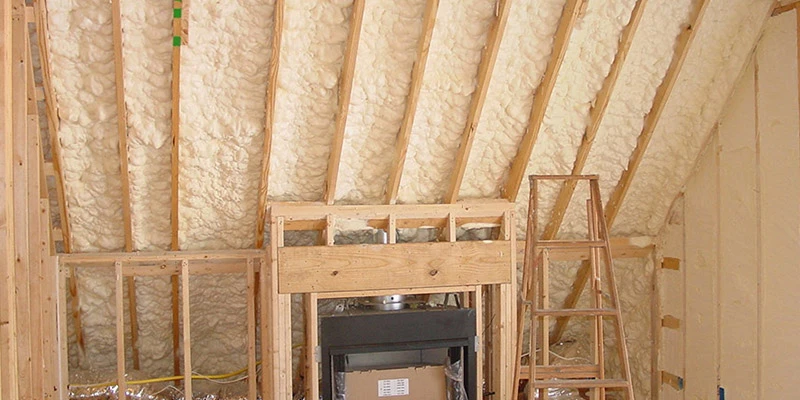
Things to Consider Before Making a Decision
To decide if spray foam is the right investment for you, consider these factors:
- How long you plan to stay in the home: The financial payback period for spray foam is often estimated at five to seven years. If you plan to live in your home for the long term, you will have more time to recoup the initial cost through energy savings.
- Your specific property: Older, drafty homes tend to see the biggest improvement and a faster return on investment. For new construction, it's much easier and more cost-effective to install spray foam from the start.
- Your budget: Homeowners must be prepared for the higher upfront expense. However, many insulation contractors offer financing options that can make it more manageable.
- Hiring the right professional: The performance of spray foam is entirely dependent on the quality of the installation. It's vital to hire a certified, insured, and experienced contractor who understands building science and can recommend the right type of foam for your project.
Questions People Ask About Spray Foam Costs
How is spray foam insulation priced?
It is typically priced by the board foot, which is a 12x12-inch square at 1-inch thick. The total price depends on the square footage of the area being insulated and the desired R-value, which determines the final thickness of the foam.
Are there any rebates or tax credits available?
Yes, often there are. Homeowners should research federal programs, such as those included in the Inflation Reduction Act, as well as state and local utility company rebates for energy-efficient upgrades. These can help offset the initial cost.
How long does it take for spray foam to pay for itself?
This varies widely based on climate, local energy costs, and the condition of the home before the upgrade. A common estimate is between 5 and 7 years, but in areas with very high energy bills, it can be even sooner.
Does spray foam increase a home's resale value?
Energy efficiency is a major selling point in the modern real estate market. A home insulated with spray foam can be marketed as a high-performance, low-utility-cost property, which is very attractive to potential buyers and can increase its value.
Can I finance the cost of a spray foam installation?
Many contractors partner with financing companies to offer loans for home improvement projects. It's also possible to use a home equity line of credit or other types of home improvement loans to cover the cost.
The Final Verdict
For homeowners focused on long-term performance, spray foam insulation is almost always a worthwhile investment. The upfront cost is significant, but it buys a superior product that delivers decades of energy savings, comfort, and durability. The decision comes down to weighing that initial expense against a lifetime of benefits that traditional insulation simply cannot provide.
Get a Professional Cost-Benefit Analysis
To truly understand the potential return on investment for your own home, the next step is getting a specific quote and savings estimate. A qualified insulation contractor can assess your property and provide a detailed breakdown. For homeowners in the Las Vegas region, the team at Supreme Spray Foam LV can offer a professional evaluation. They can explain the costs and potential long-term benefits for your specific situation. You can reach them for a consultation at (702) 904-9895 or via email at [email protected].
Reviewer: Michael Carter reviewed this article using insight gained over 12 years in the spray foam business. His feedback focused on helping contractors reach new customers without overcomplicating their message.
























Sign in to leave a comment.