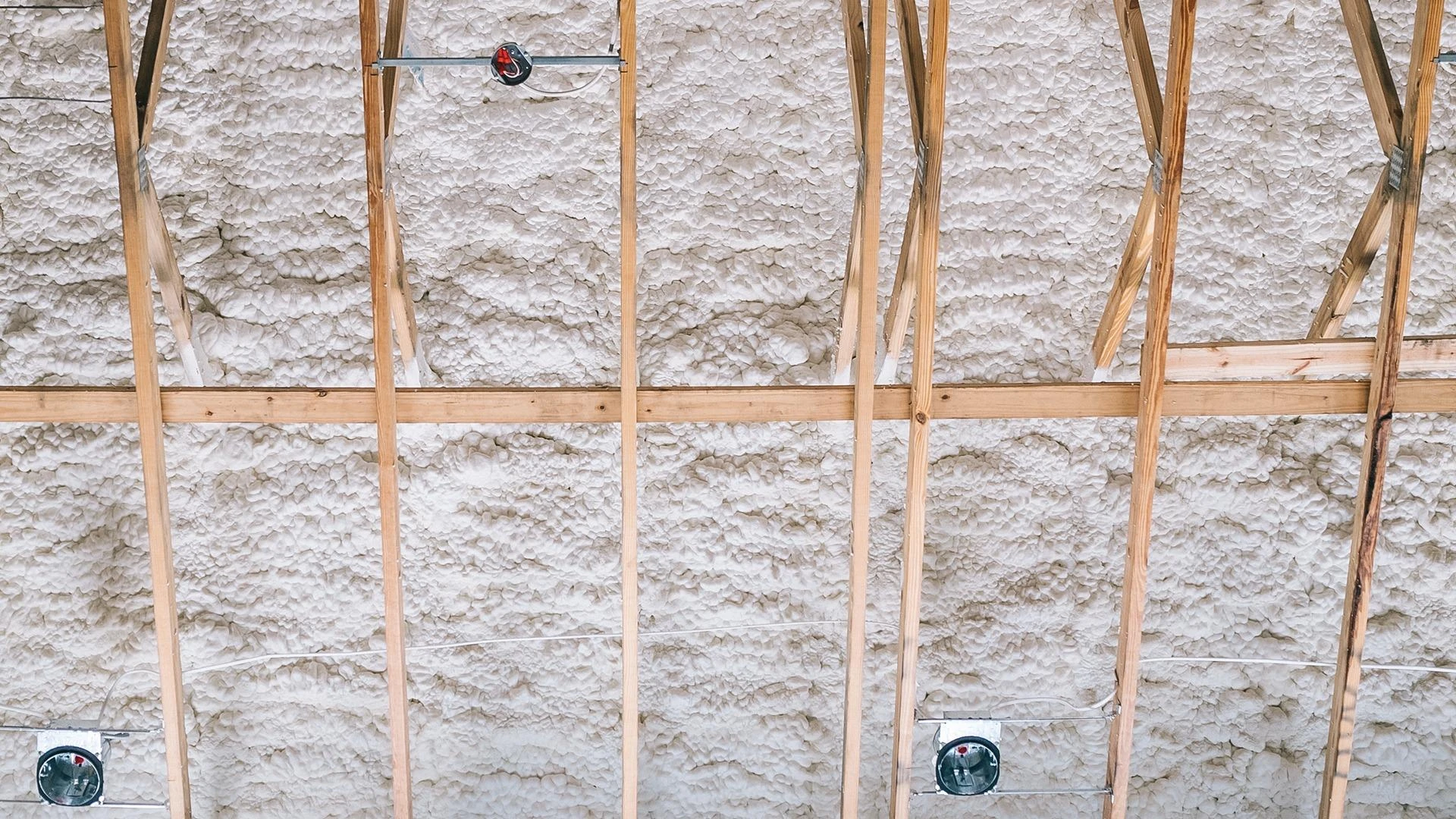

Yes, open-cell spray foam contractor can help control pests in a home's walls, but its effectiveness comes from creating an exceptional air seal, not from being an impenetrable physical barrier. It is not a pesticide and offers no chemical repellency. Instead, its primary benefit is that it expands to fill every crack, gap, and crevice, effectively sealing the tiny entry points that insects and small pests use to get inside. While it isn't as tough as its closed-cell counterpart, this comprehensive air seal makes it a very effective part of a pest exclusion strategy.
This article will explain exactly how this air barrier works to deter pests, compare it to other insulation types, and outline what homeowners should know before using it as a defense against unwanted intruders. The insights here are based on the principles of integrated pest management and the practical experience of insulation professionals.
How Air Sealing Forms the First Line of Defense
Most pests don't need much of an invitation to enter a home. Small insects like ants and spiders can slip through gaps the width of a credit card, while mice can squeeze through a hole the size of a dime. A typical home's walls are full of these small imperfections, especially where the foundation meets the wall framing and around any pipes or wires that pass through. These spots are like open doors for pests.
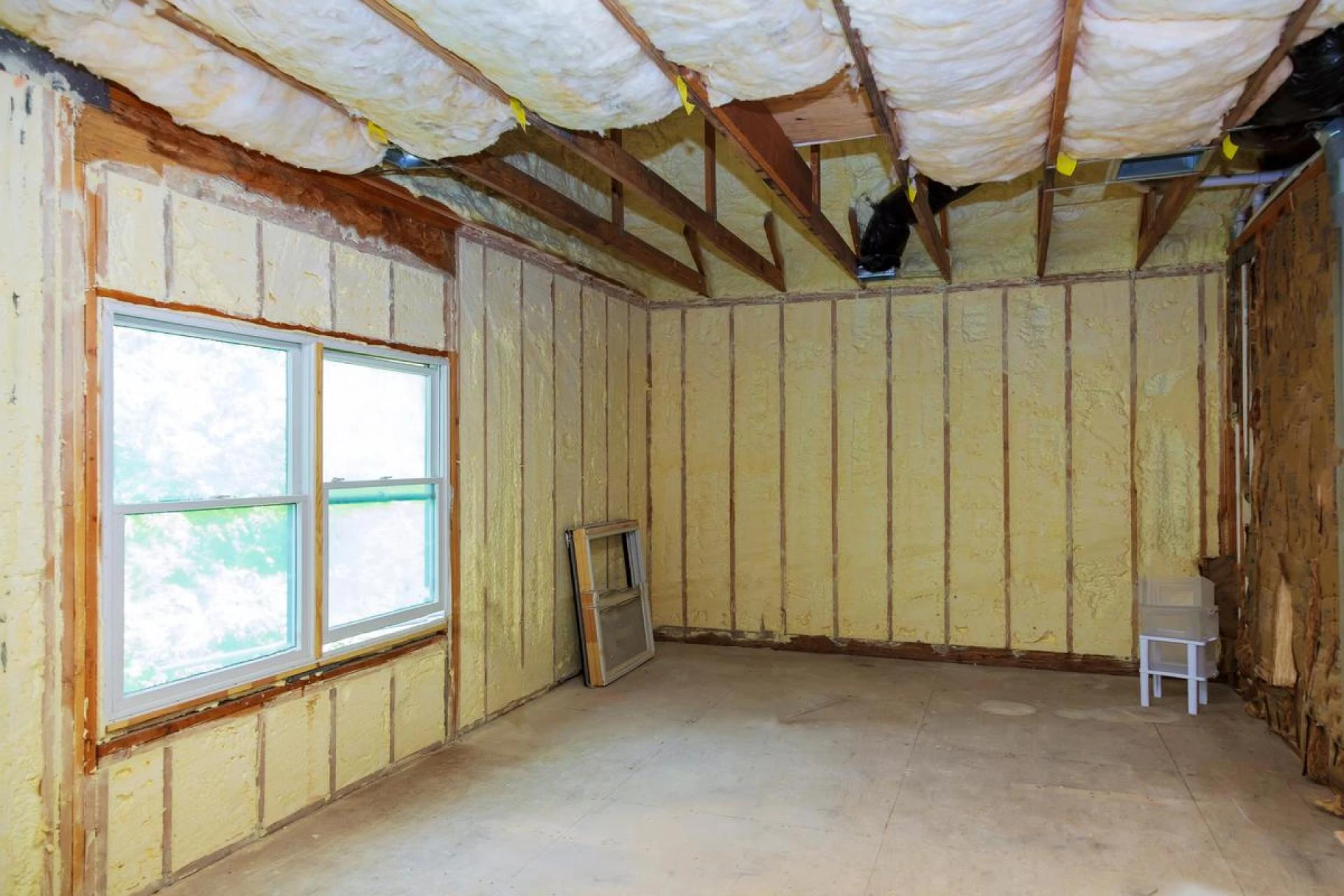
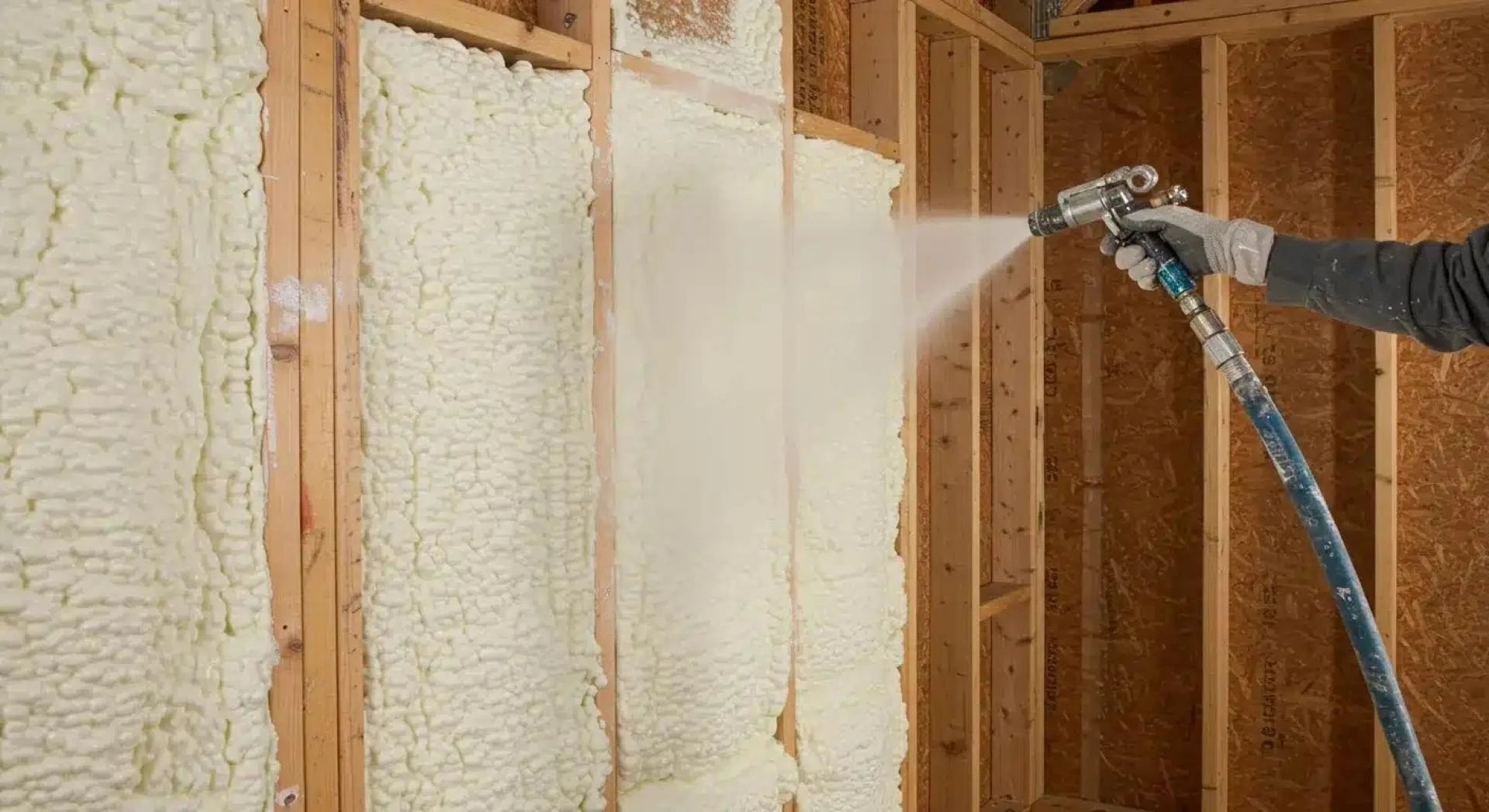
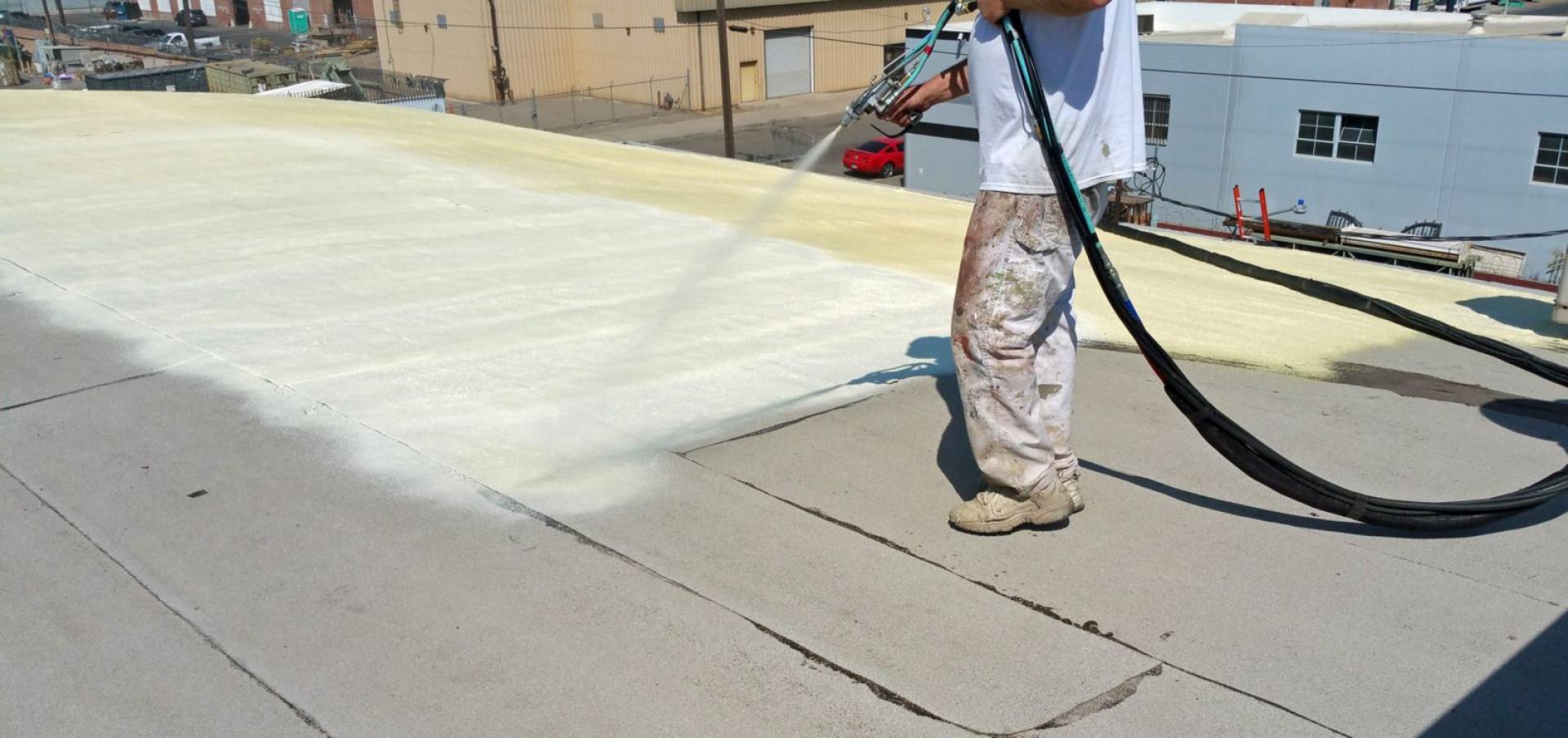
Open-cell spray foam is applied as a liquid that expands dramatically, up to 100 times its initial volume. It flows into every small opening before it cures into a soft, flexible foam mass. This creates a complete and continuous air barrier from floor to ceiling. By sealing these pathways, it physically blocks the routes that many common household pests, especially the small insects prevalent in places like Las Vegas, use for entry. Pest management professionals agree that exclusion, the practice of physically blocking entry points, is the most effective and sustainable long-term pest control method.
Comparing Insulation as a Pest Deterrent
Not all insulation materials offer the same level of pest resistance. Their effectiveness depends on whether they seal air gaps and whether they provide a desirable environment for nesting.
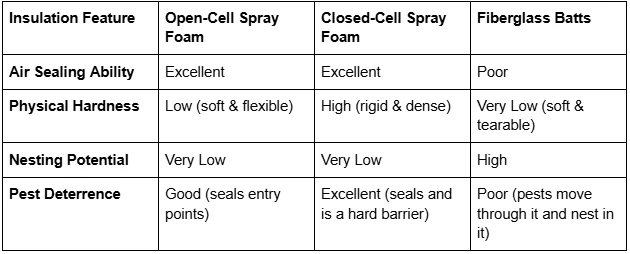
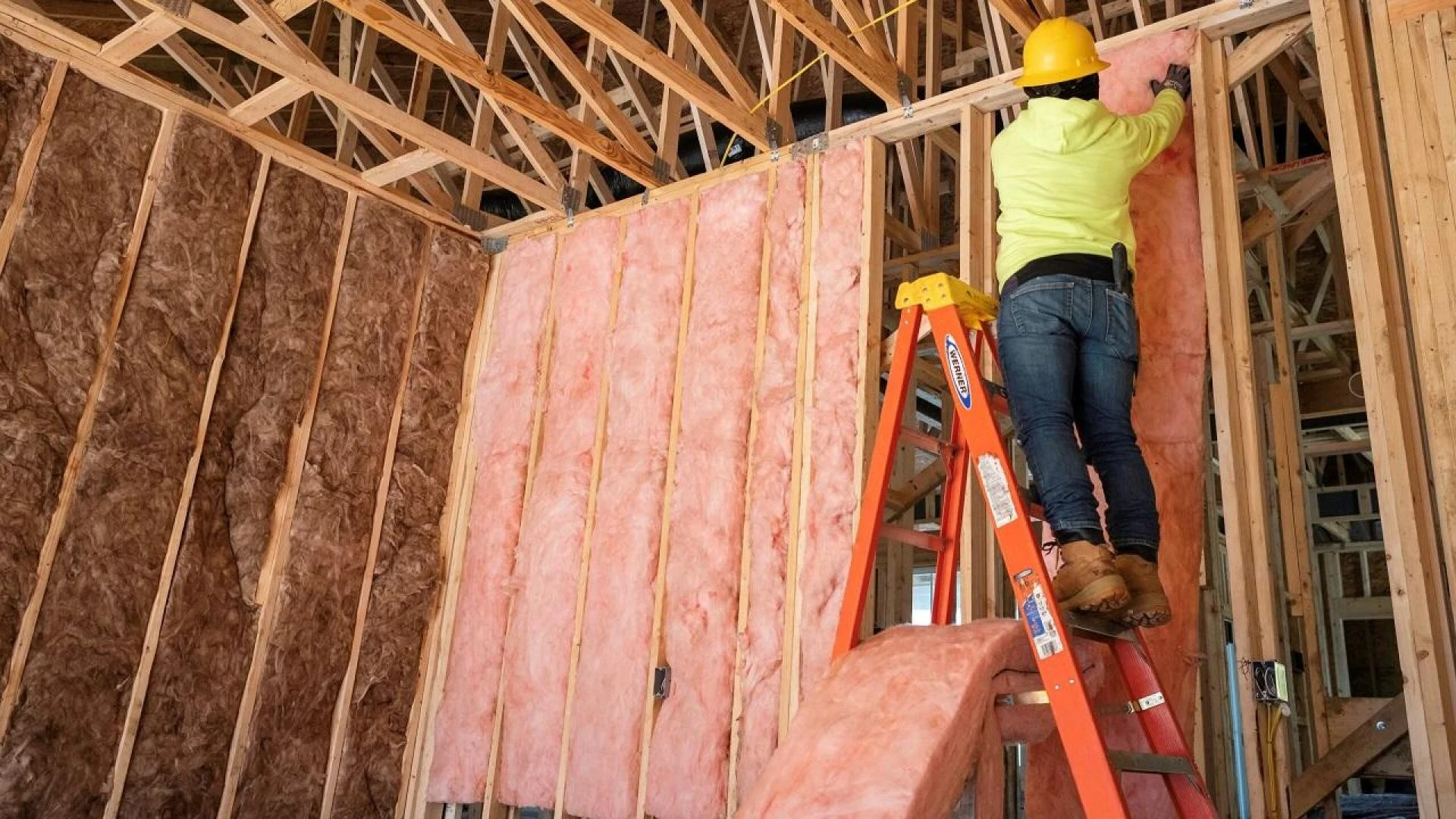
As the table shows, both types of spray foam are superior to traditional insulation like fiberglass, which pests can easily move through or behind. In fact, rodents often find fiberglass to be an ideal nesting material. Open-cell spray foam, while soft, is not something pests recognize as a food source or desirable nesting material. It is an inert polymer that offers them nothing.
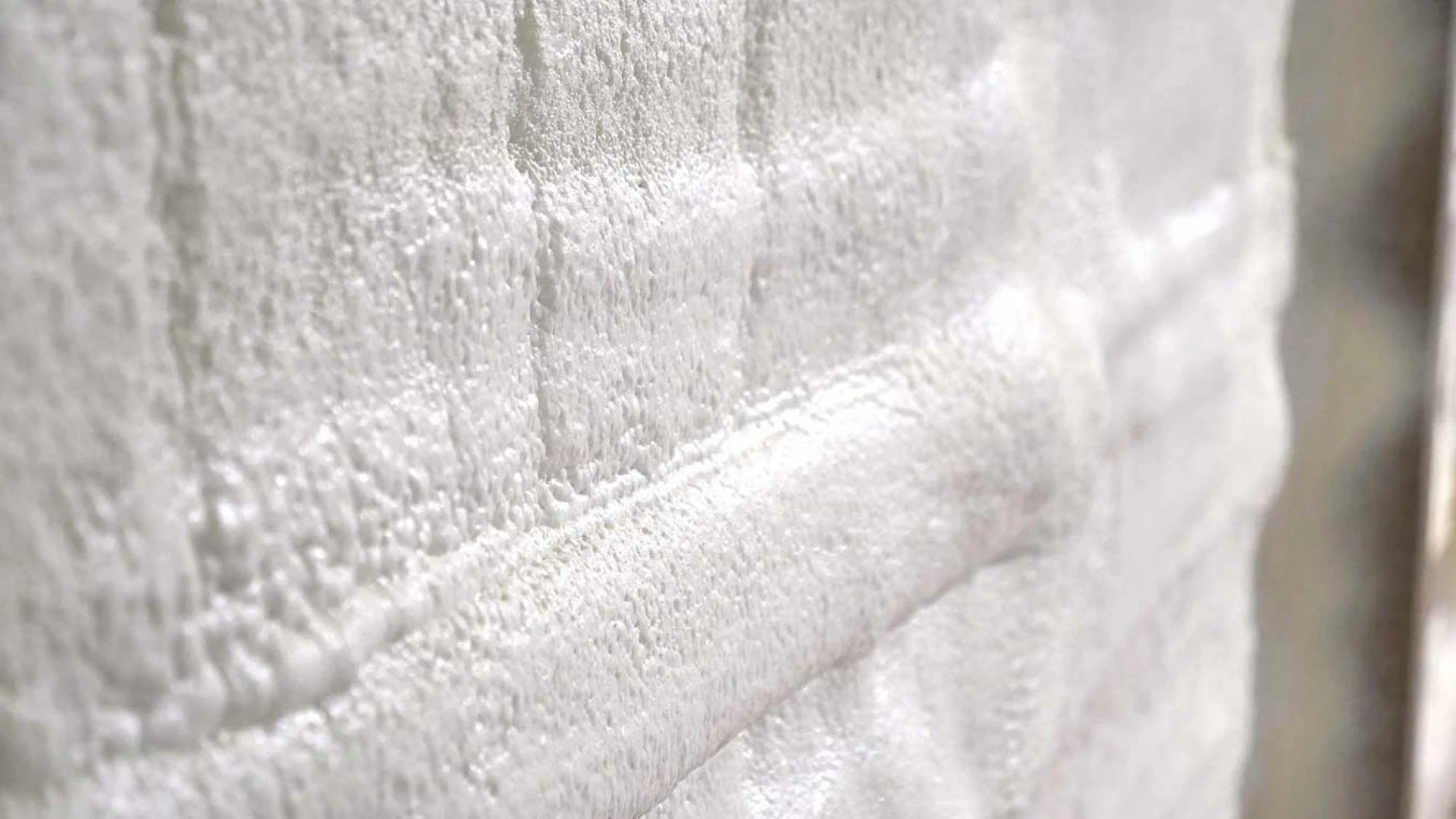
The main difference between open-cell and closed-cell foam in this context is physical density. Closed-cell foam becomes very hard and rigid, making it a formidable physical barrier that is difficult to chew or tunnel through. Open-cell foam is soft, so a very determined rodent could potentially tear its way through. However, because it has completely sealed the easy entry points, most pests are deterred long before they would attempt this.
More Than a Pest Barrier: The Added Benefits
Pest exclusion is a significant advantage, but it's actually a secondary benefit that comes from open-cell foam's primary function as an insulator and air barrier. By stopping the movement of air, it dramatically improves a home's energy efficiency. In a hot climate like Las Vegas, this means keeping hot air out and cool, conditioned air in, which can lower cooling costs by 20% or more.
Open-cell foam is also an exceptional sound-dampening material. Its soft, pliable structure is very effective at absorbing sound waves. Homeowners who use it in their walls often report a much quieter indoor environment, with less noise from outside and between rooms. So, the investment provides three benefits at once: pest deterrence, energy savings, and sound control.
Things to Consider Before You Insulate
Before using open-cell spray foam as part of a pest control strategy, homeowners should be aware of a few important considerations.
Deal with Existing Infestations First
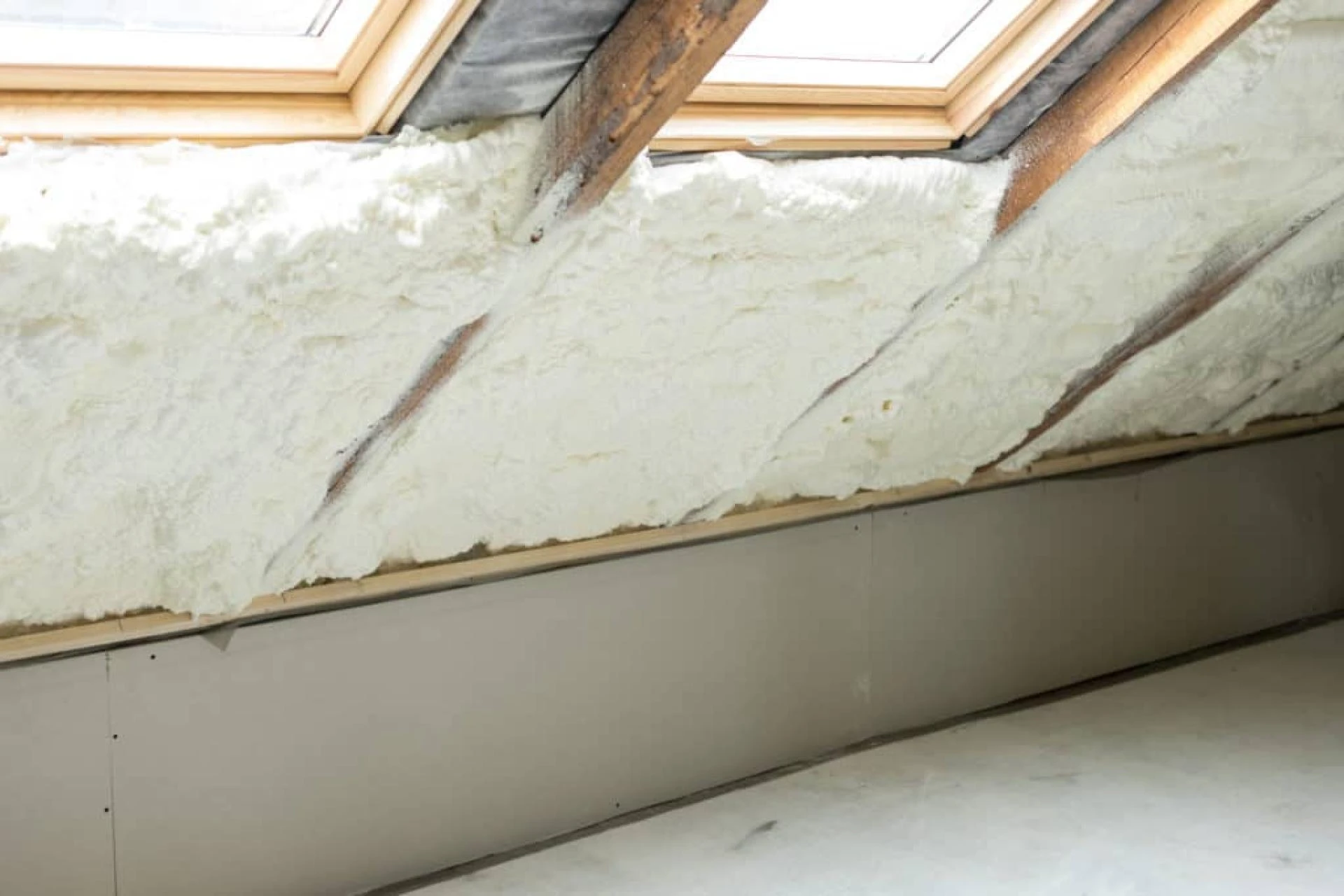
Spray foam is for prevention, not removal. If a home already has an active pest problem, such as termites or rodents, it is critical to have a professional exterminator resolve the issue completely before any insulation is installed. Sealing pests inside a wall cavity can lead to much larger problems, including structural damage and unpleasant odors.
Know Your Target Pest
Open-cell foam's air-sealing quality is extremely effective against small insects that rely on existing gaps to get in, like ants, spiders, and cockroaches. Against a larger, more destructive pest like a rat that can chew through many materials, it is a deterrent but may not be a foolproof solution on its own. In this case, the tougher closed-cell foam might be a better choice.
The Importance of a Professional Application
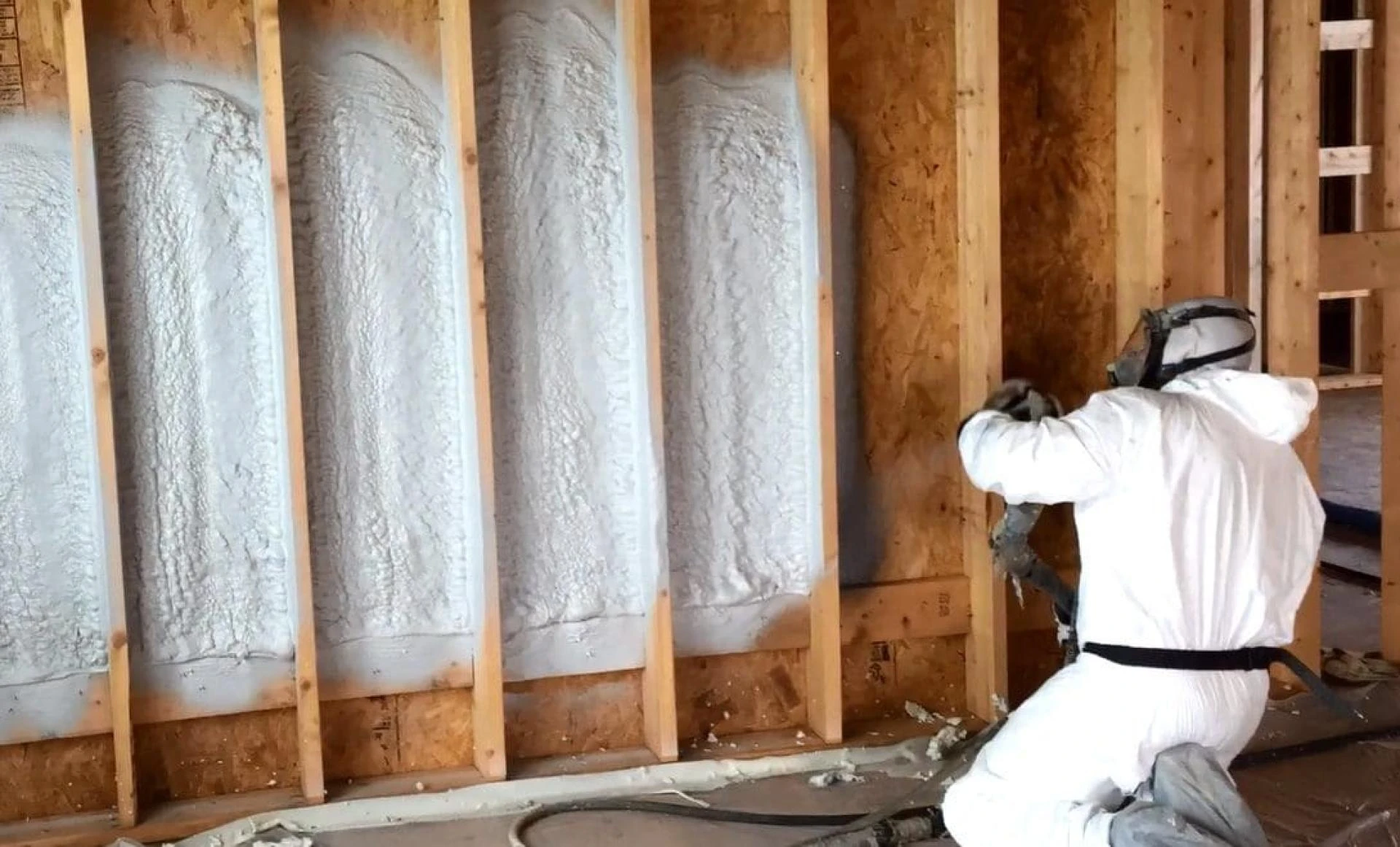
Achieving the complete air seal needed to deter pests is why a professional application is so important. This is not a simple DIY task. A professional installer is trained to know all the common areas of air leakage and has the equipment to apply the foam correctly, ensuring that every small gap is filled. A sloppy installation with missed spots will leave the door open for pests.
Bonus Tip: The rim joist area in a basement or crawl space is one of the single most common entry points for pests. Having a professional air seal this area with spray foam is a highly effective way to fortify a home's foundation against intruders.
Questions People Ask About Open-Cell Foam and Pests
Do pests eat open-cell spray foam?
No. Open-cell foam is a type of plastic and has no nutritional value for any pest, including termites. It is not a food source.
Is open-cell foam better than closed-cell foam for pest control?
No, closed-cell foam is generally considered superior for pest control because it is both an air seal and a hard physical barrier. However, open-cell foam is still a very good option and is much better than traditional insulation types.
Can termites tunnel through open-cell foam?
Yes, termites can tunnel through both open-cell and closed-cell foam to get to the wood structure of a home. For this reason, building codes in termite-prone areas require that an "inspection strip" of the foundation be left visible so that termite activity can be detected.
Will open-cell foam stop mice?
It will stop them from using the small, existing gaps they typically use for entry. Because the foam is soft, a trapped and desperate mouse could potentially chew through it, but it is a significant deterrent that makes a home a much harder target.
What if I need to run new wires in a wall with open-cell foam?
Because open-cell foam is soft and flexible, it is relatively easy to cut or fish wires through it if you need to do so in the future. This is more difficult with the hard, rigid structure of closed-cell foam.
A Smart Part of a Pest Management Strategy
Open-cell spray foam is a powerful tool for pest control because it addresses the problem at its source: the entry points. By creating a thorough and complete air seal within a home's walls, it makes the structure far more resistant to pest intrusion. While it should be seen as one component of a larger pest management plan, it provides a permanent, built-in defense that also happens to make the home more energy-efficient and quieter. It's a multi-purpose solution for a healthier, more comfortable home.
Getting a Professional Evaluation
For homeowners in the Las Vegas area who are interested in how spray foam can help seal their home against pests and the elements, consulting with an expert is a great first step. A professional can assess the home's construction and recommend the best type of insulation for their specific needs. The team at Supreme Spray Foam LV provides these kinds of detailed consultations. They can be reached by email at [email protected] or by phone at (702) 904-9895.
Reviewer: Michael Carter reviewed this article using insight gained over 12 years in the spray foam business. His feedback focused on helping contractors reach new customers without overcomplicating their message.

























Sign in to leave a comment.