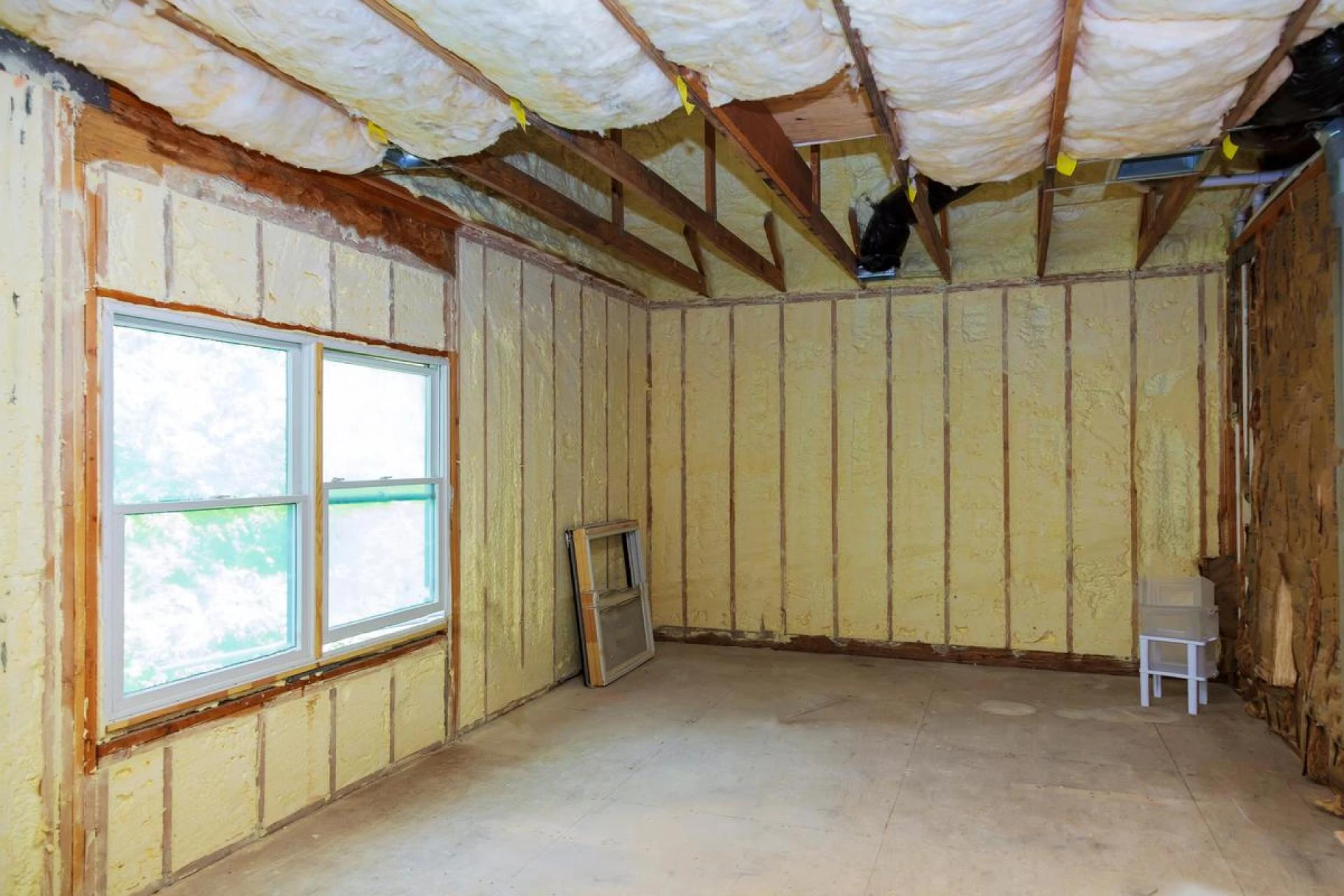

Open-cell spray foam insulation is gaining popularity among homeowners and builders because it offers a unique combination of high-performance benefits at a competitive price point. While its denser counterpart, closed-cell foam, is known for its high R-value, open-cell foam excels in other key areas. The five primary reasons for its growing adoption are its exceptional ability to create a superior air seal, its remarkable sound-dampening qualities, its lower overall cost, its vapor-permeable nature which allows buildings to "breathe," and its more environmentally friendly formulation.
This guide will explore each of these five advantages in detail, explaining why this soft, spongy foam has become a go-to solution for creating comfortable, quiet, and efficient homes. The information is based on the practical, in-the-field experience of insulation professionals who understand the specific strengths of this versatile material.
1. It Creates a Superior Air Seal
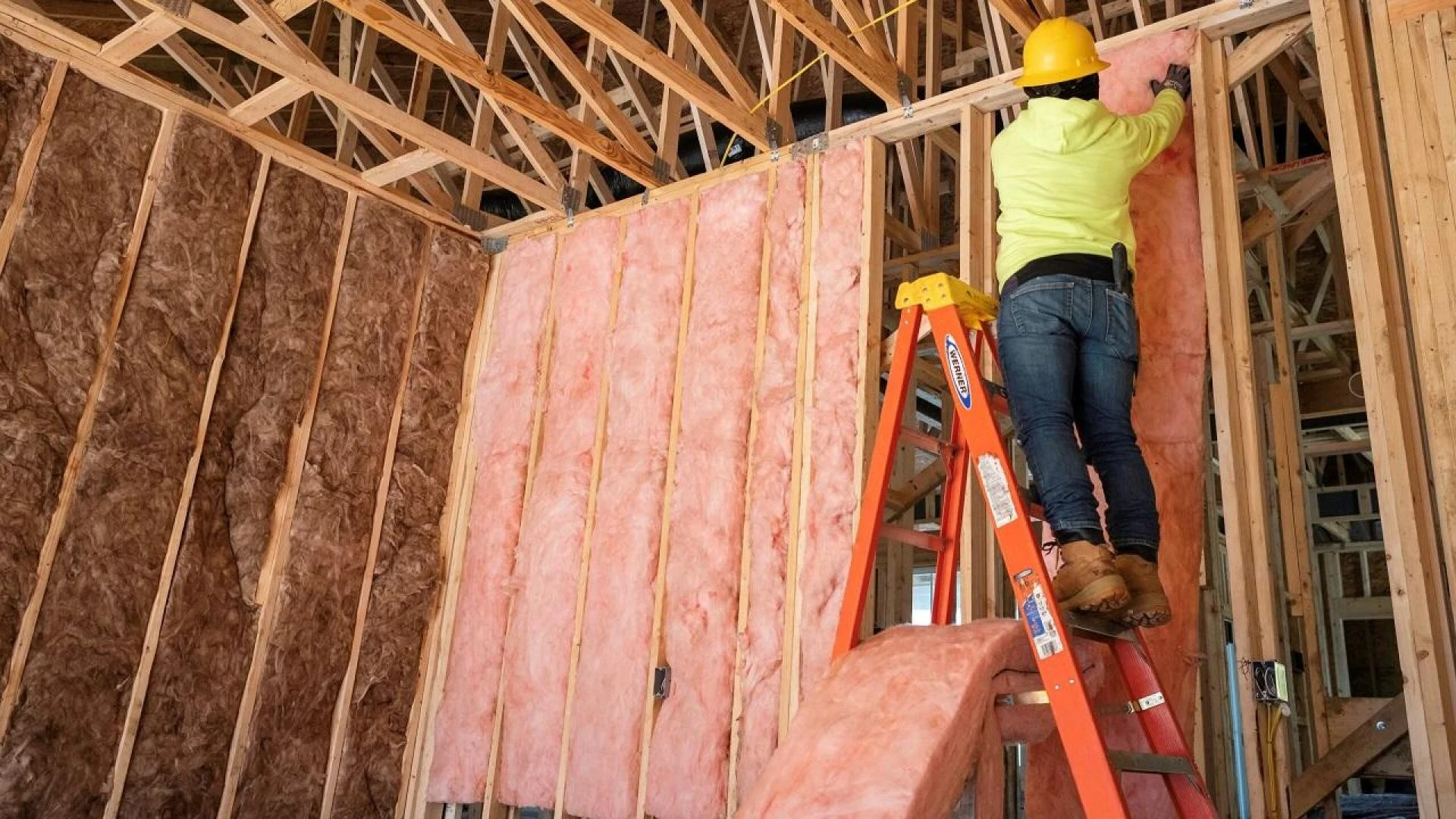
This is the most significant performance benefit of open-cell spray foam and the main reason it is a massive upgrade over traditional insulation like fiberglass. Air leakage is a major source of energy loss and comfort problems in a home.
The Power of High Expansion
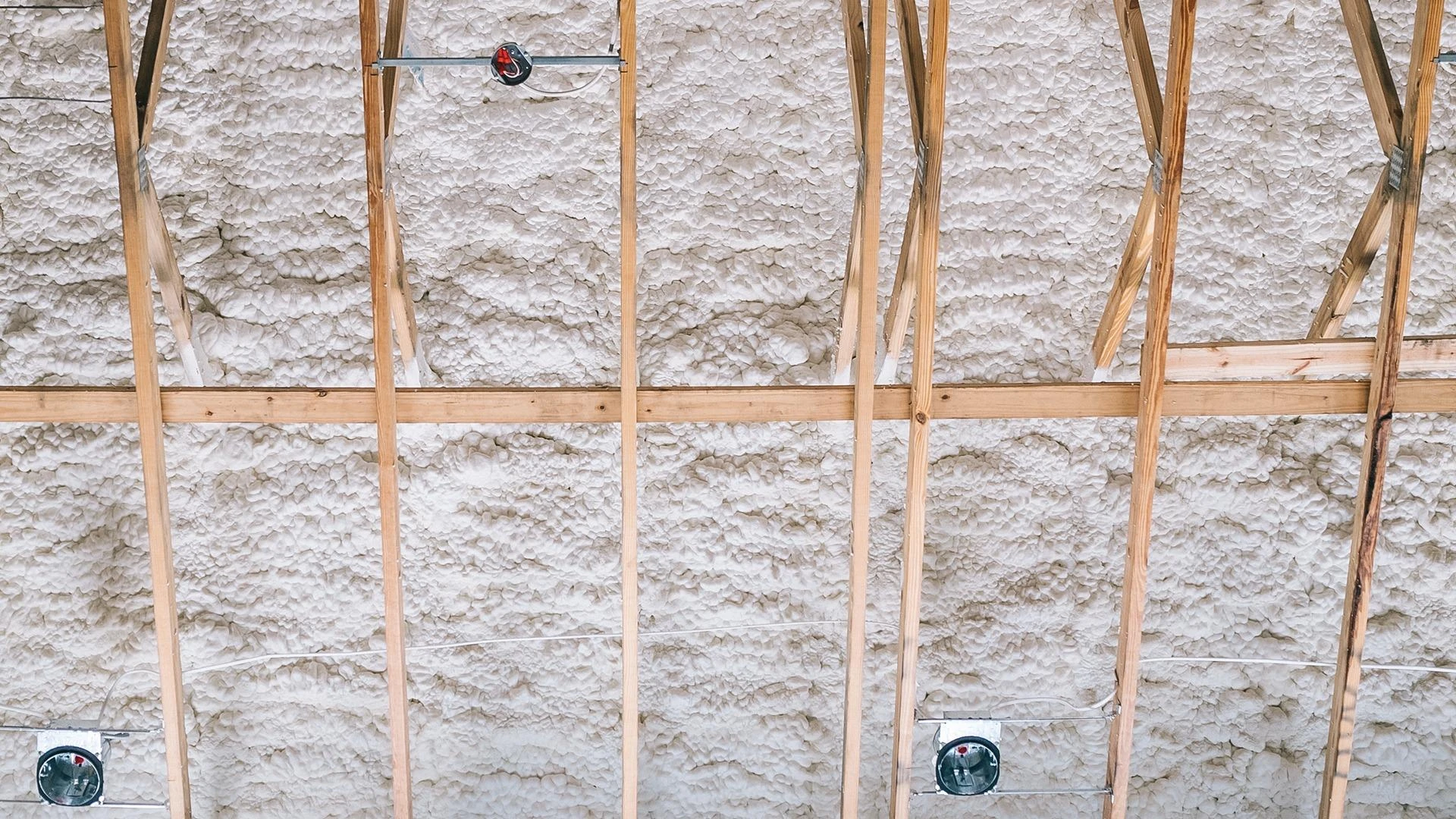
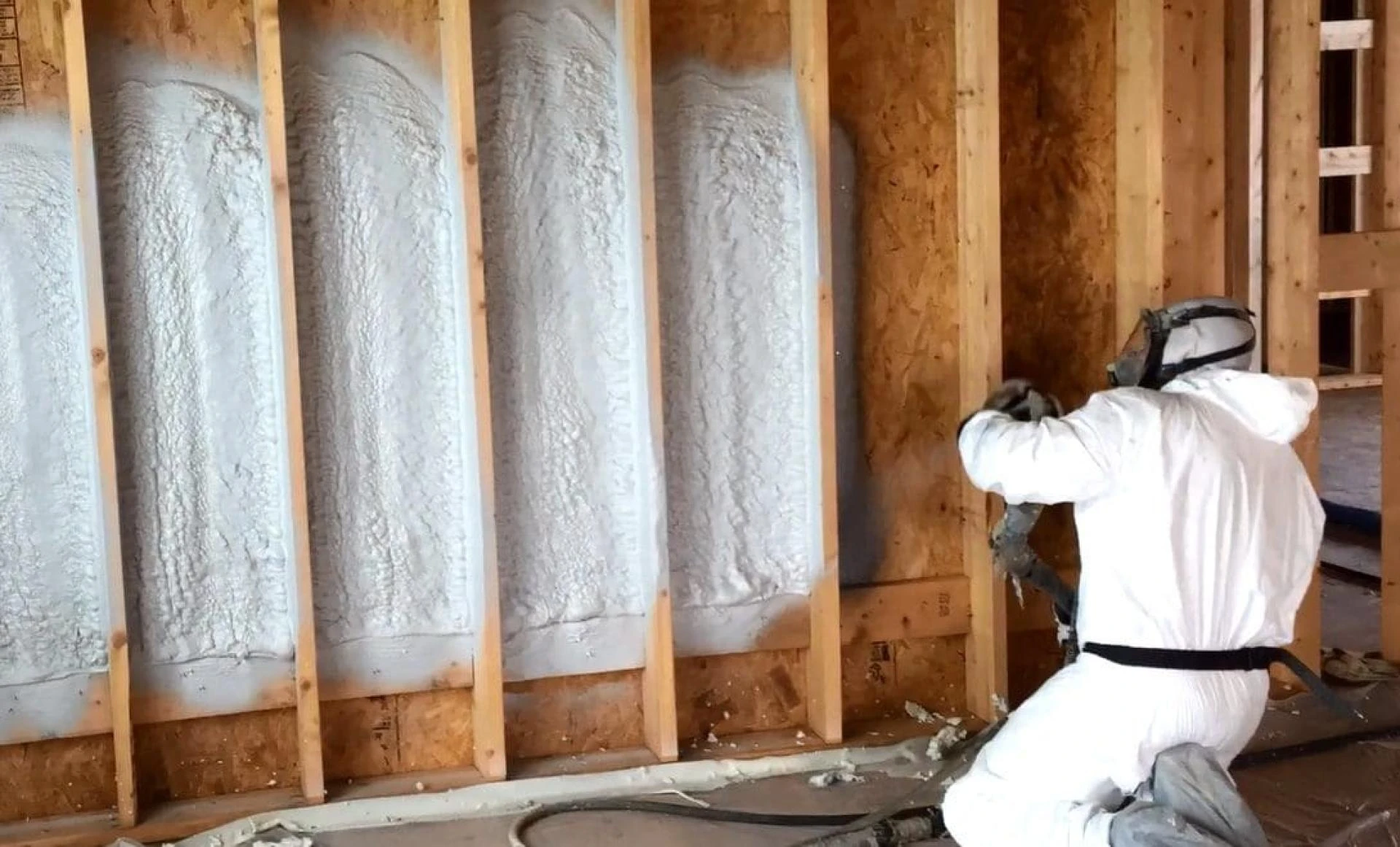
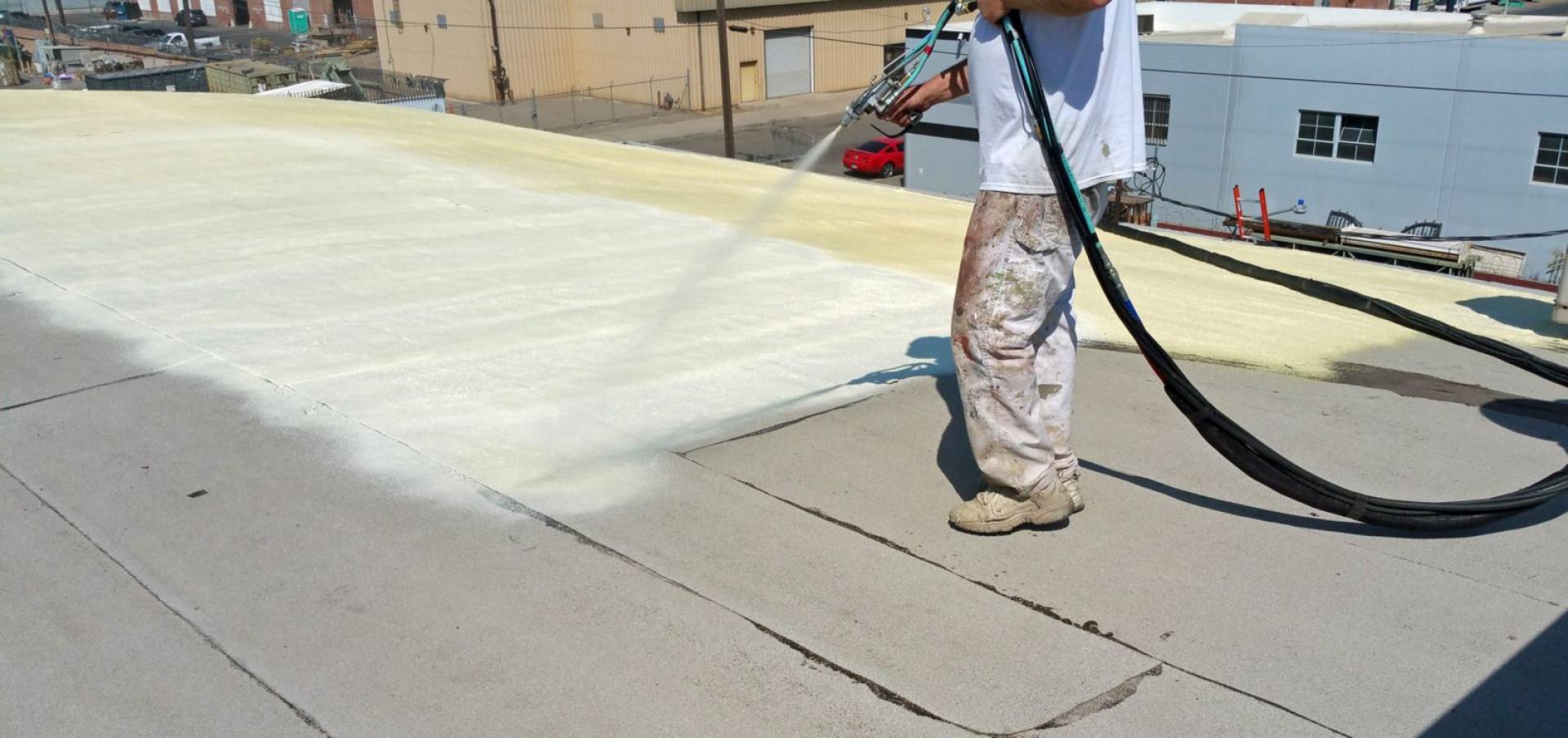
Open-cell foam is notable for its incredible expansion rate; it can expand up to 100 times its initial liquid volume in a matter of seconds. This massive expansion is what allows it to flow into and completely fill every crack, crevice, and irregularly shaped cavity in a building's structure. It adheres directly to the studs and sheathing, creating a single, continuous, and seamless air barrier. Furthermore, its soft, pliable nature allows it to flex as the building naturally expands and contracts, ensuring the air seal remains intact over time without cracking or pulling away from the studs. This robust air seal stops drafts and prevents the uncontrolled exchange of air between the inside of the home and the outdoors, which is the key to creating a truly energy-efficient building envelope.
2. It Is an Exceptional Sound Dampener
The unique physical structure of open-cell foam makes it one of the most effective sound-dampening materials available in residential construction.
Absorbing Sound Waves
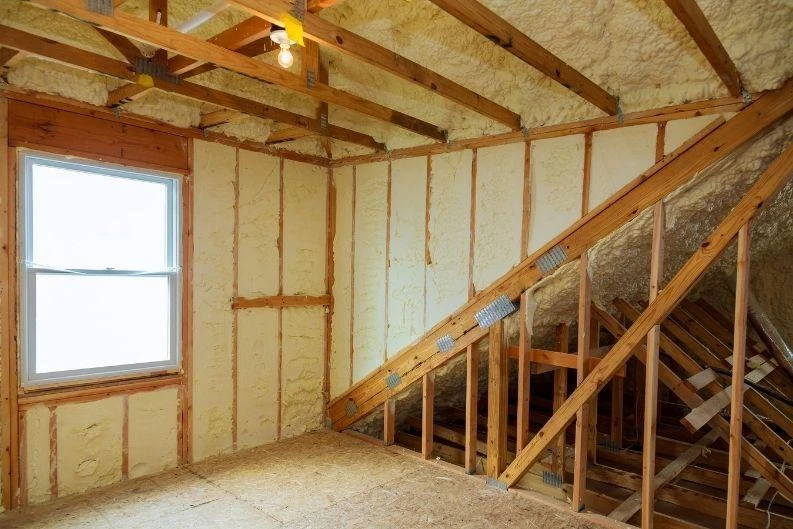
The soft, flexible, and interconnected cell structure of open-cell foam works like a high-tech acoustic sponge. It is extremely effective at absorbing and dissipating sound waves, preventing them from traveling through walls and floors. This makes it a very popular choice for use in:
- Interior Walls: To create sound privacy between bedrooms, bathrooms, and home offices.
- Floors: To reduce the sound of footsteps and conversations between different levels of a home.
- Home Theaters: To create a true, immersive theater experience without disturbing the rest of the house.
This ability to create a quieter, more peaceful indoor environment is a major contributor to its growing popularity.
3. It Is a More Cost-Effective Spray Foam Option
For many homeowners and builders, budget is a major consideration. Open-cell spray foam provides many of the high-performance benefits of spray foam insulation at a more accessible price point than its closed-cell alternative.
Lower Material Cost and Higher Yield
The material cost of open-cell foam is generally lower than that of closed-cell foam. Furthermore, because of its very high expansion rate, less material is needed to fill a given space. For example, to fill a standard 2x4 wall cavity, you would need to spray a full 3.5 inches of open-cell foam. To achieve a similar fill with the lower-expansion closed-cell foam would require significantly more material. This combination of a lower per-unit cost and a higher yield makes open-cell foam a very cost-effective way to achieve a high-performance air seal.
4. It Allows the Structure to "Breathe"
The term "breathe" in building science refers to the ability of a material to allow water vapor to pass through it. This is a property known as vapor permeability, and it is a key difference between open-cell and closed-cell foam.
The Benefit of Drying Potential
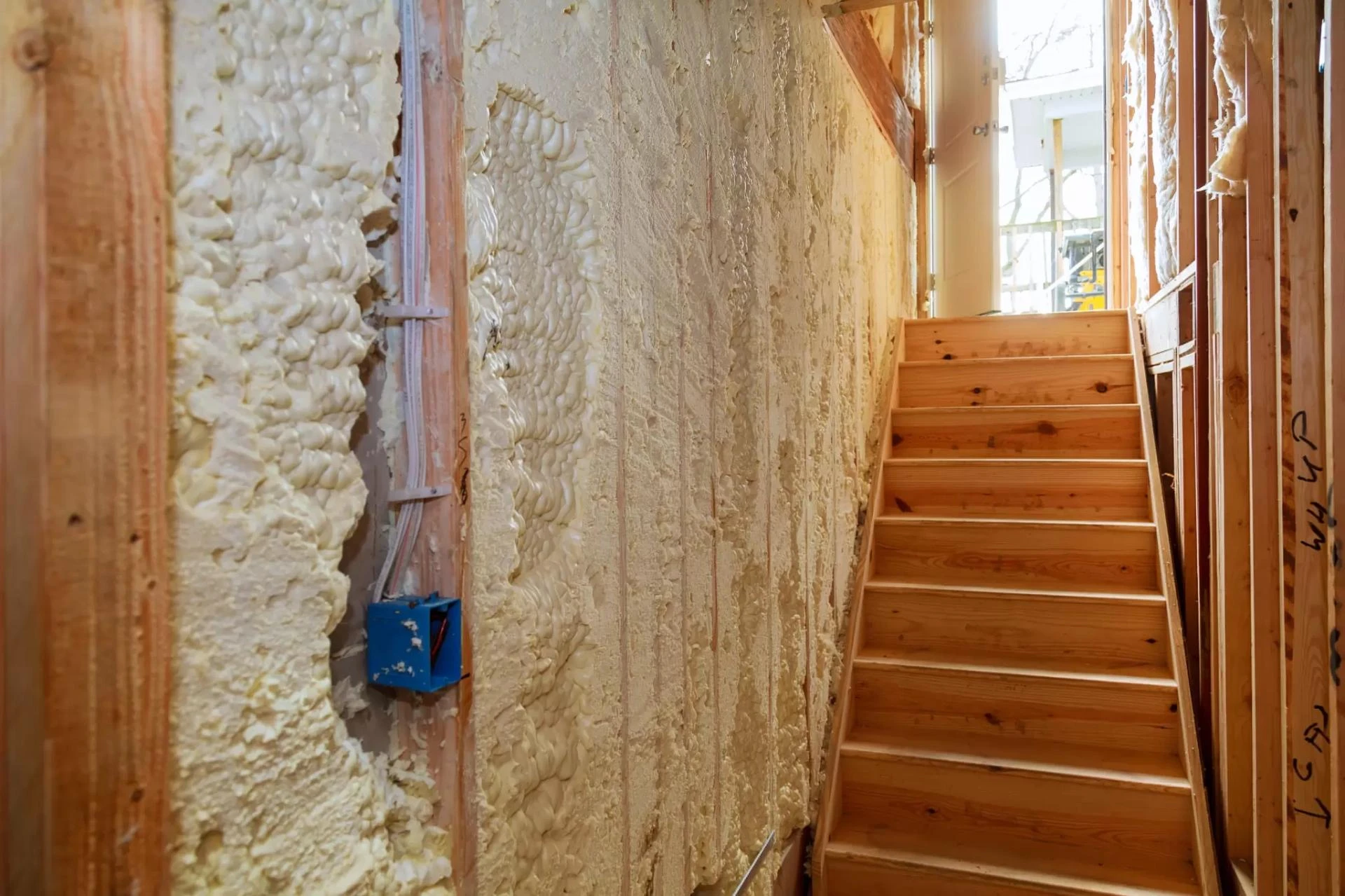
The interconnected cell structure of open-cell foam allows water vapor to move through it. This can be a significant advantage in certain climates and applications. It means that if a small amount of moisture from a minor leak were to get into the wall cavity, it has a pathway to dry out, which can help to prevent the long-term moisture buildup that leads to mold and rot. This "drying potential" is a feature that many building science experts prefer. It is important to note, however, that because open-cell foam is vapor-permeable, it is not a vapor barrier. In very cold climates, it must be paired with a separate interior vapor retarder to prevent wintertime condensation issues—a professional contractor will know the specific requirements for your climate zone.
5. It Has a Greener Formulation
For environmentally conscious homeowners and builders, the chemical makeup of the foam is an important consideration.
Water-Blown and Eco-Friendly Ingredients
Open-cell spray foam uses water as its primary blowing agent. The chemical reaction turns the water into steam, which is what expands the foam. This is a much more environmentally benign process than the chemical blowing agents used in some other foam products. Additionally, many modern open-cell foams are formulated with a significant percentage of renewable resources, such as soy or castor oil, and recycled materials, which reduces their reliance on petroleum.
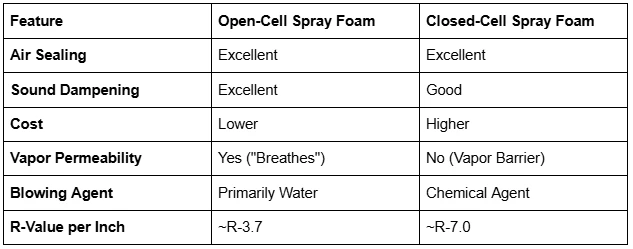
Here is a quick comparison of the two types of spray foam:
Things to Consider When Choosing Open-Cell Foam
- It Is Not Waterproof: The absorbent, spongy nature of open-cell foam means it is not the right choice for any application where it could come into direct contact with water. For below-grade applications like basements or crawl spaces, the waterproof, closed-cell foam is the superior choice.
- R-Value Considerations: Open-cell foam has a lower R-value per inch than closed-cell foam. In situations where space is limited, such as in a 2x4 wall, and the highest possible R-value is desired, closed-cell foam may be the better option.
- Professional Installation is Key: The performance of any spray foam is entirely dependent on the quality of the installation. It is essential to hire a certified, experienced contractor to ensure the product is applied correctly and safely.
Final Thoughts on a Versatile Insulation
The growing popularity of High-performance open-cell spray foam is a testament to its versatility and its ability to deliver a wide range of benefits. It provides the superior air-sealing performance that is the hallmark of spray foam insulation, but it does so with the added advantages of exceptional sound control, a more forgiving vapor-permeable structure, and a lower overall cost. For a wide range of residential applications, it represents a powerful and intelligent choice for creating a modern, high-performance home.
Get a Professional Insulation Consultation
To determine if open-cell spray foam is the right choice for your specific project, the best first step is a professional evaluation. An experienced insulation contractor can assess your home's needs and help you weigh the pros and cons of different materials. For homeowners in the Las Vegas area looking for an expert opinion, the team at Supreme Spray Foam LV has deep expertise in all types of insulation. They can be reached for a consultation by email at [email protected] or by phone at (702) 904-9895.
Reviewer: Michael Carter reviewed this article using insight gained over 12 years in the spray foam business. His feedback focused on helping contractors reach new customers without overcomplicating their message.
























Sign in to leave a comment.