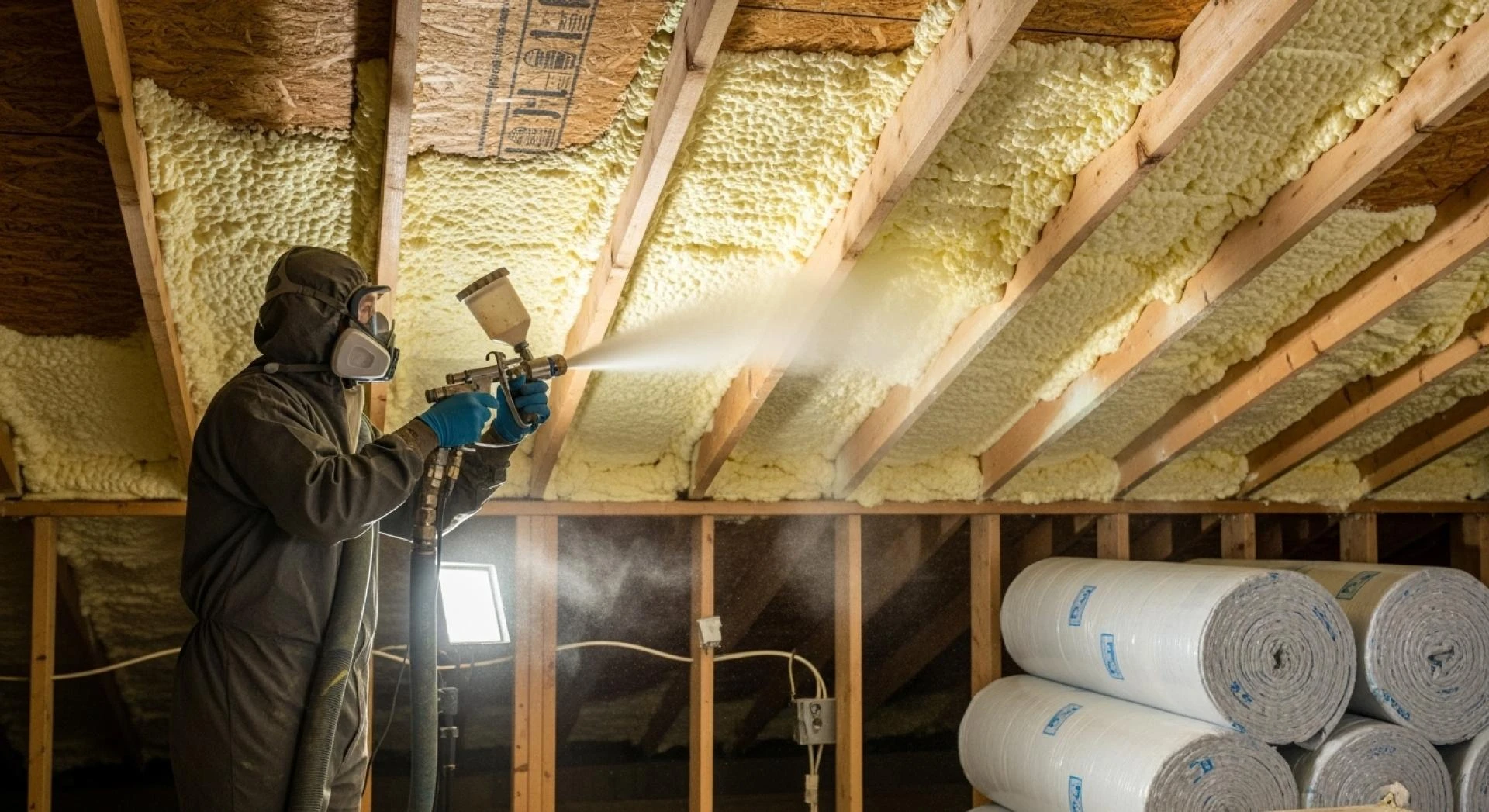
Homeowners constantly look for ways to enhance comfort, reduce energy costs, and maintain a quiet, stable environment. Spray Foam offers a comprehensive solution by sealing gaps, insulating walls, and controlling indoor temperatures. This insulation method also improves soundproofing, moisture control, and overall building efficiency, delivering a noticeable impact on day-to-day living.
Spray Foam Insulation in Tigard, OR, provides expert solutions for residential and commercial properties. Their team evaluates each property, recommends appropriate materials, and installs insulation that enhances comfort and efficiency. This article explores seven specific ways Spray Foam improves home comfort and offers actionable guidance for property owners.
Improved Temperature Stability
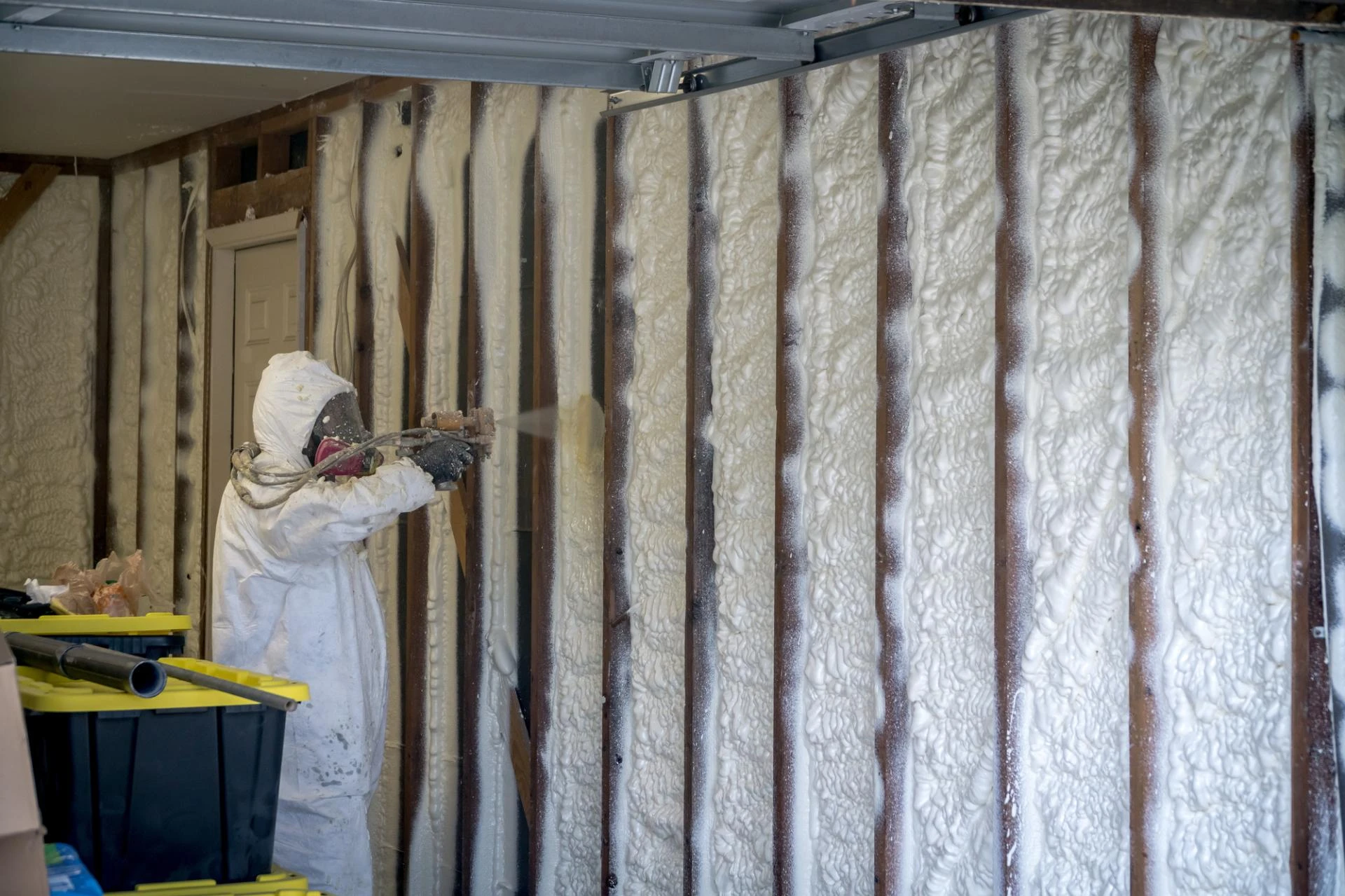
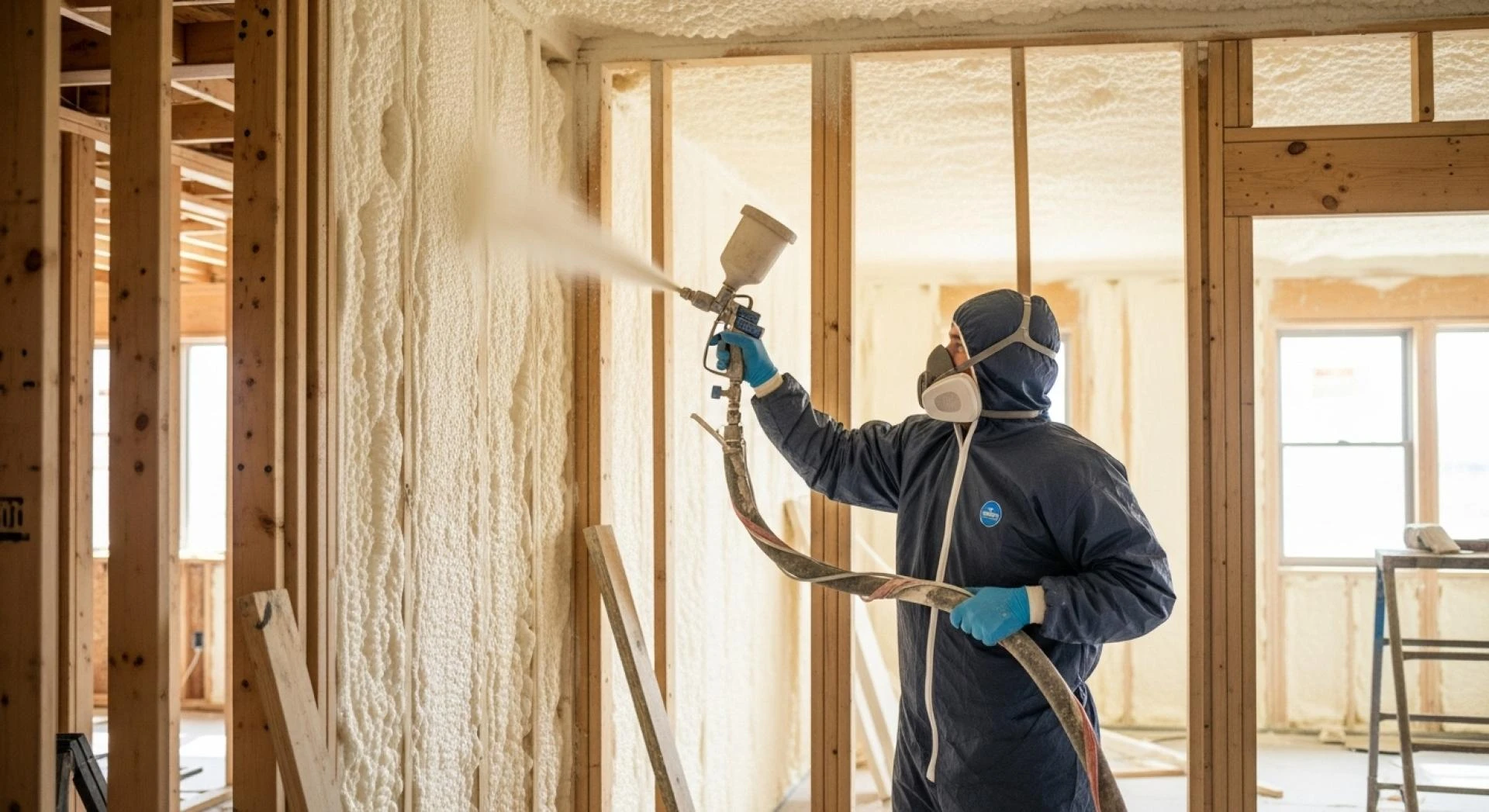
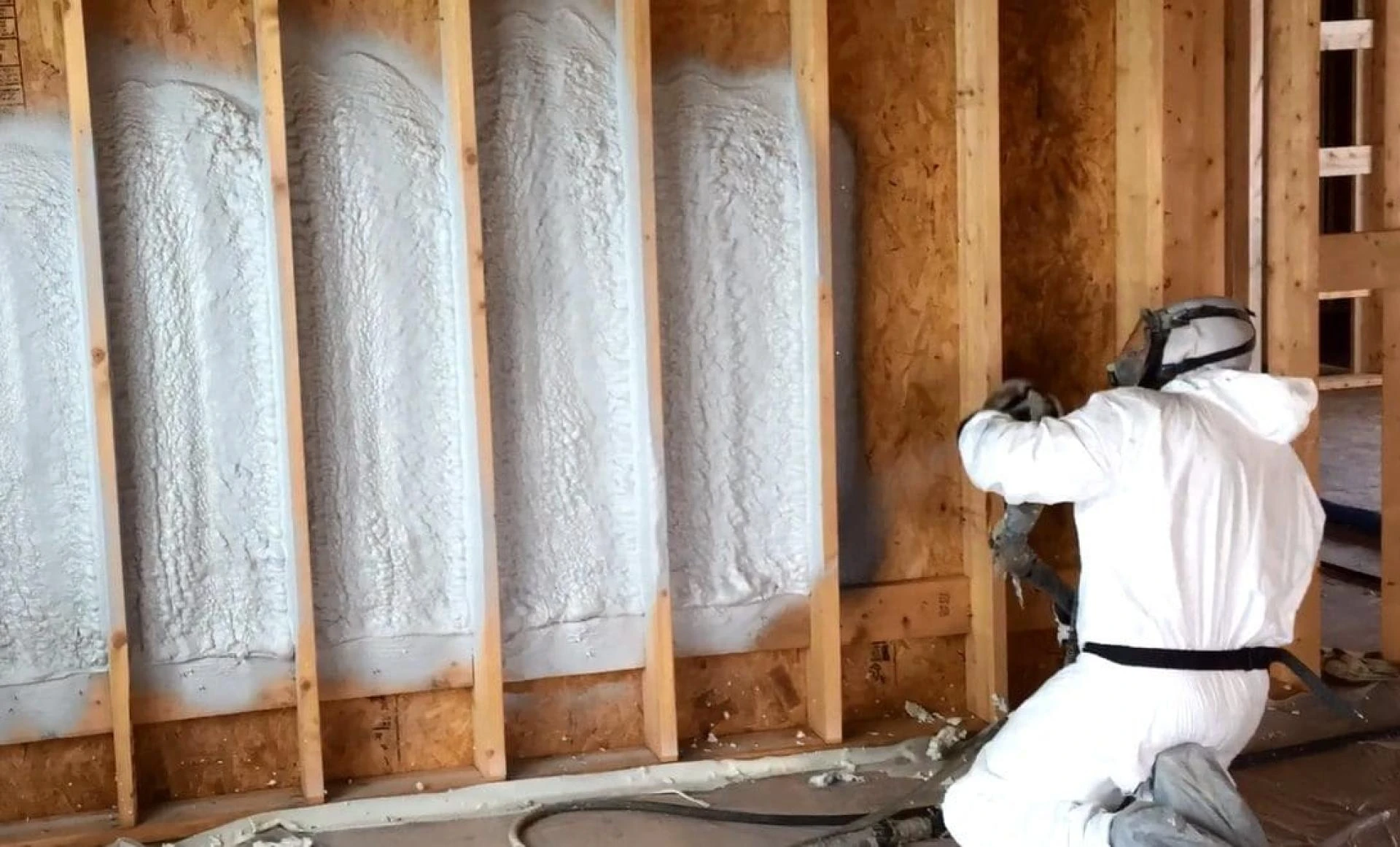
Maintaining a consistent indoor temperature is essential for comfort. Spray Foam services create an airtight barrier that prevents drafts and heat loss. This ensures rooms remain warm in winter and cool in summer, reducing the strain on HVAC systems.
Open-Cell vs Closed-Cell Insulation
Understanding the right type of spray foam is crucial for optimal results.
| Feature | Open-Cell | Closed-Cell |
|---|---|---|
| Density | Soft and lightweight | Rigid and dense |
| Air Barrier | High | Very high |
| Moisture Resistance | Moderate | Excellent |
| Ideal Areas | Interior walls, attics | Roofs, foundations, exterior walls |
| Noise Reduction | Superior | Moderate |
Benefits for Homeowners
- Reduces hot and cold spots in living areas
- Stabilizes temperature in multi-level homes
- Enhances HVAC efficiency and longevity
Bonus Tip
In regions with humid summers, closed-cell spray foam adds moisture protection while maintaining thermal stability.
Reduced Energy Costs
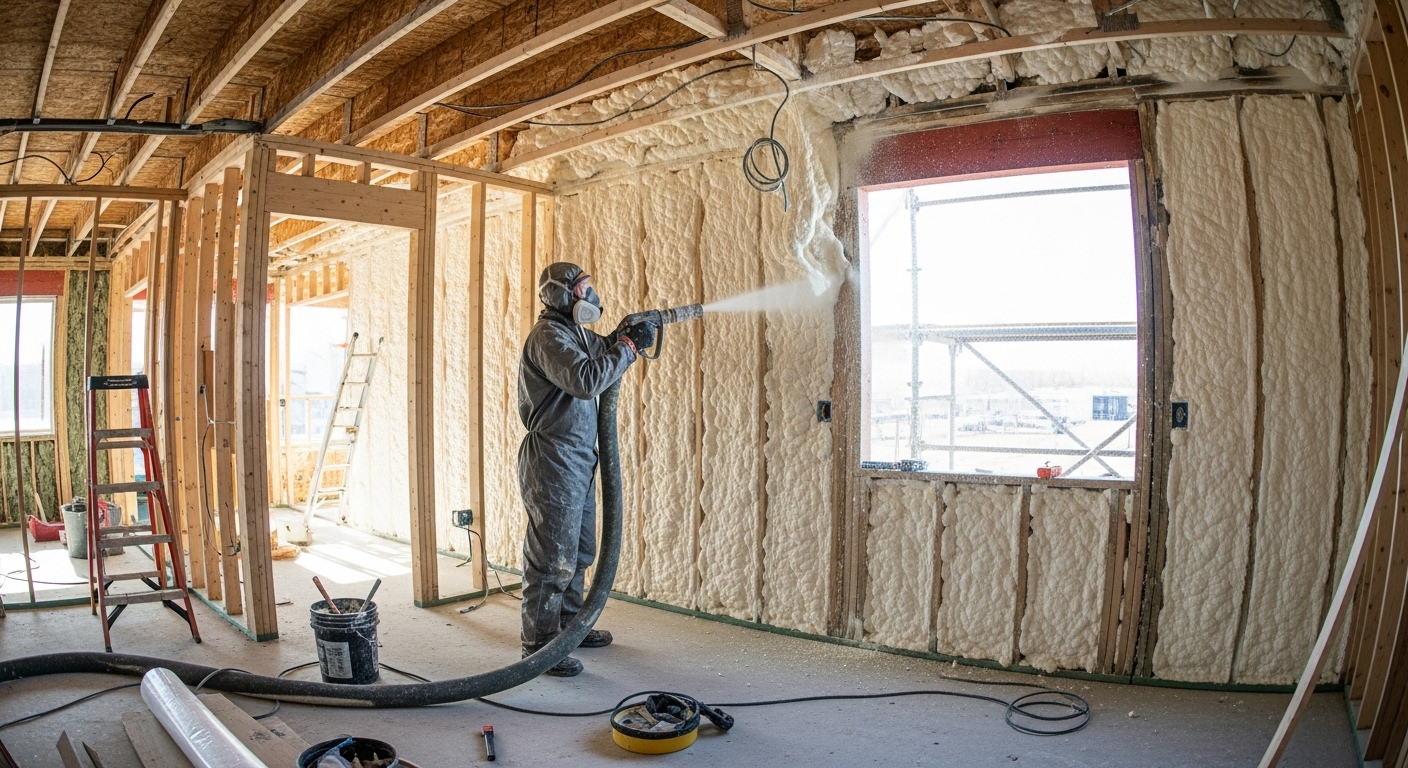
Sealing leaks and insulating effectively lowers energy consumption. Homes with Spray Foam insulation can save up to 30% on heating and cooling expenses. By reducing airflow and improving efficiency, this solution provides long-term financial benefits.
Targeted Areas for Energy Savings
- Attics and crawl spaces
- Exterior walls and basements
- Around windows and doors
Practical Insights
- Air sealing prevents energy loss from cracks and gaps
- Continuous insulation eliminates weak points common in traditional materials
- Combined with proper ventilation, energy savings are maximized
Enhanced Soundproofing
Noise from traffic, appliances, and neighbors can disrupt comfort. Spray Foam experts install insulation that absorbs vibrations and blocks sound transmission. This improves the quality of living spaces and makes homes more peaceful.
Applications for Noise Reduction
- Bedrooms and home offices
- Media rooms and living areas
- Commercial spaces needing quiet zones
Bonus Tip
Using open-cell spray foam in interior walls offers superior sound absorption while maintaining energy efficiency.
Moisture and Air Barrier Protection
Controlling moisture prevents mold growth and structural damage. Spray Foam services act as both an air and moisture barrier. Homes in rainy climates, like Tigard, benefit from reduced humidity in basements, attics, and exterior walls.
Advantages
- Minimizes condensation in walls and ceilings
- Protects insulation from water damage
- Improves indoor air quality by reducing mold risk
Longevity and Structural Support
Closed-cell spray foam adds strength to walls and roofing systems. This durability extends the lifespan of building materials and reduces maintenance needs. Homeowners gain long-term value through better-protected structures.
Practical Applications
- Foundation and basement walls
- Roof decks and exterior sheathing
- New construction projects
Versatility in Applications
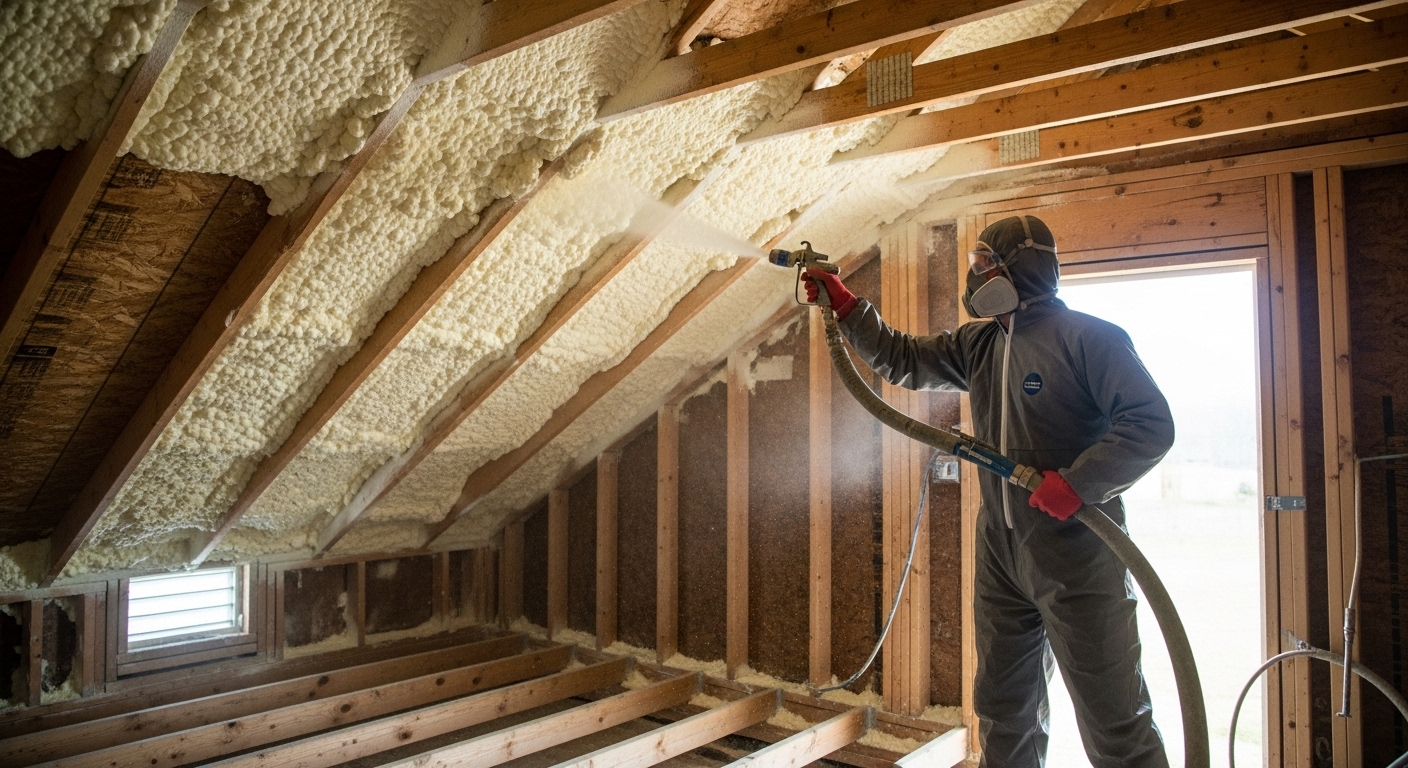
Spray Foam experts can customize solutions for various parts of the home, including:
- Attics and ceilings for temperature and noise control
- Crawl spaces and basements for moisture management
- Exterior walls for air sealing and insulation
Things to Consider Before Making a Decision
- Property Design: The building layout affects foam type and coverage.
- Climate: Humidity and temperature extremes influence insulation performance.
- Noise Sources: Identify areas with the most unwanted sound for targeted installation.
- Energy Goals: Align insulation choices with long-term energy efficiency plans.
Bonus Tip
For homes in colder climates, combining open-cell foam for interior spaces with closed-cell for foundations maximizes comfort and protection.
7. Air Quality and Allergen Reduction
Sealing leaks with Spray Foam services limits dust, pollen, and pollutants from entering homes. Improved air quality reduces allergy triggers and creates a healthier environment.
Key Benefits
- Reduces infiltration of outdoor allergens
- Stabilizes indoor humidity, limiting mold and mildew
- Improves HVAC performance for cleaner airflow
Return on Investment
While initial installation costs can be higher than traditional insulation, homeowners benefit from energy savings, increased comfort, and reduced maintenance costs. Over time, Spray Foam insulation pays for itself through efficiency and improved property conditions.
ROI Table
| Benefit | Impact |
|---|---|
| Energy Savings | Up to 30% reduction in heating/cooling costs |
| Noise Reduction | Noticeable decrease in sound transmission |
| Structural Longevity | Extended lifespan of building materials |
| Moisture Control | Lower risk of mold and water damage |
| Air Quality | Cleaner indoor environment for occupants |
Conclusion
Spray Foam improves home comfort in multiple ways, including temperature stability, energy efficiency, soundproofing, moisture protection, and air quality. Property owners can make informed decisions by considering climate, building design, and specific comfort goals. Evaluating these factors ensures long-term benefits and a more comfortable living environment.
Next Steps
For expert guidance on improving home comfort with spray foam, contact Spray Foam Specialists at (503) 713-6164 or email [email protected]. They provide tailored solutions, helping homeowners and property managers maximize efficiency, noise reduction, and indoor comfort. Their team supports informed decision-making for residential and commercial properties.
Questions People Ask About Spray Foam
How long does spray foam last?
Spray foam can last decades when installed correctly. Closed-cell foam provides additional structural support, while open-cell foam maintains effectiveness for interior insulation and noise reduction.
Is spray foam safe for homes with children?
Yes. Once cured, spray foam is inert and does not release harmful chemicals. Proper ventilation during installation ensures a safe environment.
Can spray foam be added to existing homes?
Yes. Spray Foam experts evaluate current structures and apply insulation where gaps and weak points exist without major renovations.
Does spray foam improve indoor air quality?
Yes. By sealing gaps and reducing moisture intrusion, spray foam limits mold, mildew, and allergens, improving overall air quality.
Which spray foam type is best for home comfort?
Open-cell foam is ideal for interior temperature and noise control, while closed-cell foam provides extra protection for exterior walls, foundations, and moisture-prone areas.


























Sign in to leave a comment.