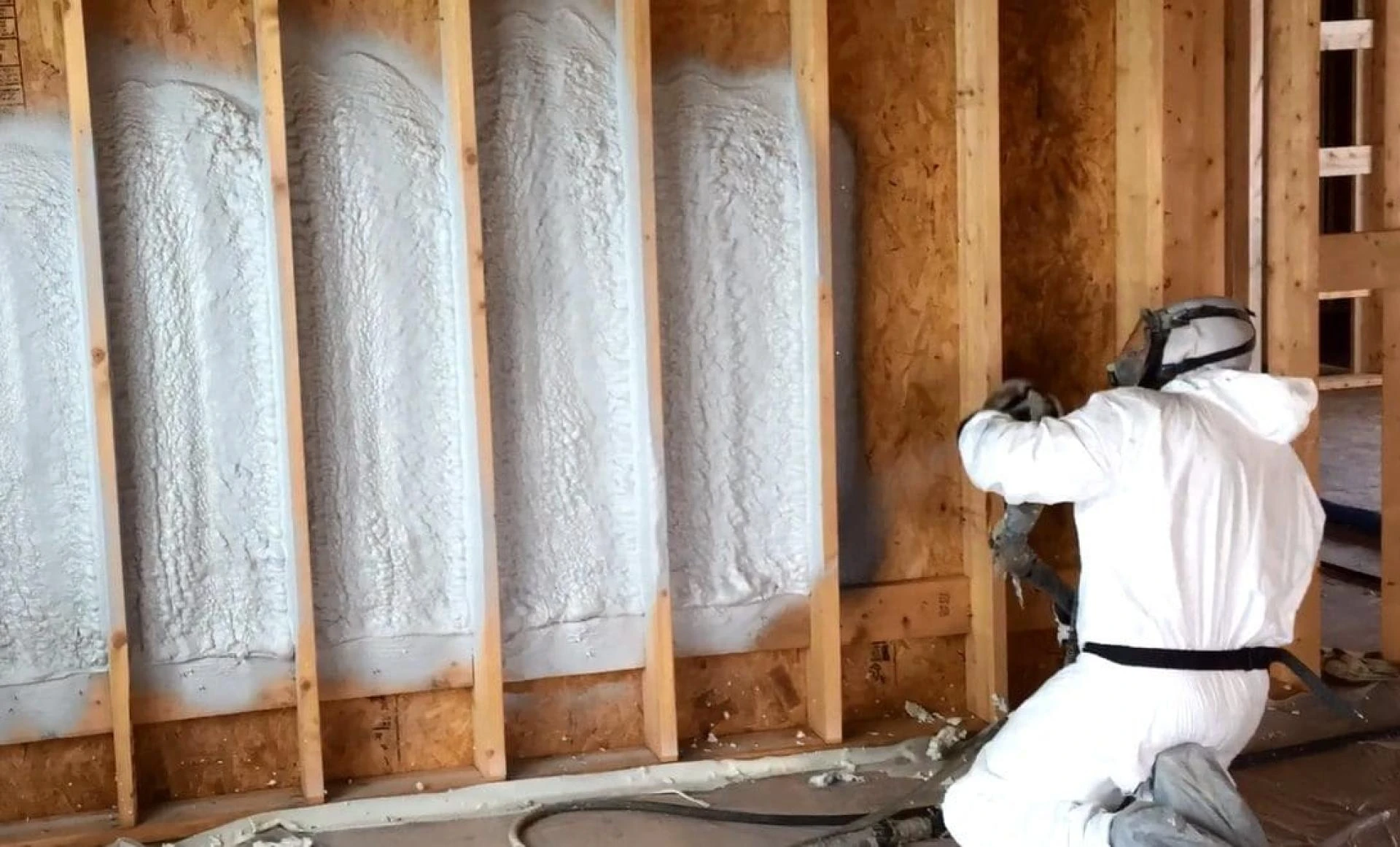
Residential spray foam insulation offers a high-performance solution to enhance energy efficiency and indoor comfort. By sealing gaps and creating a continuous thermal barrier, residential spray foam services reduce heat loss, prevent air leaks, and improve overall home efficiency. These services are particularly effective in older homes or homes with inconsistent insulation.
Homeowners can expect lower utility bills, quieter indoor spaces, and protection against moisture-related issues when residential spray foam experts handle installation correctly.

Why Spray Foam Insulation Improves Efficiency
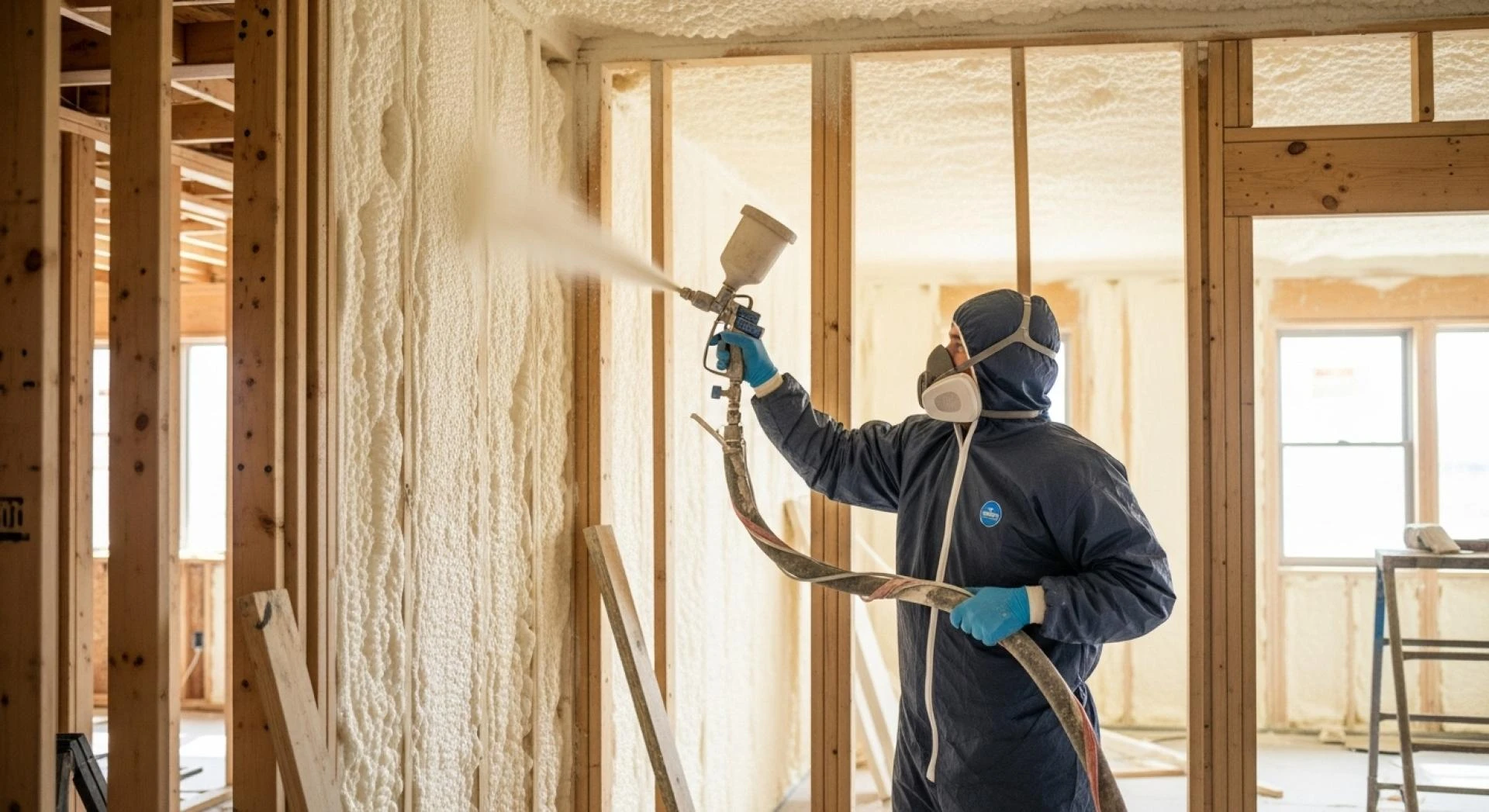
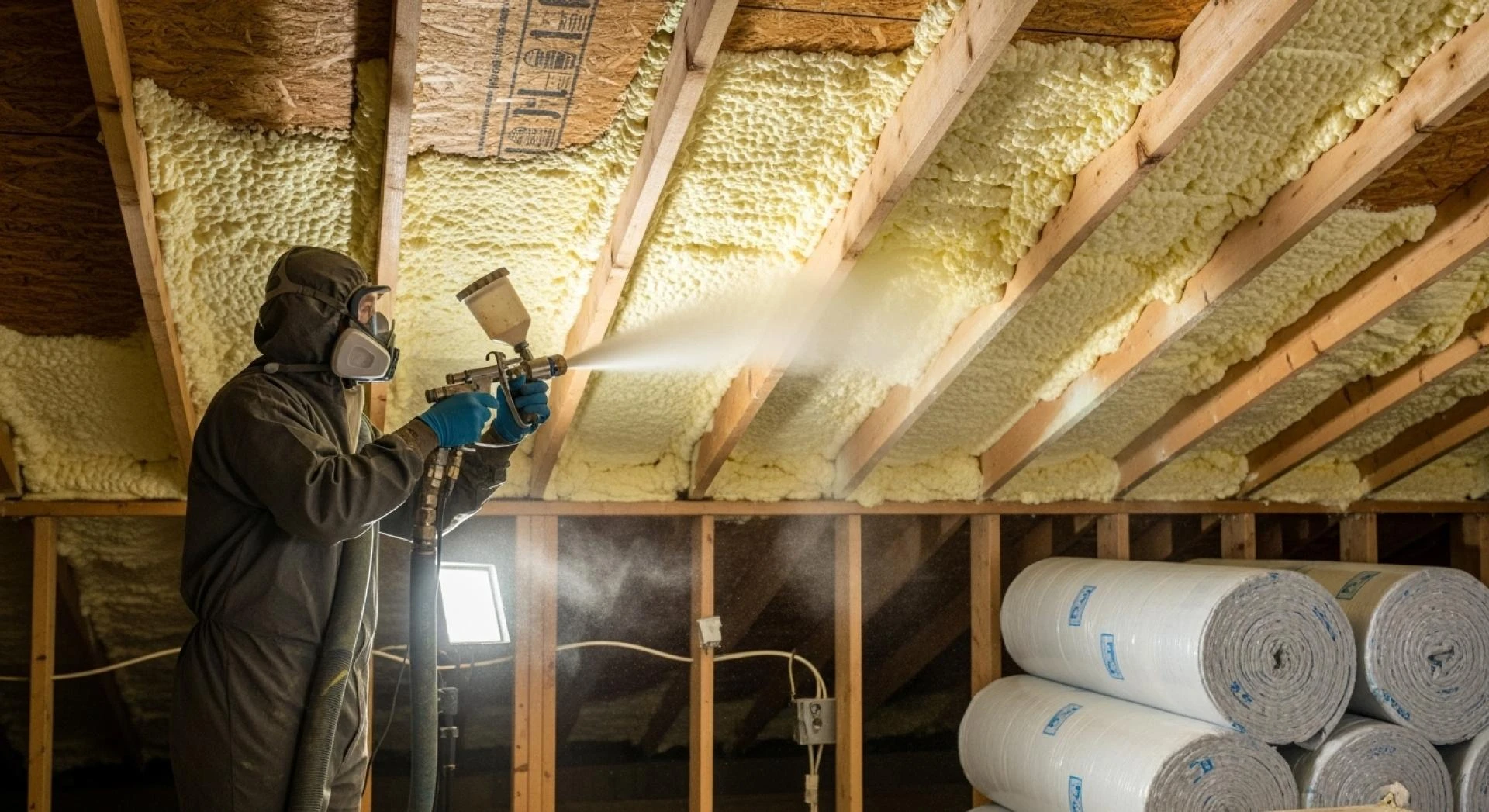
Spray foam expands upon application, filling cavities and sealing cracks that traditional insulation cannot. This ensures a tight fit in walls, attics, and basements.
Key Efficiency Benefits
- Blocks air infiltration, reducing heating and cooling costs
- Provides a continuous thermal barrier for stable indoor temperatures
- Enhances structural integrity in wall cavities
Tiny Notes
Closed-cell spray foam also adds water resistance, while open-cell spray foam excels in sound absorption. The choice depends on the home’s specific needs and climate conditions in Tigard, OR.
Identifying Areas That Affect Efficiency
Evaluating a home for energy leaks ensures targeted improvements. Common problem areas include wall cavities, attics, basements, and around window and door frames.
Signs of Inefficiency
- Drafts or uneven indoor temperatures
- Increased energy bills during peak seasons
- Moisture or condensation buildup in wall cavities
Bonus Tip
A blower door test can accurately measure air leaks and identify areas needing residential spray foam services.
Comparing Insulation Options for Homes
Choosing the right insulation affects long-term performance. The following table compares common insulation types for residential retrofits:
| Insulation Type | R-Value per Inch | Air Sealing | Moisture Resistance | Cost Efficiency |
|---|---|---|---|---|
| Residential Spray Foam (Closed-Cell) | 6–7 | Excellent | High | Moderate |
| Residential Spray Foam (Open-Cell) | 3.6–3.8 | Good | Moderate | Moderate |
| Fiberglass Batts | 2.9–3.8 | Low | Low | High |
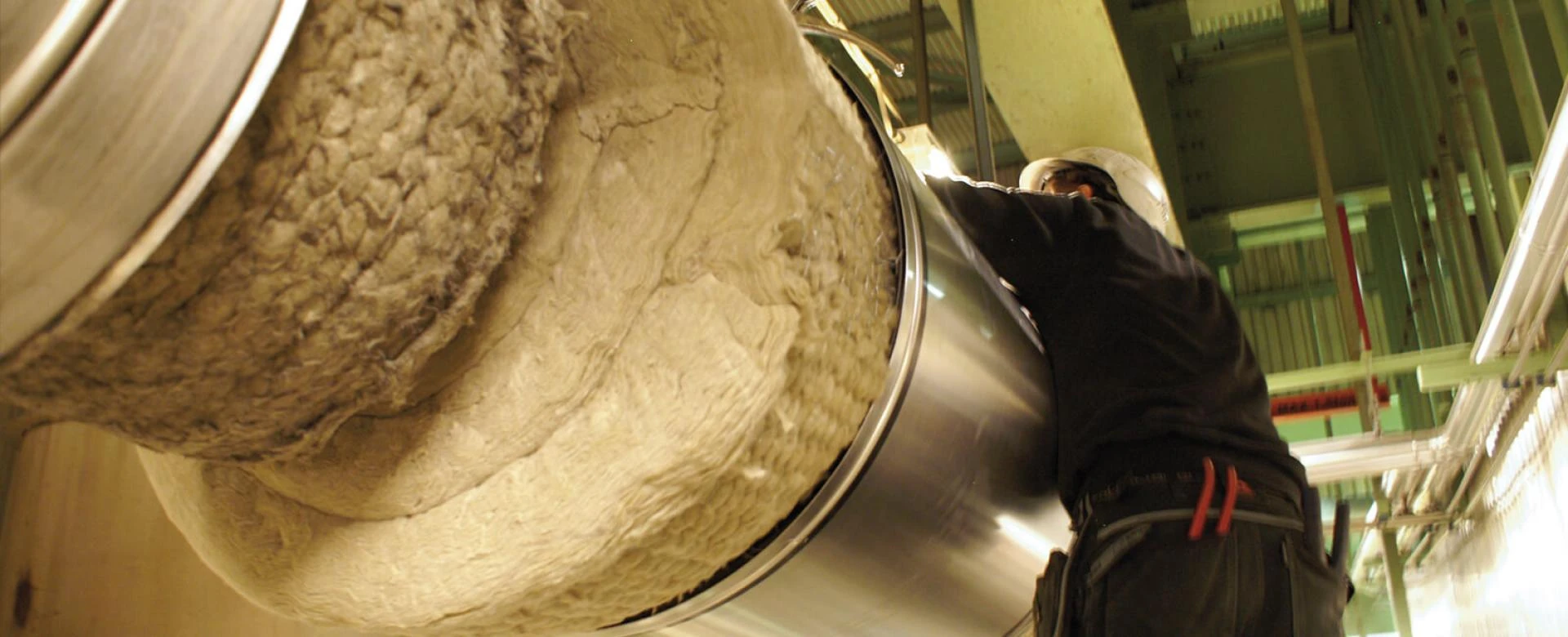
| Mineral Wool | 3.7–4.2 | Moderate | High | Moderate |
Tiny Comparison Notes
Spray foam insulation offers superior air sealing and moisture resistance compared to traditional insulation. Its adaptability makes it ideal for retrofits in Tigard’s variable climate.
Installation Best Practices
Proper installation ensures long-term efficiency. Residential spray foam experts follow precise methods to avoid gaps or compression that reduce performance.
Installation Steps
- Prepare and clean surfaces for adhesion
- Protect non-target surfaces from overspray
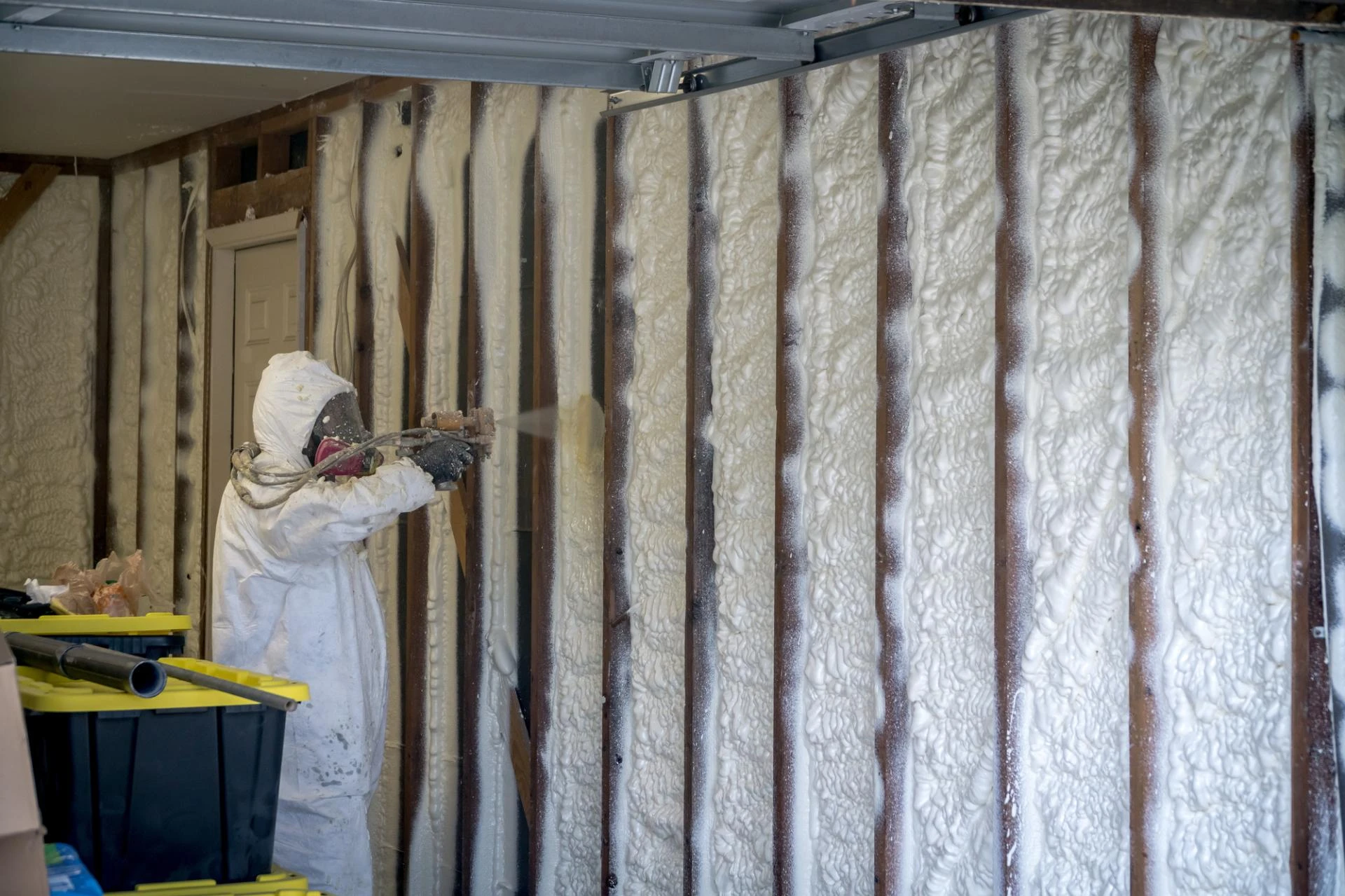
- Apply spray foam evenly in layers for optimal coverage
Tiny Installation Notes
Closed-cell foam provides structural reinforcement, while open-cell foam allows for better sound absorption. Selection should consider wall thickness, moisture levels, and thermal goals.
Bonus Tip
Combine spray foam with other insulation types, like mineral wool, in hybrid applications for enhanced energy efficiency and soundproofing.

Things to Consider Before Making a Decision
Before scheduling insulation services, homeowners should assess several factors:
- Condition of existing insulation and wall cavities
- Moisture exposure and ventilation requirements
- Accessibility for retrofitting hard-to-reach areas
- Long-term energy savings versus upfront costs
Optional Notes
Consulting experienced residential spray foam experts ensures the best solution for individual homes, maximizing efficiency and durability.
Conclusion on Improving Home Efficiency
Residential spray foam insulation significantly improves home efficiency by sealing air leaks, reducing energy costs, and preventing moisture issues. Proper evaluation and expert installation are crucial for optimal results. Homeowners should assess their property, climate considerations, and energy goals before choosing services.
Next Steps for Homeowners
Homeowners in Tigard, OR, seeking residential spray foam services can contact Spray Foam Specialists for expert guidance. Email [email protected] or call (503) 713-6164 to schedule an assessment and learn how spray foam can enhance energy efficiency and comfort.
Questions People Ask About Residential Spray Foam
Does spray foam insulation reduce energy bills?
Yes, properly installed spray foam can reduce heating and cooling costs by sealing leaks and improving thermal retention.
Is it safe for residential use?
Spray foam is non-toxic once cured and provides fire-resistant properties when installed according to guidelines.
How long does spray foam last?
With correct installation, spray foam insulation can last for decades without significant degradation.
Can it be added to existing insulation?
Yes, experts can apply spray foam over or alongside existing insulation to enhance performance.
What areas of the home benefit most?
Attics, basements, crawl spaces, and exterior walls gain the most efficiency improvements from spray foam applications.
























Sign in to leave a comment.