

Website design does far more than make things look neat. It silently shapes how users interact, perceive value, and decide whether to take the next step. For businesses competing in local markets, design often determines who gets found first, and who gets passed over. Sharp web design plays a commanding role in local business discovery and directly affects whether potential customers engage or leave.
“Website design influences far more than appearance, it directly affects how easily customers find and trust a business online,” says Dr. Brad Ictech with Overdrive Digital Marketing. “Search engines measure usability, speed, and mobile responsiveness when determining local rankings, so businesses with clear structure and strong mobile performance consistently gain more visibility and attract more qualified local traffic.”
Strong Web Design Builds Search Visibility
Companies often invest time into ads or business listings, yet their website remains underwhelming. A boutique service business once struggled with discovery despite excellent word-of-mouth. A site redesign introduced mobile-friendly layouts, local content, and structured data, and within months, online impressions grew and new foot traffic picked up. Design structure influences how algorithms and people interpret your business presence.
- Roughly 46% of all Google searches carry local intent (Source: Google Think).
- Around 76% of local searchers visit a business within 24 hours (Source: Google).
- Websites with clear location cues and structure often outrank competitors in map results.
1. Responsive Design Reaches Mobile Users
Most searches happen in real time, on mobile devices. People expect sites to adjust automatically, load quickly, and be easy to navigate without squinting or scrolling sideways. Sites that fail to adapt risk getting skipped entirely.
- Over 85% of U.S. adults own a smartphone and use it for local searches (Source: Pew Research).
- Websites that aren’t responsive perform poorly in local mobile rankings (Source: Google Search Central).
- Responsive layouts with touch-friendly buttons help users interact confidently, especially when searching on the go.
2. Streamlined Menus Keep Visitors Focused
When people land on a site looking for a nearby service, they’re usually in a hurry. Clunky navigation, buried links, or inconsistent pages can lead to frustration and drop-offs. A clean layout helps users move smoothly from page to page.
- Sites with intuitive navigation have better usability scores and longer session times (Source: Nielsen Norman Group).
- Clear menus make it easier for users to access key info like hours, directions, or appointment pages.
- Logical hierarchy helps search engines understand site content and boost relevant local rankings.
3. Matching NAP Details Strengthens Presence
Search engines rely on uniform Name, Address, and Phone (NAP) data to confirm a business’s legitimacy. Small inconsistencies across web pages or listings create confusion and reduce visibility. Having the same NAP details on every page sends consistent signals to both users and algorithms.
- Google pulls data from multiple sources and uses consistency to validate businesses (Source: Moz Local Ranking Factors).
- Misaligned contact info can lead to missed opportunities and lower local pack rankings.
- Adding NAP info to both headers and footers helps reinforce brand identity and trust.
4. Fast Page Speed
Load time plays a critical role in how users perceive credibility and usefulness. A slow website can lose visitors before anything load, especially on mobile. Optimizing speed is about more than just performance, it directly affects visibility and user satisfaction.
- Page speed influences local mobile rankings in search results.
- A delay of just one second can reduce conversions by up to 20% (Source: Think with Google).
- Compressing images, using browser caching, and reducing scripts improves overall load time.
5. Structured SEO Elements
Design that’s mindful of SEO helps search engines recognize where a business is located and who it serves. Elements like internal links, schema markup, and location-based content all work together to improve discovery. These details often live in the site architecture, not just the content.
- Proper schema tags like LocalBusiness increase visibility in map and snippet results.
- Location-based keywords in title tags and headings improve relevance for city or neighborhood searches.
- Clear internal linking keeps visitors engaged and encourages deeper navigation.

6. Localized Visuals Build Familiarity
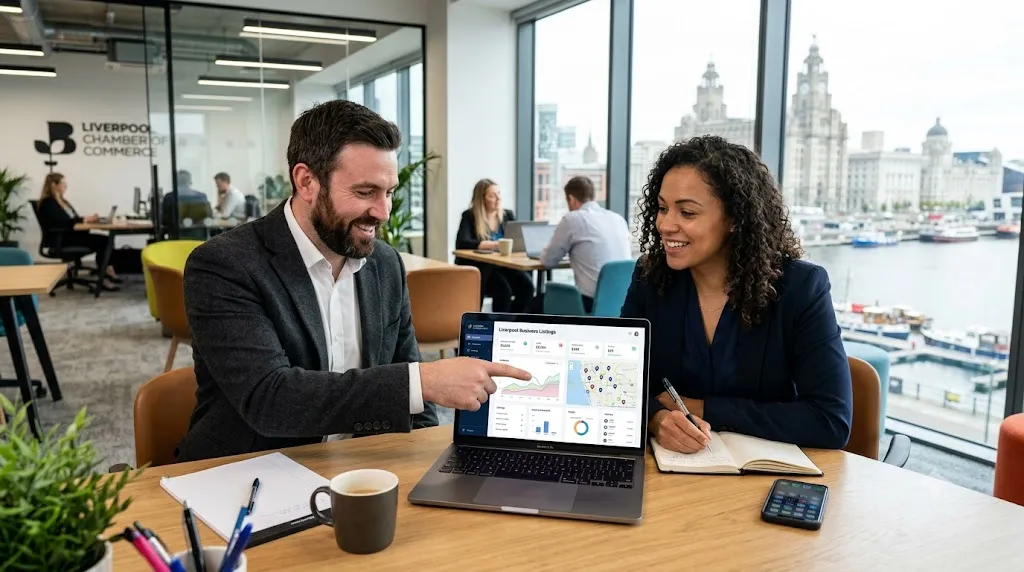
People connect faster with visuals that feel specific to their area. A homepage image showing the actual storefront, staff in branded uniforms, or a well-known local landmark can immediately reinforce trust. These visuals ground your business in a recognizable context.
- Stanford research shows visuals affect how users perceive credibility and relevance.
- Custom imagery outperforms stock photos when it comes to local engagement.
- Showing real people or real locations builds emotional recognition and a sense of authenticity.
7. Credibility Signals Reduce Doubt and Encourage Action
Users often form opinions about a business within seconds. Design choices like font consistency, layout spacing, and visual trust elements quietly influence whether someone feels confident enough to take action. Trust isn’t always declared, it’s demonstrated through structure.
- Around 75% of users judge a company’s credibility based on website design (Source: Stanford Web Credibility Project).
- Features like SSL certificates, customer reviews, or secure payment icons offer reassurance.
- Highlighting local partnerships or community involvement signals transparency and roots.
Key Insights on Web Design’s Role in Search Visibility
Design directly affects how easily people find and choose local businesses. From structure and speed to clarity and visual cues, every detail sends signals that shape how your business shows up online. Sites that are easy to use, clear in their message, and aligned with how people search are far more likely to draw real customers, not just traffic.
- Mobile optimization helps mobile friendly web designs perform better in real-time local searches.
- Well-structured navigation keeps visitors on-site longer and reduces confusion.
- Consistent business info increases your credibility with both users and search engines.
- Speed and clarity improve both rankings and customer satisfaction.
- Design choices reinforce trust and connect you with your local audience.
Frequently Asked Questions About Web Design and Local Business Search
Why does responsive design matter for local visibility?
Most local searches happen on mobile, and if a site doesn’t function well on smaller screens, users won’t stay. Google also ranks mobile-friendly pages higher in local results.
What’s the impact of NAP inconsistencies?
Search engines rely on consistent name, address, and phone number information to confirm a business is legitimate. If those details don’t match across listings and your site, you may drop in visibility.
Can load speed really affect local rankings?
Yes. A slow website frustrates users, which increases bounce rates. Google uses speed as a signal in its mobile ranking algorithm.
How does visual content influence local discovery?
Photos showing real people, signage, or known landmarks help visitors connect faster. Authentic visuals help users trust that your business is local and credible.
Is design more important than content for local SEO?
Both matter, but design provides the structure and usability that supports SEO. Without good design, even the best content can go unseen or unread.

































Sign in to leave a comment.