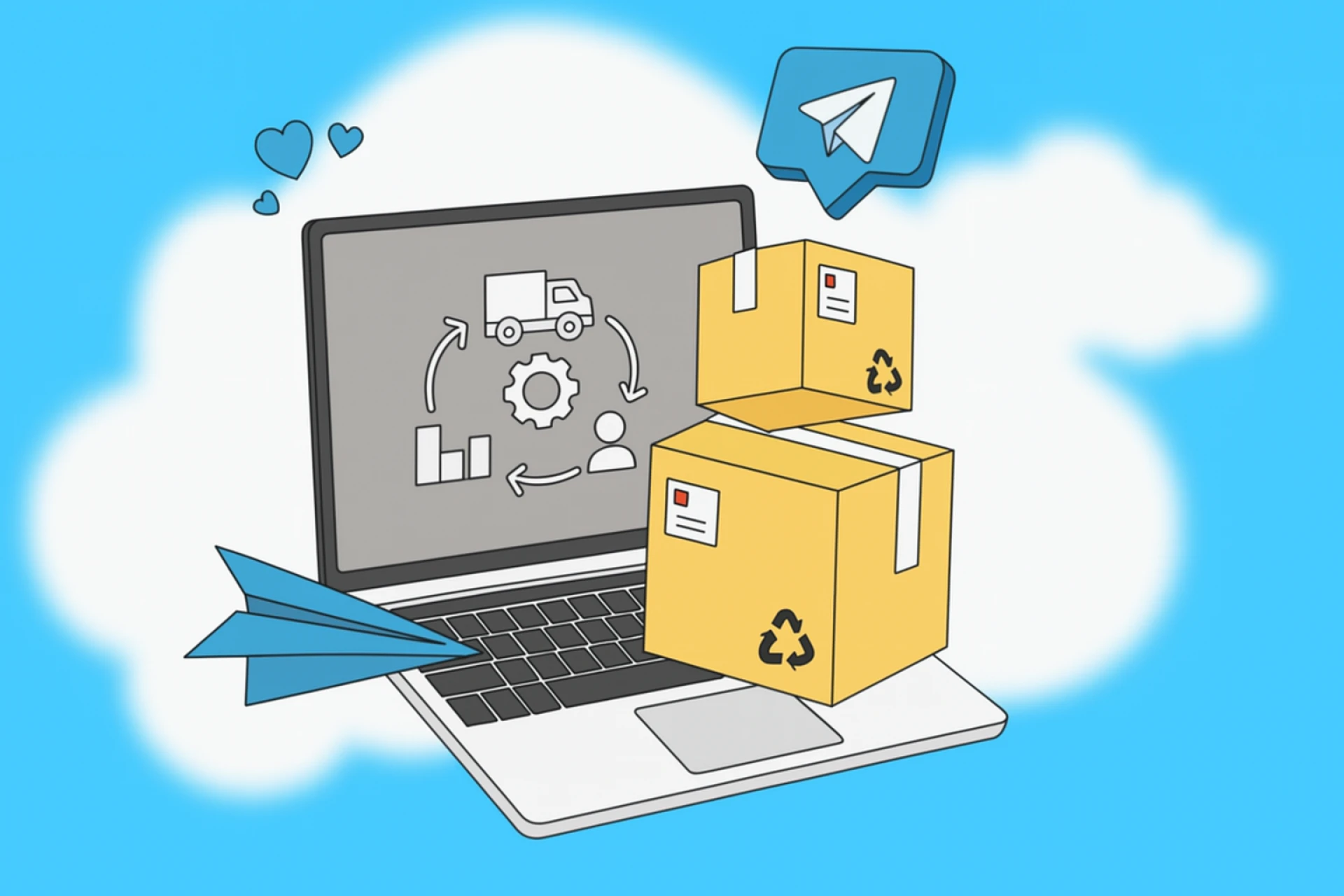

Modern supply chains operate under intense pressure. From unpredictable demand and geopolitical tensions to climate change and cyber risks, businesses need more than traditional tools to stay agile. A resilient supply chain isn’t just about surviving disruptions—it’s about anticipating, adapting, and evolving in real time.
Here are eight essential technologies every forward-looking supply chain should adopt:
1. IoT (Internet of Things) for Real-Time Visibility Sensors embedded in trucks, containers, and warehouses collect live data on temperature, location, and movement. This allows companies to track goods in transit, monitor storage conditions, and act swiftly if anomalies occur. IoT reduces blind spots and increases control across the chain.
2. AI and Machine Learning for Predictive Planning AI-powered algorithms process vast datasets to forecast demand, spot risks, and recommend actions. From predicting delays to suggesting alternate suppliers, AI helps supply chain managers make proactive, data-driven decisions that reduce downtime and improve margins.
3. Cloud-Based ERP Systems Cloud ERP platforms unify data across departments, procurement, inventory, finance, and logistics, making it easier to coordinate operations. Their scalability and remote accessibility make them ideal for distributed teams and multi-site businesses.
4. Blockchain for Transparent and Secure Transactions Blockchain creates an immutable ledger of transactions, enabling secure data sharing among supply chain partners. This increases trust, prevents fraud, and simplifies audits. In industries like pharmaceuticals and food, blockchain also helps with traceability.
5. Digital Twins for Scenario Simulation A digital twin is a virtual replica of the supply chain that simulates disruptions, such as supplier shutdowns or demand spikes. Businesses can test different responses before acting in the real world, reducing risk and speeding up recovery.
6. Robotic Process Automation (RPA) for Efficiency RPA automates repetitive tasks like invoice matching, order entry, and inventory reconciliation. This frees up human resources for higher-value work, reduces manual errors, and improves process efficiency across procurement and logistics.
7. Autonomous and Smart Logistics From self-driving trucks to AI-optimized route planning, automation is reshaping logistics. Drones and robots are also being used in warehouses for picking, packing, and inventory audits. These technologies reduce lead times and labor dependency.
8. Advanced Analytics for Strategic Insights Analytics platforms synthesize supply chain data to uncover trends, evaluate supplier performance, and identify bottlenecks. By aligning supply chain KPIs with business goals, companies gain a strategic edge in everything from sourcing to delivery.
Conclusion Disruptions are inevitable, but a resilient supply chain doesn’t just absorb shocks—it learns from them. Technologies like AI, IoT, blockchain, and analytics equip businesses to adapt rapidly, make smarter decisions, and build lasting competitive advantage.
Whether you're in retail, manufacturing, or logistics, investing in these tools isn’t optional anymore. It’s the blueprint for a resilient, future-ready supply chain.
Looking to upgrade your supply chain tech stack? Our experts can help you evaluate and implement the right solutions.


























Sign in to leave a comment.